Is FIP Treatment Painful or Uncomfortable for Cats
Feline Infectious Peritonitis (FIP) is a serious and often fatal disease affecting cats worldwide. Caused by a mutated form of the feline coronavirus, FIP leads to inflammation of the tissues lining the abdominal cavity and other organs. Due to the severity of the disease, treatment options have evolved, but questions remain regarding the comfort and pain levels experienced by cats during treatment. This article explores the nature of FIP treatment, addressing whether it causes pain or discomfort to feline patients, and explains the supportive care involved.
Understanding FIP and Its Treatment Options
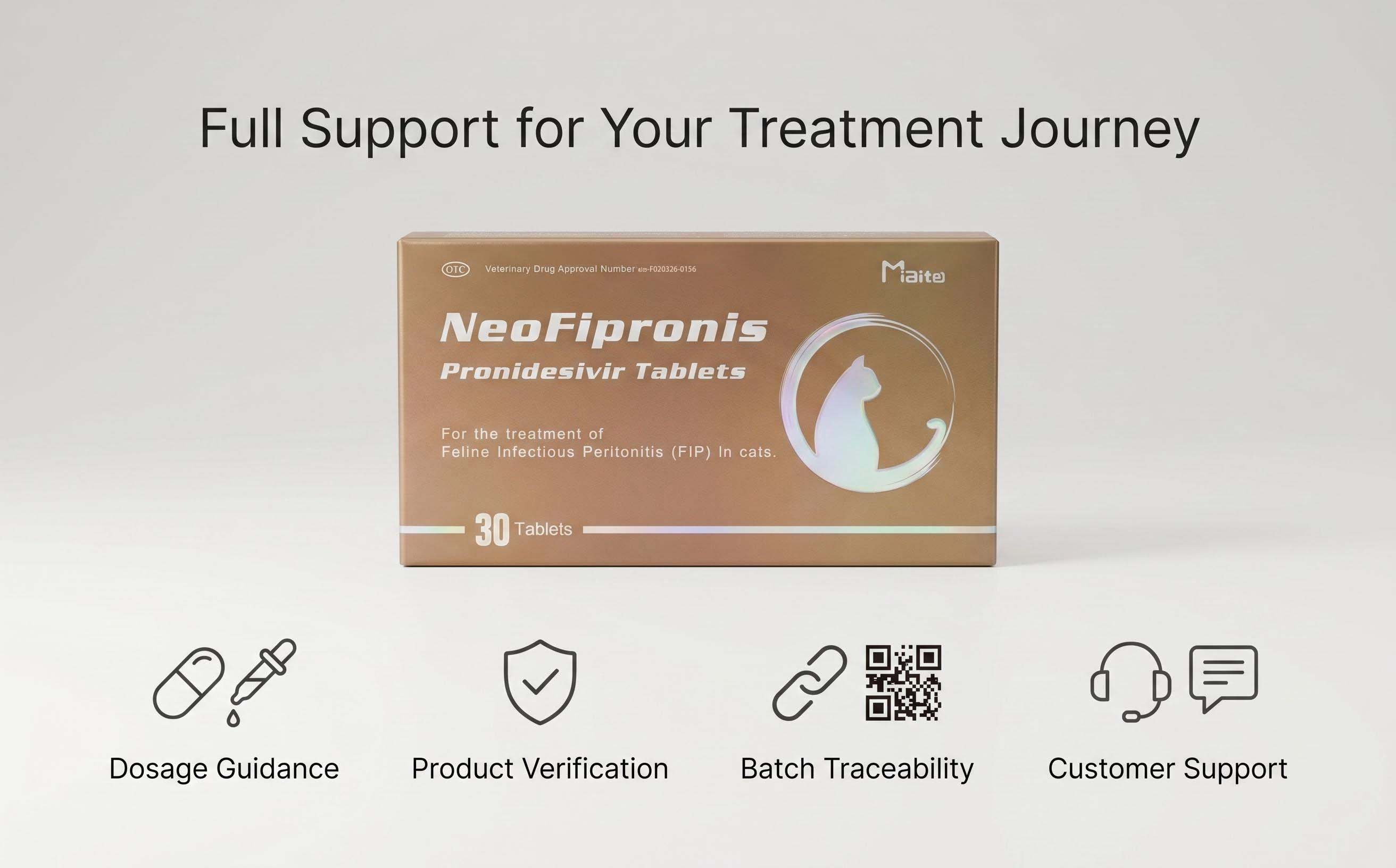
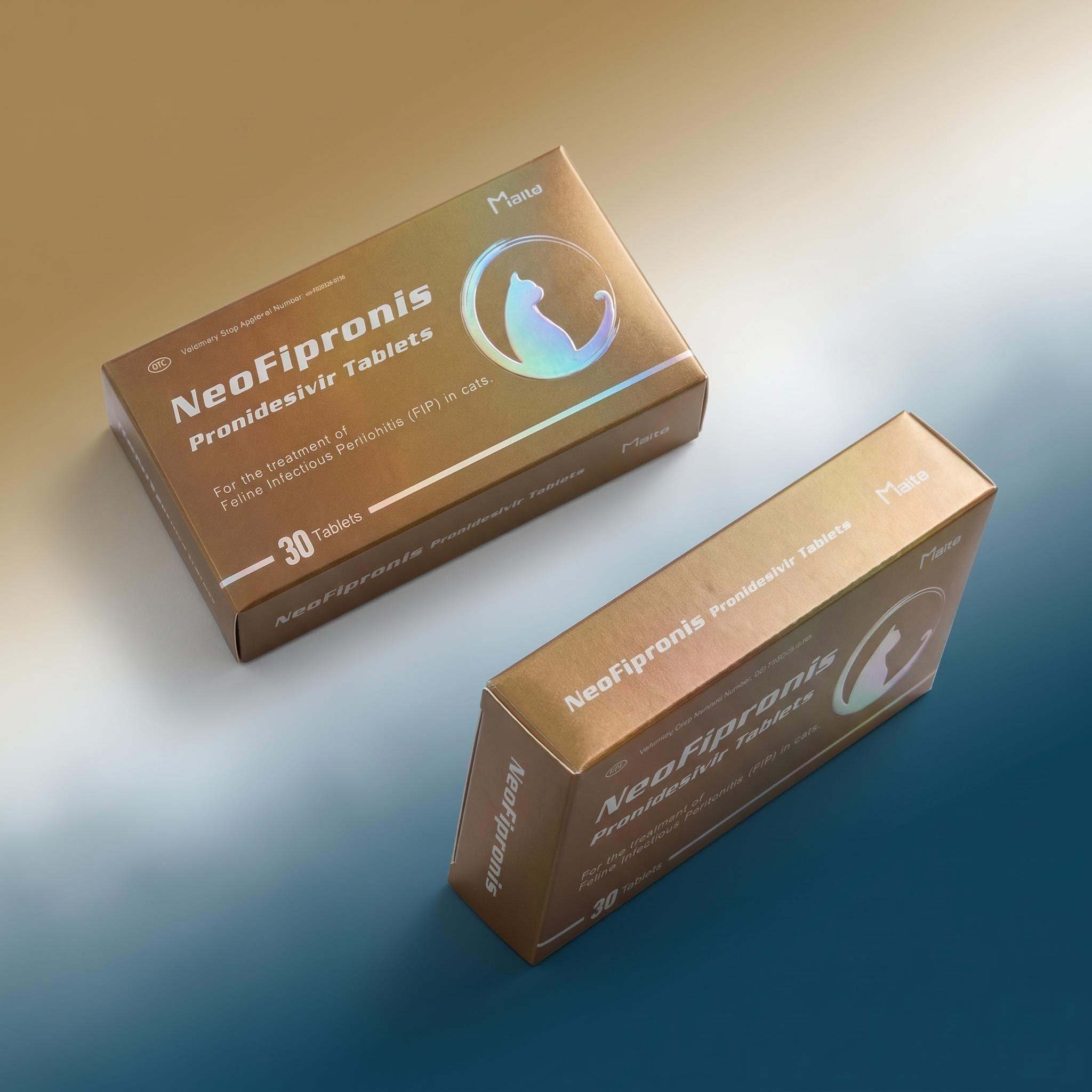
Historically, FIP was considered incurable, with most cats succumbing within weeks of diagnosis. However, recent advances have introduced antiviral medications, such as GS-441524, which have shown promising results. Besides these targeted therapies, supportive care remains vital.
Treatment typically involves a combination of antiviral drugs, corticosteroids, and supportive measures like fluid therapy, nutritional support, and pain management. The primary goal is to prolong life and improve quality of life, given the current limitations in fully curing the disease.
Potential Sources of Discomfort in FIP Treatment
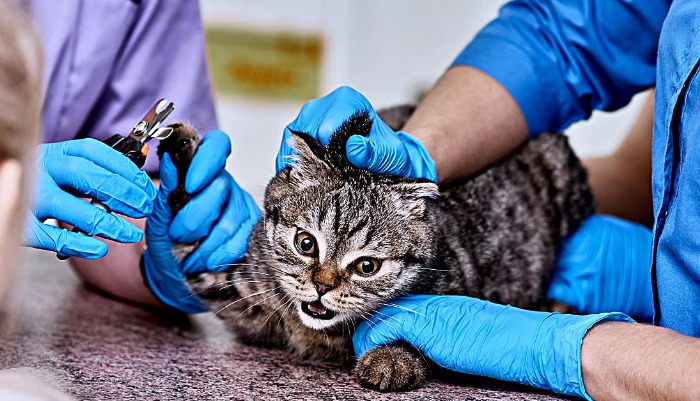
The administration of medications—such as injections, oral pills, or topical agents—can sometimes cause discomfort. Injections may induce minor pain or distress, especially if given repeatedly or improperly. Oral administration might cause gagging or nausea, particularly with bitter-tasting drugs. Additionally, some cats may experience side effects like gastrointestinal upset, which can contribute to overall discomfort.
Moreover, cats undergoing treatment often need to be hospitalized or kept in a controlled environment, which can be stressful and uncomfortable for them. Stress can manifest as hiding, decreased appetite, or agitation, which are indirect indicators of discomfort.
Pain Management Strategies
Veterinarians prioritize minimizing pain and distress during FIP treatment. Several strategies are employed:
Use of Anesthetics and Analgesics: During injections or invasive procedures, appropriate local anesthesia or analgesics are administered to reduce discomfort.
Feeding and Medication Techniques: Using pill dispensers, flavored medications, or administering drugs via syringes can lessen stress associated with medication delivery.
Environmental Comfort: Creating a calm, cozy environment with familiar bedding, toys, and gentle handling reduces anxiety.
Monitoring and Adjustments: Continuous assessment of the cat’s response allows veterinarians and owners to modify treatment protocols, ensuring minimal discomfort.
The Human-Animal Bond and Stress Reduction
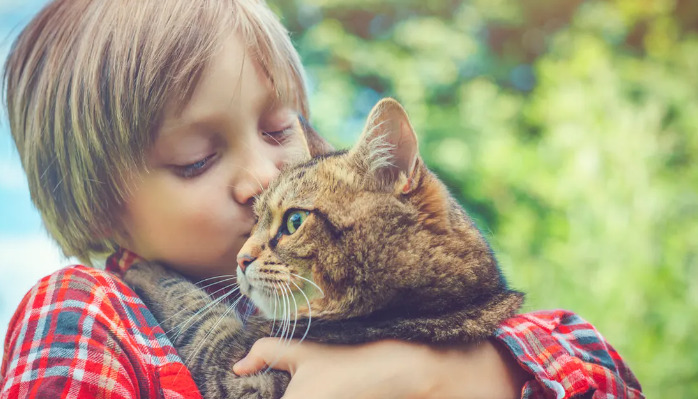
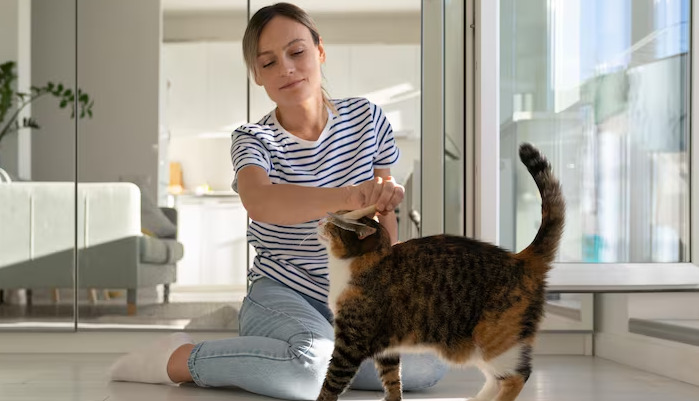
Cats are sensitive to their environment and the emotional state of their caregivers. Owners who are calm, gentle, and patient can significantly reduce their pet’s stress levels. Routine and positive reinforcement help cats tolerate necessary interventions better. Some clinics also adopt feline-friendly practices—such as quiet rooms, pheromone diffusers, and minimal restraint—to decrease anxiety.
Are There Any Long-term or Hidden Discomforts?
While immediate procedural discomfort can be managed effectively, some cats may experience lingering issues like nausea or mild gastrointestinal upset from medications. These are generally transient and can be alleviated with supportive care, such as anti-nausea agents or dietary adjustments.
Additionally, the progression of FIP itself can cause physical suffering, including abdominal swelling, fever, lethargy, and discomfort stemming from inflammation. Treating the disease aims to alleviate these symptoms, rather than introduce new sources of pain.
Conclusion
FIP treatment, especially with modern antiviral drugs, is designed to be as comfortable as possible for cats. While certain procedures may cause minor discomfort, veterinarians utilize multiple strategies to minimize pain and stress. The overall aim is to improve quality of life during treatment, acknowledging that some treatment-related discomforts are manageable and transient.
References
1. Pedersen, N. C. (2014). An Update on Feline Infectious Peritonitis: Topics for the New Century. Veterinary Immunology and Immunopathology, 158(4), 185-192.
2. Addie, D. D., & Jarrett, O. (2004). Feline Infectious Peritonitis. In: Greene, C. E. (Ed.), Infectious Diseases of the Dog and Cat. Elsevier Saunders.
3. Herrewegh, A. A., et al. (1995). Feline coronavirus type I and II: seroprevalence and serological response in cats with and without FIP. Journal of Feline Medicine and Surgery, 4(4), 173-183.
4. Kummrow, M., & Wehrle, F. (2019). The role of antiviral therapy in the management of Feline Infectious Peritonitis. Journal of Small Animal Practice, 60(11), 662-669.
5. Hartmann, K., et al. (2014). Feline infectious peritonitis: ABCD guidelines on prevention and management. Journal of Feline Medicine and Surgery, 16(6), 468-481.