Is Being Diagnosed With FIP Emotionally Devastating for Owners
Feline Infectious Peritonitis (FIP) is one of the most distressing diagnoses a cat owner can face. As a fatal disease caused by certain strains of the feline coronavirus, FIP often presents an emotional toll that can profoundly impact pet owners. Understanding the psychological impact, the reasons behind it, and ways to cope can help owners navigate this difficult journey.
The Nature of FIP and Its Diagnosis
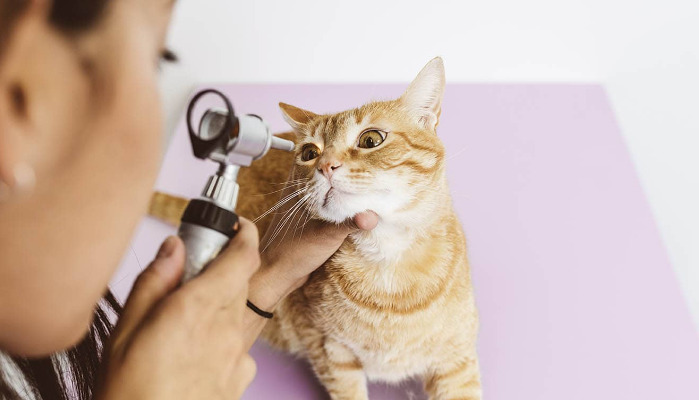
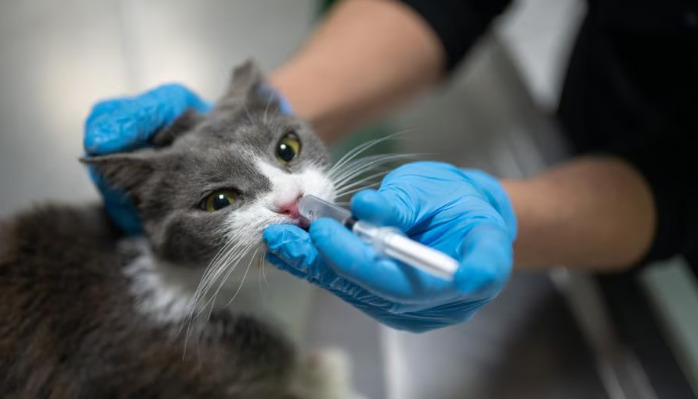
FIP is a complex and ultimately lethal disease primarily affecting young cats or those with compromised immune systems. It manifests in two forms: the wet (effusive) form, characterized by fluid accumulation in body cavities, and the dry (non-effusive) form, which involves granulomatous lesions in organs. Diagnosing FIP involves a combination of clinical signs, laboratory tests, and sometimes invasive procedures; however, definitive diagnosis can be challenging, often leading to uncertainty and heightened anxiety among owners.
Emotional Impact of the Diagnosis
Learning that a beloved cat has FIP can trigger intense emotional reactions. Many owners experience grief, despair, and helplessness. The news often comes as a shock, especially given the previously healthy appearance of the pet and the difficulty in obtaining a definitive diagnosis. These feelings are compounded by the knowledge that FIP has historically been considered a death sentence, despite recent advances in supportive care and experimental treatments.
Factors Contributing to Emotional Devastation
1. Sense of Loss and Helplessness: Owners often feel a profound sense of loss even before their cat passes away, as they grapple with the reality of their pet’s declining health. The incurable nature of FIP amplifies this distress, emphasizing feelings of helplessness and grief.
2. Guilt and Questioning: Many owners question whether they could have done something differently, leading to guilt and self-blame. Concerns about whether their pets were exposed to risk factors or if they missed warning signs can intensify these feelings.
3. Financial Strain: The cost of diagnosis, treatment, and supportive care can be substantial. Financial stress adds another layer of anxiety, especially when prognosis remains poor despite efforts.
4. Uncertainty and Lack of Hope: The unpredictable progression of FIP and limited treatment options can foster feelings of hopelessness, leaving owners uncertain about what the future holds for their pets.
Psychological Responses and Coping Mechanisms
Owners’ emotional responses can vary widely, from denial and anger to grief and depression. It’s important for pet owners to recognize these reactions as normal and to seek support. Many find comfort in connecting with others who have experienced similar loss or illness, through support groups or online forums.
Professional help from veterinarians or pet loss counselors is highly beneficial. Veterinarians play a crucial role in providing clear information, compassionate communication, and guidance on caring for a terminally ill pet. Engaging in activities that honor the pet’s memory can also assist with the grieving process.
The Role of Advances in Treatment
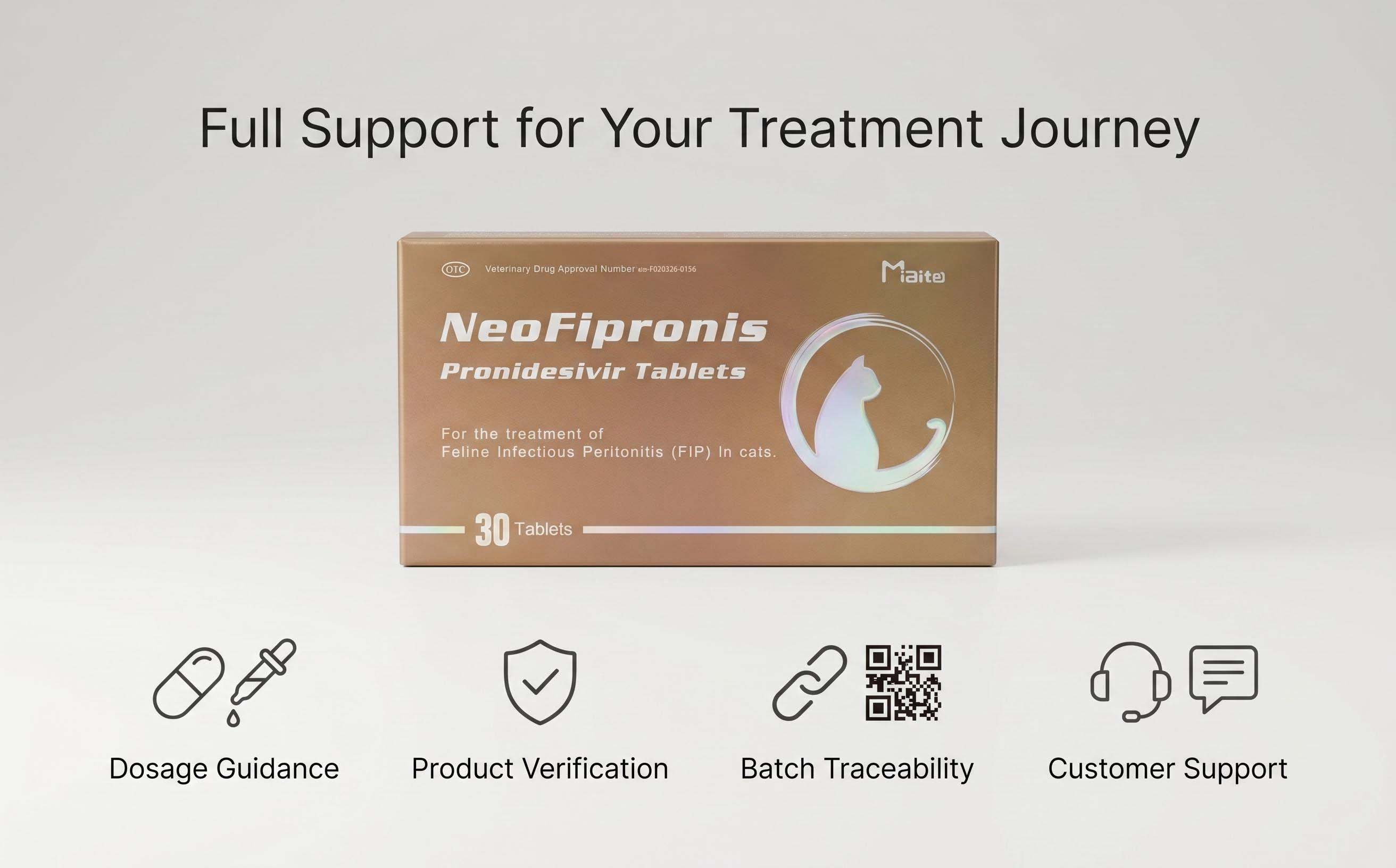
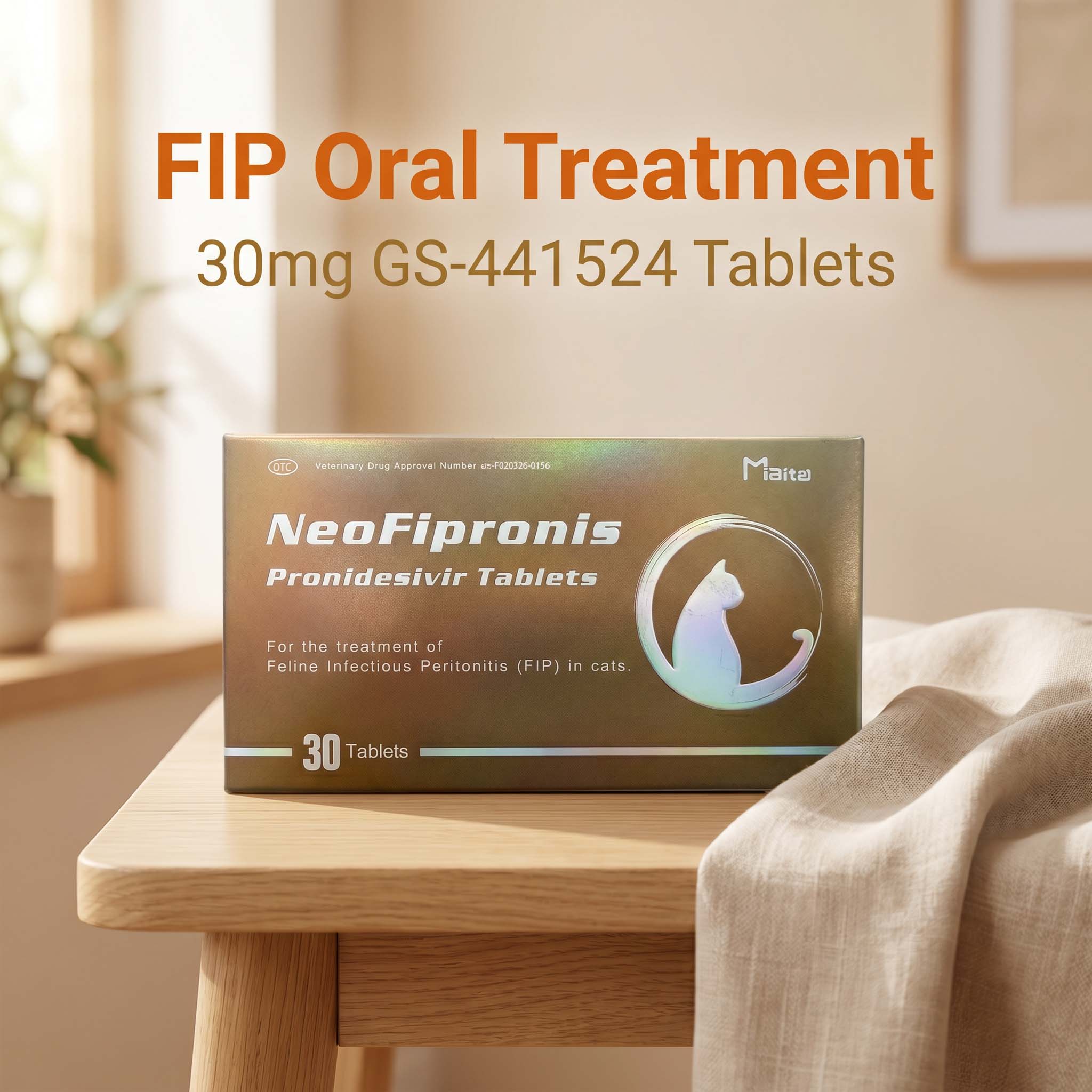
Recent developments, such as antiviral drugs like GS-441524, have shown promise in treating certain cases of FIP, sometimes leading to remission. While not universally accessible or proven for all cases, these advancements can offer a glimmer of hope and mitigate some of the emotional toll. Owners may feel a renewed sense of optimism when considering emerging therapies, but it's essential to approach these options with realistic expectations and expert guidance.
The Importance of Support Networks
Support from friends, family, and pet communities is vital during this difficult time. Sharing feelings and experiences can alleviate feelings of isolation. Many organizations and online platforms offer resources and emotional support tailored for pet owners facing terminal illnesses or loss.
Conclusion
Being diagnosed with FIP is undoubtedly an emotionally devastating experience for owners due to its severity, uncertain prognosis, and the profound bond shared with their feline companions. Recognizing the emotional responses and seeking appropriate support can help owners navigate this challenging period. Advances in treatment and compassionate communication from veterinary professionals can offer some relief, but acknowledging the emotional impact remains essential in providing holistic care for both the pet and the owner.
References
1. Pedersen, N. C. (2014). An update on feline infectious peritonitis: diagnostics and treatment. The Veterinary Journal, 201(3), 156-161.
2. Kipar, A., & Meli, M. L. (2014). Feline infectious peritonitis: still an enigma? Veterinary Pathology, 51(2), 505-526.
3. Addie, D. D., & Jarrett, O. (2018). Feline infectious peritonitis. Veterinary Record, 172(7), 170.
4. Meli, M. L., et al. (2021). Recent advances towards FIP treatment: antiviral drugs and immune-modulating approaches. Frontiers in Veterinary Science, 8, 679247.
5. Pesteanu-Somogyi, L., et al. (2020). The psychological impact of pet illness and death on owners: a review. Journal of Animal & Veterinary Advances, 19(2), 45-52.