Is a Cat’s Immune System Weakened After FIP Treatment
Feline Infectious Peritonitis (FIP) remains one of the most challenging diseases in feline medicine. Caused by a mutated form of the feline coronavirus (FCoV), FIP is known for its complex progression and poor prognosis. For years, veterinarians and cat owners have been concerned about the long-term health effects of treatment, particularly whether therapies might weaken a cat’s immune system further. This article examines the impacts of FIP treatment on feline immunity, exploring current treatments, immune responses, and potential risks.
Understanding FIP and its Pathogenesis
FIP develops when feline coronavirus, typically a harmless enteric virus, mutates within an infected cat, leading to an immune-mediated disease characterized by systemic inflammation. The immune response plays a pivotal role; an inadequate response allows viral proliferation, while an exaggerated response causes tissue damage. The disease often manifests in two forms: the effusive (wet) form and the non-effusive (dry) form, each with distinct clinical signs but linked by underlying immune processes.
The Role of the Immune System in FIP
The immune response to FIP is complex. Cell-mediated immunity (CMI), largely orchestrated by T lymphocytes, is crucial for controlling the infection. A strong CMI can suppress viral replication and prevent disease progression. Conversely, a weak or dysregulated immune response results in viral proliferation and the characteristic inflammatory lesions of FIP. Many treatments aim to modulate or enhance the immune response, recognizing the delicate balance necessary to control the virus without provoking excessive inflammation.
Treatments for FIP and Their Impact on Immunity
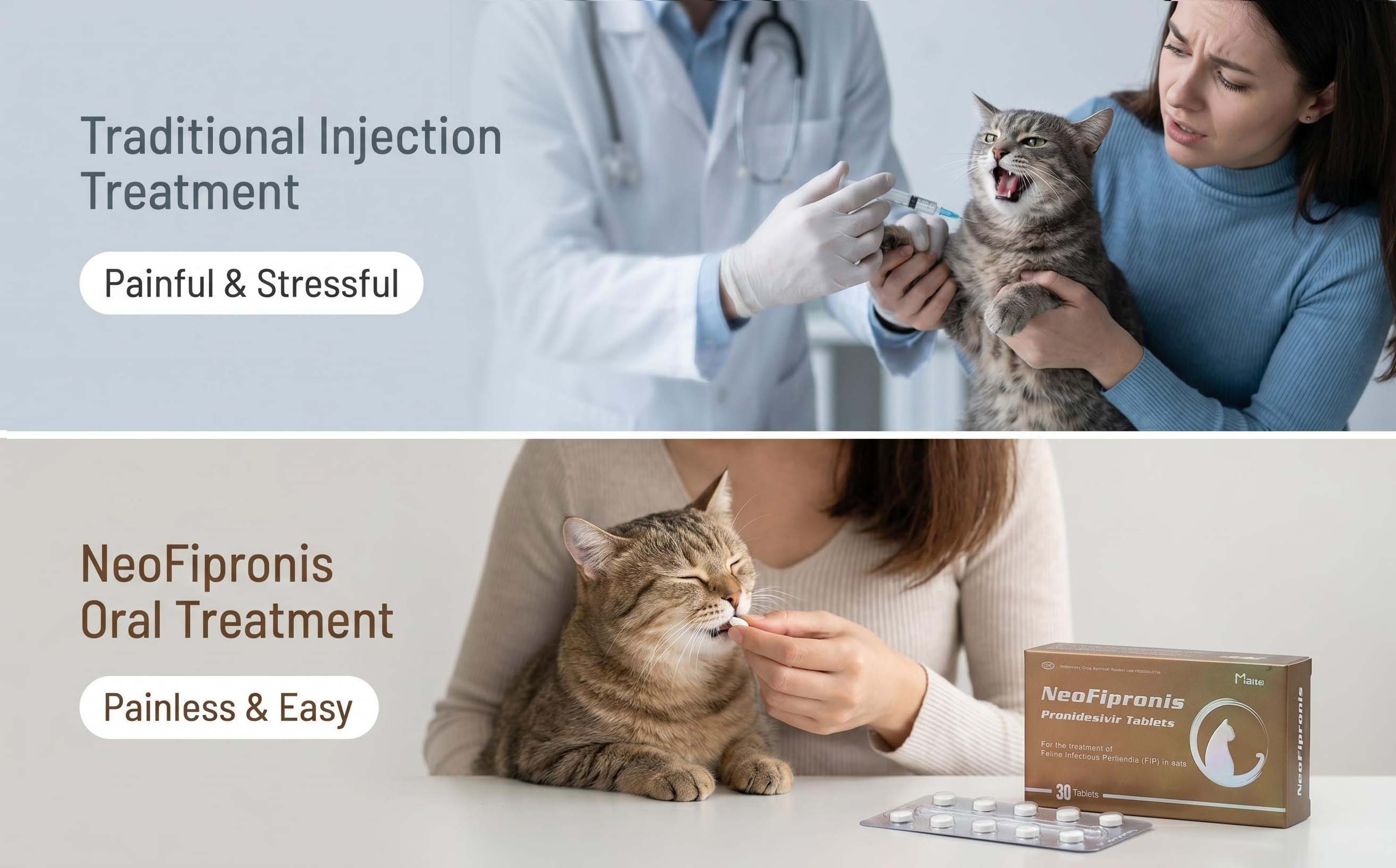
Recent advancements have introduced several therapies, including antiviral drugs like GS-441524 and remdesivir, immune-modulating agents, and supportive care. These treatments have shown varying degrees of success and are often combined with immunomodulatory therapies such as interferons or corticosteroids.
Antiviral Agents: Drugs like GS-441524 target viral replication directly. They do not inherently suppress the immune system; instead, by reducing viral load, they may indirectly support immune recovery. However, their use over extended periods raises questions about potential side effects, including impacts on immune function.
Immune Modulators: Interferons and other immune-stimulating agents aim to bolster the cat’s immune response. While beneficial, these treatments may cause temporary immune system activation or suppression, depending on dosage and duration.
Corticosteroids: Sometimes used to manage inflammation, corticosteroids are known immunosuppressants. Their use requires careful consideration to avoid further weakening the immune system, especially in a feline patient battling a viral infection.
Does Treatment Weaken the Immune System?
The core concern revolves around whether FIP treatments, particularly those involving immunosuppressive agents like corticosteroids, impair immune function permanently or temporarily. Evidence suggests that:
Immunosuppressive therapies can temporarily reduce immune cell activity, possibly increasing susceptibility to secondary infections if used excessively or for prolonged periods.
Antiviral therapies generally do not directly suppress immune function. Instead, they facilitate viral clearance, potentially allowing immune recovery over time.
Immune-modulating agents are designed to enhance or modulate immune responses without causing suppression, though they must be used judiciously.
Overall, most current treatments aim to restore immune competence by reducing viral burden or adjusting immune responses, rather than suppressing immunity outright. However, the duration and combination of therapies are critical factors influencing immune health.
Long-term Implications for Recovered Cats
Cats that respond well to treatment and recover from FIP may experience a period of immune rebalancing. During recovery, immune function can be temporarily compromised, especially if corticosteroids or other immunosuppressive drugs were involved. Nonetheless, many cats regain normal immune function over time. Long-term health monitoring is essential to detect any secondary issues or immune deficiencies.
Precautions and Recommendations
Regular Veterinary Check-ups: After treatment, cats should undergo ongoing evaluation to monitor immune status, especially if immunosuppressive drugs were administered.
Minimize Stress and Infections: Reduced exposure to infectious agents and stressors can aid immune recovery.
Balanced Treatment Protocols: Veterinarians need to carefully balance antiviral and immunomodulatory therapies to optimize outcomes without unnecessary immune suppression.
Emerging Treatments and Future Research
With ongoing research, newer therapies aim to target the virus more precisely and modulate immune responses with fewer side effects. Gene therapy, monoclonal antibodies, and advanced antiviral drugs are under investigation, promising improved safety profiles and outcomes. Understanding the immune dynamics post-treatment can help tailor therapies that support immune recovery and long-term health.
Conclusion
Current evidence indicates that most feline treatments for FIP do not cause permanent immune suppression. While some therapies, particularly corticosteroids, can cause temporary immune alterations, the primary goal is to eliminate the virus and restore immune function. Recovery and immune competence depend heavily on treatment protocols, disease severity, and individual cat health. Careful management and ongoing research will continue to improve outcomes and clarify the long-term effects of FIP treatments on feline immunity.
References
1. Pedersen, N.C. (2016). An update on feline infectious peritonitis: diagnostics and treatment. Journal of Feline Medicine and Surgery, 18(2), 1-10.
2. Brown, M., & Brant, S. (2017). Managing feline coronavirus infections: implications for FIP. Veterinary Clinics of North America: Small Animal Practice, 47(6), 1267-1281.
3. Pedersen, N.C., & Liu, H. (2020). Recent advances in FIP therapeutics. Veterinary Microbiology, 245, 108658.
4. Addie, D.D., & Jarrett, O. (2017). Feline infectious peritonitis: a review. Journal of Feline Medicine and Surgery, 19(3), 245-253.
5. Hartmann, K. (2017). Feline infectious peritonitis. Veterinary Clinics of North America: Small Animal Practice, 47(6), 1019-1034.