What Should Owners Focus on Most When Preventing FIP
Introduction to Feline Infectious Peritonitis (FIP)
Feline Infectious Peritonitis (FIP) remains one of the most concerning diseases for cat owners and veterinarians alike. Affecting primarily young cats and those housed in multi-cat environments, FIP is caused by a mutation of the feline coronavirus (FCoV). The mutated form leads to the disease, which can be fatal and difficult to cure. As awareness grows, understanding effective prevention strategies becomes imperative for all cat owners. Knowing where to focus efforts and applying evidence-based practices can make a significant difference in reducing risk.
Understanding the Mechanism: How FIP Develops
To prevent FIP, it's crucial to first grasp its origins. Most cats are infected with a benign form of feline coronavirus at some point in their lives. While the majority show no symptoms, in rare cases, the virus mutates within a single host, triggering the immune-mediated response known as FIP. Factors influencing this mutation include genetics, immune system status, and environmental stress. Cats cannot "catch" FIP directly from one another, but they can spread coronavirus, which can potentially mutate later.
Focus Area 1: Hygiene and Environmental Control
Maintaining a clean, stress-free home environment is among the most effective ways to limit the spread of FCoV and thus reduce FIP risk. Owners should prioritize:
Litter Box Management: Clean litter boxes daily, and use unscented, dust-free litter to minimize respiratory irritation and viral transmission. Put boxes in accessible, low-stress areas.
Disinfection Protocols: Regularly disinfect common surfaces, bowls, and bedding using feline-safe products proven to inactivate coronaviruses.
Avoiding Overcrowding: High-density living situations elevate stress and increase the spread of FCoV. Allow ample space for each cat and avoid frequent mixing with new cats.
Ventilation and Air Quality: Good airflow and reduced humidity help curb viral persistence and diminish overall stress.
Hygiene control not only decreases viral load, but also contributes to reduced stress—an important factor in immune system health.
Focus Area 2: Stress Reduction and Immunity Support
Stress plays a vital role in FIP susceptibility, often acting as a trigger for coronavirus mutation. Cats thrive in predictable, safe environments. Owners can:
Create Routines: Consistent feeding and playtimes nurture psychological well-being.
Safe Spaces: Provide cat trees, high shelves, and hiding spots where cats can retreat without interference.
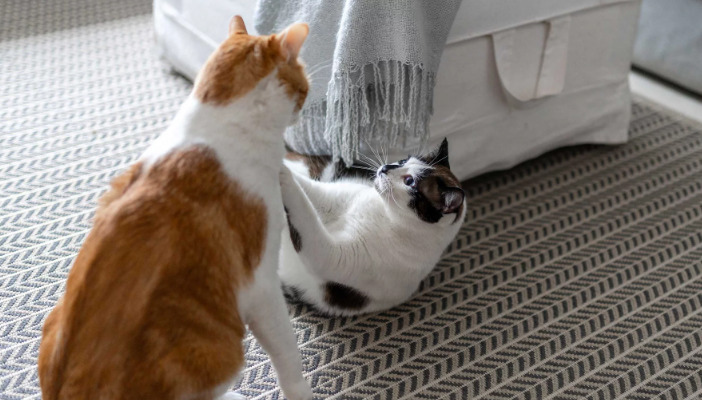
Socialization Choices: Let newly adopted or fostered cats acclimate slowly. Monitor group dynamics in multi-cat homes to reduce bullying and anxiety.
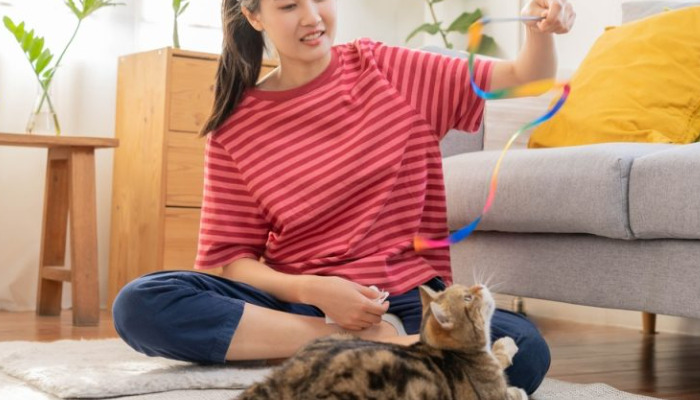
Enrichment Activities: Puzzle feeders, interactive toys, and gentle grooming provide mental stimulation, decreasing boredom and stress.
Nutrition and Supplementation: Feed high-quality, balanced diets suited to the cat’s life stage. Consider supplements suggested by veterinarians, such as omega-3 fatty acids or probiotics, to support immune function.
Focus Area 3: Early Detection, Testing, and Responsible Breeding
Modern feline medicine empowers owners to take a proactive approach with diagnostic testing and genetic analysis:
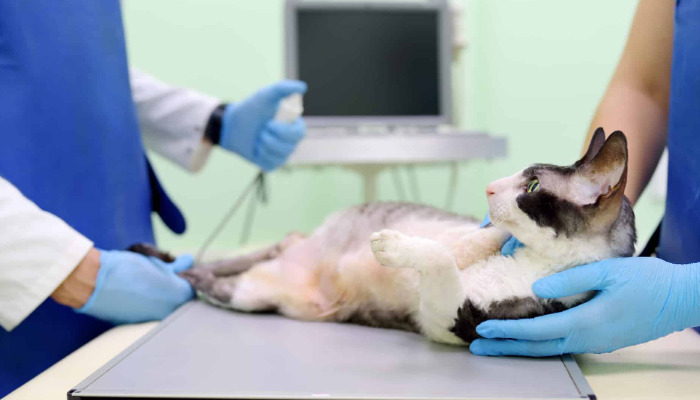
Routine Health Checks: Annual vet visits and periodic blood work help detect subtle health changes before they progress.
Coronavirus Screening: In multi-cat households or catteries, test cats for FCoV status, and manage positive cases with extra vigilance.
Responsible Breeding: Breeders can minimize FIP risk by selecting parent cats from lines with low FIP incidence, maintaining small colonies, and avoiding early weaning. Genetic predispositions to FIP mutation are being studied, allowing more informed choices.
Focus Area 4: Vaccination and Emerging Therapies
FIP prevention once appeared unattainable due to limited medical options. However, advancements are slowly changing the landscape:
FIP Vaccines: While an FIP vaccine exists, its effectiveness and use remain controversial in the veterinary community, especially in the U.S. Owners should consult their vet for current recommendations, particularly regarding high-risk environments.
Antiviral Research: The emergence of new antivirals (GS-441524, for instance) has demonstrated the medical community’s increasing capacity to treat active FIP cases. However, their role in prevention is still under review.
Public Health Responses: Owners staying informed about new treatments and participating in clinical trials can help further the understanding and management of FIP.
Focus Area 5: Education and Community Awareness
Individual efforts matter, but community-wide practices profoundly impact disease rates:
Owner Education: Familiarize yourself with FIP symptoms—such as lethargy, weight loss, fever, and abdominal swelling—and act promptly if these arise.
Veterinary Partnerships: Build strong relationships with feline-savvy veterinarians. Their experience and diagnostic skills can expedite appropriate care.
Cattery Standards: Collaborate with breeders who uphold transparency in health status and employ sound management practices.
Cat Rescue Coordination: Shelters and rescues ought to minimize intake crowding, screen for FCoV, and openly discuss FIP risk with adopters.
Focus Area 6: Myth Busting and Reliable Information Sources
Sorting fact from fiction is essential in FIP prevention:
Understand Viral Transmission: FIP itself is not contagious between cats; the benign coronavirus is. Suspicion of FIP should not trigger unwarranted isolation of affected cats.
Critical Online Resources: Reference peer-reviewed articles, veterinary college websites (such as Cornell University’s FIP resources), and engage in forums monitored by experts.
Dispelling Misinformation: Avoid home remedies without veterinary oversight. Never delay diagnosis or treatment due to anecdotal advice.
Focus Area 7: Practical Steps for Multi-Cat Owners
Households with several cats face higher FCoV transmission risk. Key practices include:
Limit Group Sizes: Fewer cats per household lowers transmission chances.
Quarantine Procedures for New Arrivals: Isolate new or fostered cats for two weeks, while monitoring health status.
Separate Litter Boxes: One box per cat plus an extra encourages hygiene and minimizes stress.
Monitor for Stress Behaviors: Watch for hiding, aggression, over-grooming, or appetite changes that may precede illness.
Focus Area 8: Future Directions and Veterinary Collaboration
The FIP story continues to evolve. Cat owners play a critical role alongside veterinarians and researchers:
Keep Records: Track health incidents, environmental changes, and vaccination status.
Contribute to Research: Clinical trials, surveys, and sample submissions further new treatments and diagnostic tests.
Advocate for Cat Health: Promote local discussions, sponsor educational events, and collaborate with rescue groups and catteries.
References
1. Pedersen NC. A review of feline infectious peritonitis virus infection: 1963-2008. J Feline Med Surg. 2009;11(4):225-258.
2. Addie DD, Hosie MJ. Feline coronavirus infections. In: Greene CE, editor. Infectious Diseases of the Dog and Cat. 4th ed. Saunders; 2012. p. 92-108.
3. American Association of Feline Practitioners (AAFP). FIP Guidelines. [https://catvets.com/](https://catvets.com/)
4. Scott FW, Geissinger CM. Long-term study of feline coronaviruses and FIP in multiple-cat environments. Vet Microbiol. 1999;69(1-2):33-45.
5. Dempsey SM, Ewing PJ. Feline infectious peritonitis: diagnostic dilemmas and therapeutic advances. J Am Anim Hosp Assoc. 2011;47(6):370-379.
6. Cornell Feline Health Center. Feline Infectious Peritonitis (FIP). [https://www.vet.cornell.edu/departments-centers-and-institutes/cornell-feline-health-center/health-information/feline-health-topics/feline-infectious-peritonitis](https://www.vet.cornell.edu/departments-centers-and-institutes/cornell-feline-health-center/health-information/feline-health-topics/feline-infectious-peritonitis)
7. Drechsler Y, Allen KE, Forterre S, et al. Feline infectious peritonitis: role of the feline coronavirus spike gene mutations in pathogenesis. Vet Pathol. 2011;48(5):1075-1086.
8. Vennema H, Poland A, Foley J, Pedersen NC. Feline infectious peritonitis viruses arise by mutation from endemic feline enteric coronaviruses. Virology. 1998 May 10;243(1):150-157.
9. Kipar A, Meli ML. Feline infectious peritonitis: still an enigma? Vet Pathol. 2014 Jan;51(2):505-526.
10. Tasker S. Diagnosis and management of feline coronavirus infection. In Practice. 2010;32(1):2-6.