Why Owner Patience Matters in FIP Management
Feline Infectious Peritonitis (FIP) is a complex, devastating disease affecting cats worldwide. Understanding its management—especially the role of owner patience—is crucial to improve outcomes for affected cats. This article explores how patience impacts the care process and highlights strategies owners can use to support their cats through treatment. Drawing on current clinical research, veterinary guidelines, and the lived experiences of cat owners, this exploration aims to provide an in-depth perspective suitable for cat guardians, veterinarians, and enthusiasts.
Understanding FIP
FIP is caused by a mutated strain of feline coronavirus (FCoV). While most FCoV infections remain asymptomatic, certain factors, such as genetic predisposition and immune status, may trigger the mutation to FIP, resulting in a severe, often fatal disease. It typically occurs in cats younger than two years old but can affect older cats as well. FIP manifests in two main forms: effusive (wet), which involves fluid buildup in body cavities, and non-effusive (dry), which triggers granulomatous changes in organs without fluid accumulation. Clinical signs are often nonspecific and may include fever, weight loss, poor appetite, lethargy, and abdominal distension.
Diagnostic Challenges
The diagnosis of FIP presents significant challenges to veterinarians and cat owners alike. No single test can confirm FIP with absolute certainty; diagnosis is usually based on a combination of clinical signs, history, blood tests, and advanced imaging. Sometimes, biopsies or immunological tests are utilized. The varied presentation of FIP and the absence of a straightforward diagnostic tool mean that owners are often faced with uncertainty and must navigate repeated vet visits, comprehensive laboratory workups, and emotional stress. This period of ambiguity demands resilience and patience on the part of the owner, as quick answers are rarely possible.
Recent Advances in Treatment
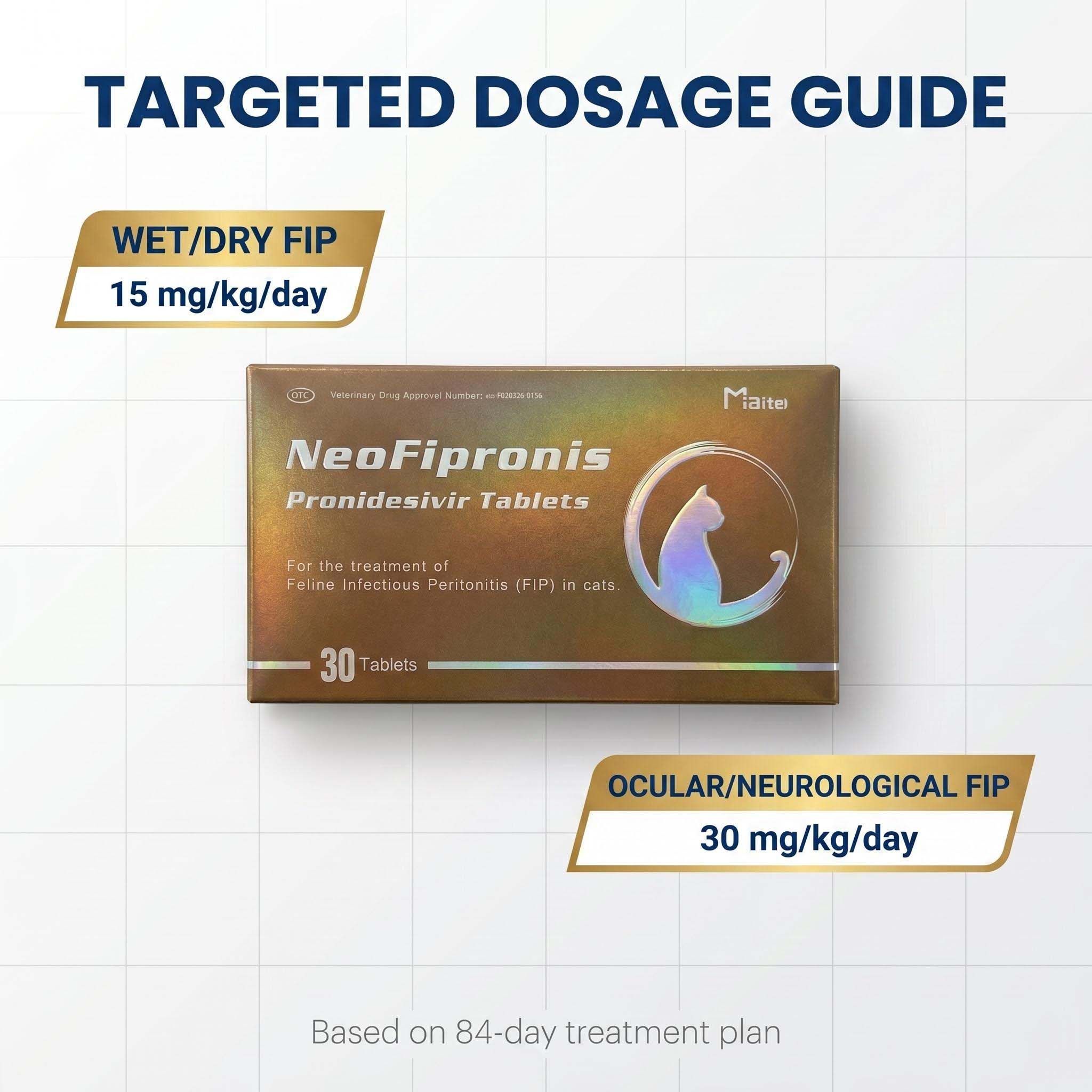
Historically, FIP was regarded as inevitably fatal, with supportive care as the only option. However, developments in antiviral treatments, particularly nucleoside analogs such as GS-441524, have radically changed the landscape. These drugs inhibit viral replication, offering the potential for remission and meaningful extension of life. Access to such treatments can be fraught with regulatory and ethical hurdles, requiring owners to be proactive, diligent, and—most importantly—patient. The treatment protocols themselves are demanding, typically involving daily oral or injectable medication for weeks or months, with close monitoring for side effects and efficacy.
The Importance of Owner Patience
Patience is a central pillar in successful FIP management. This attribute significantly influences every aspect of the care process: from initial diagnosis to treatment, monitoring, recovery, and long-term well-being. Several key areas demonstrate why patience matters:
Navigating the Diagnostic Odyssey
Owners may need to wait through weeks of uncertainty while vets seek to rule out other conditions, interpret complex test results, and build a clinical picture. Rash decisions at this stage, such as giving up on a tentative diagnosis or refusing further testing, can jeopardize the cat’s prognosis. Patience allows owners to work collaboratively with veterinarians, providing vital updates on symptoms and ensuring the diagnostic process is thorough and informed.
Commitment to Prolonged Treatment
FIP antiviral therapy requires daily administration over an extended period—often between 84 and 112 days. Owners must sustain this commitment, even as challenges such as missed doses, adverse reactions, or fluctuating costs arise. Cats receiving therapy may experience initial setbacks, such as transient fever or lethargy, discouraging caregivers. With steady patience, owners can resist the urge to discontinue treatment prematurely, instead offering continuous support that maximizes the chance of remission.
Tracking and Responding to Progress
As the cat completes treatment, progress may be slow or inconsistent. Some days, improvement is dramatic; on others, symptoms linger. It can be tempting to assume that the treatment is failing or that relapse is imminent. However, longitudinal studies and expert observations underscore that variability in response is normal. Patient owners can record daily logs of appetite, behavior, and physical changes, sharing these with their veterinary team to guide adjustments in therapy. Regular follow-up blood work is vital, as certain markers (elevated globulin levels, anemia, organ enzymes) can take time to normalize during remission.
Building Emotional Resilience
Supporting a cat through FIP is emotionally taxing. Owners face fear, uncertainty, financial strain, and the distress of witnessing their companion suffer. Patient guardians who seek emotional support—either through online communities, professional counseling, or veterinary social workers—are better equipped to sustain the rigorous care their cat needs. Patience allows space for hope, adaptation, and ultimately, recovery.
Avoiding Impulsive Decision-Making
In moments of crisis, some owners may opt for euthanasia or alternative therapies based on anecdotal advice, desperation, or misinformation. Veterinary professionals consistently advise that measured decisions, rooted in evidence and bolstered by patience, offer the best chance for favorable outcomes. This measured approach should extend to evaluating treatment side effects, changes in the cat’s symptoms, or considering additional diagnostic tests. Patience here means gathering complete information and allowing appropriate timeframes for interventions to work.
Engaging with the Veterinary Team
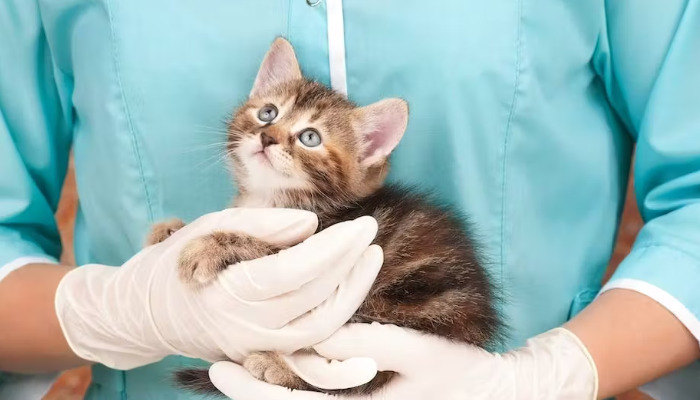
Cats with FIP require continuous veterinary oversight. Owners who are patient often foster better communication with the vet, ask pertinent questions, attend scheduled checkups, and promptly report subtle changes in the cat’s condition. This collaboration can catch complications early—for example, drug toxicity, relapses, or secondary infections—thereby improving survival odds.
Financial and Practical Considerations
Treatment for FIP can be expensive, running into thousands of dollars for medication, diagnostics, and follow-up care. Owners may need to budget, seek financial assistance, or explore medication access through legitimate channels. Patience supports sustained resource management, encouraging owners to plan ahead for the full length of treatment rather than making abrupt decisions due to immediate financial stress. By seeking help slowly and methodically (from charities, crowdfunding, or payment plans), owners can avoid burnout and ensure care continuity.
Support Networks
Many owners find hope and strength through online support groups and communities for FIP caregivers. These groups share success stories, offer advice, and provide emotional reinforcement. Patience is a common theme in such communities; members encourage one another to “trust the process” and understand that every cat’s recovery unfolds on a unique timeline. Peer support reinforces the value of patient caregiving, offering practical encouragement in managing setbacks and celebrating progress.
Preparing for Recovery and Long-Term Care
For cats who survive FIP treatment, patience is just as vital during the recovery period. Some cats take months to regain full health, and careful observation remains necessary to monitor for relapse. Owners should maintain regular vet appointments and keep detailed logs of symptoms, appetite, and weight. Interventions—such as immune support, specialized feeding, or gradual return to physical activity—require careful pacing and thoughtful adjustments.
Promoting Research and Education
Owners who exercise patience not only benefit their own cats but also contribute valuable data to the broader FIP research community. By providing feedback, sharing their cat’s progress, and participating in research studies, patient owners help refine future treatment protocols and expand available knowledge. Veterinary researchers have repeatedly cited owner persistence as a defining factor in successful long-term outcomes and extended remissions.
Case Examples
Molly, a 1.5-year-old domestic shorthair, was diagnosed with effusive FIP. Her owner spent three weeks coordinating with specialists, awaiting test results, and sourcing medication. Daily injections continued for 90 days, with side effects (appetite changes, mild fever) managed through regular updates to the veterinary team. Molly’s slow recovery required persistent monitoring, but patience enabled the owner to avoid premature therapy cessation, ultimately leading to Molly’s remission.
Jasper, a three-year-old Maine Coon, exhibited non-effusive FIP and responded poorly for the first month of antiviral therapy. Patient adherence to the full treatment duration, regular vet collaboration, and engagement in online support communities helped his owner navigate setbacks. Jasper eventually regained appetite and energy, demonstrating the impact of sustained patience on outcome.
Empowering Owners
Education and patience go hand in hand—empowered owners are more likely to remain committed throughout diagnosis, treatment, and recovery. Reliable information from veterinarians, published guidelines, and support networks help owners understand the recovery timeline, set realistic expectations, and avoid undue stress. Key empowerment strategies include:
Maintaining diligent records of all medical interactions, symptoms, and changes.
Seeking clarification from veterinary professionals when uncertainties arise.
Connecting with experienced FIP caregivers for practical tips and encouragement.
Understanding the nuances of antiviral therapy, including dosing, administration, and common side effects.
Mitigating Common Pitfalls
Impatience can lead to avoidable setbacks: missed doses, abrupt treatment cessation, overreliance on anecdotal therapies, or premature euthanasia. Owners may also neglect to report subtle clinical changes, losing the opportunity for timely intervention. Vigilant, patient adherence to medical guidance greatly reduces these risks and supports the best possible chance for their cat’s survival.
Creating a Patient-Friendly Environment
Owners can further cultivate patience by:
Setting realistic daily goals for administering medication.
Creating a calm, stress-free home for the recuperating cat.
Celebrating incremental improvements instead of only seeking dramatic changes.
Involving family members and trusted friends in care efforts, sharing responsibilities, and emotional support.
Veterinary Perspective
Veterinarians consistently advocate patience as central to successful FIP care. Guidance from leading feline practitioners—and published research—repeatedly shows that rushed decisions, incomplete treatments, and lack of follow-up undermine chances of remission. Clinics offering integrative care (medical, emotional, financial) report higher rates of positive outcomes among patient, engaged owners.
Long-Term Impact
Recent studies demonstrate that disciplined adherence to lengthy FIP treatment protocols correlates strongly with remission rates and long-term survival. Cats whose owners exercise patience—resisting the temptation to deviate from established therapies—are more likely to return to full health. These findings highlight patience as one of the few owner-controlled variables with proven clinical significance.
Conclusion
Successful FIP management requires not only medical innovation and veterinary expertise but also the steady, patient involvement of dedicated owners. Patience underlies every stage of care, from ambiguous diagnosis to prolonged therapy, follow-up, and recovery. Owners who cultivate patience—by gathering reliable information, maintaining close communication with veterinarians, utilizing support networks, and caring for their emotional well-being—make a decisive difference in the lives of cats facing FIP. The ongoing evolution of treatment options means patience will remain an indispensable resource in the fight against this challenging disease.
References
Pedersen NC, “An update on feline infectious peritonitis: pathogenesis and therapeutics,” Veterinary Journal
Kipar A, Meli ML, “Feline infectious peritonitis: still an enigma?” Veterinary Pathology
Addie D, “Feline coronavirus infections,” in Infectious Diseases of the Dog and Cat, Elsevier
Dickenson PJ et al., “Antiviral treatment in cats with FIP,” Journal of Feline Medicine and Surgery
Hartmann K, “Feline infectious peritonitis: recent advances and clinical outcomes,” Veterinary Clinics of North America: Small Animal Practice
Izes AM et al., “Nucleoside analogues for the treatment of feline infectious peritonitis: current status and future directions,” Frontiers in Veterinary Science
Giori L et al., “Diagnostic challenges in feline infectious peritonitis,” Journal of Veterinary Diagnostic Investigation
American Association of Feline Practitioners (AAFP) Feline Infectious Peritonitis Guidelines
Murphy BG et al., “Clinical efficacy of GS-441524 for treatment of feline infectious peritonitis,” Journal of Veterinary Internal Medicine
FIP Warriors Support Network, “Real-life stories of FIP recovery”