What Early Signs Should Raise Concern About FIP Risk
Understanding FIP and Its Silent Threats
Feline infectious peritonitis (FIP) remains one of the most feared viral diseases for cat owners and veterinarians alike. Caused by a mutation of feline coronavirus (FCoV), FIP develops when the virus triggers an abnormal immune response inside the cat’s body, leading to severe, life-threatening inflammation. Since it is not always easy to distinguish between benign and deadly forms of coronavirus infection, early detection of warning signs is crucial for timely intervention—and potentially, life-saving treatments.
How Does FIP Develop?
Not all cats exposed to feline coronavirus will develop FIP. Most cats will experience mild, self-limiting symptoms or remain asymptomatic. However, in a small percentage—often young kittens, immunocompromised, or stressed cats—the virus undergoes a genetic change, transforms itself, and invades immune cells. These cells then infiltrate various organs, causing the characteristic inflammation and fluid build-up associated with FIP. Recognizing which cats are at risk—and what symptoms should trigger concern—can make a critical difference.
Core Risk Factors for FIP Development
Certain cats are more susceptible to the mutated form of FCoV:
Age: Kittens (<2 years) are most often affected, particularly between 6 months and 2 years.
Breed: Purebreds, such as Bengals, Ragdolls, and Abyssinians, appear more vulnerable.
Environment: Overcrowded shelters, catteries, or multi-cat households increase infection and mutation risk.
Stress Factors: Recent surgery, rehoming, or other sources of stress can impair immune defenses, making cats more likely to develop FIP.
Immunocompromised Cats: Those with other illnesses (FeLV, FIV) or weakened immune systems may be at higher risk.
Knowing these risk factors is crucial in determining which cats should be monitored closely for early warning symptoms.
Early Warning Signs: What to Watch For
FIP can manifest in two distinct forms: the “wet” (effusive) and “dry” (non-effusive) types. Both forms share some initial symptoms, which can be subtle, nonspecific, and easily mistaken for minor health issues. Key early signs to raise alarm include:
Persistent Fever: Most owners miss this at first. cats run a temperature that doesn’t respond to antibiotics, usually between 103–106°F (39.5–41°C).
Lethargy and Reduced Activity: Cats become less interested in playing, sleeping more, or simply “not acting right.”
Loss of Appetite: Even previously healthy eaters may suddenly refuse food, lose weight, or seem uninterested in treats.
Weight Loss: Owners may first notice bones protruding, loose skin, or muscle wasting around the spine and pelvis.
Stunted Growth (Kittens): Young cats stop growing or decline physically, lagging behind littermates.
Intermittent Vomiting or Diarrhea: Not always present, but chronic gastrointestinal symptoms can signal abnormal inflammation.
Owners often overlook these symptoms or attribute them to stress, parasites, or a minor illness, but persistence—especially in high-risk cats—should prompt a veterinary visit.
Progressive “Wet” FIP Signs: Fluid-Related Red Flags
As the disease develops, the wet form is characterized by fluid accumulation in the abdomen or chest:
Distended Abdomen: A visible “pot belly”—most noticeable when the cat stands or walks.
Labored Breathing: Fluid around the lungs causes rapid or shallow breathing; some cats may pant or stretch their neck for air.
Muffled Heart/Lung Sounds: Veterinarians may detect diminished heart or lung sounds on physical exam due to fluid buildup.
Sudden Weight Gain: Paradoxically, a cat losing muscle appears “heavier” due to accumulating fluid.
This accumulation of fluid is often straw-colored and viscous. Sometimes, owners may notice a bulging side or prominent veins in the abdominal skin. Cats may become increasingly inactive and lose interest in their environment.
“Dry” FIP: Hidden Dangers and Subtle Clues
Dry FIP is more challenging to recognize. Instead of fluid accumulation, cats develop small nodules or granulomas in various organs:
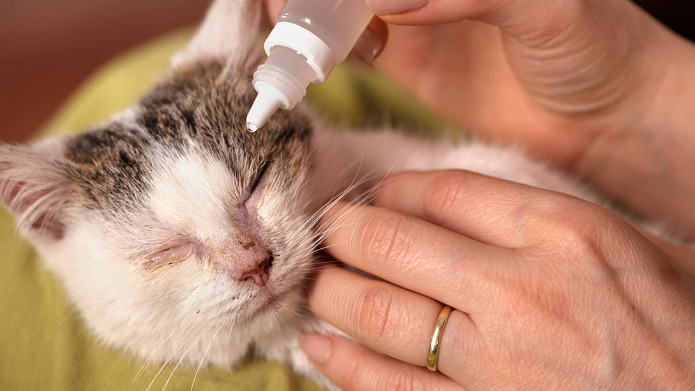
Eye Changes: Sudden haziness, discoloration, or irregular pupils. Owners might see squinting, redness, or unusual tears.
Neurological Symptoms: Strange walking patterns, stumbling, seizures, or head tilts can occur as the disease infiltrates the brain.
Persistent Jaundice: Yellowing of gums, inside of ears, or the whites of the eyes may point to liver involvement.
Swollen Lymph Nodes: Hard or tender lumps beneath the jaw or in the “armpit” area.
Unexplained Anemia: Pale gums and listlessness, despite adequate eating.
Because these symptoms progress insidiously, dry FIP often goes undiagnosed until organ damage is advanced.
Behavioral Changes and Unusual Signs
Sometimes, the earliest warning comes not from physical symptoms, but a cat’s altered behavior:
Withdrawal: Cats avoid family or other pets; hide in unusual locations.
Reluctance to Jump or Play: Joint or abdominal pain may make normal movement difficult.
Changes in Grooming: Overgrooming or completely neglecting personal hygiene.
Vocalization: Increased meowing, crying, or other vocal behaviors may signal distress.
Monitoring social and activity changes—especially in previously outgoing or playful cats—is important in early detection.
When Should You Suspect FIP?
While FIP is a diagnosis of exclusion (meaning other causes are ruled out first), combinations of high-risk factors and persistent, abnormal symptoms always warrant concern. Suspect FIP if:
A young, purebred, or shelter cat develops fever, persistent lethargy, and weight loss that doesn’t respond to routine treatments.
Abdominal swelling, breathing difficulties, or neurologic problems appear without clear cause.
Bloodwork reveals severe, non-regenerative anemia; elevated globulin levels; abnormal liver values; or low albumin.
Rapid progression—often within a few weeks—means prompt evaluation by a veterinarian is essential.
Diagnostic Steps if FIP is Suspected
Once FIP is suspected, veterinarians may pursue a combination of tools to confirm or rule out the disease:
Comprehensive Physical Exam: Careful evaluation of organ systems, listening for fluid sounds, and feeling for lumps or masses.
Blood Tests: CBC and chemistry screens often reveal anemia, high protein levels, and indicators of inflammation.
Imaging: Ultrasound or X-rays may highlight fluid accumulations, organ enlargement, or hidden lesions.
Fluid Analysis: In wet FIP, drawing and analyzing the abdominal or chest fluid can confirm straw-colored, sticky exudate typical of FIP.
PCR Testing: Genetic tests detect mutated FCoV in blood or tissue, though false positives and negatives occur.
No single test is 100% conclusive, but a combination of findings in a symptomatic, high-risk cat builds a strong case for treatment.
How Can Owners Lower FIP Risk?
Preventing FIP is often about managing environment and stress:
Reduce Overcrowding: Keep cat numbers manageable in homes and shelters.
Practice Excellent Hygiene: Frequent litter box cleaning and minimizing cross-contamination (not sharing dishes, bedding).
Limit Stress: Avoid rapid changes in environment, schedule, or routine.
Promote Good Health: Regular vet checkups, vaccination schedules, parasite control, and excellent nutrition.
Separate Vulnerable Cats: Especially kittens, avoid mixing with high-risk groups during times of stress (after surgery, adoption).
Although vaccination for FIP exists, its efficacy is controversial and rarely used in the United States. Most FIP prevention focuses on limiting coronavirus exposure and mutation.
Proactive Monitoring: Your Best Defense
Cats most at risk for FIP should be monitored regularly—not just for classic illness signs, but for subtle changes in growth, behavior, and appetite. Keeping accurate records, noticing trends (not just isolated events), and advocating for prompt veterinary attention significantly improve outcomes. Alertness and education remain the best tools for recognizing this elusive and dangerous disease.
References
1. Pedersen, N. C. "A review of feline infectious peritonitis virus infection: 1963–2008." Journal of Feline Medicine and Surgery, vol. 11, no. 4, 2009, pp. 225–258.
2. Hartmann, K. "Feline infectious peritonitis." Veterinary Clinics of North America: Small Animal Practice, vol. 35, no. 2, 2005, pp. 39–79.
3. Kipar, A., and M. Meli. "Feline infectious peritonitis: still an enigma?" Veterinary Pathology, vol. 51, 2014, pp. 505–526.
4. Addie, D. D., et al. "Feline coronavirus infections: ABCD guidelines on prevention and management." Journal of Feline Medicine and Surgery, vol. 11, 2009, pp. 600–608.
5. Hosie, M. J., et al. "Feline infectious peritonitis: diagnosis and management." Veterinary Record, vol. 178, 2016, pp. 150–152.
6. Tasker, S. "Diagnosis of feline infectious peritonitis: Update on evidence supporting available tests." Journal of Feline Medicine and Surgery, vol. 20, 2018, pp. 228–243.
7. Cave, T. A., et al. "Risk factors for feline coronavirus seropositivity in cats in the United Kingdom." Journal of Feline Medicine and Surgery, vol. 6, no. 2, 2004, pp. 105–110.
8. Barker, E. N., et al. "Feline coronavirus infection as a risk factor for FIP in cats." The Veterinary Journal, vol. 168, no. 2, 2004, pp. 225–227.