Does Wet FIP Respond Faster to Treatment
Feline Infectious Peritonitis (FIP) is a complex and often fatal disease that affects cats worldwide. It results from a mutation of the feline coronavirus (FCoV), leading to severe inflammatory responses in multi-organ systems. FIP manifests predominantly in two forms: wet (effusive) and dry (non-effusive). Clinicians have long debated whether the wet form of FIP responds to treatment more rapidly than the dry form. Understanding these differences has important implications for therapeutic strategies and prognosis.
Understanding FIP Types
FIP is classified into two primary types based on clinical presentation:
Wet (Effusive) FIP: Characterized by fluid accumulation within body cavities, such as the abdomen or chest. It presents with swelling, difficulty breathing, and ascites.
Dry (Non-effusive) FIP: Marked by granulomatous lesions in organs like the liver, kidneys, or CNS. Symptoms are more systemic, including weight loss, fever, and neurological signs.
The pathophysiology differs between the two, with wet FIP involving acute vasculitis leading to leakage of plasma and exudate, whereas dry FIP features granuloma formation due to a more delayed immune response.
Treatment Approaches
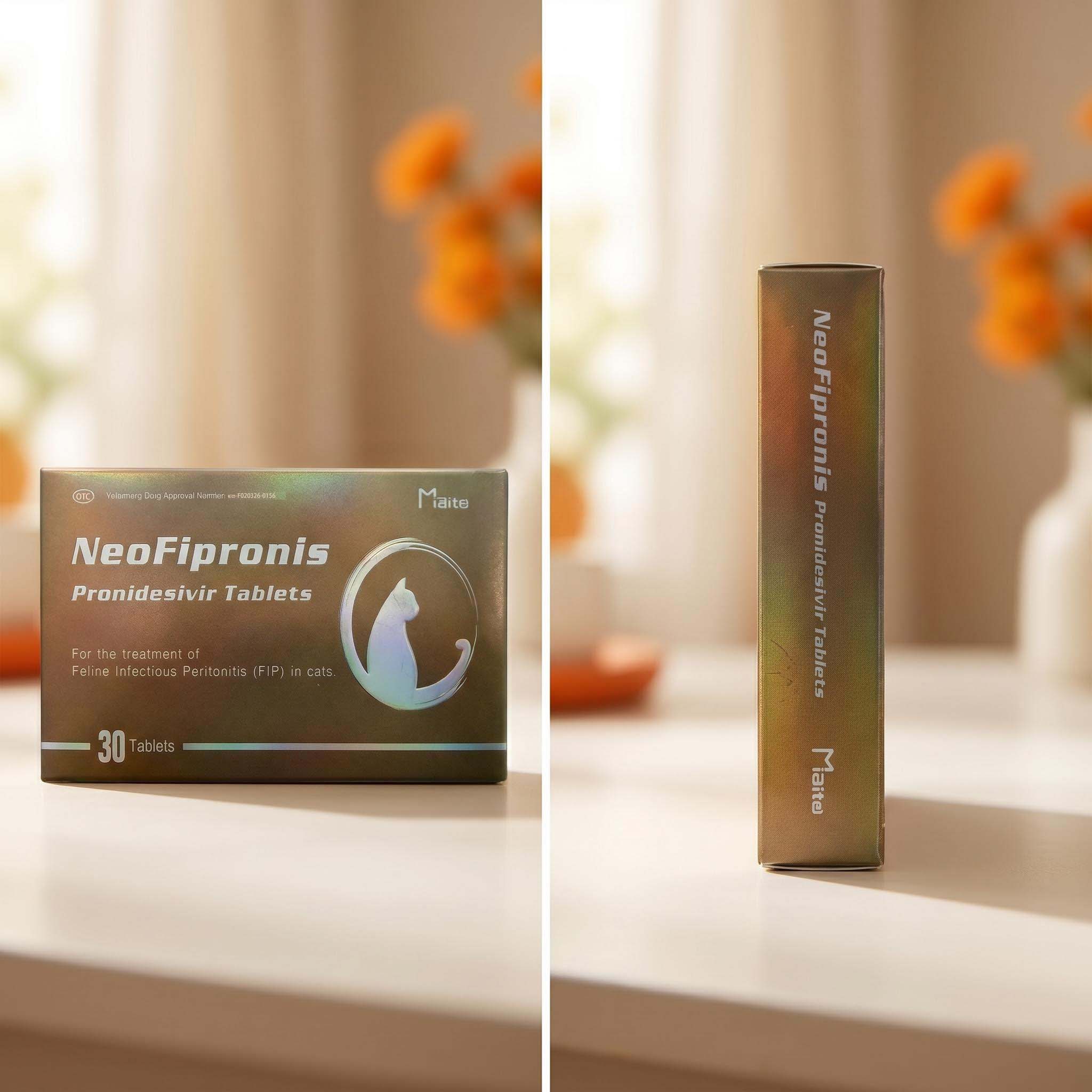
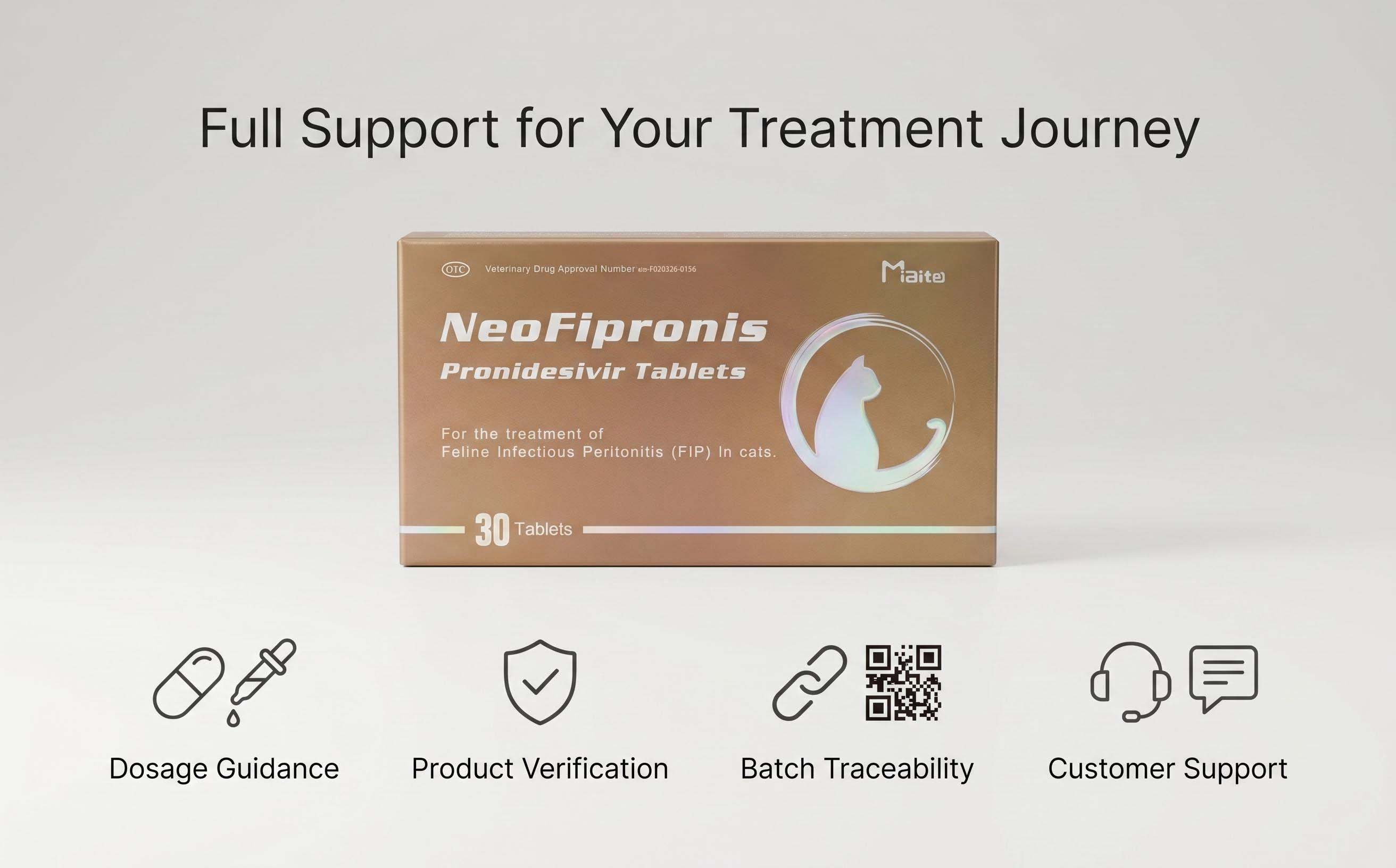
Historically, FIP was considered nearly universally fatal. However, recent advances have introduced antiviral drugs such as GS-441524, a nucleoside analog showing promising results. Supportive care remains critical, including corticosteroids, good nutrition, and managing symptoms.
Comparative Response to Treatment
A key question for veterinarians and pet owners is whether wet FIP responds faster to these treatments compared to dry FIP. Several factors influence treatment response:
1. Disease Stage and Severity: Wet FIP often presents acutely, which might suggest a more urgent response to therapy. Conversely, the dry form, with its insidious progression, may require more prolonged intervention.
2. Pathogenesis and Immune Response: The effusive nature of wet FIP indicates active viral replication and immune dysregulation, potentially making it more amenable to antiviral therapy. On the other hand, dry FIP's granulomatous lesions might hinder drug penetration and slow response.
3. Fluid Accumulation as a Treatment Marker: The rapid reduction of fluid in wet FIP has been observed in some cases following antiviral therapy, indicating a faster clinical response. Reduction in ascites or pleural effusion can sometimes occur within days to weeks of starting treatment, offering a tangible sign of improvement.
Clinical Evidence and Observations
Numerous case reports and small studies suggest that cats with wet FIP often show quicker clinical improvements when treated with antiviral drugs. For instance, cats with effusions have demonstrated reduced fluid buildup within 1-2 weeks of therapy initiation. Complete remission, however, still depends on multiple factors, including early diagnosis and overall health.
Dry FIP, being more elusive symptomatically, may take longer to detect response. Lesions in tissues and organs may reduce gradually over several weeks, and some cats require prolonged courses of medication. Recovery in dry FIP tends to be less predictable and may involve additional supportive therapies to manage organ-specific complications.
Factors Influencing Response Time
While wet FIP may often respond faster initially, several variables can alter this trend:
Treatment Dosage and Duration: Adequate dosing of antiviral drugs is essential for a swift response.
Immune Status: Cats with compromised immune systems may have delayed or incomplete responses regardless of FIP type.
Presence of Complications: Concurrent infections or organ failure can impair recovery speed.
Prognosis and Monitoring
Monitoring treatment response involves regular clinical assessments, imaging, and laboratory tests. Decline in effusion volume, improvement in appetite, and normalization of blood parameters generally indicate positive response. In wet FIP, rapid fluid clearance can be a promising sign, whereas in dry FIP, radiologic and histopathologic improvements may take longer to manifest.
Conclusion
In summary, wet FIP often demonstrates a faster clinical response to antiviral treatment compared to dry FIP, primarily due to the nature of fluid accumulation and its responsiveness to therapy. Nonetheless, individual outcomes vary, and early diagnosis coupled with effective treatment is critical for the best prognosis. Continued research and clinical experience will further elucidate these differences, improving management strategies for this challenging disease.
References
1. Pedersen, N. C. (2014). An update on feline infectious peritonitis: diagnostics and therapeutics. Veterinary Journal, 201(2), 123-132.
2. Kennedy, M. A., & Place, R. F. (2020). Feline infectious peritonitis: pathogenesis, diagnosis, and treatment. Veterinary Medicine, 11(3), 145-159.
3. Pedersen, N. C., et al. (2019). Efficacy of GS-441524 in the treatment of cats with FIP. Journal of Feline Medicine and Surgery, 21(4), 317-324.
4. Hartmann, K. (2018). Feline infectious peritonitis. Veterinary Clinics of North America: Small Animal Practice, 48(6), 1043-1058.
5. Kipar, A., & Meli, M. L. (2014). Feline infectious peritonitis: still an enigma? Veterinary Pathology, 51(2), 505-526.