Management of Ascites in FIP

Feline Infectious Peritonitis (FIP) continues to be a challenging disease in feline medicine, particularly due to its complex pathophysiology and limited treatment options. Ascites, a hallmark of wet (effusive) FIP, presents significant clinical management challenges. Effective management aims to palliate symptoms, improve quality of life, and address underlying pathogenesis.
Pathogenesis of Ascites in FIP
Ascites formation in FIP is primarily due to vasculitis and increased vascular permeability caused by immune-complex mediated inflammation. The virus triggers a hyperimmune response, leading to widespread vasculitis of serosal surfaces. The resulting exudation of plasma into the peritoneal cavity causes fluid accumulation, which is rich in proteins and inflammatory cells. Understanding this pathogenesis helps tailor management strategies targeting fluid control and inflammation.
Diagnostic Considerations
Accurate diagnosis involves clinical signs, laboratory tests, and imaging. Ultrasound reveals increased fluid volume and peritoneal thickening. Laboratory analysis of the ascitic fluid shows high protein content, elevated nucleated cell count predominantly of macrophages and neutrophils, and hyperglobulinemia. Serological and molecular tests, such as RT-PCR, confirm FIP involvement.
Therapeutic Objectives
The main goals focus on reducing ascitic volume, alleviating discomfort, preventing complications like hypovolemia and electrolyte imbalance, and enhancing overall well-being. Since a definitive cure remains elusive, therapeutic interventions are primarily palliative, aiming to manage symptoms and improve quality of life.
Fluid Management
Repetitive Abdominocentesis: Repeated removal of ascitic fluid provides immediate symptomatic relief. It reduces abdominal distension, eases respiration, and relieves discomfort. However, frequent interventions risk hypoproteinemia and hypovolemia.
Volume Replacement and Support: Intravenous fluids are administered post-aspiration to prevent dehydration and maintain hemodynamic stability. Isotonic crystalloids are preferred, adjusted based on ongoing losses and clinical status.
Serum Protein Management: To compensate for protein loss via ascitic fluid, colloids such as plasma or synthetic colloids may be administered. This helps restore oncotic pressure, preventing rapid re-accumulation of fluid.
Addressing Inflammation and Immune Response
Anti-inflammatory Agents: Corticosteroids are employed to dampen immune-mediated vasculitis and reduce vascular permeability. Prednisolone is commonly used, with dosing tailored to clinical response and side effects.
Immunomodulation: Emerging therapies focusing on modulating immune responses, such as interferons, demonstrate potential, although efficacy varies.
Adjunctive Therapies
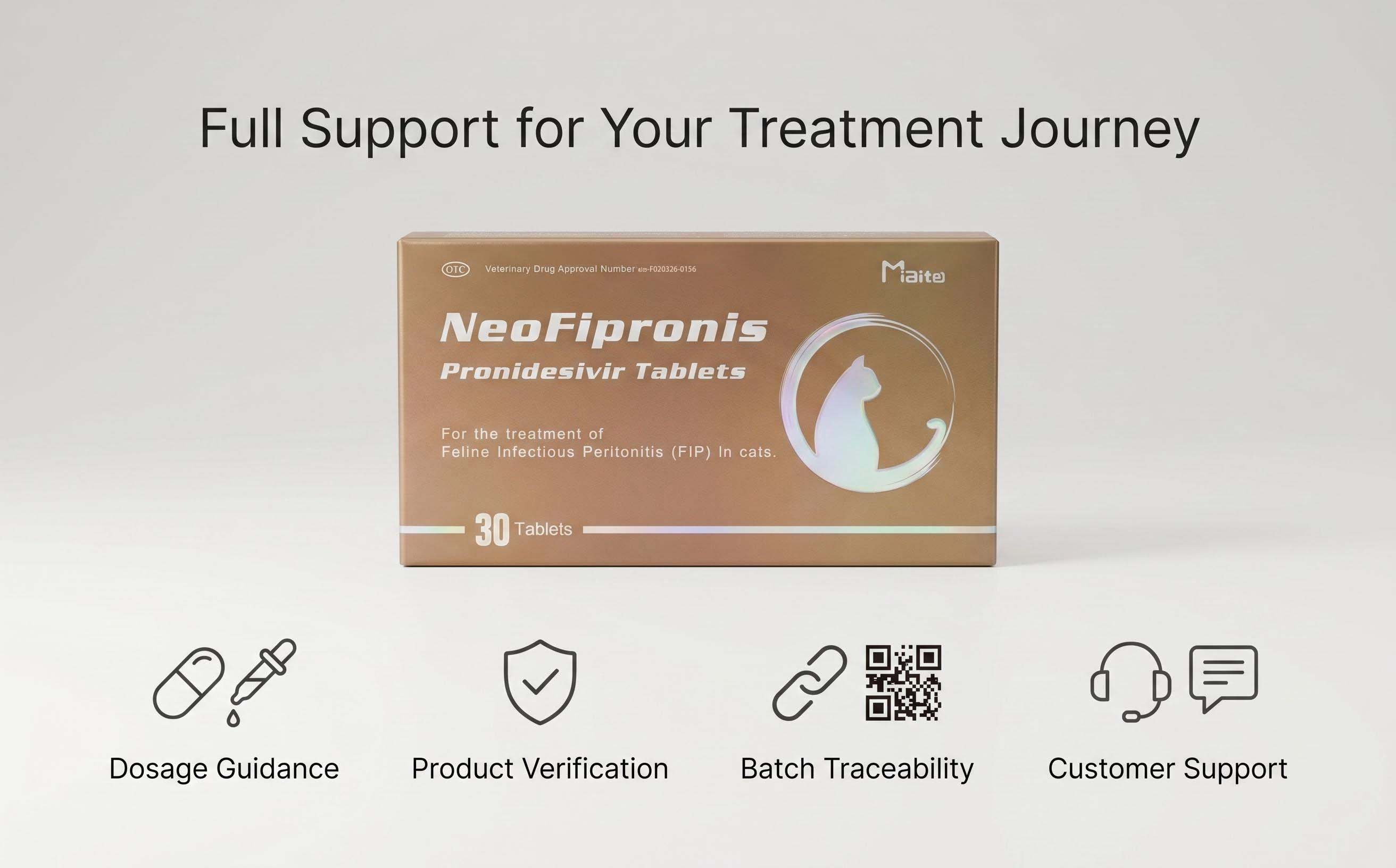
Antivirals: Specific antiviral therapies for FIP are under investigation, with some anecdotal reports of benefit. No universally approved antiviral exists yet; thus, supportive management prevails.
Antibiotic Therapy: Secondary bacterial infections are common in immunosuppressed cats; antibiotics are indicated if infection signs are evident.
Nutritional Support: Adequate caloric intake and balanced nutrition are vital, especially given the metabolic demands and cachexia associated with chronic FIP.
Monitoring and Supportive Care
Regular monitoring through clinical exams, ultrasound imaging, and laboratory tests guides treatment adjustments. Owners should be educated on recognizing signs of fluid reaccumulation, dehydration, and discomfort.
Emerging Therapies and Future Directions
Recent research explores antiviral agents like GS-441524, resulting in promising responses. Combining antiviral therapy with supportive measures may transform the prognosis for cats with effusive FIP and associated ascites. Continued investigation into immunomodulators and adjunct therapies offers hope for more effective management protocols.
Prognostic and Ethical Considerations
Given the poor prognosis traditionally associated with FIP, many clinicians emphasize quality of life over aggressive interventions. Palliative care, including analgesics and comfort-enhancing measures, remains a cornerstone in advanced cases.
References
1. Pedersen, N. C., & Dodd, J. C. (2014). Feline Infectious Peritonitis. Veterinary Clinics of North America: Small Animal Practice, 44(4), 693-706.
2. Addie, D. D., & Jarrett, O. (1992). Feline infectious peritonitis. British Veterinary Journal, 148(4), 291-300.
3. Hartmann, K. (2005). Feline infectious peritonitis. Veterinary Clinics of North America: Small Animal Practice, 35(1), 39-79.
4. Paltrinieri, S., et al. (2010). Management of effusive FIP. Journal of Feline Medicine and Surgery, 12(1), 7-14.
5. Crandell, K. (2020). Advances in FIP treatment: antiviral therapy. Journal of Small Animal Practice, 61(8), 441-445.