What Is the Relationship Between Stress and FIP
Feline Infectious Peritonitis (FIP) is a complex and often fatal disease affecting cats, caused by a mutation of the feline coronavirus (FCoV). While the virus itself is widespread, only a small percentage of infected cats develop FIP. Recent research suggests that stress may play a significant role in the progression from a benign feline coronavirus infection to the pathogenic FIP form. Understanding this relationship is crucial for cat owners, veterinarians, and researchers aiming to prevent and manage the disease more effectively.
Overview of FIP and Its Pathogenesis
FIP arises when a feline coronavirus mutates within the host, acquiring the ability to invade macrophages and cause systemic illness. It manifests in two primary forms: wet (effusive) and dry (non-effusive), both characterized by severe inflammation in various organs. The mutation process is complex, and not all cats infected with FCoV develop FIP, highlighting the importance of external factors that influence disease progression. These factors include genetics, age, immune response, and notably, stress levels.
Stress as an Immunomodulator
Stress activates the hypothalamic-pituitary-adrenal (HPA) axis, leading to the release of glucocorticoids such as cortisol. Elevated cortisol levels have profound immunosuppressive effects, diminishing the body’s ability to control viral replication and fight off infections. When a cat experiences stress—be it from environmental changes, social conflicts, or illness—it can suppress immune functions that normally keep the coronavirus in a benign state.
Evidence of Stress Contributing to FIP Development
Several studies have linked stressful events with increased incidences of FIP. For instance, young cats in shelter environments—where stress is prevalent—show higher rates of FIP development compared to cats living in stable homes. Additionally, stressors like introduction of new animals, changes in living conditions, or medical procedures have been observed to correlate with FIP outbreaks in multi-cat environments.
Animal studies further support this connection. Experiments demonstrate that stressed cats exhibit higher viral loads and more rapid disease progression. These findings imply that stress-induced immunosuppression creates a window of opportunity for the feline coronavirus to mutate or become pathogenic, resulting in FIP.
Behavioral and Physiological Indicators of Stress
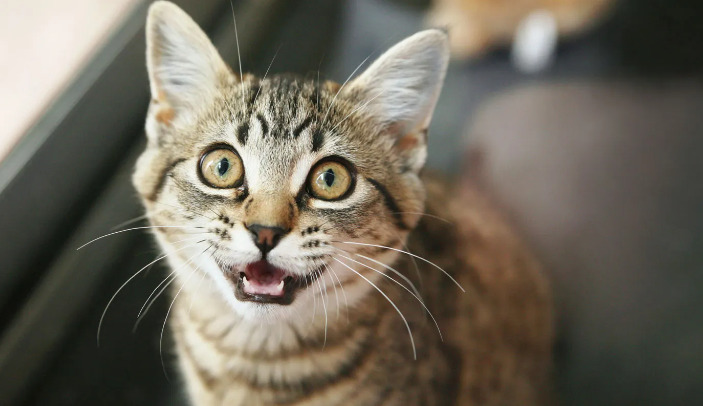
Recognizing stress in cats involves observing behavioral and physiological cues. Changes such as decreased appetite, withdrawal, excessive grooming, vocalization, or altered sleeping patterns may signal stress. Physiologically, elevated cortisol levels can be measured through blood or saliva testing. These indicators help in assessing the stress status of cats and evaluating their risk for developing FIP.
Stress Management and Disease Prevention
Minimizing stress is a key preventive strategy against FIP. Owners and caretakers should ensure a stable, enriching environment, avoiding sudden changes and providing safe spaces for cats. Proper socialization, regular veterinary check-ups, and maintaining consistent routines can reduce stress levels. In multi-cat households, managing conflicts and ensuring sufficient resources like litter boxes and hiding spots are vital.
Veterinary interventions may include stress-reducing supplements, environmental enrichment, and in some cases, behavior modification strategies. While these measures do not cure FIP, they can lower the risk of the initial mutation of the feline coronavirus and improve the overall health and resilience of the cat.
Implications for Veterinary Practice and Future Research
Veterinarians should consider stress levels when evaluating cats at risk for FIP. Stress reduction strategies should be integrated into preventive care protocols. Further research is needed to elucidate the precise mechanisms by which stress influences FCoV mutation and FIP development. Investigating biomarkers for stress and immune function may allow for early identification of at-risk cats and tailored preventive approaches.
Conclusion
The connection between stress and FIP in cats underscores the importance of managing environmental and emotional factors in feline health. While stress alone does not cause FIP, it plays a facilitating role by impairing immune responses, thus increasing susceptibility to disease progression. Effective stress management strategies, combined with vigilant health monitoring, can significantly impact the incidence and severity of FIP in feline populations.
References
1. Pedersen, N. C. (2014). An update on feline infectious peritonitis: diagnostics and vaccines. Veterinary Journal, 183(3), 211-217.
2. Addie, D. D., & Jarvis, M. (2012). Feline infectious peritonitis. Infectious Diseases of the Dog and Cat, 2, 385-392.
3. Hartmann, K. (2005). Feline infectious peritonitis. The Veterinary Clinics of North America. Small Animal Practice, 35(1), 39-54.
4. Herrewegh, A. A., et al. (1995). Feline infectious peritonitis: pathogenesis and control. Infection and Immunity, 63(8), 3247-3254.
5. Hawkins, J. A., et al. (2000). Stress and infectious diseases in cats: A review. Veterinary Record, 146(17), 464-468.