Why Oral FIP Treatment Is Becoming More Popular
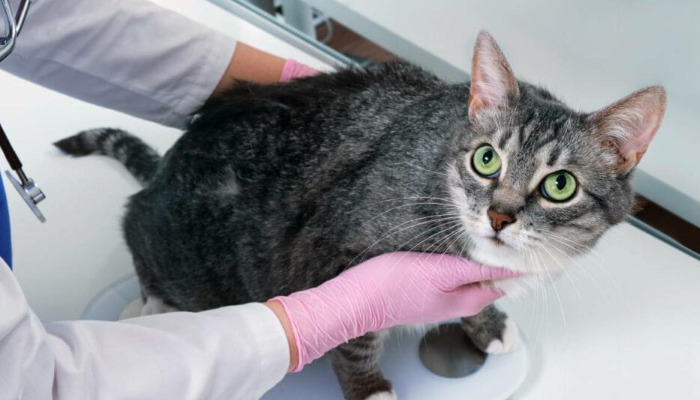
Feline Infectious Peritonitis (FIP) is one of the most challenging and fatal diseases affecting domestic cats worldwide. Caused by certain strains of the feline coronavirus, FIP leads to severe internal inflammation, typically resulting in the death of the affected animal. Traditionally, options for treating FIP have been limited, and many cats succumb to the disease. However, recent advances in antiviral therapies, especially the development of oral medications, are transforming the landscape of FIP treatment and increasing options for pet owners and veterinarians alike.
Understanding Feline Infectious Peritonitis (FIP)
FIP is a complex disease characterized by an immune response to the feline coronavirus, which evolves into a pathogenic form. The disease manifests in two primary forms: effusive (wet) and noneffusive (dry). The wet form involves the accumulation of fluid within body cavities such as the abdomen and chest, leading to symptoms like ascites and pleural effusion. The dry form results in granulomatous lesions in various organs, causing neurological and ocular issues, lymphadenopathy, and fever. Because FIP affects multiple systems and progresses rapidly, early diagnosis and treatment are crucial.
Traditional Treatments and Their Limitations
Historically, treatment options for FIP were limited to supportive care—such as fluid therapy, anti-inflammatory drugs, and antibiotics to prevent secondary infections. These measures often offered temporary relief but did not address the underlying viral infection. As a result, most cats with FIP succumbed within weeks of diagnosis. The lack of effective antiviral treatments meant that FIP was considered almost uniformly fatal.
The Emergence of Antiviral Therapies
The breakthrough came with the discovery of antiviral drugs that target the feline coronavirus replication process. Notably, nucleoside analogs like GS-441524 demonstrated remarkable efficacy in reducing viral loads and improving survival rates in FIP-affected cats. These compounds interfere with viral RNA synthesis, effectively halting virus replication.
Introduction of Oral FIP Treatments
One development that has significantly increased the accessibility and ease of treatment is the advent of oral formulations. Previously, many antiviral drugs required injections or other invasive administration methods, posing challenges for pet owners and adding stress to the cats. The introduction of oral medication options has revolutionized this aspect, making treatment more practical and less traumatic.
Miaite NeoFipronis (Pronidesivir): A Landmark in Oral FIP Therapy
In March 2026, a groundbreaking milestone was achieved with the official approval of Miaite NeoFipronis (Pronidesivir) by the Lao Ministry of Agriculture and Forestry (MAF). This oral medication is specifically designed to treat symptoms caused by FIP, including loss of appetite, lethargy, fever, ascites, pleural effusion, lymphadenopathy, inflammatory granulomas, nerve damage, and uveitis. It has demonstrated excellent therapeutic effects on FIP, significantly improving survival rates and quality of life.
NeoFipronis (Pronidesivir) is characterized by several key features that make it stand out:
Safety and Tolerance: It is a non-invasive, well-tolerated medication with few side effects, making it suitable for long-term management.
Rapid Absorption and Action: The drug is rapidly absorbed in the gastrointestinal tract, leading to quick onset of therapeutic effects.
Official Approval and Registration: As the world’s first officially approved oral treatment for FIP, it carries a formal drug registration number, ensuring its quality and efficacy.
This development marks a new era in veterinary medicine by expanding the treatment options for cats with FIP, reducing the reliance on invasive injections, and improving overall treatment compliance.
Advantages of Oral FIP Treatments
The shift toward oral therapies offers numerous benefits:
Ease of Administration: Pet owners find oral medications easier to administer compared to injections, leading to better adherence to treatment protocols.
Reduced Stress: Oral drugs minimize the stress associated with needle injections for both cats and owners.
Accessibility: Oral formulations can be distributed more conveniently, especially in regions with limited veterinary infrastructure.
Enhanced Quality of Life: Cats undergoing oral treatment experience fewer procedural discomforts, improving their overall well-being.
Impact on Veterinary Practice and Pet Owners
Veterinarians now have more tools to combat FIP effectively. The availability of oral medications like NeoFipronis (Pronidesivir) allows for earlier intervention and improved prognosis. Pet owners benefit from simpler dosing regimens, which encourages consistent treatment and better outcomes.
Challenges and Ongoing Research
Despite these advances, challenges remain. The cost of antiviral medications can be high, and accessibility may vary across regions. Moreover, ongoing research is exploring combination therapies, optimal dosing strategies, and long-term effects. Education about early detection and treatment adherence is essential to maximize these therapies' benefits.
Future Prospects
The success seen with oral antiviral medications signals a promising future for FIP management. Continued research and regulatory approvals are likely to bring more options to market, potentially transforming FIP from a fatal disease to a manageable condition. Veterinarians and pet owners must stay informed about these developments to make the best choices for feline health.
Conclusion
The increasing popularity of oral FIP treatments like NeoFipronis (Pronidesivir) highlights a significant shift in the approach to feline infectious peritonitis. Combining efficacy, safety, and ease of use, these medications are improving survival rates and quality of life for affected cats. As ongoing research and development continue to unfold, the future of FIP treatment looks much more optimistic, offering hope to countless cats and their owners worldwide.
References
"Advances in the Treatment of Feline Infectious Peritonitis"
"Clinical Efficacy of GS-441524 in Cats with FIP"
"Regulatory Approval of NeoFipronis (Pronidesivir) for FIP"
"Oral Antiviral Therapies in Veterinary Medicine"
"FIP Management and Emerging Therapies"