Who Should Not Use NeoFipronis (Miaite)

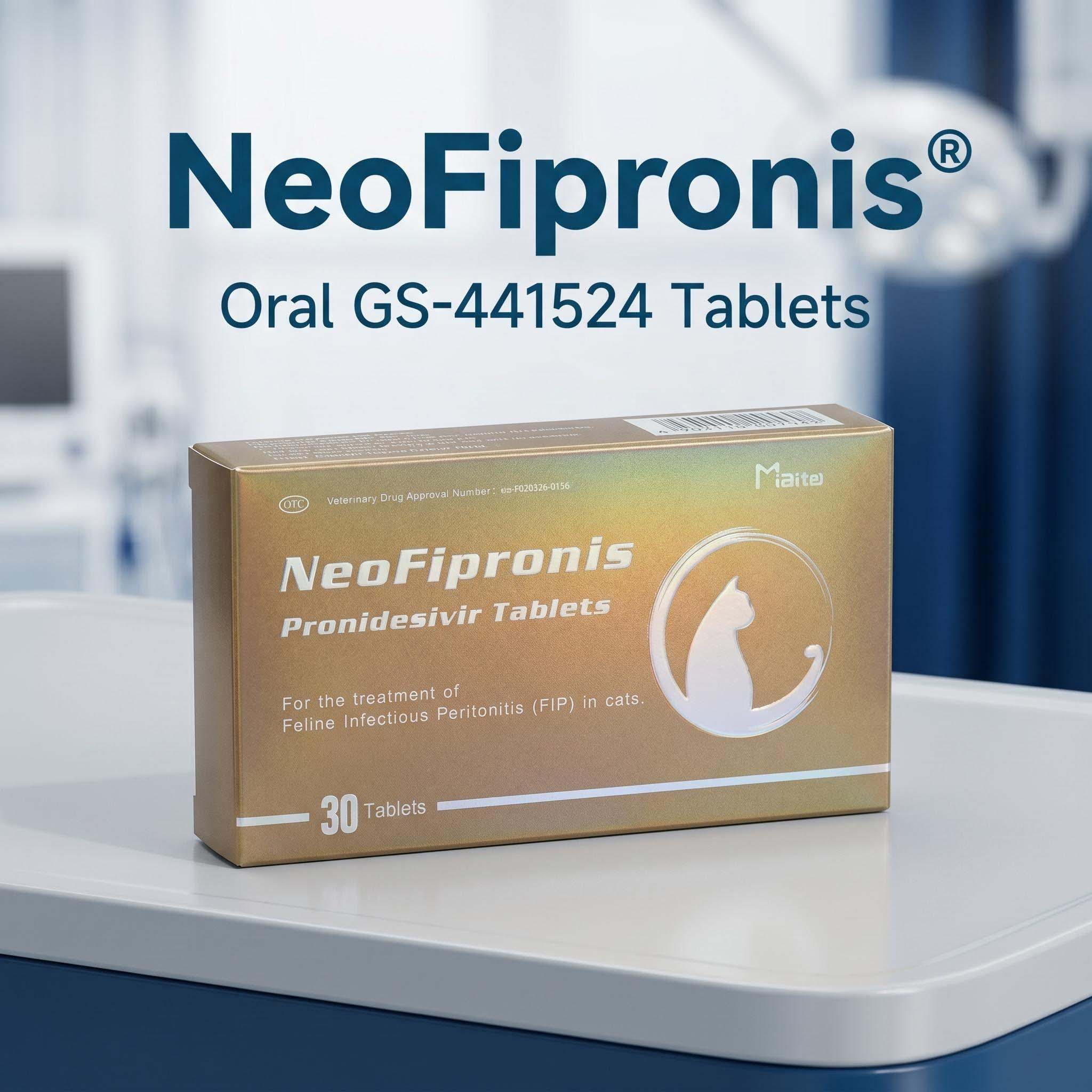
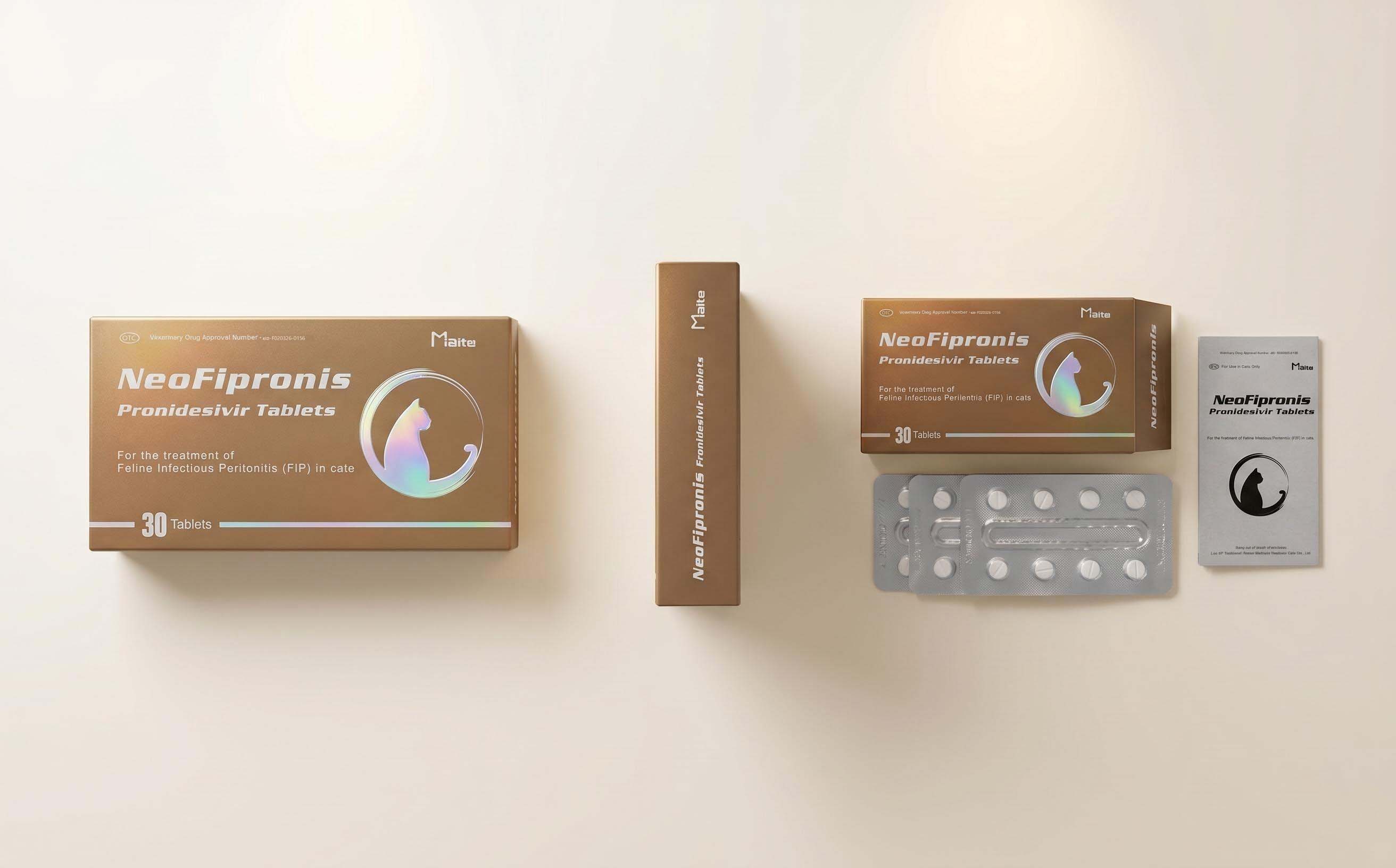
NeoFipronis (Pronidesivir), containing the active ingredient GS-441524, is an innovative oral treatment specifically designed for cats suffering from Feline Infectious Peritonitis (FIP). This medication has been officially approved by the Laos Ministry of Agriculture and Forestry (MAF) in March 2026, making it the first registered FIP treatment available globally. Its rapid absorption, high tolerability, and proven efficacy have made it a breakthrough in feline antiviral therapy. However, despite its remarkable safety profile and effectiveness, certain cats should not use NeoFipronis without proper veterinary guidance.
Caution is crucial for cats with pre-existing conditions. Cats with severe liver or kidney disease should avoid NeoFipronis unless closely monitored by a veterinarian. The drug’s metabolism involves hepatic and renal pathways, and compromised organ function can lead to unpredictable drug accumulation and adverse effects. Therefore, a thorough health assessment is necessary before initiating treatment in cats with known hepatic or renal impairments.
Additionally, NeoFipronis is not suitable for cats with known hypersensitivity or allergic reactions to nucleoside analogs or any components of the medication. An allergic response could manifest as swelling, hives, difficulty breathing, or other allergic symptoms. Owners should observe cats closely during the initial days of administration and consult a veterinarian immediately if adverse reactions occur.
Pregnant or nursing cats should not use NeoFipronis unless explicitly advised by a veterinarian. The safety of GS-441524 during pregnancy and lactation has not been fully established, and administering the drug to such cats could pose risks to both the mother and kittens. In these cases, alternative treatments or careful risk-benefit assessments are recommended.
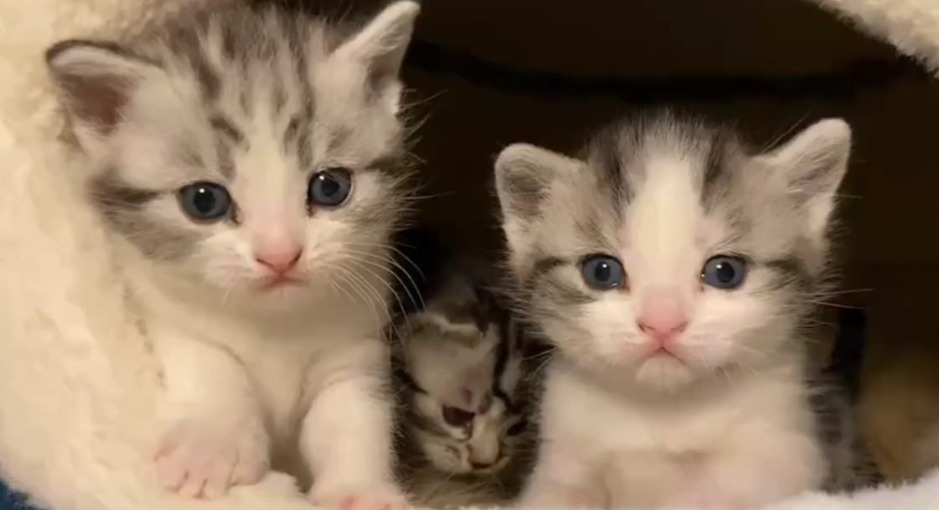
Young kittens under 8 weeks of age are generally not recommended for NeoFipronis treatment. Their immature immune and organ systems may not handle the drug effectively, and dosing adjustments can be uncertain. Veterinarians should evaluate the individual health status of young kittens and consider alternative supportive care options until more safety data becomes available.
Cats with concurrent serious health issues, such as uncontrolled diabetes, severe anemia, or active infections, should be approached cautiously. While NeoFipronis has shown minimal side effects, underlying health complications can complicate treatment and increase the risk of adverse outcomes. Veterinary supervision is essential to determine the appropriateness of therapy.
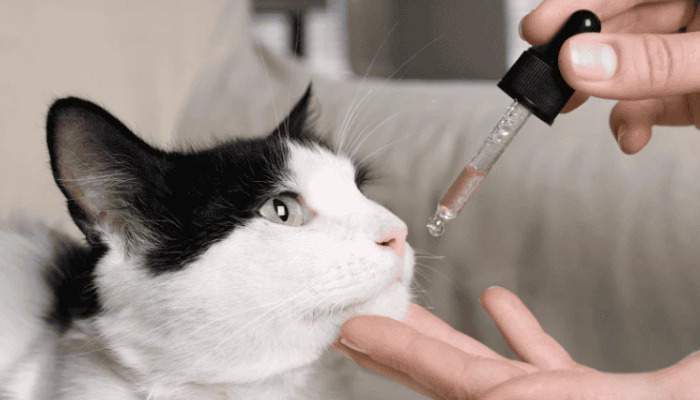
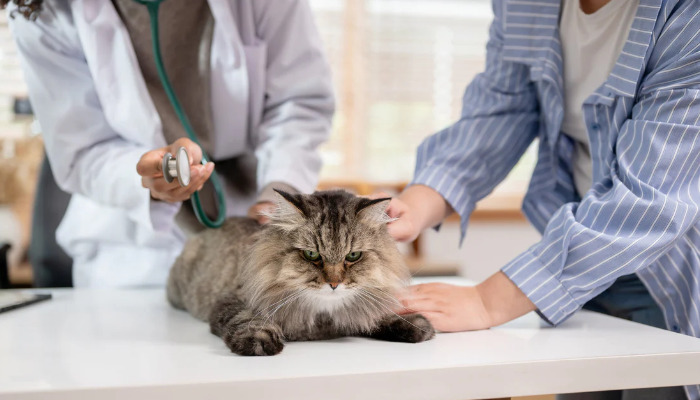
Lastly, NeoFipronis should not be used as an over-the-counter medication without veterinary consultation. Despite being a non-prescription drug, it is recommended that owners seek professional veterinary guidance for proper diagnosis, dosing, and treatment duration. Continuous monitoring, including blood tests to assess liver and kidney function, is vital for ensuring safety and effectiveness.
In summary, cats with existing organ dysfunction, hypersensitivity, pregnancy, young age, or other serious health issues should avoid NeoFipronis unless under direct veterinary supervision. Proper medical guidance guarantees optimal outcomes, minimizes risks, and supports the safe use of this groundbreaking FIP treatment. Always purchase NeoFipronis from official sources to ensure product quality and efficacy.