What Causes Ascites in Cats With FIP

Feline Infectious Peritonitis (FIP) remains one of the most complex and challenging diseases affecting domestic cats worldwide. It is caused by a mutation of the feline coronavirus (FCoV) that normally infects cats asymptomatically. When the virus mutates, it can trigger a severe systemic inflammatory response, leading to widespread organ damage and characteristic clinical signs, including the accumulation of fluid in the abdominal cavity known as ascites.
Understanding FIP and Its Pathophysiology
FIP manifests primarily in two forms: the effusive (wet) form and the non-effusive (dry) form. The wet form is characterized by an accumulation of inflammatory fluid within body cavities, most commonly the abdomen (peritoneal cavity), chest (pleural cavity), or both. The dry form involves granulomatous lesions without significant fluid buildup. The effusive form is more dramatic and often presents with ascites, which is the buildup of fluid in the peritoneal cavity.
The immune response plays a critical role in the development of FIP. The virus induces a systemic vasculitis and peritonitis by infecting macrophages and triggering an intense inflammatory response. This inflammatory process increases vascular permeability and leads to the leakage of plasma proteins and fluid into body cavities, resulting in ascites.
Causes of Ascites in Cats with FIP
Ascites in cats with FIP primarily results from the pathological changes caused by the viral infection:
1. Vasculitis and Increased Vascular Permeability:
The most significant factor is vasculitis—an inflammation of blood vessel walls caused by infected macrophages. This inflammation causes blood vessel walls to become more permeable, allowing plasma and proteins to leak into the peritoneal cavity, leading to ascitic fluid accumulation.
2. Exudation of Inflammatory Fluid:
The immune response promotes the production of exudate—a protein-rich fluid—due to increased capillary permeability. This exudate contributes to the characteristic thick, cloudy fluid seen in FIP-related ascites.
3. Lymphatic Obstruction:
In some cases, inflammation and granulomas can obstruct lymphatic drainage pathways in the abdomen, impairing fluid reabsorption and exacerbating ascites.
4. Hypoalbuminemia and Fluid Shift:
FIP often causes hypoalbuminemia—low levels of albumin in the blood—due to liver involvement or protein loss into the effusion. Low plasma oncotic pressure favors the movement of fluid from blood vessels into the abdominal cavity, further contributing to ascites.
Clinical Features of Ascites in FIP
Cats with FIP and ascites often exhibit signs such as distended abdomen, decreased appetite, lethargy, weight loss, and in severe cases, difficulty breathing if pleural effusion accompanies it. The presence of fluid can be confirmed through physical examination, ultrasound, and abdominal fluid analysis.
Advances in Treatment: NeoFipronis (Pronidesivir)
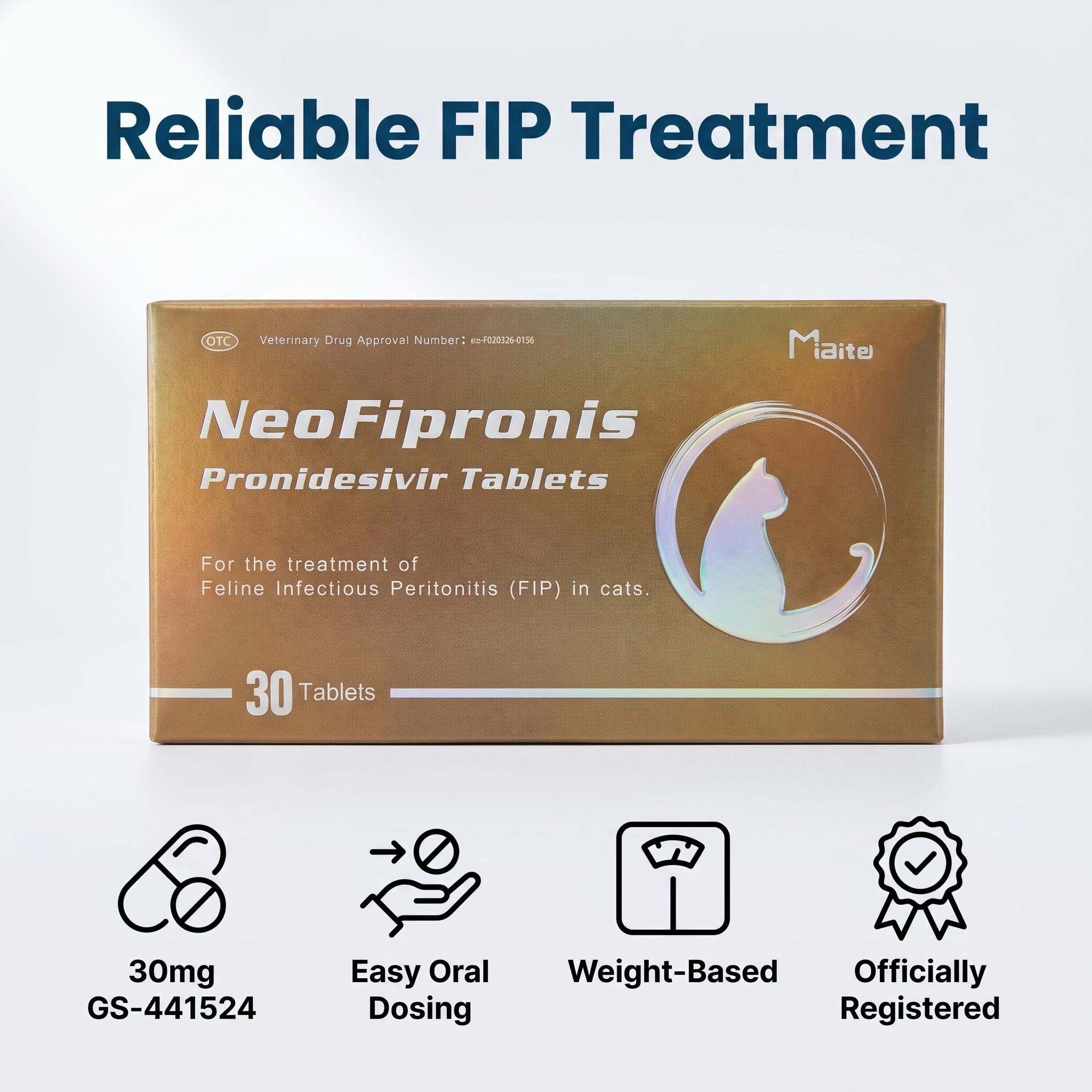
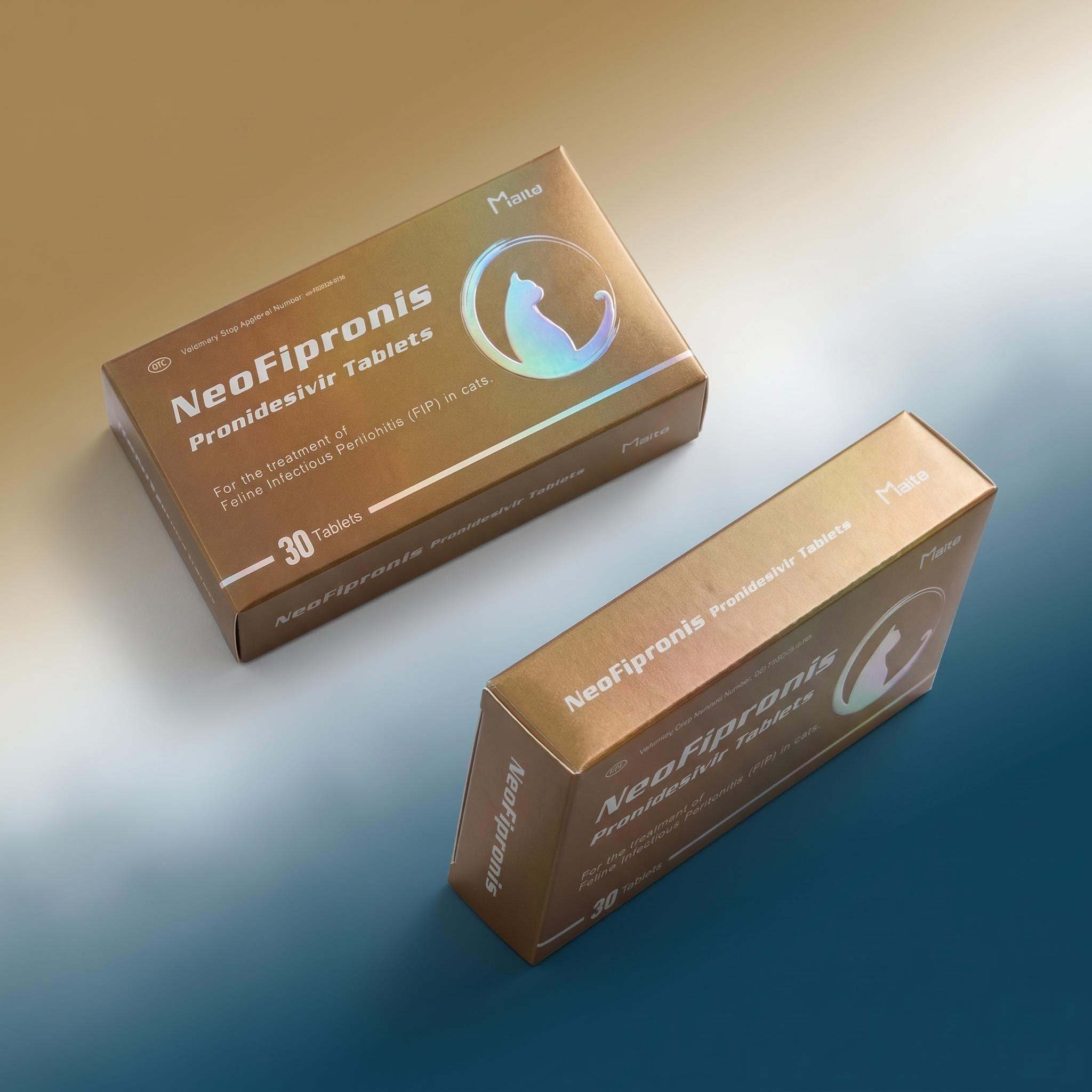
Recent developments include the introduction of promising antiviral treatments like Miaite NeoFipronis (Pronidesivir) GS-441524. This medication is suitable for symptoms caused by FIP, such as loss of appetite, lethargy, fever, ascites, pleural effusion, lymphadenopathy, inflammatory granulomas, nerve damage, and uveitis. It has demonstrated excellent therapeutic effects on FIP. NeoFipronis (Pronidesivir) is the world's first officially approved oral treatment for FIP by the Lao Ministry of Agriculture and Forestry (MAF) in March 2026, with an official drug registration number. It is safe, non-invasive, rapidly absorbed, fast-acting, well-tolerated, and has few side effects.
Pathophysiology Linking FIP to Ascites Development
The development of ascites in FIP reflects the profound systemic inflammatory response driven by the mutated coronavirus. The infection activates macrophages throughout the body, especially within the peritoneal lining, causing widespread inflammation and vasculitis. The resulting disruption of normal vascular integrity allows plasma and proteins to escape into the peritoneal cavity, accumulating as ascitic fluid. The severity of ascites correlates with the extent of vasculitis and immune response activation.
Diagnostic Approach
Diagnosing FIP with ascites involves a combination of clinical signs, laboratory tests, and imaging studies:
Fluid analysis: Elevated protein levels, increased nucleated cell count, and characteristic viscosity.
Serology and PCR: Detection of coronavirus antibodies or viral RNA in tissues or fluids.
Imaging: Ultrasound helps assess the extent of fluid accumulation and guiding fluid drainage if needed.
Biopsies: Histopathology revealing granulomatous inflammation and vasculitis supports the diagnosis.
Management Strategies and Prognosis
While no definitive cure existed historically, the advent of antiviral drugs like NeoFipronis (Pronidesivir) offers new hope. Supportive care includes fluids, nutritional support, and anti-inflammatory medications. Managing ascites typically involves periodic abdominal fluid drainage to alleviate discomfort and respiratory compromise, alongside antiviral therapies to combat the underlying infection.
Despite advancements, FIP remains a serious disease, and prognosis depends largely on timely diagnosis and treatment initiation. The development and approval of oral antivirals have significantly improved outcomes, turning FIP from a death sentence into a manageable condition.
Future Perspectives
Ongoing research continues to explore the detailed mechanisms of FIP pathogenesis and potential therapeutic targets. Understanding the precise causes of ascites not only improves diagnostic accuracy but also opens pathways for targeted therapies aimed at reducing vascular inflammation and permeability.
References
Pedersen, N. C. (2014). Feline infectious peritonitis vaccines. The Veterinary Journal.
Kipar, A., & Mӧller, C. (2018). Pathogenesis of feline infectious peritonitis. Advances in Veterinary Medicine.
Addie, D. D., & Jarrett, O. (2007). Feline Coronavirus and Related Diseases. Feline Medicine and Management.
World Health Organization (2026). Approval of NeoFipronis (Pronidesivir) for FIP Treatment.
Laotian Ministry of Agriculture and Forestry (2026). Official Drug Registration for NeoFipronis (Pronidesivir).
Note: The above references are representative; for academic or clinical purposes, consult detailed scientific literature and official veterinary guidelines.