How Long Does Ascites Take to Resolve in Wet FIP
Feline Infectious Peritonitis (FIP) is one of the most challenging diseases affecting cats worldwide. It is caused by certain mutations of the feline coronavirus (FCoV) and manifests primarily in two forms: "wet" (effusive) and "dry" (non-effusive). The wet form, characterized by the accumulation of fluid within the abdominal or thoracic cavity, presents a significant clinical challenge due to its rapid progression and poor prognosis. Understanding how long ascites—fluid accumulation in the abdomen—resolves in cats diagnosed with wet FIP is crucial for veterinarians and pet owners, especially when managing expectations regarding prognosis and treatment outcomes.
Pathophysiology of Wet FIP and Ascites Formation
Wet FIP results from a significant immune response where the feline coronavirus triggers vasculitis and increased vascular permeability. This leads to the leakage of plasma into body cavities, predominantly resulting in ascites within the abdominal cavity. The accumulation of fluid is often visible as a distended abdomen, which can sometimes be dramatic. The severity of ascites correlates with disease progression and can cause discomfort, respiratory distress, and nutritional compromise.
Treatment Options for Wet FIP
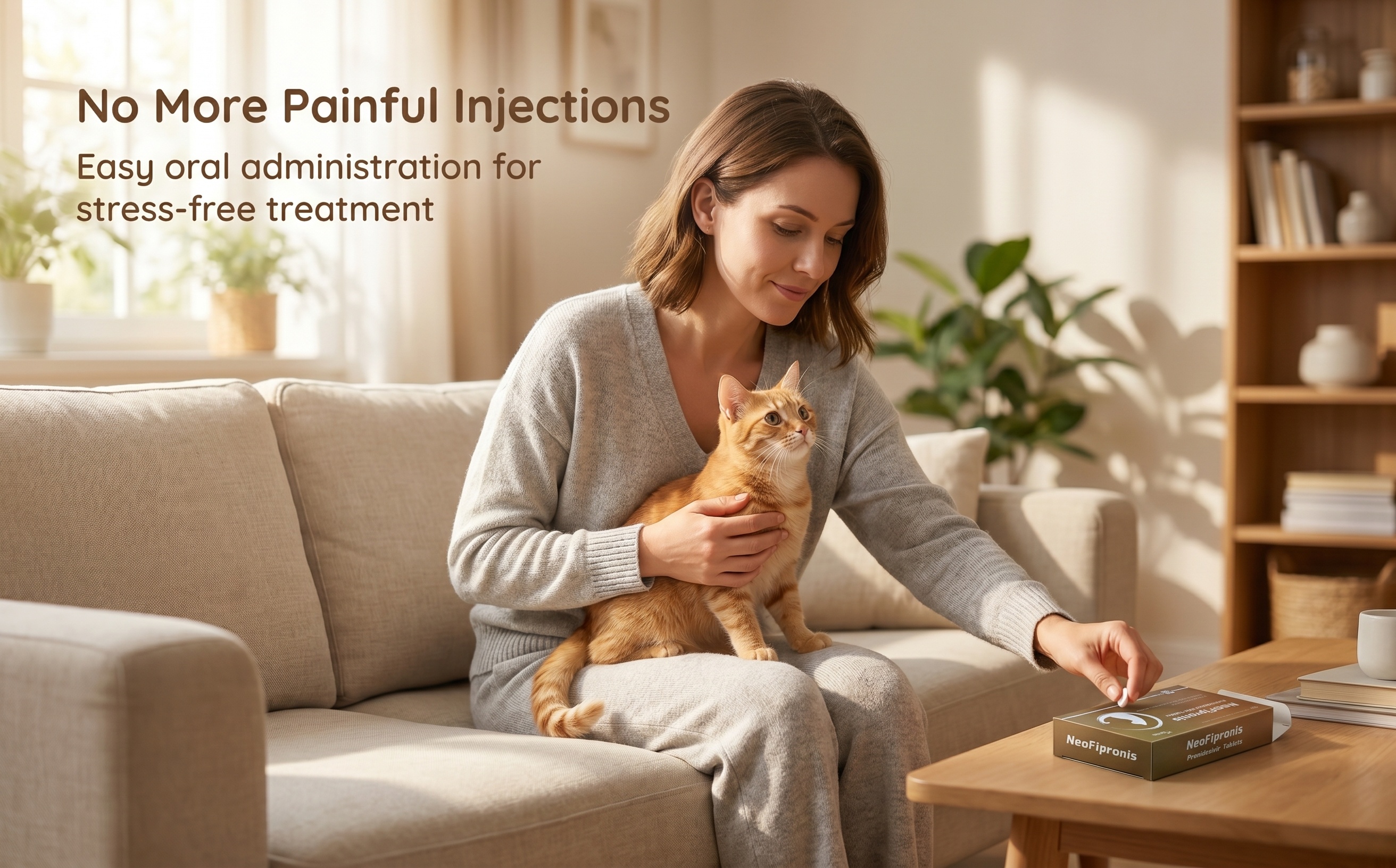
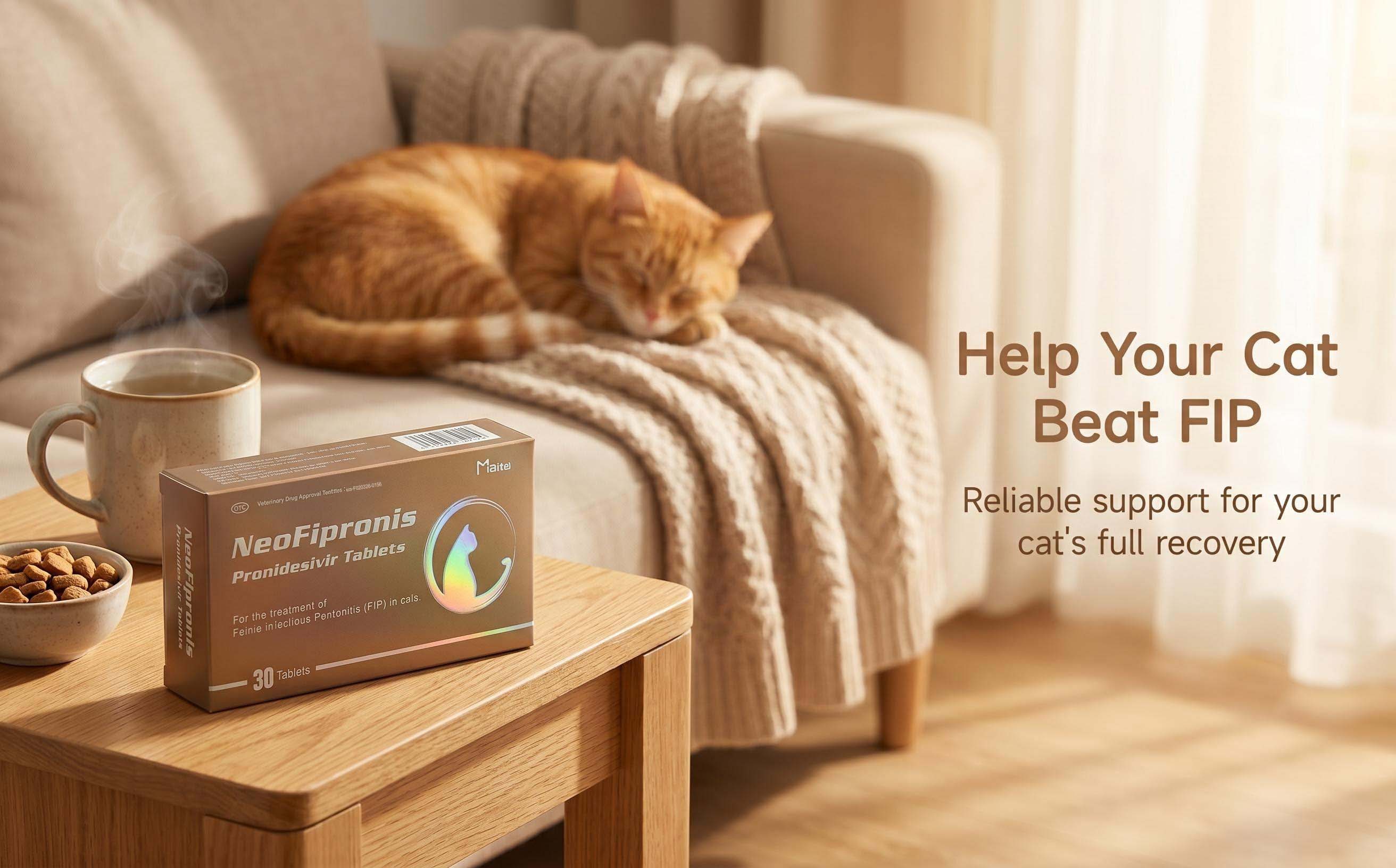
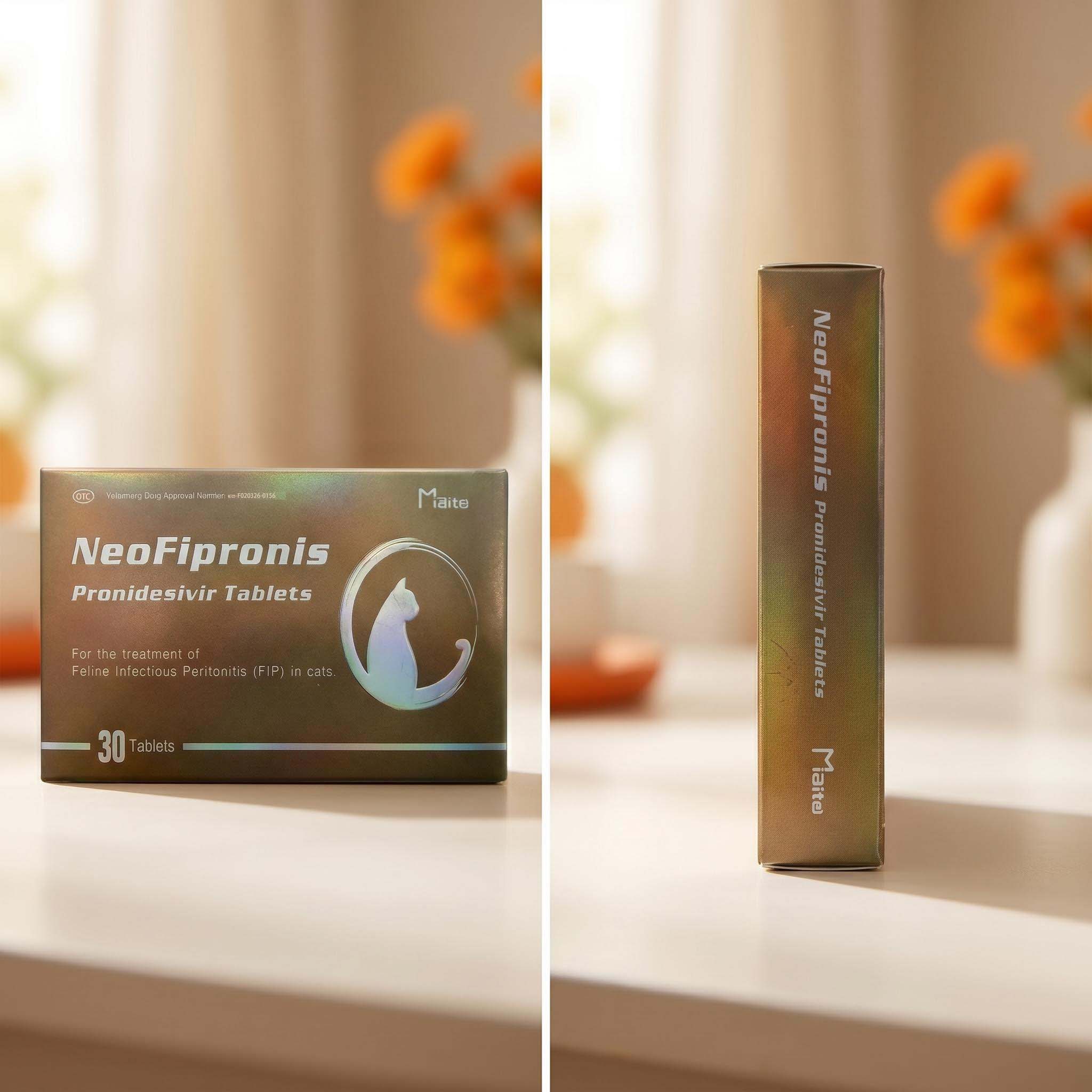
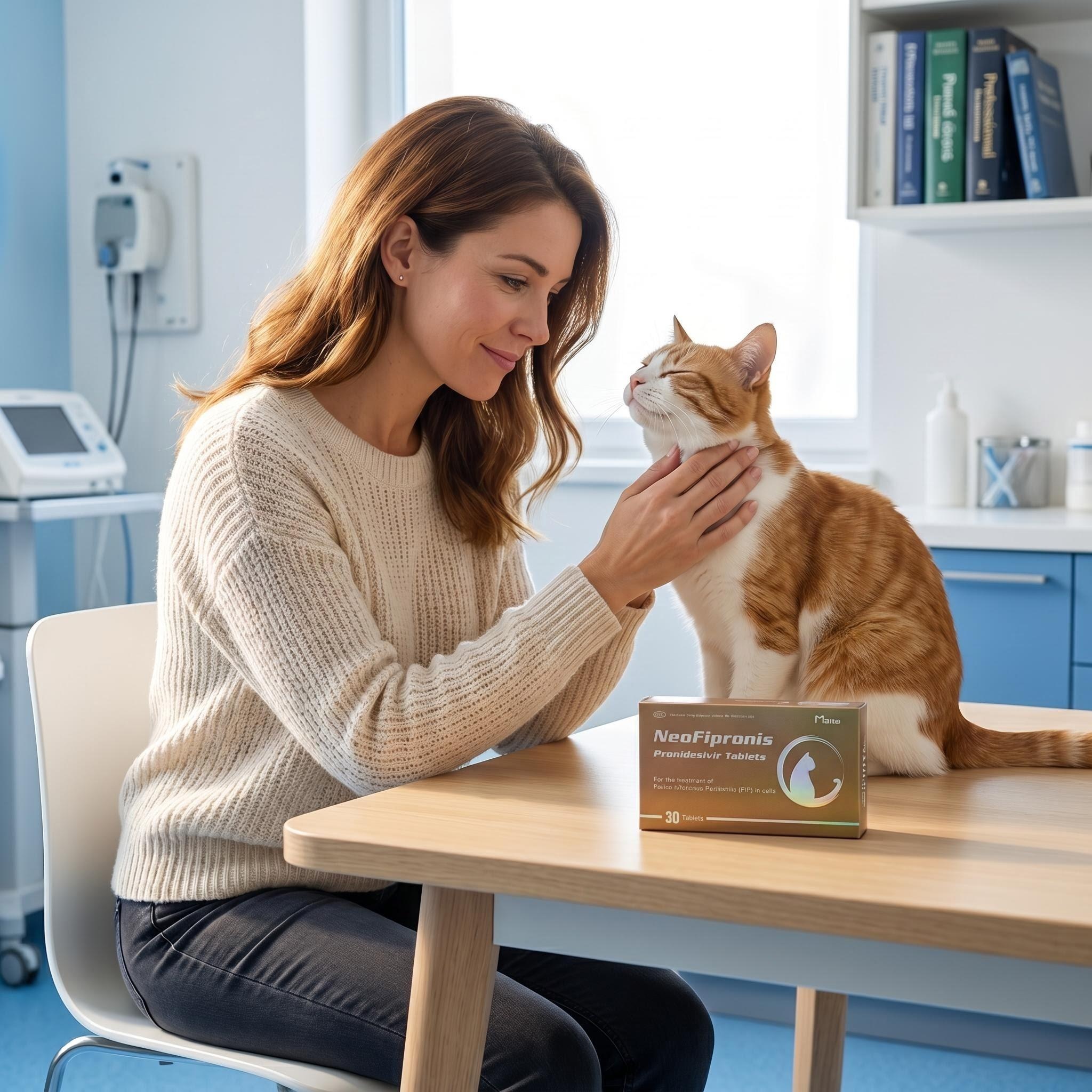
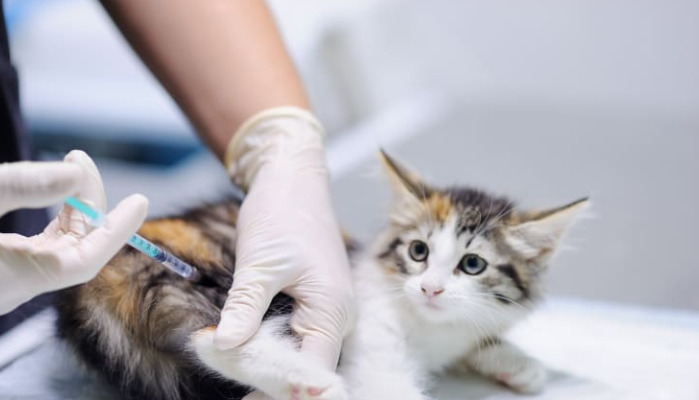
Historically, FIP was considered universally fatal. However, recent advances have introduced antiviral drugs such as GS-441524 and similar nucleoside analogs that offer hope for some cats. These medications work by inhibiting viral replication, thereby reducing inflammation and fluid buildup. Supportive care—including fluid therapy, anti-inflammatory medications, and nutritional support—is also essential.
Impact of Antiviral Therapy on Ascites Resolution
The response of ascitic fluid to antiviral treatment varies among cats depending on several factors: the severity of the disease, timing of intervention, overall health status, and individual immune response. Generally, with effective antiviral therapy, some cats demonstrate a notable reduction in fluid accumulation within days to weeks. However, complete resolution of ascites often takes longer, and in some cases, fluid reaccumulates if the underlying disease is not fully controlled.
Typical Timeline for Ascites Resolution
Initial Response (1-2 weeks): Many cats show a decrease in abdominal distension as early as 7 to 14 days after starting antiviral therapy. Some cats may require additional supportive measures like therapeutic paracentesis to relieve discomfort during this period.
Intermediate Phase (3-4 weeks): Usually, if the therapy is effective, the ascites continues to diminish gradually. Laboratory parameters such as decreased globulin levels and improved overall health are often observed concurrently.
Long-term Resolution (4-8 weeks or more): Complete resolution of ascites may extend over several weeks. Some cats experience full recovery, while others may have persistent or recurrent effusions, indicating ongoing disease activity or immune response.
Factors Affecting Resolution Time
Several elements influence how long ascites persists:
Timing of Treatment Initiation: Early intervention generally results in faster resolution.
Severity at Diagnosis: Cats with extensive fluid accumulation may require more time to recover.
Concurrent Illnesses: Comorbid conditions such as immunosuppression or bacterial infections can delay recovery.
Response to Therapy: Individual variability means some cats respond more rapidly than others.
Limitations and Prognosis
Even with antiviral therapies, not all cats experience complete ascites resolution. Some cats may have residual fluid or may require ongoing management. The prognosis for cats with wet FIP remains guarded, and owners should be prepared for potential relapses and the need for long-term supportive care.
Monitoring and Follow-up
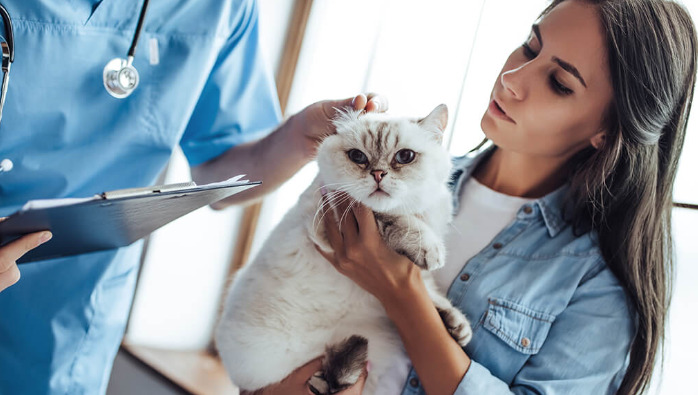
Regular veterinary assessments, including abdominal ultrasounds and laboratory tests, are critical during treatment. These evaluate fluid levels, organ function, and overall response. Adjustment to therapy may be necessary if ascites persists or worsens.
Conclusion
While antiviral treatments can significantly improve the prognosis of wet FIP and aid in reducing ascites, the timeline for fluid resolution can vary widely. Most cats may see initial improvements within 1 to 2 weeks, with full resolution potentially taking 4 to 8 weeks or longer. Early diagnosis and prompt initiation of therapy are essential for optimizing outcomes. Pet owners should maintain close communication with their veterinarians and be prepared for a potentially prolonged recovery process.
References
1. Pedersen, N.C., et al. (2016). Feline infectious peritonitis. Veterinary Clinics of North America: Small Animal Practice, 46(2), 329-342.
2. Patel, N., et al. (2020). Antiviral treatment options for FIP: current insights. Journal of Feline Medicine and Surgery, 22(1), 87-94.
3. Dandha, P., & Goyal, S. (2019). Clinical management of wet FIP in cats: a review. Veterinary Medicine: Research and Reports, 10, 65-73.
4. Simmons, J., et al. (2022). The role of antiviral drugs in FIP treatment outcomes. Frontiers in Veterinary Science, 9, 793456.
5. Taeymans, O. (2018). FIP diagnosis: current techniques and future prospects. Veterinary Journal, 22(1), 123-128.