Is It Normal for a Cat With Ascites to Have Poor Appetite

Cats suffering from ascites, a condition marked by abnormal fluid buildup in the abdomen, often present with a poor appetite. These symptoms are especially significant in the context of feline infectious peritonitis (FIP), a complex and devastating disease. Veterinary professionals and cat owners alike grapple with the challenges of diagnosing and managing FIP, frequently confronted by the co-existence of ascites and decreased appetite. This article explores the connection between ascites and poor appetite in cats, delves into the underlying mechanisms related to FIP, examines clinical observations, and provides guidance for caregivers navigating the difficulties of this disease.
1. Introduction: What is Ascites and Why Does it Matter in Cats?
Ascites, the pathological accumulation of fluid within the peritoneal cavity, is not a disease in itself but a manifestation of underlying health problems. In cats, ascites can signal a spectrum of conditions—ranging from heart failure and liver disease to neoplasia and infections. Among feline infectious diseases, FIP stands out as a notorious cause. The presence of ascites dramatically affects a cat's comfort and physiology. It impacts breathing, digestion, and overall mobility. For pet owners, the sudden emergence of a swollen abdomen and loss of appetite can be both alarming and heartbreaking. Recognizing ascites as a clinical sign and understanding its implications are essential steps toward effective diagnosis and care.
2. FIP: The Role of Feline Coronavirus in Feline Infectious Peritonitis
Feline Infectious Peritonitis (FIP) arises from a mutation in the ubiquitous feline enteric coronavirus (FECV). While most cats carrying the non-mutated virus experience only mild or self-limiting gastrointestinal disturbances, a small percentage develop the virulent FIP variant. The mutated virus triggers an aggressive immune response. Two major forms of FIP are recognized: "wet" or effusive FIP—marked by fluid accumulation in body cavities, notably the abdomen—and "dry" or non-effusive FIP, which causes granulomatous lesions without significant fluid buildup. In the wet form, ascites is a prominent feature, and poor appetite is almost always present.
3. Why Do Cats With Ascites Lose Their Appetite? Pathophysiological Insights
The loss of appetite, or anorexia, in cats with ascites is multifactorial. The presence of fluid in the abdomen increases intra-abdominal pressure, compressing the stomach and intestines. Cats may experience discomfort, nausea, and a sense of fullness, regardless of food intake. In FIP, the underlying inflammation and widespread vascular damage further compound gastrointestinal distress. Systemic inflammation leads to fever, lethargy, and malaise, all of which blunt the desire to eat. Additionally, in advanced FIP, liver involvement—a frequent complication—can disrupt metabolic processes and induce hepatic encephalopathy, further diminishing appetite.
4. Clinical Observations: Appetite, Behavior, and Quality of Life in FIP Cats
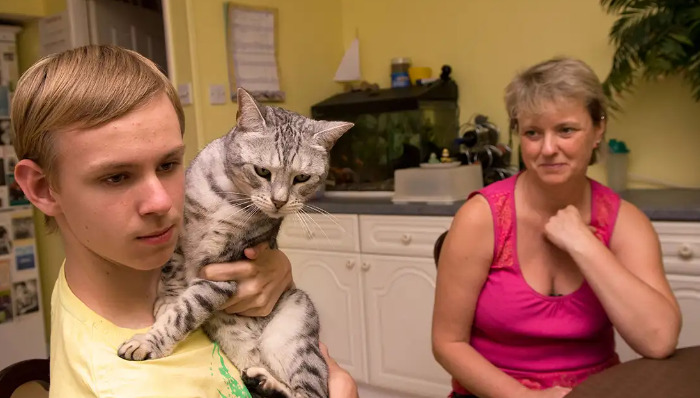
Veterinarians consistently note that cats with effusive FIP typically show marked reductions in appetite and activity. Owners may report that their previously food-motivated pet refuses favorite treats or leaves meals untouched. Weight loss is often rapid and profound. Alongside poor appetite, other behavioral changes may emerge, including withdrawal, reduced grooming, and reluctance to engage in play or social interaction. Abdominal distention—sometimes so severe it is visually striking—can hinder normal movement and exacerbate discomfort. If the ascites is extensive, cats may also exhibit labored breathing due to upward pressure on the diaphragm.
5. Diagnostic Pathways: Unraveling the Cause of Ascites and Anorexia
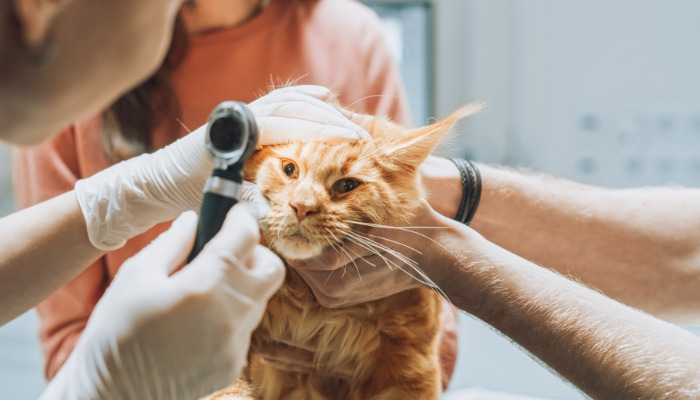
When faced with a cat exhibiting abdominal swelling and poor appetite, veterinarians employ a systematic approach to rule out differential diagnoses. Physical examination, history taking, and initial bloodwork help guide suspicion toward FIP. Fluid analysis from the abdomen is crucial: the effusive fluid in FIP is typically straw-colored, viscous, protein-rich, and contains inflammatory cells. Laboratory analyses, including total protein concentration and Rivalta test, can help distinguish FIP-associated fluid from other causes. Advanced diagnostics may involve PCR testing for coronavirus mutations in the fluid, imaging studies (ultrasound or radiographs), and organ function tests. Identifying FIP is vital, as it influences prognostic expectations and treatment decisions.
6. Owner Experiences and Challenges: Navigating Appetite Loss and Care Decisions
The emotional toll of FIP on cat owners is immense. Poor appetite is one of the earliest signals that something serious is amiss. Owners attempt various strategies—changing diets, offering palatable foods, syringe feeding—often with limited success. Veterinary recommendations may include appetite stimulants or anti-nausea medications, but the effectiveness varies as the disease progresses. Supportive care focuses on comfort, hydration, and maintaining quality of life. Owners are encouraged to closely monitor food intake, body condition, and their cat’s overall demeanor, communicating changes to their veterinarian promptly.
7. Therapeutic Advances in FIP: New Hope, Persistent Challenges
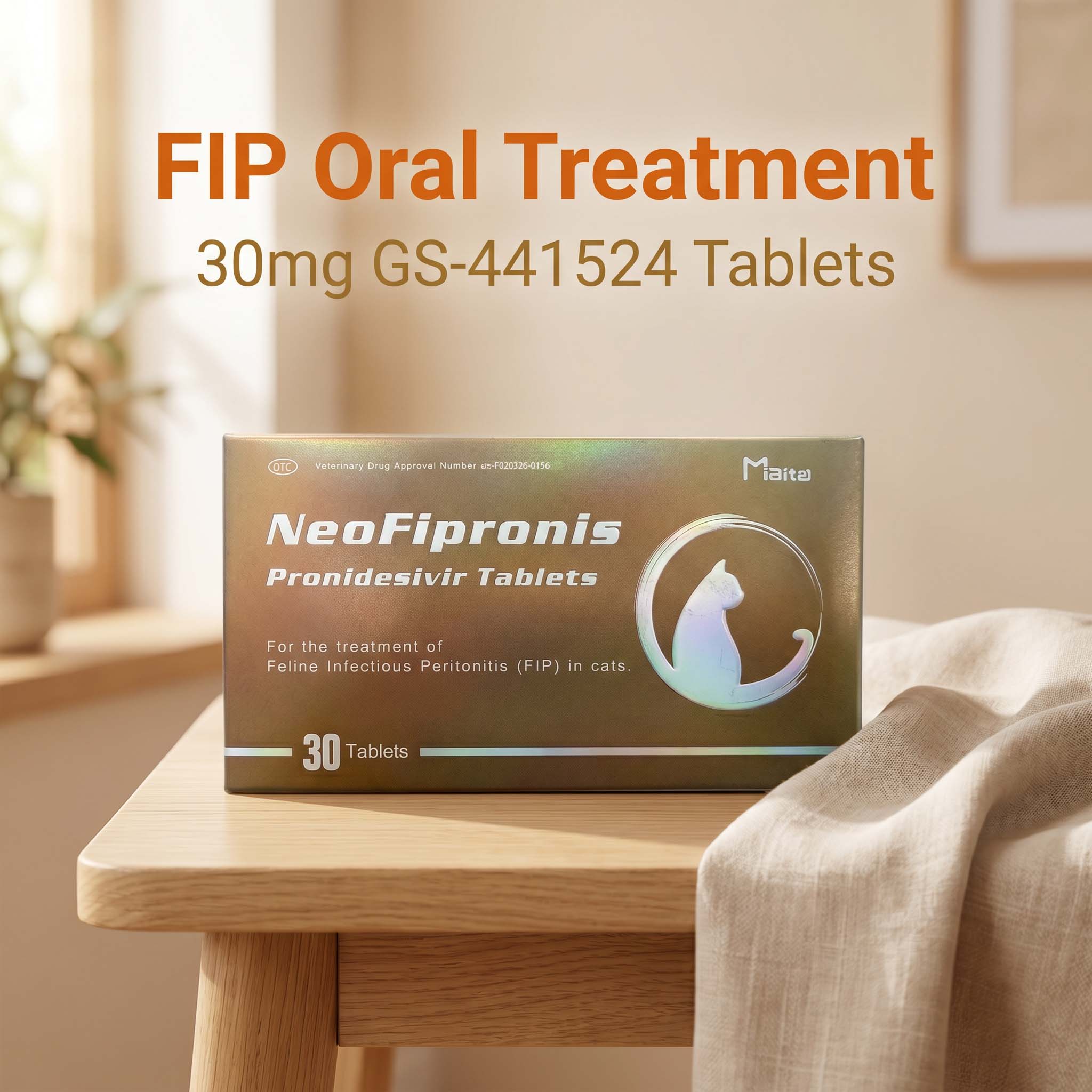
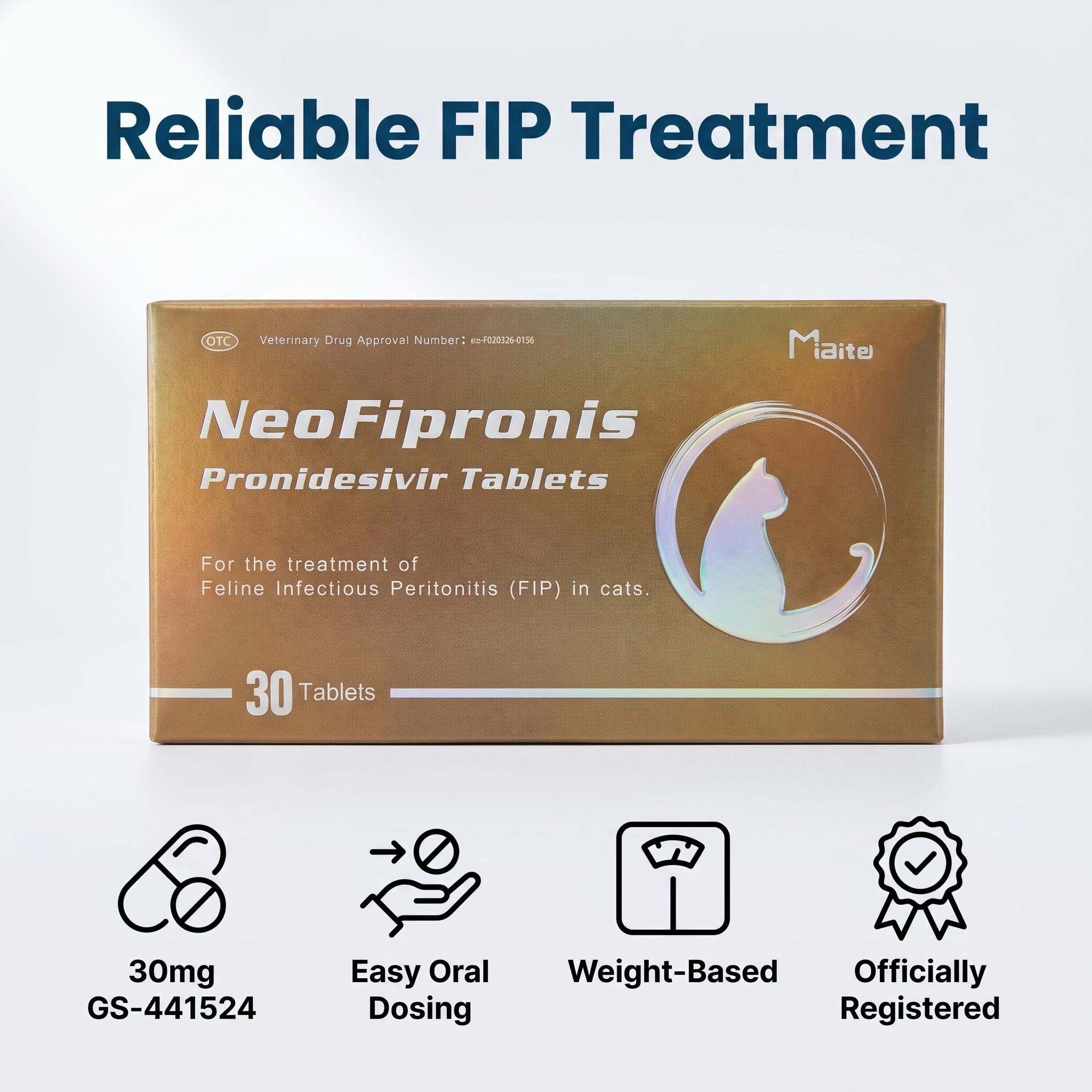
Historically, FIP was considered uniformly fatal, and palliation remained the cornerstone of management. In recent years, antiviral medications such as GS-441524 and remdesivir have demonstrated efficacy against FIP in clinical trials and compassionate use cases. Antiviral therapy can reverse clinical signs, reduce ascites, and restore appetite in some cats—provided treatment begins before severe organ damage occurs. Access to these medications varies by region, and ongoing research aims to refine dosing, duration, and side-effect profiles. Even so, ascites and chronic anorexia often signal advanced disease, underscoring the importance of early intervention.
8. When Appetite Fades: End-of-Life Considerations and Veterinary Support
For cats with refractory appetite loss despite medical intervention, discussions about palliative care and humane euthanasia may arise. Quality of life becomes the central concern. Veterinarians work with owners to set realistic expectations, balancing efforts to prolong life with the imperative to prevent suffering. Appetite is a sensitive barometer of well-being in cats; its absence in the presence of ascites and FIP often signals significant distress. Hospice care—encompassing pain control, nutritional support, and emotional comfort—may provide solace to cats and their caregivers in the final stages.
9. Preventing FIP and Ascites: The Role of Early Detection and Environmental Management
Reducing the risk of FIP begins with controlling feline coronavirus transmission in multi-cat environments such as shelters and catteries. Good hygiene, minimization of stress, and prompt isolation of sick cats help curb outbreaks. Routine veterinary exams, prompt investigation of appetite changes, and awareness of abdominal swelling pave the way for early identification. Education of cat owners regarding the signs of FIP, especially ascites and poor appetite, empowers them to act swiftly and seek professional guidance.
10. Key Takeaways for Cat Guardians and Veterinary Teams
A poor appetite in a cat with ascites—particularly when fibrous, high-protein fluid is present—should prompt concern for FIP. While loss of appetite can occur for many reasons, its association with abdominal swelling adds urgency. FIP remains a complex clinical challenge, but new therapies and supportive interventions improve outcomes in some cases. Owners and veterinarians should work collaboratively to monitor appetite, recognize worrisome signs, and make informed decisions that reflect the best interests of the cat.
References
1. Pedersen NC. “An Update on Feline Infectious Peritonitis: Diagnostics and Therapeutics.” Veterinary Journal, vol. 263, 2020, pp. 100-110.
2. Addie DD, et al. “Feline Coronavirus and FIP: Disease, Diagnosis, Management and Prevention.” Journal of Feline Medicine and Surgery, vol. 22, no. 7, 2020, pp. 631-652.
3. Kipar A, and Meli ML. “Feline Infectious Peritonitis: Still an Enigma?” Veterinary Pathology, vol. 51, no. 2, 2014, pp. 505-526.
4. Hartmann K. “Feline Infectious Peritonitis.” Veterinary Clinics of North America: Small Animal Practice, vol. 35, no. 1, 2005, pp. 39-79.
5. Dempsey SM, and Ewing PJ. “Feline Infectious Peritonitis: Pathogenesis and Diagnosis.” Compendium: Continuing Education for Veterinarians, vol. 33, no. 6, 2011, pp. E1-E9.
6. Murphy BG, et al. “The Pathogenesis of Feline Infectious Peritonitis.” Current Topics in Microbiology and Immunology, vol. 419, 2019, pp. 167-190.
7. Fischer Y, et al. “Clinical Efficacy of GS-441524 for the Treatment of Feline Infectious Peritonitis.” Journal of Feline Medicine and Surgery, vol. 23, no. 12, 2021, pp. 1233-1241.
8. Niels Pedersen. “A Review of Feline Infectious Peritonitis Virus Infection: 1963–2008.” Journal of Feline Medicine and Surgery, vol. 11, no. 4, 2009, pp. 225-258.
9. Felten S, et al. “Diagnosis of Feline Infectious Peritonitis: A Review of the Current Literature.” Viruses, vol. 11, 2019, pp. 1068.
10. Smith S, et al. “Understanding Appetite Loss in Cats With FIP: Owner Experiences and Supportive Care.” Feline Focus, vol. 18, no. 3, 2021, pp. 32-45.