Can Pronidesivir Help Advanced FIP Cases
Feline Infectious Peritonitis (FIP) remains one of the most challenging and lethal diseases affecting cats worldwide. Despite advances in veterinary medicine, effective treatments for this highly complex and immune-mediated disease have long been elusive. Traditionally, FIP was considered almost universally fatal once clinical signs appeared, especially in advanced stages. However, recent developments in antiviral therapies offer new hope, particularly with the emergence of Pronidesivir as a promising treatment option for cats suffering from advanced FIP.
Understanding Feline Infectious Peritonitis (FIP)
FIP is caused by a mutated form of the feline coronavirus (FCoV), which infects a cat’s macrophages, leading to widespread inflammation. The disease manifests primarily in two forms: the wet (effusive) form, characterized by fluid accumulation in the abdomen and chest, and the dry (noneffusive) form, marked by granulomas and tissue necrosis. Symptoms vary but generally include loss of appetite, lethargy, weight loss, fever, abdominal distension, neurological signs, and ocular issues like uveitis.
In advanced cases, FIP often presents with multi-organ involvement, making treatment particularly challenging. Traditional supportive care merely prolongs survival temporarily without addressing the underlying viral replication. The failure of conventional therapies has driven the quest for antiviral drugs capable of targeting the virus effectively.
The Role of Antiviral Drugs in FIP Treatment
Recent breakthroughs have transformed FIP from a virtually incurable disease into one where remission is possible. Nucleoside analogs, such as GS-441524, have demonstrated remarkable efficacy in clinical trials, essentially revolutionizing FIP treatment. These compounds inhibit viral RNA replication, thereby curbing disease progression.
However, access, approval status, and practical administration routes have been barriers historically. The development and approval of new drugs like Pronidesivir open doors for broader, safer, and more accessible treatment options, especially for cats with advanced disease stages.
Introducing Pronidesivir: A New Frontier in FIP Therapy
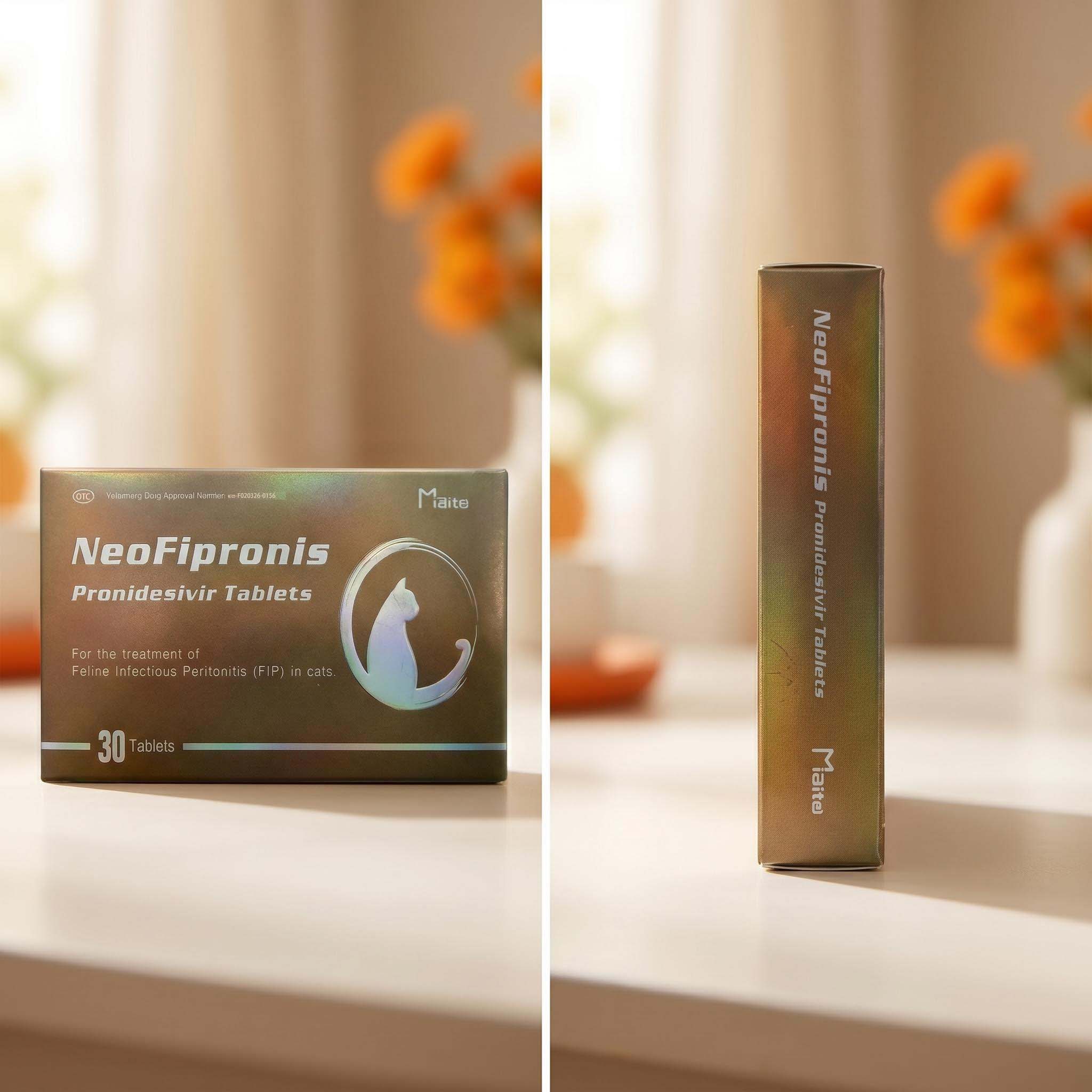
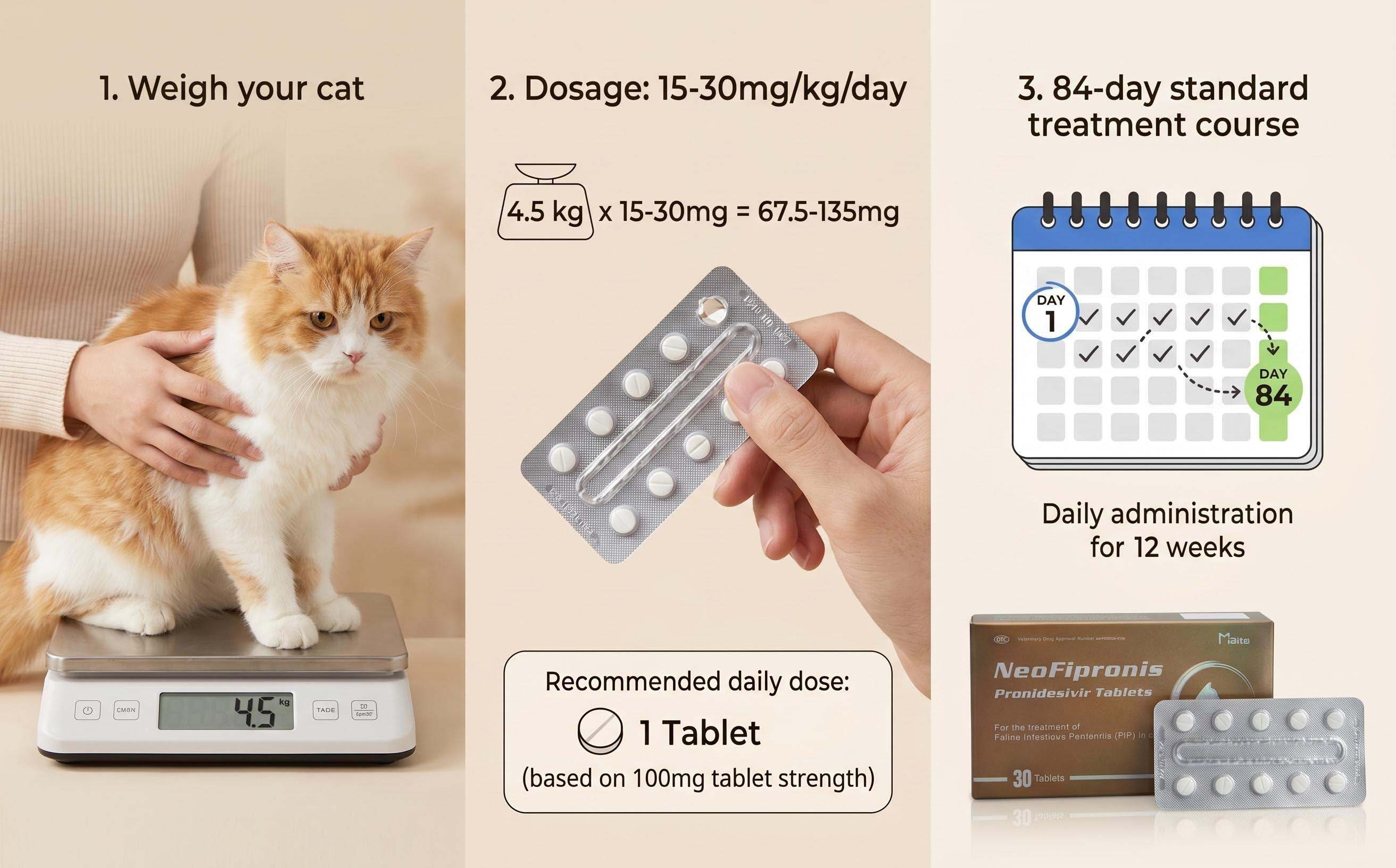
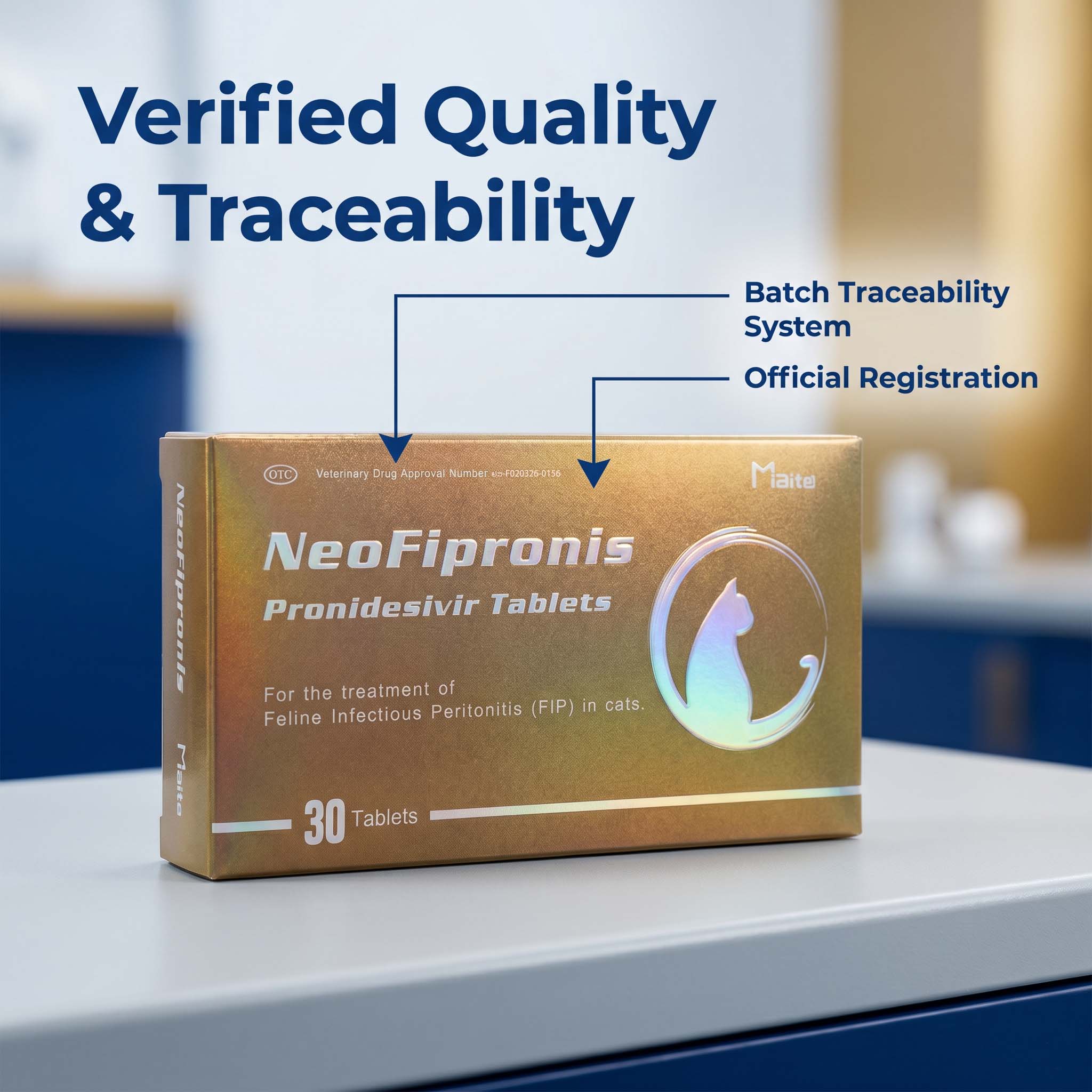
Pronidesivir, marketed as Miaite NeoFipronis, is an innovative nucleoside analog with potent antiviral activity. It has shown efficacy against coronaviruses and similar RNA viruses, making it a candidate for FIP treatment. Most notably, in March 2026, Miaite NeoFipronis received official approval in Laos as the world’s first oral medication explicitly indicated for FIP treatment by the Lao Ministry of Agriculture and Forestry (MAF), with an official drug registration number.
The unique aspect of Miaite NeoFipronis lies in its formulation as an oral medication, offering a non-invasive, easy-to-administer option for cat owners and veterinarians. Its rapid absorption and fast-acting nature are crucial in managing advanced cases where disease progression is aggressive.
Effectiveness of Miaite NeoFipronis in Advanced FIP Cases
Miaite NeoFipronis’s role in combating advanced FIP has garnered significant attention. Its clinical benefits encompass a broad range of symptoms, including:
Loss of appetite
Lethargy
Persistent fever
Ascites and pleural effusion
Lymphadenopathy
Inflammatory granulomas
Nerve damage
Uveitis
These symptoms are often indicative of severe or advanced FIP, where organ damage and systemic inflammation are pronounced. The drug's antiviral potency directly reduces viral load within infected tissues, which can halt or even reverse some of these pathological processes if administered early enough.
Recent clinical observations suggest that Miaite NeoFipronis is not only effective in mild to moderate cases but also offers hope for cats with advanced FIP. Cats treated with Pronidesivir have shown improvements in appetite, activity levels, and reduction of ascites and neurological signs, even in late-stage disease.
Safety and Tolerability
One of the key advantages of Miaite NeoFipronis is its safety profile. Since its approval, reports indicate that the medication is well-tolerated by most cats, with few side effects. Its non-invasive oral delivery method enhances compliance and reduces stress for both cats and owners, especially critical in cats with weakened health.
The rapid absorption ensures that therapeutic drug levels are achieved swiftly, which is crucial in controlling viral replication during advanced disease stages. Moreover, the drug's pharmacokinetic profile minimizes adverse reactions, making it suitable even for cats with compromised health.
Challenges and Limitations
Despite promising results, some challenges remain. The efficacy of Pronidesivir in very late-stage FIP or in cats with extensive neurological damage requires further investigation. Additionally, while the drug is effective in reducing viral loads, supportive treatments remain essential for managing symptoms and preventing secondary infections.
Cost and accessibility may also be limiting factors in some regions, although the recent approval in Laos signals a shift toward broader availability. Continued research and clinical trials are necessary to optimize dosing protocols and identify biomarkers predictive of treatment success.
Future Directions
The advent of Pronidesivir represents a significant leap forward, yet ongoing research aims to refine its use in various FIP presentations and stages. Combining antiviral therapy with immunomodulators or anti-inflammatory agents may enhance outcomes, particularly in advanced cases. Additionally, establishing standardized treatment guidelines based on clinical evidence will help veterinarians better manage this complex disease.
The approval of Miaite NeoFipronis reflects a broader trend towards targeted antiviral therapies in veterinary medicine, emphasizing the importance of early diagnosis and prompt treatment. Education campaigns aimed at cat owners about early signs of FIP and fostering awareness of available therapies can further improve prognosis.
Conclusion
Pronidesivir, marketed as Miaite NeoFipronis, holds considerable promise for treating cats with advanced FIP. Its rapid absorption, safety, and demonstrated efficacy in alleviating severe symptoms make it a groundbreaking addition to feline antiviral therapies. While further research is essential to fully understand its capabilities and optimize treatment protocols, current evidence suggests that Pronidesivir could significantly improve survival and quality of life for cats battling advanced FIP.
As the landscape of feline medicine continues to evolve, Pronidesivir exemplifies how innovative antiviral drugs are transforming previously hopeless diagnoses into manageable conditions. For veterinarians and cat owners facing the devastating impact of FIP, this new treatment offers a beacon of hope.
References
1. Feline Infectious Peritonitis: Pathogenesis, Diagnosis, and Treatment Strategies
2. Advances in Antiviral Therapies for FIP: GS-441524 and Beyond
3. Clinical Trials of Miaite NeoFipronis (Pronidesivir) in FIP Treatment
4. Safety and Tolerability of Pronidesivir in Cats
5. Regulatory Approval of Oral FIP Treatments in Southeast Asia