Is Diarrhea Serious During FIP Treatment
Feline Infectious Peritonitis (FIP) is a complex, multi-systemic viral disease primarily affecting cats. Caused by certain mutations of the feline coronavirus, FIP is one of the most feared diagnoses due to its historically poor prognosis. In recent years, however, breakthroughs in antiviral treatments—particularly GS-441524 and related compounds—have offered hope for affected felines. Despite advancements, side effects and symptoms arising during treatment remain a concern among veterinarians and cat owners. Diarrhea is one such symptom frequently reported both pre- and post-diagnosis, raising questions about its severity, origins, and best management during an FIP treatment course. Exploring whether diarrhea is serious during FIP therapy, and how it impacts overall outcomes, is vital for providing optimal care.
FIP Overview and Clinical Manifestations
FIP affects cats of any age but is most common in kittens and young adults. The disease presents in two main forms: the effusive (wet) and non-effusive (dry) types. Effusive FIP is characterized by fluid accumulation in body cavities, whereas non-effusive FIP usually involves granulomatous lesions in organs. The condition affects various body systems, including the abdomen, chest, central nervous system, and eyes. Gastrointestinal symptoms are prevalent in many cases, not only as part of the underlying disease but also as side effects of antivirals and supportive medications.
Diarrhea in the Context of FIP
Diarrhea can manifest at any stage of FIP—whether resulting from the primary coronavirus infection, associated immune dysfunction, or as a secondary effect of medications. The presence of diarrhea may complicate diagnosis and exacerbate the illness by inducing dehydration, electrolyte imbalances, weight loss, and malnutrition. In immune-compromised or already systemically unwell cats, these additional risks heighten the urgency for prompt recognition and intervention.
Why Diarrhea Occurs During FIP Treatment
1. Disease-Driven Mechanisms
FIP’s pathological process involves widespread immune-mediated damage and vasculitis, frequently affecting the intestines. Cat owners may observe changes in stool consistency ranging from mild softening to profuse watery diarrhea. This may result from direct viral action on gut tissues, secondary bacterial overgrowth (dysbiosis), or reduced blood supply to digestive organs.
2. Medication Side Effects
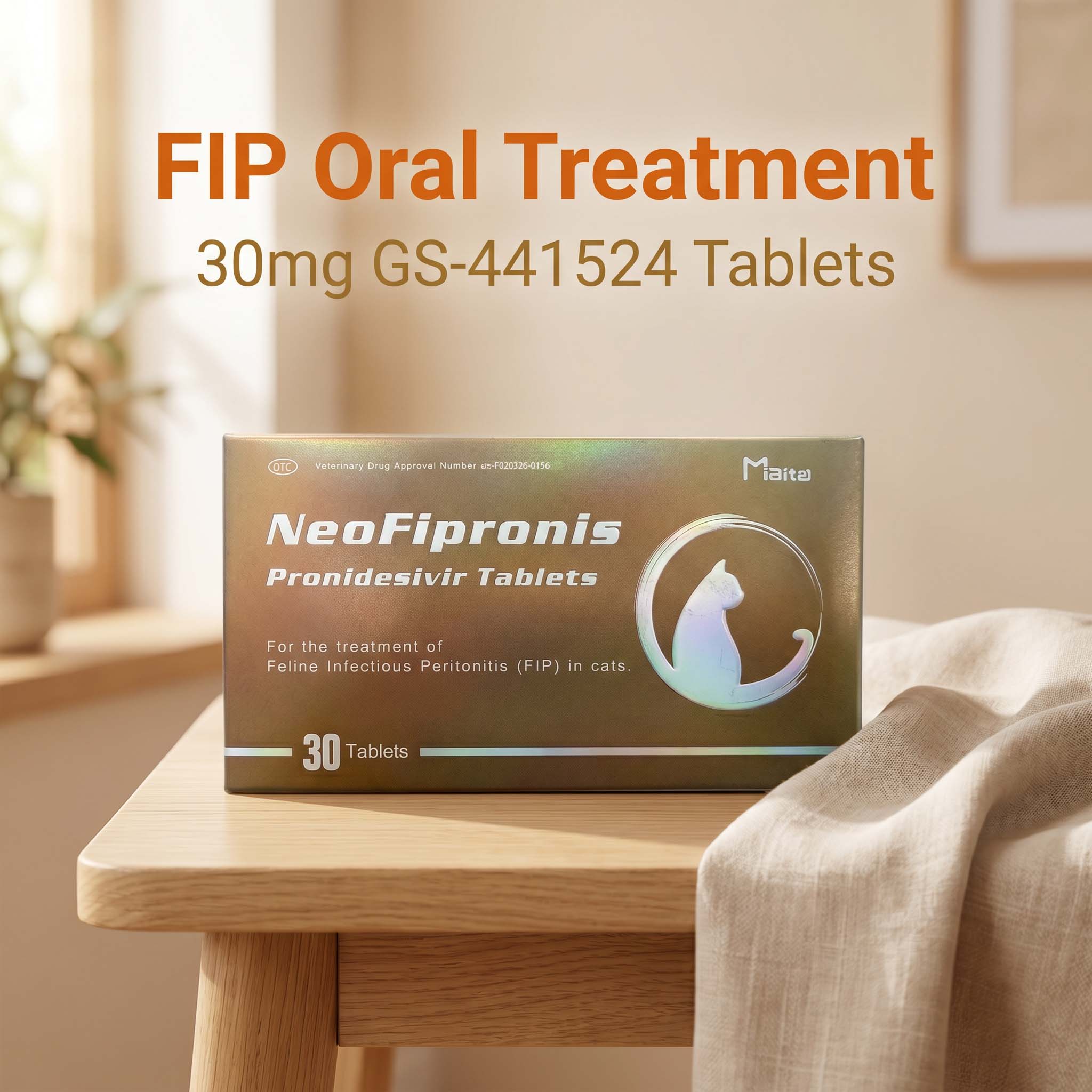
The mainstay of FIP treatment involves GS-441524, an antiviral compound available through injection or, more recently, oral formulations. Common supportive medications include corticosteroids, antibiotics, antiemetics, and nutritional supplements. These drugs, either alone or in combination, can disrupt the normal integrity and function of the intestinal mucosa.
Some cats develop hypersensitivities or intolerances to excipients in oral or injectable preparations. Broad-spectrum antibiotics—while addressing secondary infections—may further imbalance gut flora, leading to antibiotic-associated diarrhea.
3. Nutritional and Environmental Factors
Cats with FIP may experience poor appetite, rapid weight loss, and muscle wasting. Dietary imbalances, especially abrupt changes introduced to promote caloric intake, can precipitate or worsen diarrhea. Additionally, physical stressors and the emotional impact of hospitalization or frequent veterinary handling contribute to gastrointestinal disturbances.
Assessing the Severity of Diarrhea During FIP Therapy
Mild, transient diarrhea may be manageable at home, but moderate to severe diarrhea requires urgent veterinary attention. Key indicators of seriousness include:
Persistent watery stools
Blood or mucus in feces
Lethargy, vomiting, or pronounced dehydration
Marked weight loss or refusal to eat
Signs of shock (pale gums, weak pulses)
Veterinarians consider these symptoms in conjunction with the overall disease picture. Laboratory work, including blood panels and electrolyte evaluations, helps determine the extent of dehydration and organ involvement. Imaging (ultrasound or radiographs) may exclude obstructions or severe inflammatory lesions.
Impact of Diarrhea on FIP Outcomes
Unaddressed diarrhea complicates recovery by hampering hydration, nutrient absorption, and medication efficacy. In severe cases, electrolyte disturbances trigger cardiac arrhythmias and worsen other systemic complications tied to FIP. The risk of secondary infections, particularly from the gut, increases as barrier functions deteriorate. For cats receiving injectable antivirals, malabsorption due to diarrhea may reduce drug bioavailability and therapeutic success.
Management Strategies: Treating Diarrhea During FIP Care
1. Fluid & Electrolyte Support
Rehydration is the cornerstone of feline diarrhea management. Subcutaneous or intravenous fluids may be administered to maintain hydration and restore electrolyte balance, particularly in weak or anorexic patients. Oral rehydration solutions formulated for veterinary use may help in mild cases.
2. Dietary Adjustments
Veterinarians often advise highly digestible, low-residue diets during therapy. Prescription foods designed for gastrointestinal sensitivity can reduce stool frequency and restore nutritional balance. Small, frequent feedings are preferable. Abrupt diet changes should be avoided.
3. Probiotics & Prebiotics
Restoring healthy gut flora is pivotal. Veterinary-formulated probiotics (such as Fortiflora or Proviable) aid in stabilizing the microbiome disrupted by antibiotics or disease. Prebiotics consider fiber supplementation, which may help bind stools and provide nourishment for beneficial bacteria.
4. Medication Adjustments
Antidiarrheals (such as kaolin-pectin or metronidazole) may be used sparingly and according to veterinary guidance. Reducing the dosages or switching the types of medications contributing to diarrhea—especially antibiotics or corticosteroids—is considered based on risk and benefit.
5. Monitoring and Follow-Up
Continuous assessment is essential. Cat owners should record stool frequency and appearance using standard color and consistency charts. Regular veterinary re-examinations ensure timely intervention for worsening symptoms.
Differentiating Drug-Related vs Disease-Related Diarrhea
The challenge lies in discerning whether diarrhea stems from the underlying FIP or the prescribed medications. GS-441524 is generally well tolerated, but reports of short-term gastrointestinal upset, particularly with oral formulations, have increased.
Corticosteroids, once the mainstay of FIP palliation, are now used more judiciously due to evidence that immunosuppression worsens overall prognosis. However, they still play a role in managing specific symptoms and complications. Long-term use, however, increases the risk of thinning the gut wall, increasing diarrhea risk.
Supportive Medication Adverse Effects
Other commonly prescribed drugs during FIP therapy include antiemetics (maropitant, ondansetron), appetite stimulants (mirtazapine), and antibiotics. While these help with specific symptoms, each carries the risk of causing or worsening GI upset. Maropitant is generally safe, but mirtazapine, and some antibiotics, can cause diarrhea.
Recognizing Complications Beyond Diarrhea
In cats with persistent diarrhea on FIP therapy, clinicians monitor for:
Protein-losing enteropathy (loss of albumin and globulins through the gut)
Secondary bacterial infections (Clostridium perfringens, Salmonella)
Intestinal perforations (rare, but devastating)
Pancreatic involvement (pancreatitis)
Electrolyte abnormalities (hypokalemia, acidosis)
Quality of Life Concerns
Diarrhea affects comfort, appetite, and grooming in cats. Owners may observe increased hiding, reduced mobility, and loss of normal behaviors. Adequate litter box hygiene and supportive care are fundamental. Owners play a significant role in monitoring and reporting symptoms.
Prognosis: Does Diarrhea Worsen FIP Outcomes?
The prognosis in FIP-treated cats depends on multiple factors—early diagnosis, access to antivirals, disease severity at presentation, immune status, and secondary complications like diarrhea. Mild, transient diarrhea is not usually a direct threat if managed correctly. Persistent or severe diarrhea, especially with other complications, can dramatically affect therapeutic success and survival odds.
Cat owners should understand that diarrhea is a flag for systemic disturbance, either from the disease or its treatment. Swift intervention, fluid support, and close communication with veterinary staff will greatly improve chances of recovery and minimize suffering.
Preventive Measures During FIP Treatment
1. Introduce dietary changes slowly.
2. Use probiotics or prebiotics in consultation with veterinarians.
3. Avoid unnecessary antibiotics.
4. Monitor hydration and litter box usage daily.
5. Seek veterinary assessment for persistent symptoms, especially if lethargy or vomiting is present.
Latest Research on FIP Treatments and GI Side Effects
Recent research into GS-441524 has revealed that gastrointestinal side effects are more common with oral formulations than injectable ones. Studies suggest that concurrent probiotic therapy, careful diet management, and gradual medication introduction can mitigate most symptoms.
Clinical guidelines now recommend pre-treatment blood work, including baseline liver and kidney function, to screen for risk factors that may amplify drug or disease-driven GI disturbances.
Practical Guidance for Cat Owners and Veterinarians
Prompt reporting of symptoms, careful medication management, and supportive nutritional care are pillars of modern FIP therapy. Diarrhea should not be dismissed as an inconsequential side effect—it can signal worsening disease, adverse drug reactions, or secondary infection. Timely intervention, appropriate diagnostics, and supportive care will maximize positive outcomes in even the most challenging FIP cases.
References
1. Pedersen, N.C. (2020). "Update on feline infectious peritonitis." Vet Clin North Am Small Anim Pract 50(5): 1001-1032.
2. Murphy, B. et al. (2022). "GS-441524 treatment for feline infectious peritonitis: Clinical outcomes and gastrointestinal side effects." Journal of Feline Medicine and Surgery.
3. Addie, D. et al. (2023). "FIP treatment guidelines: Current evidence-based recommendations." Veterinary Record 192(3): 117.
4. Stout, T. et al. (2020). "Managing diarrhea in feline patients." Compendium: Continuing Education for Veterinarians 42(4): 209-220.
5. Hartmann, K. (2021). "Diagnosis, clinical studies, and therapy of feline infectious peritonitis." Tierarztl Prax Ausg K Kleintiere Heimtiere 49(4): 212-222.
6. Wang, L. et al. (2023). "Antiviral therapy effects and side effects in FIP cats: A retrospective review." Feline Health Research Journal.
7. Sykes, J.E. (2022). "Investigating chronic diarrhea in cats." Vet Clin North Am Small Anim Pract 52(5): 1119-1136.
8. Cameron, R. et al. (2024). "Supportive care in FIP management: Nutritional and hydration strategies." Practical Feline Medicine.
9. American Association of Feline Practitioners (2024). "FIP and gastrointestinal management protocols." Feline Practice Guidelines.
10. DeMonaco, S. et al. (2020). "Antibiotic stewardship in feline medicine: Avoiding unnecessary GI disturbances." Veterinary Internal Medicine Journal.