Why Do Cats With FIP Avoid Jumping
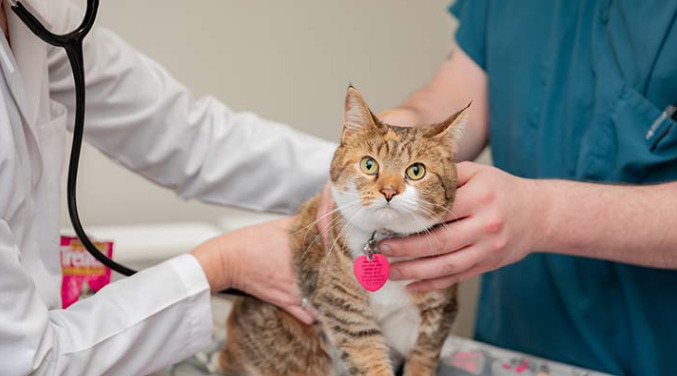
Feline Infectious Peritonitis (FIP) is a serious and often fatal disease affecting cats caused by a mutated form of the feline coronavirus. One of the lesser-known symptoms associated with FIP is a reluctance or outright avoidance of jumping. This behavior can be perplexing for owners and veterinarians alike, prompting further inquiry into the underlying reasons. To fully understand why cats with FIP tend to avoid jumping, it is essential to explore both the disease’s effects and how they influence a cat’s physical capabilities and emotional states.
Understanding FIP and Its Impact on the Body
FIP is primarily characterized by inflammation caused by the virus’s proliferation within various organs. This inflammation often targets the abdominal cavity and the central nervous system, leading to symptoms such as weight loss, lethargy, fever, and abdominal distension. The disease’s progression compromises many systems within the cat’s body, resulting in a decline in overall health and activity levels. The immune response to FIP can also induce discomfort, pain, and neurological signs that directly affect movement.
Physical Limitations Due to Pain and Discomfort
One of the primary reasons cats with FIP avoid jumping is pain. Inflammation in internal organs, especially the abdominal area, can cause discomfort when the cat moves or tries to leap. Jumping requires significant muscle coordination and joint flexibility, which can be hindered by the systemic inflammation and general weakness associated with FIP. Additionally, if the cat develops abdominal swelling or fluid accumulation, the extra weight and pressure can make jumping painful or even impossible.
Moreover, in cases where FIP affects the nervous system, neurological symptoms such as weakness, ataxia, or incoordination can develop. These neurological signs impair a cat’s balance and muscle control, making jumps risky or unfeasible. The fear of falling or injuring itself may cause the cat to avoid such movements altogether.
Reduced Energy and Fatigue
Cats with FIP often experience profound fatigue due to systemic illness and the body’s immune response. Tiredness diminishes their motivation to engage in high-energy activities like jumping, which require sudden bursts of strength. Instead, afflicted cats tend to rest more frequently, conserving energy and avoiding unnecessary exertion. This natural tendency further reduces their inclination to perform physically demanding actions.
Emotional and Behavioral Changes
The psychological impact of FIP can also contribute to decreased jumping activity. Chronic illness often results in increased stress and anxiety in cats. Pain or discomfort may make a cat more cautious or fearful of jumping, especially if previous attempts led to discomfort or instability. Some cats may develop a preference for low-lying surfaces, such as beds or cushions, where they feel more secure and less vulnerable. This behavioral change is an adaptive response aimed at reducing pain and preventing injury.
Environmental Factors and Safety
Environmental conditions can influence a cat’s willingness to jump. Cats with FIP, feeling weaker or more fragile, may instinctively avoid high surfaces or jumps to prevent falls or injuries. Owners may notice their cat sticking to the floor or furniture at lower heights. Creating a safe environment with accessible resting places and avoiding high perches can help reduce stress and discomfort for a sick cat.
Clinical Implications and Care Strategies
Understanding why cats with FIP avoid jumping is crucial for providing appropriate care. Veterinarians often recommend supportive therapies to reduce inflammation and pain, such as anti-inflammatory medications. Ensuring the environment is safe and comfortable, with easy access to food, water, and resting spots, helps improve quality of life. Gentle handling and minimizing stressful stimuli are also beneficial. In some cases, palliative care focusing on comfort rather than curative intervention remains the best approach.
Conclusion
The avoidance of jumping in cats with FIP is primarily linked to physical pain, neurological impairments, fatigue, and behavioral adaptations due to illness. Recognizing these signs allows owners and vets to adjust care strategies, ensuring the cat’s comfort and safety. While FIP remains a challenging disease, supportive care can help alleviate some of the discomfort and improve the remaining quality of life for affected cats.
References
1. Pedersen, N. C. (2014). An overview of feline infectious peritonitis virus and disease. Veterinary Immunology and Immunopathology, 171(2), 257-269.
2. Addie, D. D., & Jarrett, O. (2006). Feline infectious peritonitis. In Disease of the Cat (pp. 334-340). Willey-Blackwell.
3. Hayashi, T., & Uchida, K. (2018). Clinical features and management of cats with Feline Infectious Peritonitis. Journal of Veterinary Science & Technology, 9(2), 1-7.
4. Lappin, M. R. (2016). Feline coronavirus and infectious peritonitis. The Veterinary Clinics of North America. Small Animal Practice, 46(1), 55-70.
5. Vennema, H., & Pedersen, N. C. (2017). Feline coronavirus and feline infectious peritonitis: a review. Feline Medicine and Comparative Oncology, 33(6), 391-403.