Does FIP Cause Liver Damage
Feline Infectious Peritonitis (FIP) is a complex and often fatal disease caused by a mutated form of the feline coronavirus (FCoV). While FIP primarily targets various tissues and organs, its relationship with liver damage has been a subject of ongoing research and clinical observation. Understanding whether FIP leads to hepatic injury involves examining the disease's pathology, clinical signs, and diagnostic findings.
Pathophysiology of FIP and Its Impact on the Liver
FIP manifests in two forms: the effusive (wet) form and the non-effusive (dry) form. Both types involve an immune-mediated response that results in widespread inflammation. The dry form, in particular, tends to produce granulomatous lesions in multiple organs, including the liver.
The mutated coronavirus prompts an exaggerated immune response, leading to granulomatous inflammation within the tissues. In the liver, this can result in the formation of granulomas that interfere with normal hepatic architecture. These granulomas may cause focal or diffuse liver damage, impairing the organ’s function over time.
Histopathological Evidence of Liver Involvement
Microscopic examination of affected tissues often reveals characteristic granulomatous inflammation in the hepatic parenchyma. These granulomas may contain macrophages, lymphocytes, and multinucleated giant cells, indicating an ongoing immune response to the viral or immune complexes.
In some cases, periportal hepatocellular necrosis and fibrosis accompany granuloma formation. Such histopathological changes suggest that FIP can directly or indirectly lead to liver tissue injury. The extent of damage varies among individual cases, influenced by the severity and duration of the disease.
Clinical Signs and Laboratory Findings
Cats with FIP-related liver involvement often display nonspecific signs such as anorexia, weight loss, and lethargy, which can be attributed to systemic illness. Hepatic dysfunction might manifest as jaundice, hepatomegaly, or abdominal discomfort.
Laboratory tests frequently reveal deviations in liver enzymes, notably elevated alanine aminotransferase (ALT) and alkaline phosphatase (ALP). Hyperbilirubinemia may also be present, especially in cases with significant hepatocellular damage or bile flow obstruction. These findings, however, are not specific to FIP and require correlation with clinical and diagnostic data.
Imaging Techniques and Their Role in Detecting Liver Damage
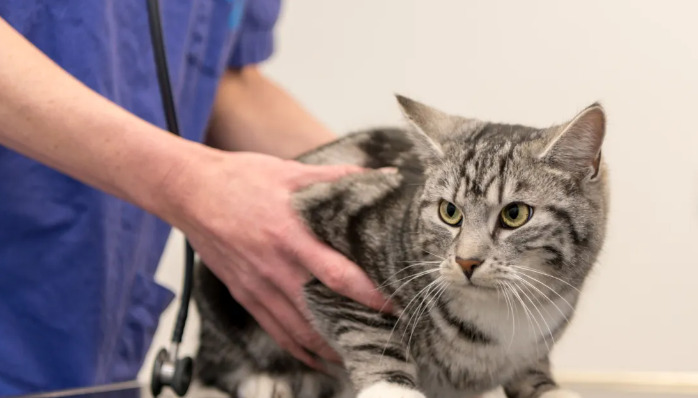
Ultrasound examinations can identify hepatomegaly, irregular liver borders, or hypoechoic/hyperechoic lesions consistent with granulomatous infiltration. While imaging provides valuable clues, it cannot definitively diagnose FIP-induced hepatic injury but supports the suspicion when combined with other findings.
Computed tomography (CT) scans, although less commonly utilized, may offer more detailed visualization of hepatic lesions and their extent, aiding in differential diagnosis and disease staging.
Differential Diagnoses and Overlapping Conditions
Liver abnormalities in cats with FIP may resemble those caused by other infectious, inflammatory, or neoplastic processes. Cytology and biopsy are essential to distinguish FIP-related granulomas from neoplastic infiltration, bacterial abscesses, or other granulomatous diseases such as fungal infections or parasitic infestations.
Since FIP often involves multiple organs, concurrent hepatic involvement must be interpreted within the broader context of systemic disease, considering the presence of effusions or other characteristic signs.
Treatment Challenges and Prognostic Implications
Therapies for FIP remain limited, with most supportive measures focusing on managing symptoms. Anti-inflammatory drugs and immunosuppressants may temporarily alleviate inflammation but do not eliminate the underlying viral mutation or associated organ damage.
Liver damage caused by FIP tends to be progressive and often irreversible. The presence of hepatic lesions indicates a more advanced disease stage, generally correlating with a poorer prognosis. Therefore, early detection and differentiation of liver involvement are crucial for prognosis and management strategies.
Emerging Research and Future Directions
Recent advances in antiviral therapies and immune modulators provide hope for altering the disease course. Studies exploring the use of nucleoside analogs or monoclonal antibodies aimed at the coronavirus show potential. Investigating how these treatments influence hepatic lesions could offer insights into reversing or halting liver damage associated with FIP.
Moreover, ongoing research into genetic susceptibilities might help identify cats at higher risk for developing severe hepatic involvement, paving the way for targeted interventions.
Independent Insights
Given the granulomatous nature of FIP, the liver's vulnerability to immune-mediated damage becomes evident. While direct viral cytotoxicity may play a lesser role, the immune response substantially contributes to hepatic pathology. Understanding this balance is key to developing therapies that modulate immune responses without exacerbating tissue injury.
Considering the intricate relationship between systemic inflammation and organ-specific damage, future diagnostic approaches may include advanced imaging combined with molecular markers to better evaluate hepatic involvement in FIP. Early intervention remains a challenge, making continued research vital to improving outcomes for affected cats.
In many cases, FIP’s impact on the liver underscores the importance of a multidisciplinary approach, combining clinical assessment, laboratory diagnostics, imaging, and histopathology. As our understanding deepens, so does the potential for more targeted and effective treatments that could mitigate liver damage and enhance survival prospects.