What to do if a cat gets FIP
Feline Infectious Peritonitis (FIP) is a complex and often devastating disease that affects cats, caused by a mutation of the feline coronavirus. It can present in various forms, primarily as effusive (wet) or non-effusive (dry) FIP, each with different symptoms and prognoses. While FIP was once considered almost always fatal, recent developments in treatment options offer hope. Here are essential steps to take if your cat is diagnosed with FIP, along with insights into managing this challenging condition.
Consult a Veterinary Specialist Immediately
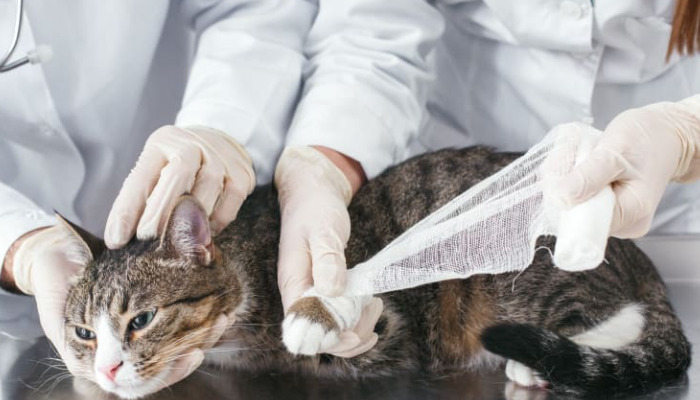
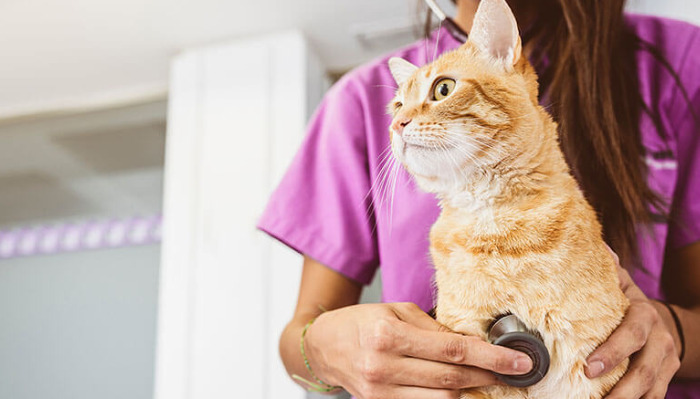
The first action upon suspicion or diagnosis of FIP is to seek consultation from a veterinarian experienced with feline infectious diseases. A comprehensive examination, including blood tests, imaging, and possibly laboratory analysis of effusions or tissue biopsies, is critical for accurate diagnosis. Species-specific diagnostics like RT-PCR or immunohistochemistry can distinguish FIP from other conditions with similar symptoms.
Note: Avoid relying on home testing kits or unverified remedies. Accurate diagnosis is vital to determine the appropriate course of action and avoid unnecessary treatments.
Explore Advanced Therapeutic Options
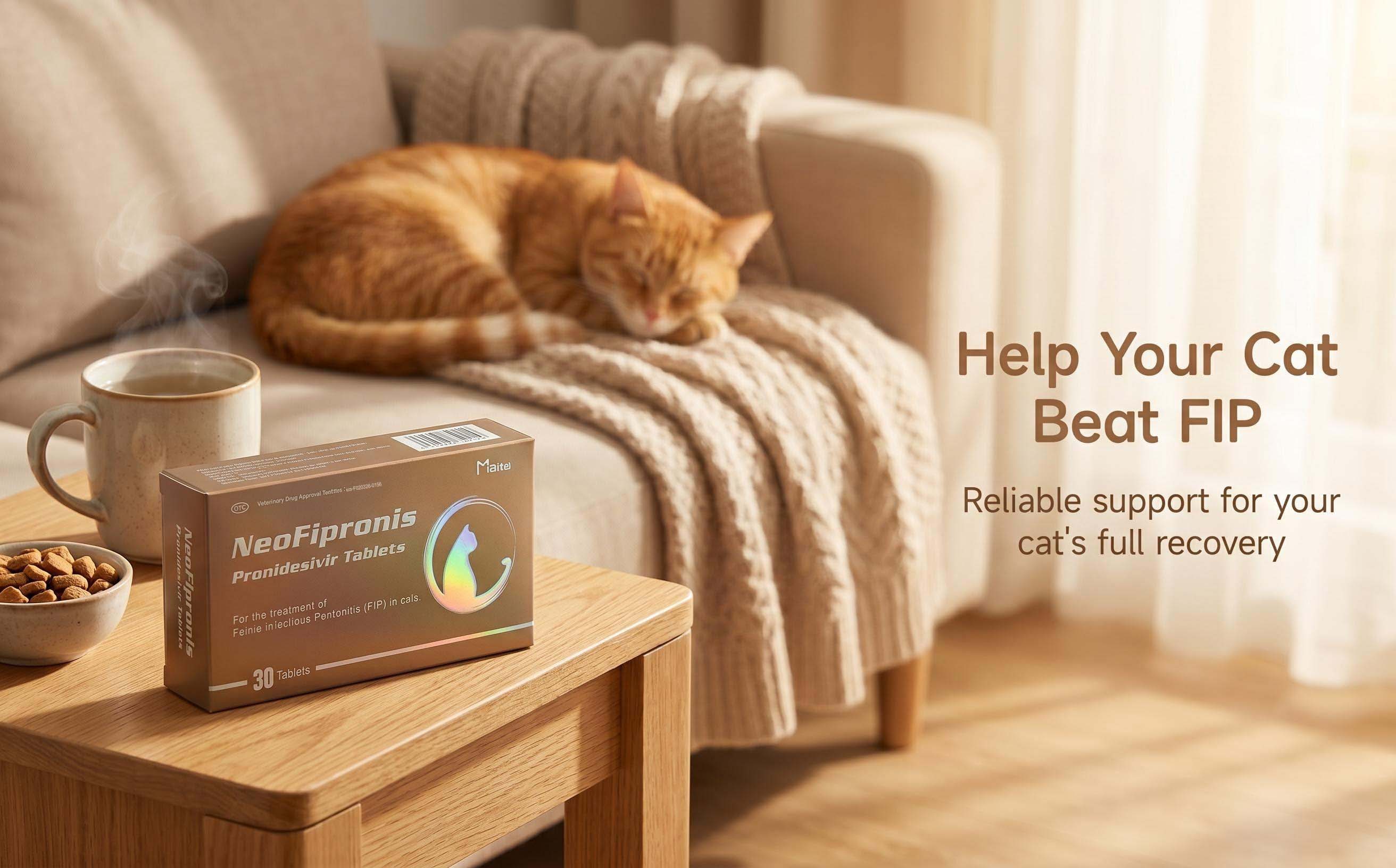
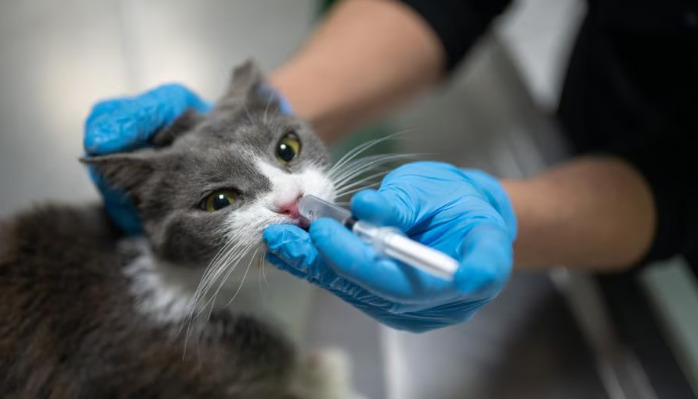
Recent breakthroughs have introduced antiviral drugs, such as GS-441524, which show promising results in treating FIP. While not yet officially licensed everywhere, these medications have significantly increased survival rates.
Implementation Tips:
Always administer these drugs under veterinary supervision
Follow precise dosing protocols
Monitor your cat for any adverse effects
Keep detailed records of symptoms and responses to treatment
Important: These therapies are most effective when begun early in the disease course, underscoring the need for prompt diagnosis.
Supportive and Symptomatic Care
Managing FIP often entails supportive care tailored to your cat's needs. This includes:
Ensuring proper hydration through subcutaneous fluids
Providing a high-protein, easily digestible diet to bolster immunity
Maintaining a stress-free, comfortable environment
Administering pain relievers and anti-inflammatory medications as prescribed
Managing secondary infections with antibiotics if indicated
This holistic approach alleviates discomfort and enhances the quality of life during treatment.
Monitor and Adjust Care Strategies Regularly
Frequent veterinary check-ups are essential to assess response to therapy and to modify treatment plans accordingly. Laboratory tests can monitor inflammatory markers, organ function, and overall health status.
Pro tip: Keep detailed logs of your cat's behavior, appetite, weight, and any changes, aiding in informed decision-making.
Controlling Disease Spread and Protecting Other Cats
FIP arises from a mutated version of the feline coronavirus, which is common in multi-cat households.
Practice rigorous hygiene, disinfecting bedding, litter boxes, and shared spaces regularly
Minimize stress and overcrowding to prevent viral proliferation
Maintain good litter box hygiene to reduce viral load
Limit contact with new or potentially infected cats, especially during outbreaks
While FIP itself isn’t contagious, controlling coronavirus transmission can reduce the risk of mutations leading to FIP.
Implementing Preventative Measures
Prevention is challenging because many cats carry dormant feline coronavirus without developing FIP.
Ensure young kittens and vulnerable cats have a healthy, stress-free environment
Consider vaccination where approved; though its efficacy varies, it may provide some protection
Opt for regular health checkups and early detection strategies
By reducing exposure to viral loads, you can lower the chances of mutation into the pathogenic FIP form.
Investigate Nutritional and Immune-Boosting Supplements
Emerging research suggests that supporting immune health can help combat FIP. While not a cure, supplements like omega-3 fatty acids, antioxidants, and certain probiotics may contribute to overall well-being.
Important: Always consult your veterinarian before adding any supplements to your cat’s diet, especially during illness.
Stay Informed on Research and Legal Treatments
Given the rapidly evolving landscape of FIP treatment, keeping abreast of current research, experimental therapies, and legal regulations is advantageous. Participate in or follow reputable feline health studies, and consult with veterinary professionals about emerging options.
Suggestion: Connect with feline health networks and support groups to share experiences and gain insights into managing FIP.
Recognize the Psychological Impact
A diagnosis of FIP can be emotionally taxing. It’s vital to seek emotional support, whether through friends, family, or pet support communities. Sharing experiences and learning from others facing similar challenges can provide comfort and practical advice.
Tip: Remember that compassionate caregiving and maintaining a calm environment benefit your cat’s mental health alongside physical treatment.
Considering Palliative Care
In cases where aggressive therapy isn’t feasible or desired, focusing on palliative care to keep your cat comfortable becomes paramount. This includes:
Providing a cozy, quiet space
Ensuring easy access to food and water
Managing pain effectively
Respecting your cat’s comfort and dignity remains a priority when curative options are limited.
Persistently monitoring your cat’s condition and staying informed about advances in FIP management allows for the best possible care. While FIP is formidable, recent developments have transformed the prognosis for many cats, transforming a once hopeless diagnosis into a manageable condition with a focus on quality of life.