Daily Signs of FIP Cat Owners Can Observe At Home
Feline Infectious Peritonitis (FIP) is a complex and often fatal disease caused by certain strains of the feline coronavirus. Although it primarily affects cats with weakened immune systems, early detection can improve management and quality of life. Pet owners play a vital role in observing subtle changes to catch potential symptoms early. This article explores daily signs owners can look for to identify possible FIP symptoms at home, emphasizing the importance of regular observation and prompt veterinary consultation.
Understanding FIP and Its Types
FIP manifests mainly in two forms: the effusive (wet) form and the non-effusive (dry) form. The wet form is characterized by fluid accumulation within the abdomen or chest, leading to noticeable swelling. The dry form involves granulomatous lesions in organs such as the kidneys, liver, or eyes, often resulting in more subtle signs. Recognizing early indicators requires attentive daily monitoring of your cat’s behavior and physical appearance.
Behavioral Changes
One of the earliest signs of FIP can be behavioral shifts that appear gradually over days or weeks. Owners should be vigilant for decreased activity levels: lethargy, reluctance to jump, or lack of interest in play are common. A sudden decrease in appetite or refusal to eat can also signal illness. Watch for hiding or withdrawal from social interactions with family members or other pets—these changes can indicate discomfort or illness.
Physical Signs to Watch For
Physical symptoms are often subtle initially but become more evident as the disease progresses. Daily inspections can help detect these signs early:
Weight Loss: Unexplained weight loss despite regular feeding routines is a red flag. Regularly weighing your cat or noting changes in body condition provides valuable clues.
Fever: You might notice your cat feels warmer than usual or has a persistent low-grade fever. While you can’t measure temperature directly, behavioral signs such as seeking warm spots or seeking extra blankets may hint at fever.
Changes in Coat and Skin: Dull, unkempt fur and skin sores or inflammation can be linked to FIP-related organ involvement. Regular grooming observations can help detect these changes early.
Eye and Cranial Signs: In dry FIP, inflammation in the eyes can cause changes such as cloudy corneas, redness, or tearing. Observe daily for any visual disturbances or discomfort.
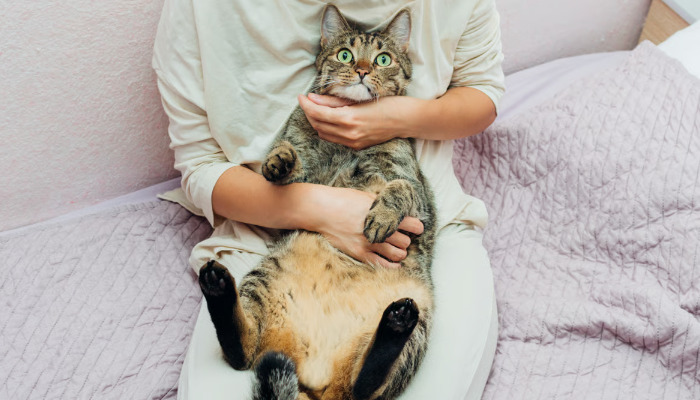
Swelling and Ascites: The wet form results in fluid accumulation, leading to abdominal swelling or distension. Gently palpating the abdomen can sometimes reveal firm or enlarged areas.
Respiratory Symptoms: Coughing, labored breathing, or nasal discharge may occur if the chest cavity is affected by fluid or granulomas.
Monitoring Specific Symptoms
Daily routine examinations provide an opportunity to catch early signs of FIP:
Visual Inspection: Check for any swelling or asymmetry in the abdomen or chest.
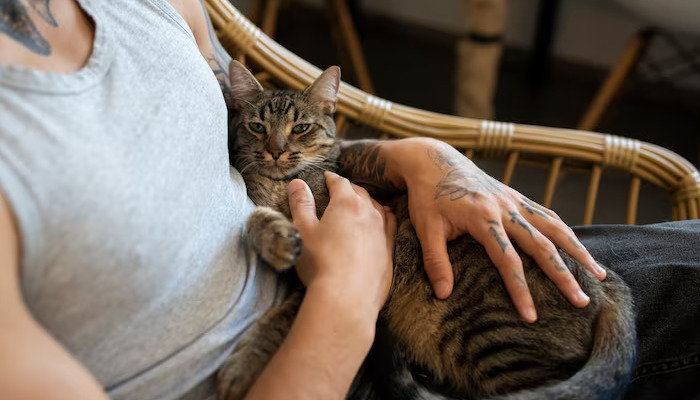
Touch and Palpation: Gently feel your cat’s abdomen for unusual firmness or swelling.
Behavioral Observation: Note any changes in activity, sleep patterns, or social behaviors.
Monitoring Appetite and Weight: Keep a record of feeding patterns and weight changes.
Eyes and Nose: Regularly examine your cat’s eyes and nasal area for signs of inflammation or discharge.
Maintaining a Symptom Log
Keeping a daily diary of your cat’s behavior, appetite, weight, and physical condition can be an invaluable tool in detecting early symptoms. Accurate documentation helps veterinarians understand the disease’s progression and can aid in decision-making regarding diagnostics and treatment options.
When to Seek Veterinary Help
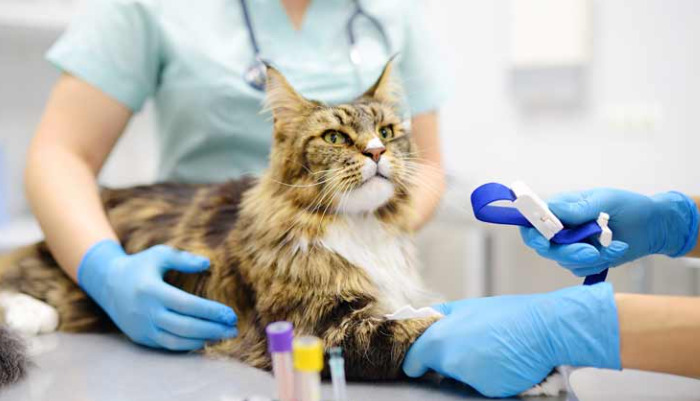
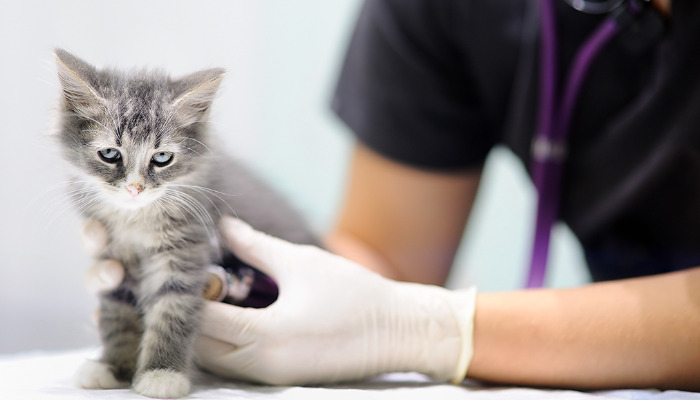
While daily signs can guide early suspicion, definitive diagnosis of FIP requires veterinary testing. However, timely veterinary consultation is critical if you notice:
Persistent lethargy or depression
Sudden or gradual weight loss
Abdominal distension
Unexplained fever lasting more than a couple of days
Changes in eye appearance or behavior indicating discomfort
Early professional evaluation increases the chances of managing symptoms effectively and improving your cat’s comfort.
Prevention and Care
Prevention focuses on reducing exposure to feline coronavirus and maintaining overall health through regular veterinary check-ups and good hygiene. Since FIP develops from mutations in common coronaviruses, keeping indoor cats and minimizing stress can also reduce risk. Prompt attention to daily signs and early intervention are the best strategies pet owners have to combat this disease's severity.
Summary
Daily vigilance is essential for cat owners aiming to detect early signs of FIP. Behavioral changes like lethargy, decreased appetite, and withdrawal, combined with physical signs such as weight loss, abdominal swelling, and eye abnormalities, can serve as early warning indicators. Regularly monitoring and documenting these signs will help ensure prompt veterinary assessment and improve the quality of life for affected cats.
References
1. Addie, D. D., & Jarrett, O. (2001). Feline coronavirus infections. Veterinary Microbiology, 83(4), 327-344.
2. Pedersen, N. C. (2014). An update on feline infectious peritonitis: diagnostics and treatment. The Veterinary Journal, 201(2), 133-138.
3. Kipar, A., & Meli, M. L. (2014). Feline infectious peritonitis: still an enigma? Vet Pathol, 51(2), 505-526.
4. Hartmann, K. (2010). Feline infectious peritonitis. The Veterinary Clinics of North America. Small Animal Practice, 40(3), 485-498.
5. Addie, D. D., et al. (2009). Feline coronavirus infection: diagnostic considerations. Veterinary Microbiology, 133(4), 313-319.