Is FIP More Common in Multi-Cat Environments
Feline Infectious Peritonitis (FIP) is a fatal disease that poses a serious threat to domestic cats worldwide. Caused by a mutation of the feline coronavirus (FCoV), FIP often puzzles veterinarians and cat owners alike due to its unpredictable progression and devastating outcomes. A common question arises among cat caregivers and breeders: Is FIP more prevalent in multi-cat environments, such as shelters, catteries, and large households, compared to homes with a single cat? This article delves deep into the scientific evidence, environmental factors, transmission routes, and risk mitigation strategies to clarify the correlation between FIP incidence and multi-cat settings.
Understanding Feline Infectious Peritonitis
FIP results from a complex interaction between feline coronavirus and the cat's immune system. While many cats may carry FCoV in their intestines without significant symptoms, a rare mutation in the virus can trigger a severe, systemic illness—FIP. The disease presents in two main forms: the effusive (“wet”) form, marked by fluid accumulation in body cavities, and the non-effusive (“dry”) form, which involves organ inflammation and granuloma formation.
Most cats exposed to FCoV remain asymptomatic or develop only mild, transient diarrhea. Only a small minority, estimated at 5-10% of FCoV-infected cats, advance to FIP. Why some cats fall victim while others remain healthy is still the subject of ongoing research.
Feline Coronavirus Transmission Dynamics
FCoV spreads among cats primarily via the fecal-oral route. This means virus particles are shed in the feces and ingested via contaminated litter, food, or grooming activities. In densely populated environments where cats share litter boxes, food bowls, and interact closely, the chances of viral transmission skyrocket.
Kittens and young cats, whose immune systems are not fully developed, are particularly susceptible to infection. Furthermore, the persistence of FCoV in the environment, especially in poorly sanitized spaces, increases the risk of continuous transmission cycles among resident cats.
Multi-Cat Environments: Key Risk Factors for FIP
Numerous studies have documented that FCoV prevalence is much higher in multi-cat settings. Catteries, rescue shelters, and households with several cats often report FCoV infection rates of 70-90%, compared to less than 30% in single-cat homes. The crowded conditions, frequent introduction of new cats, shared resources, and high stress levels—often associated with competition and social hierarchy—are major contributors to this phenomenon.
The following factors make multi-cat environments an ideal ground for FIP development:
1. High Population Density
Increased contact rates allow for efficient transmission of FCoV among cats.
2. Shared Litter Boxes and Food Bowls
Cats sharing the same hygiene facilities are more likely to ingest virus from contaminated surfaces.
3. Frequent Introduction of New Cats
Newcomers may introduce fresh strains of FCoV, increasing the genetic diversity and risk of mutation.
4. Stress and Immunosuppression
Social stress, over-crowding, and frequent changes in group composition weaken immune defenses, promoting FIP progression.
5. Poor Sanitation and Ventilation
Persistent virus reservoirs in inadequately cleaned environments facilitate reinfection.
Single-Cat Homes: A Lower-Risk Scenario
While FCoV is not an uncommon visitor in single-cat homes, the opportunities for transmission are much more limited. Cats in solo households generally do not come into contact with fresh virus sources, reducing the likelihood of becoming infected. If a cat already has FCoV, the absence of ongoing exposure often allows the immune system to control the infection, decreasing the chance of mutation and FIP emergence.
Veterinarians consistently observe that FIP cases arise with greater frequency in multi-cat environments, especially among kittens and young adults within crowded settlements.
Scientific Evidence: Epidemiological Studies
Multiple epidemiological investigations have confirmed the increased rates of FCoV and FIP in settings housing multiple cats. A landmark study published in the Journal of Feline Medicine and Surgery tracked FCoV infections in shelters, breeders, and private homes over five years, revealing FIP incidence rates as high as 5% per year in multi-cat environments versus less than 0.5% in single-cat households.
Similarly, research from the United States and Europe underscores the importance of population density. Comprehensive studies demonstrate that kittens and juveniles raised in catteries have a considerably higher risk of developing FIP than those from solitary households.
Genetic factors also contribute—certain breeds, such as Bengals or Abyssinians, appear more susceptible, especially when housed with large populations of other cats. The interplay between environment and genetics further accentuates the risk in communal settings.
FCoV Shedding and Super-Shedders
A crucial aspect in multi-cat environments is the presence of “super-shedders.” These are cats that continuously shed large amounts of virus, fueling the infectious cycle. In most cases, super-shedders do not exhibit symptoms, but their feces remain highly contagious. Identifying and managing these super-shedders is challenging, especially in large groups with constant member turnover.
Routine FCoV testing, isolation protocols, and increased sanitation can help reduce the prevalence of super-shedders in communal housing but are rarely implemented outside of high-end breeding programs.
Environmental Stress and Immune Suppression
Stress is a key driver in the progression from FCoV infection to FIP. Frequent changes—such as moving to a new facility, introduction of new cats, changes in routine, or hierarchical disputes—can compromise immune function, accelerating virus mutation and disease development.
Studies confirm that minimizing stress and maintaining a stable, harmonious environment significantly lowers FIP risk, even in populations where FCoV exposure is high. The psychological well-being of cats is an often-overlooked aspect in disease control but plays a decisive role.
Sanitation, Hygiene, and Preventive Measures
Prevention in multi-cat environments focuses on sanitation, selectivity, and stress management. Recommendations include:
Separate Litter Boxes: Assigning one box per cat and cleaning litter daily reduce fecal-oral transmission.
Routine FCoV Testing: Early detection of shedders helps limit community spread.
Quarantine Protocols: Isolating new arrivals for at least 2 weeks prevents introduction of new virus strains.
Stress Reduction: Providing hiding places, vertical space, and limiting group changes support immune health.
Regular Cleaning: Disinfecting shared surfaces, bedding, and bowls curtails environmental contamination.
Limiting Population Growth: Avoiding overcrowding through controlled breeding and adoption can reduce risk.
Breeding Practices and FIP Management
Responsible breeding is critical in minimizing FIP risk. Many breeders now screen cats for chronic FCoV shedding and maintain small, stable groups. Early weaning of kittens and limiting exposure to adults can decrease initial FCoV infection rates. Some facilities implement regular PCR testing to identify carriers and super-shedders, though such practices are rare in non-professional settings due to cost and logistical challenges.
Successful breeding programs prioritize genetic diversity, avoid unnecessary stressors, and maintain stringent hygiene protocols, all of which mitigate FIP risk.
Shelters and Rescue Centers: Special Considerations
Shelters face unique challenges due to their large, transient populations. Cats arrive from varied backgrounds, often stressed and immunosuppressed. Overcrowded facilities with limited space struggle to separate individuals adequately.
Implementing strict intake assessments, isolation procedures, and rapid turnover can help. Some shelters now prioritize group housing strategies that minimize density, such as housing no more than five cats per enclosure and providing ample vertical and horizontal space. Fundraising for improved infrastructures and education among volunteers are also advancing preventive care.
Recent Advances: New Treatments and Future Directions
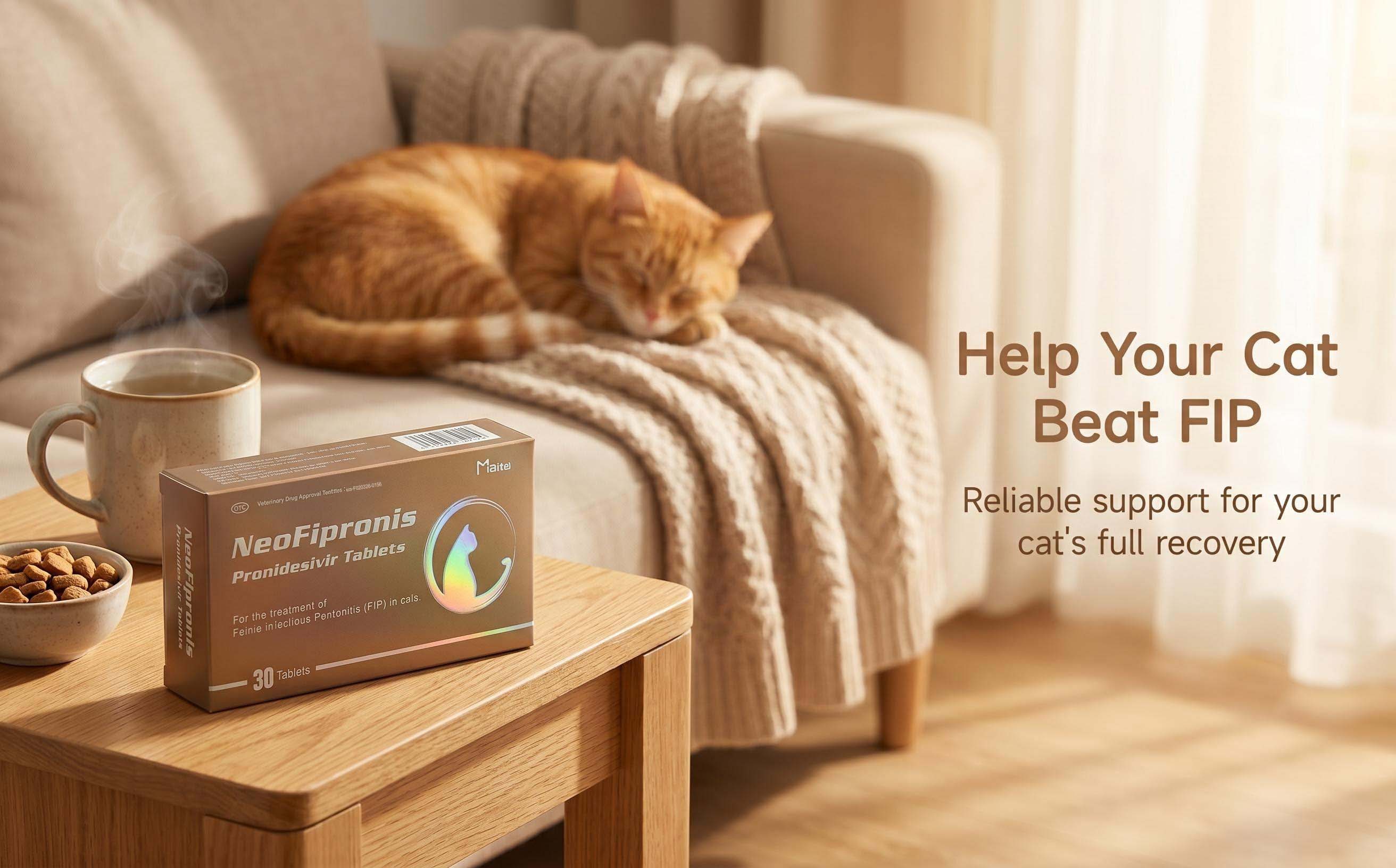
Until recently, FIP was considered universally fatal. However, new antiviral drugs, such as GS-441524 and related compounds, have shown promise in clinical trials. While not currently FDA-approved in the United States, these treatments have dramatically shifted the outlook for FIP in many regions. The emergence of effective treatment is prompting renewed interest in disease prevention and early diagnosis.
Future research is focusing on developing FCoV vaccines, refining genetic screening tools, and improving our understanding of how environmental and host factors influence disease outcomes.
Conclusion
The evidence overwhelmingly shows that FIP is more common in multi-cat environments. The high rates of FCoV transmission, environmental stress, and population density all contribute to an increased risk. While single-cat homes are not immune to the disease, the overall odds are far lower.
Cat caregivers and shelter managers can mitigate risks by focusing on hygiene, stress reduction, and careful population management. Ongoing advances in treatment and prevention offer hope for a future with greatly diminished FIP prevalence.
References
1. Pedersen, N. C. (2009). A review of feline infectious peritonitis virus infection: 1963-2008. Journal of Feline Medicine and Surgery, 11(4), 225-258.
2. Addie, D. D., et al. (2009). Feline coronavirus infection and feline infectious peritonitis. Veterinary Record, 164(15), 459-464.
3. Kipar, A., & Meli, M. L. (2014). Feline infectious peritonitis: Still an enigma? Veterinary Pathology, 51(2), 505-526.
4. Hosie, M. J., et al. (2023). Feline coronavirus and the pathogenesis of feline infectious peritonitis. Veterinary Clinics: Small Animal Practice, 53(4), 899-920.
5. Bell, E. T., et al. (2006). Feline infectious peritonitis prevalence and epidemiology in multi-cat households. Australian Veterinary Journal, 84(8), 282-289.
6. Hartmann, K. (2005). Feline infectious peritonitis. Veterinary Clinics: Small Animal Practice, 35(1), 39-79.
7. Wolfe, L. G., & Griesemer, R. A. (1966). Feline infectious peritonitis. American Journal of Veterinary Research, 27(118), 1271-1275.
8. Dewerchin, H. L., et al. (2005). Super-shedders and FCoV persistence in cat populations. Veterinary Microbiology, 109(3-4), 187-196.
9. American Association of Feline Practitioners: Feline Infectious Peritonitis Guidelines (2023).