When Should FIP Treatment Start After Diagnosis
Introduction: Feline Infectious Peritonitis (FIP) in Clinical Practice
Feline Infectious Peritonitis (FIP) stands as one of the most challenging and devastating diseases in feline medicine. Caused by a mutation of the feline coronavirus (FCoV), FIP typically evolves into a fatal condition if left untreated. The emergence of antiviral therapies such as GS-441524 and remdesivir has radically changed the prognosis of affected cats, but timing remains a critical factor. Many veterinarians and cat owners face the urgent question: when should FIP treatment begin after diagnosis? Early intervention is widely recommended, yet nuanced assessments of case severity, diagnostic certainty, and underlying health conditions shape therapeutic decisions. To inform best practices, this article reviews current evidence and clinical recommendations, exploring why, how, and when antiviral therapy for FIP should commence.
Understanding FIP: Pathogenesis and Forms of Presentation
FIP arises when a common, harmless feline coronavirus undergoes mutation inside a susceptible cat, empowering the virus to infect white blood cells and spread throughout the body. Most cats exposed to FCoV remain asymptomatic or experience mild, transient gastrointestinal symptoms. About five to ten percent, however, develop FIP—especially in multi-cat households, shelters, and catteries, where viral loads and stress levels are high.
Two major clinical forms characterize FIP: the "wet" (effusive) and "dry" (noneffusive) presentations. Wet FIP features accumulation of yellowish fluid in body cavities, rapid weight loss, fever, and lethargy. Dry FIP primarily presents with granulomas, organ enlargement, neurological signs, or ocular changes. Both forms are progressive; without intervention, mortality approaches 100%.
Diagnosis: Pinpointing FIP Amid Overlapping Symptoms
Accurate diagnosis underpins treatment decisions for FIP. The disease’s signs overlap with many other conditions, including lymphoma, bacterial peritonitis, and hepatic disorders. No single test definitively diagnoses FIP—making the process challenging. Veterinarians rely on a combination of clinical signs, laboratory findings (e.g., chronic fever, hyperglobulinemia, low albumin-to-globulin ratio), imaging, and analysis of effusions. Advanced diagnostics, such as immunohistochemistry or PCR assays targeting mutated FCoV genes in tissues or fluids, improve specificity but are not universally accessible.
The diagnostic workflow for suspected FIP has improved thanks to updated guidelines. The highest predictive value comes from identifying characteristic clinical signs (persistent fever unresponsive to antibiotics, ascites or pleural effusion in young cats), laboratory markers, and positive PCR or immunofluorescence assays for FCoV in effusion or granulomatous tissue. Still, uncertainty persists, particularly for patients with atypical or early-stage disease.
Antiviral Therapy: GS-441524, Remdesivir, and Their Impact
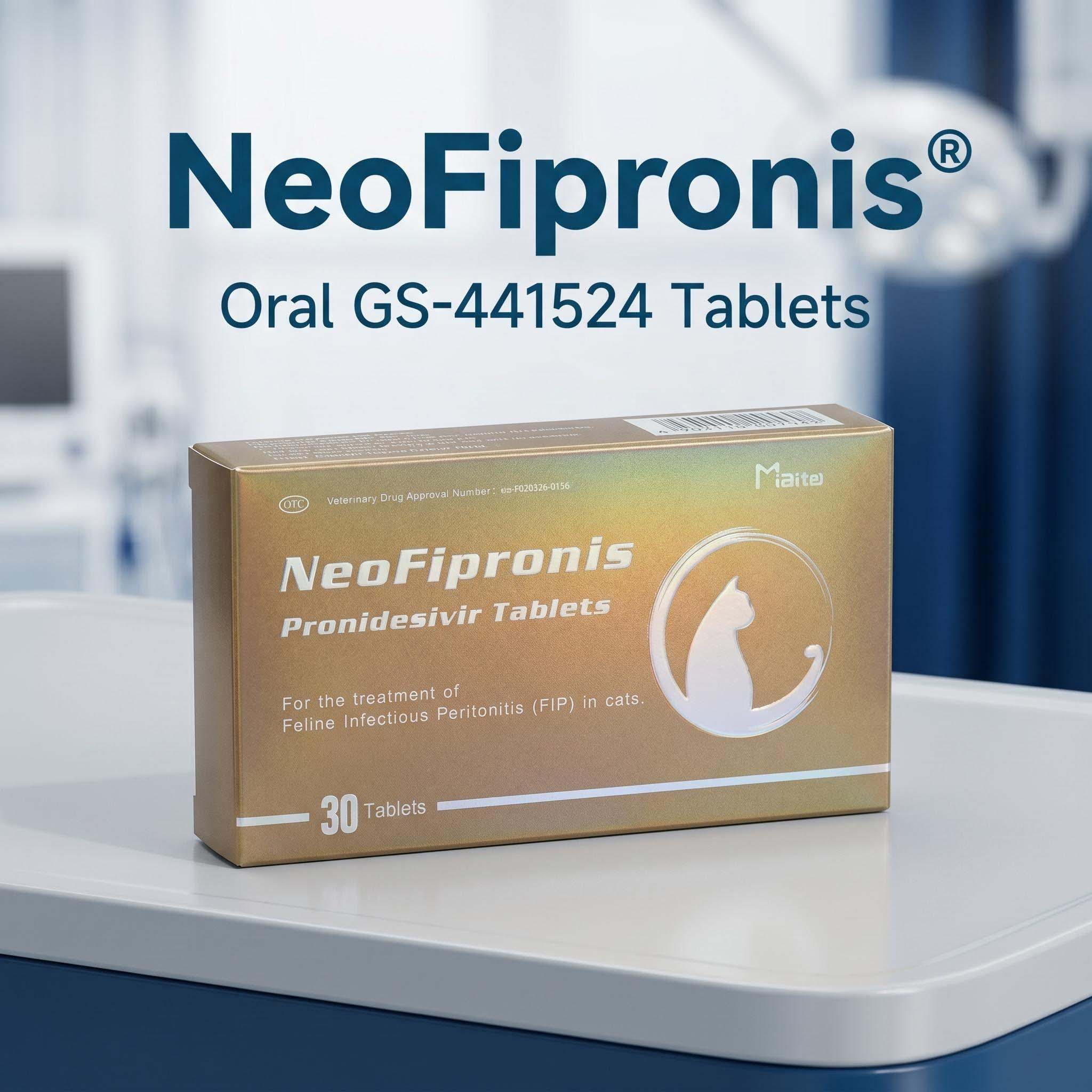
Historically, FIP had no effective cure. Following promising trials starting in 2018, GS-441524—an adenosine nucleoside analogue related to remdesivir—emerged as a transformative therapy, halting viral replication in feline cells. Other agents, such as remdesivir (the compound authorized for human COVID-19), are used off-label or as precursors in some countries.
Clinical studies of these direct-acting antivirals reveal unsurpassed remission rates (upwards of 80-90%), even in severe cases. Most protocols employ daily subcutaneous injections or oral tablets for a period of twelve weeks, with dose adjustments based on neurologic or ocular involvement. Supportive care, including appetite stimulants, anti-nausea medications, and fluids, complements antiviral therapy.
Treatment Timing: Why Early Intervention Matters
The prevailing consensus among experts is unequivocal: the sooner antiviral treatment starts after diagnosis, the greater the likelihood of survival and full recovery. FIP is a relentlessly progressive disease; viral replication triggers a cascade of immune-mediated tissue damage, including fatal organ failure if unchecked.
Several factors underscore the necessity of prompt intervention:
1. Disease Progression
FIP advances swiftly. Cats left untreated may deteriorate in days or weeks. Early antiviral therapy intercepts viral replication before irreversible damage to organs, central nervous system, or eyes occurs.
2. Immunopathology
The immune system’s response to infected cells promotes inflammation and vasculitis, compounding tissue injury. Rapid initiation of antivirals blunts unchecked inflammation.
3. Survival Rates
Published studies repeatedly demonstrate superior survival and remission rates when treatment starts early. Delay, especially for patients in critical condition, correlates with increased mortality.
4. Complications, Relapse, and Sequelae
Hesitancy or waiting for confirmatory results risks complications, including fluid overload, seizures, blindness, or permanent organ impairment. Cats treated late may relapse or suffer chronic sequelae post-treatment.
Balancing Diagnostic Certainty and Treatment Urgency
The dilemma veterinarians often face is whether to begin therapy when diagnosis is “probable” but not “confirmed.” Practical considerations suggest that waiting for absolute certainty is not always feasible, given FIP’s rapid trajectory. In cases of high clinical suspicion—persistent fever, classic lab and imaging findings, and exclusion of other diseases—starting antivirals is supported. Immediate therapy may be lifesaving, especially in wet FIP, where fluid accumulation compromises respiratory function and comfort.
A pragmatic approach follows the principle of “treat and confirm” for high-risk cases. Serial diagnostic tests are performed alongside therapy, adjusting management as results clarify.
Supporting Evidence: Survival Outcomes and Case Studies
Multiple studies highlight how early GS-441524 or remdesivir administration results in improved outcomes:
A landmark field study of 2019 found 25/26 cats with confirmed FIP survived and recovered when GS-441524 was started within two weeks of diagnosis.
Retrospective analyses show higher remission and lower relapse rates in cats treated less than seven days after symptom onset, compared to those treated later.
Case reports document full neurological and ocular recovery in patients receiving antivirals before advanced signs, whereas cats treated at later stages sometimes retain deficits.
These findings underscore a vital lesson: treatment delay carries the risk of irreparable disease progression.
Practical Recommendations for Cat Owners and Veterinarians
1. Immediate Medical Assessment
At first suspicion of FIP—persistent fever, unresponsive illness, abnormal fluid accumulation, or characteristic lab values—owners should seek veterinary evaluation without delay.
2. Diagnostic Workup
Rapid baseline evaluation (CBC, serum protein, effusion analysis, PCR if available) helps establish the likelihood of FIP. Imaging (ultrasound or radiographs), serology, and clinical context support diagnosis.
3. Initiating Antiviral Therapy
For cases highly suggestive of FIP, especially with worsening clinical signs, start GS-441524 or remdesivir as soon as possible. Do not defer therapy while waiting for secondary confirmation; supportive care should be administered concurrently.
4. Monitoring and Adjustments
Regular follow-ups for laboratory trends, body weight, neurologic signs, and fluid accumulation guide ongoing therapy. Dosage may be adjusted for neurologic or ocular involvement.
5. Educating and Supporting Owners
Clear communication regarding disease nature, prognosis, treatment expectations, medication administration, and adverse effects is essential. Owners should be reassured that early treatment offers the highest chances for survival.
Barriers to Early Treatment: Accessibility, Cost, and Legislation
While early therapy is ideal, practical hurdles remain. GS-441524 is not FDA approved for general veterinary use as of this publication; access relies on compounding pharmacies, gray-market channels, or clinical studies. Cost can be significant, ranging into thousands of dollars for a 12-week course. Education and advocacy for legal access and insurance reimbursement are vital steps to overcome these obstacles.
Veterinary authorities—including the American Association of Feline Practitioners (AAFP) and international FIP research groups—actively promote efforts to legalize effective antivirals and expand practitioner and owner education.
Ethical and Clinical Considerations in Treatment Initiation
Veterinarians must weigh the urgency of treatment against diagnostic uncertainty, client financial constraints, and legal restrictions. Shared decision-making, transparent discussion of risks and benefits, and careful record-keeping are prudent practices.
For rescue organizations, shelters, and foster settings, early identification and intervention can save lives—reducing FIP’s historical toll on group-housed feline populations.
Future Directions: Advancing FIP Management and Early Detection
Research continues to refine both diagnostic and therapeutic protocols. Emerging point-of-care rapid tests, advanced PCR technologies, and improved antiviral formulations promise easier, earlier diagnosis and safer, more accessible treatment. These advances may someday permit pre-symptomatic “pre-emptive” therapy in at-risk kittens—revolutionizing FIP control.
As field experience grows and datasets expand, the medical consensus remains: early initiation of FIP treatment following clinical diagnosis gives cats the best chance for recovery, remission, and a return to quality life.
References
1. Pedersen, N.C., et al. (2019). "Efficacy and safety of the nucleoside analog GS-441524 for treatment of cats with naturally occurring feline infectious peritonitis." Journal of Feline Medicine and Surgery, 21(4): 271-281.
2. Izes, A.M., et al. (2020). "Feline infectious peritonitis (FIP): A review of pathogenesis, clinical diagnosis, and management." Veterinary Journal, 263: 105556.
3. Addie, D.D., et al. (2022). “Guidelines for the diagnosis and management of feline infectious peritonitis.” Journal of Feline Medicine and Surgery, 24(1): 86-97.
4. Dickinson, P.J., et al. (2020). "Remdesivir for cats with feline infectious peritonitis: Early clinical experience." Frontiers in Veterinary Science, 7: 585634.
5. American Association of Feline Practitioners (AAFP). (2023). "FIP Diagnosis and Treatment Guidelines."
6. Miller, L., et al. (2021). "Prognostic indicators for feline infectious peritonitis." Veterinary Clinics: Small Animal Practice, 51(2): 267-283.
7. Krentz, D., et al. (2021). "GS-441524 treatment in cats with neurological and ocular FIP." Veterinary Ophthalmology, 24(6): 562–573.
8. Tasker, S. (2018). "Diagnosis of feline infectious peritonitis—The current status and future possibilities." Journal of Feline Medicine and Surgery, 20(3): 228–243.
9. U.S. FDA. (2022). "Statement regarding GS-441524 and legal use in veterinary medicine."
10. Alley, M.R., et al. (2021). "Global perspectives on FIP diagnosis and therapy." Veterinary World, 14(1): 72-86.