Is It Necessary to Wait for Test Results Before Treating FIP
Feline Infectious Peritonitis (FIP) is a serious and often fatal disease that affects cats worldwide. Caused by certain strains of the feline coronavirus (FCoV), FIP results from a mutation of the virus within an infected cat’s body, leading to a severe immune response and widespread inflammation. Given its complexity and rapid progression, the question arises: should veterinarians wait for definitive test results before initiating treatment, or is early intervention more beneficial?
Understanding FIP and Its Diagnostic Challenges
FIP is notorious for its diagnostic difficulty. Its symptoms are often nonspecific, including fever, weight loss, lethargy, and occasionally fluid accumulation in the abdomen or chest. These signs mimic many other feline diseases, complicating immediate diagnosis. Several laboratory tests exist—such as bloodwork, polymerase chain reaction (PCR), and immunohistochemistry—to identify FIP accurately. However, none are entirely definitive alone, and false positives or negatives can occur.
The current gold standard for confirmation involves detecting the virus within affected tissues through histopathology and immunohistochemistry. These procedures often require invasive biopsies, which may not be feasible in all clinical settings. As a result, veterinarians frequently rely on a combination of clinical signs, laboratory findings, and diagnostic criteria to make a presumptive diagnosis.
The Dilemma: To Wait or Not?
When a cat presents with symptoms suggestive of FIP, clinicians face a clinical dilemma: should treatment be started immediately based on suspicion, or should wait for confirmatory test results, which might take days to weeks? Time is a critical factor because FIP can progress rapidly, leading to deterioration or death.
Waiting for test results could delay necessary medical intervention. In certain cases, the disease advances swiftly, reducing the window for effective treatment. Conversely, initiating therapy without confirmation risks unnecessary treatment, especially since some interventions may have significant costs, side effects, or limited efficacy.
Emerging Treatments and Their Impact on Decision-Making
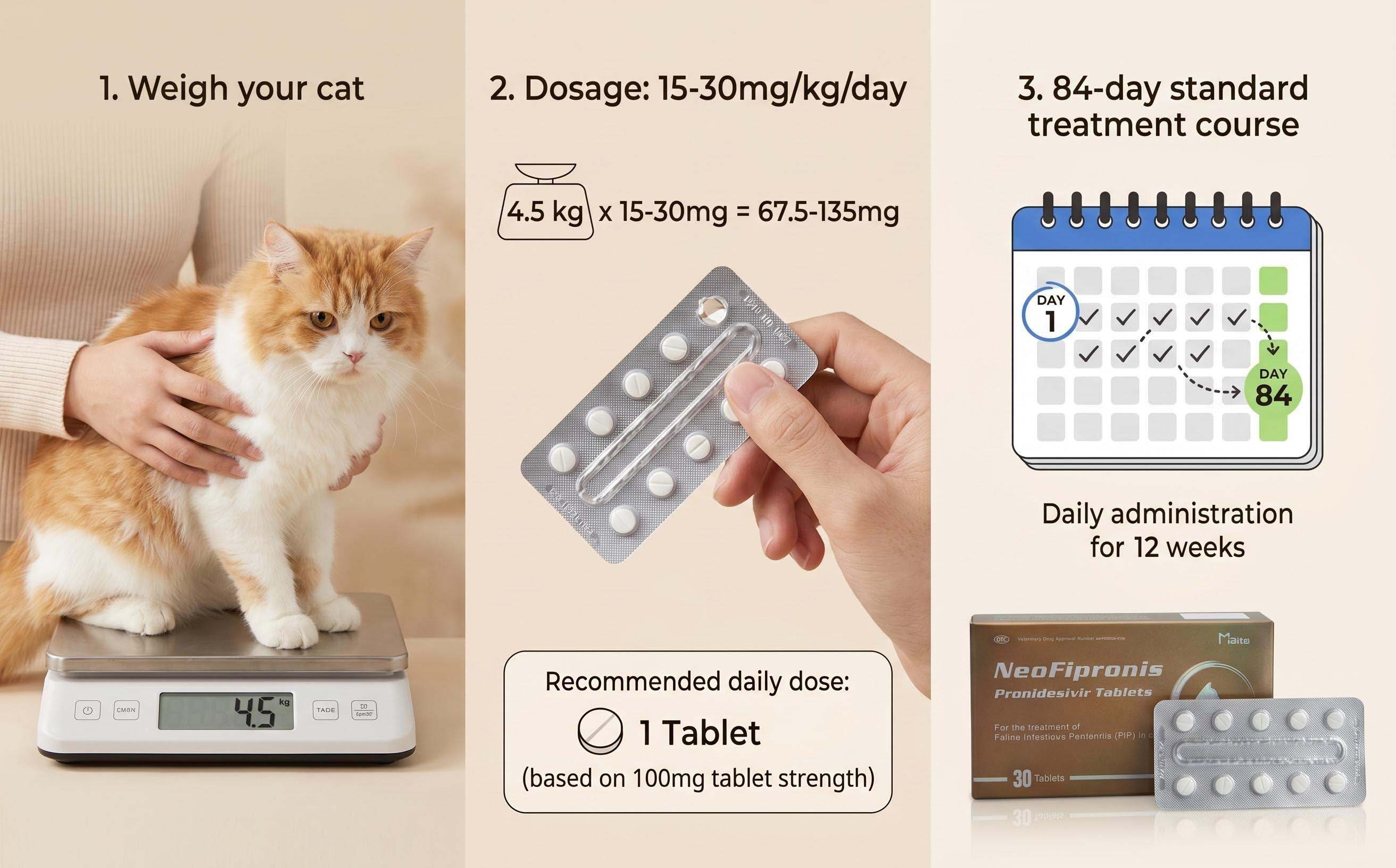
Historically, FIP was considered nearly always fatal, with no effective treatment options. However, recent developments, such as antiviral drugs like GS-441524, have demonstrated promising results in managing FIP. These treatments, while not universally approved or accessible, have changed clinical approaches.
With effective therapies available, some veterinarians advocate starting treatment based on a strong presumptive diagnosis, particularly when clinical signs are classic and diagnostic tests strongly suggest FIP. Early intervention could improve outcomes, especially if the disease is caught before extensive organ damage occurs.
Balancing Risks and Benefits
Deciding whether to wait involves weighing risks and benefits. Starting treatment early may offer the best chance for recovery, but it might also lead to unnecessary medication if the diagnosis is mistaken. Conversely, waiting for confirmatory tests ensures diagnosis accuracy but may allow the disease to progress unchecked.
Veterinarians often consider factors such as the severity of clinical signs, the likelihood of alternative diagnoses, the cat's overall health, and owner preferences. In cases where symptoms are severe and highly suggestive of FIP, many clinicians opt for prompt therapy while pursuing confirmatory diagnostics simultaneously.
The Role of Supportive Care
Regardless of diagnostic timing, supportive care remains vital. Managing symptoms—such as fluid therapy for effusions, nutritional support, and anti-inflammatory medications—can improve quality of life and stabilize the patient. These measures are often initiated immediately, even before definitive diagnosis, to alleviate suffering.
The Ethical and Practical Perspective
From an ethical standpoint, early treatment may be justified when it offers the best chance for survival, especially considering the poor prognosis of untreated FIP. Practically, cost, availability of medications, and owner willingness influence this decision. Transparent communication with pet owners about the uncertainties and potential outcomes is crucial.
Conclusion
There's no one-size-fits-all answer regarding whether to wait for test results before treating FIP. It depends on individual case specifics, including clinical presentation, diagnostic options, and owner circumstances. While confirmatory testing provides certainty, in many cases, early intervention based on high suspicion can be justified to improve a cat’s chances. Ultimately, a balanced approach—initiating supportive and tentative treatment while pursuing definitive diagnostics—often offers the best outcome.
References
1. Pedersen, J. (2014). Feline infectious peritonitis: To treat or not to treat. Journal of Feline Medicine and Surgery, 16(11), 959-970.
2. Addie, D. D., et al. (2009). Diagnosis of feline infectious peritonitis: The challenge of a definitive diagnosis. Veterinary Journal, 179(2), 163-167.
3. Pedersen, N. C., et al. (2019). Emerging antiviral therapies for FIP: A review. Advances in Veterinary Medicine, 12, 147-161.
4. Kipar, A., & Meli, M. L. (2014). FIP: insights into pathogenesis and therapy. Journal of Feline Medicine and Surgery, 16(12), 927-935.