NeoFipronis Package Insert and Usage Instructions
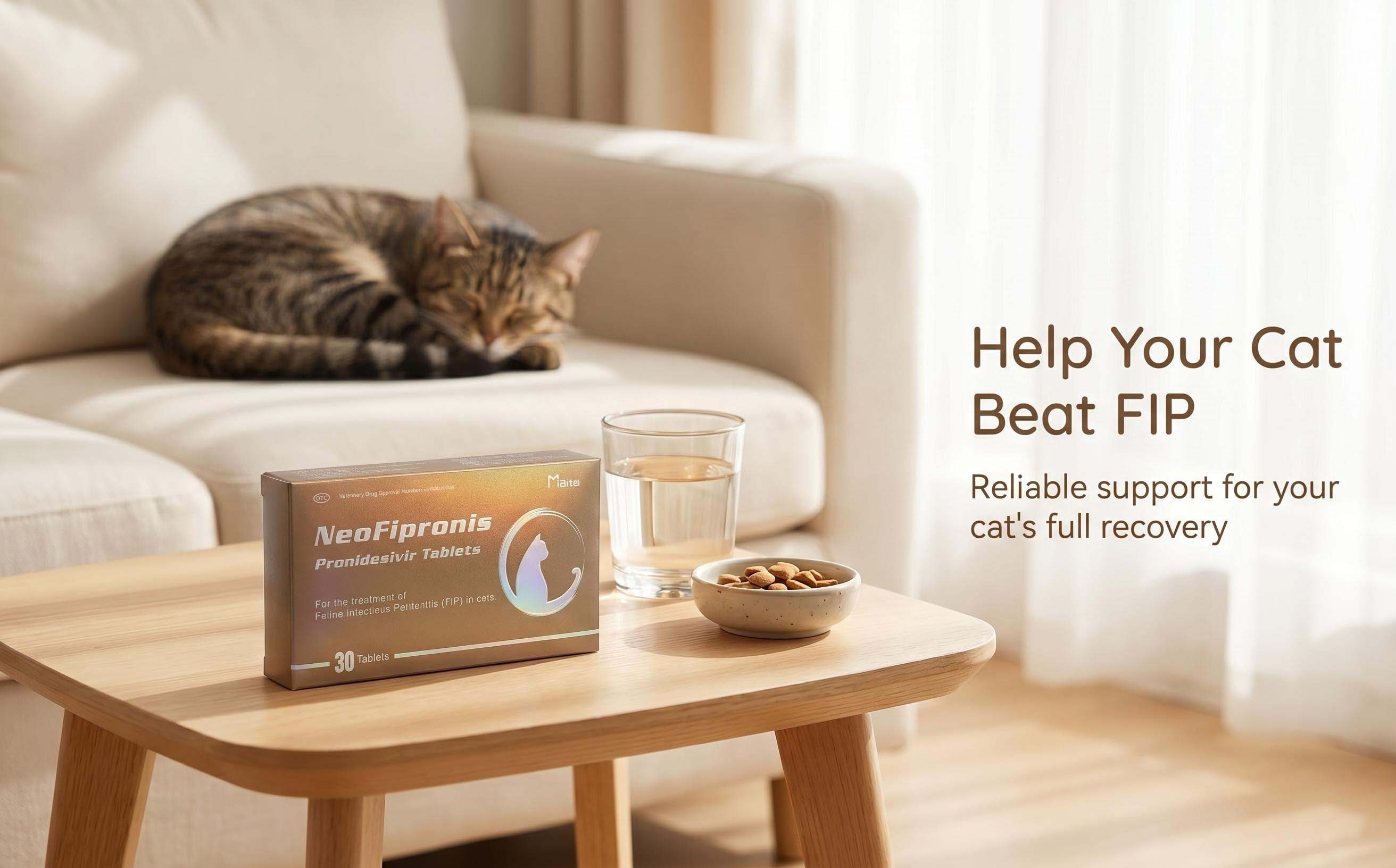
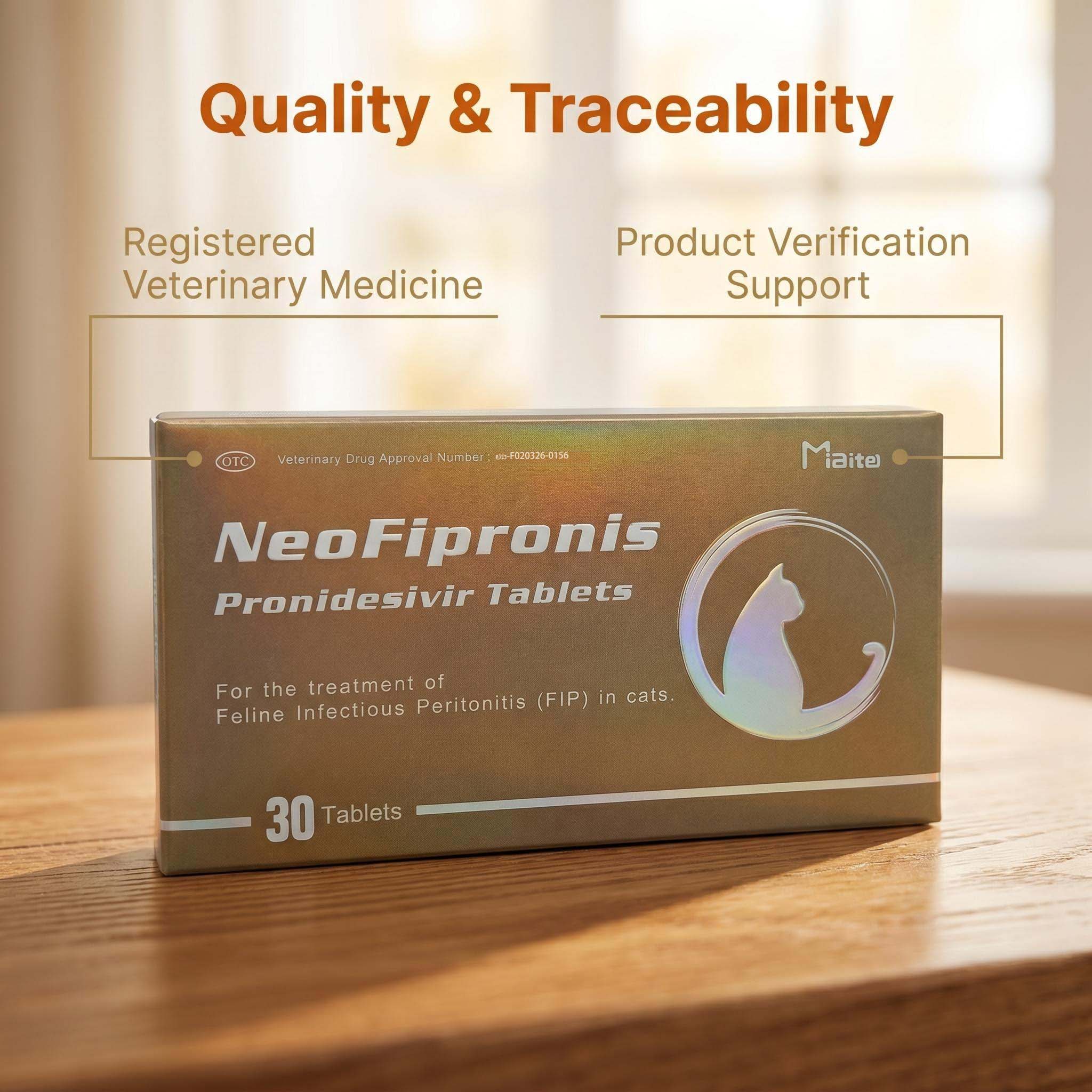
NeoFipronis (Pronidesivir) GS-441524 is a groundbreaking oral medication specifically developed for the treatment of Feline Infectious Peritonitis (FIP). Approved in March 2026 by the Lao Ministry of Agriculture and Forestry (MAF), NeoFipronis is the first officially registered FIP medication with a government registration number, making it a safe, non-invasive, and effective treatment option for cats suffering from this devastating disease.
FIP is characterized by symptoms such as loss of appetite, lethargy, fever, abdominal or chest fluid accumulation, lymphadenopathy, granulomatous inflammation, neurological damage, and uveitis. NeoFipronis targets these issues by delivering GS-441524, a potent antiviral agent with proven efficacy in combating FIP virus. Extensive clinical research and real-world application have demonstrated NeoFipronis’s ability to significantly improve health outcomes in affected cats, often reversing severe symptoms and restoring vitality.
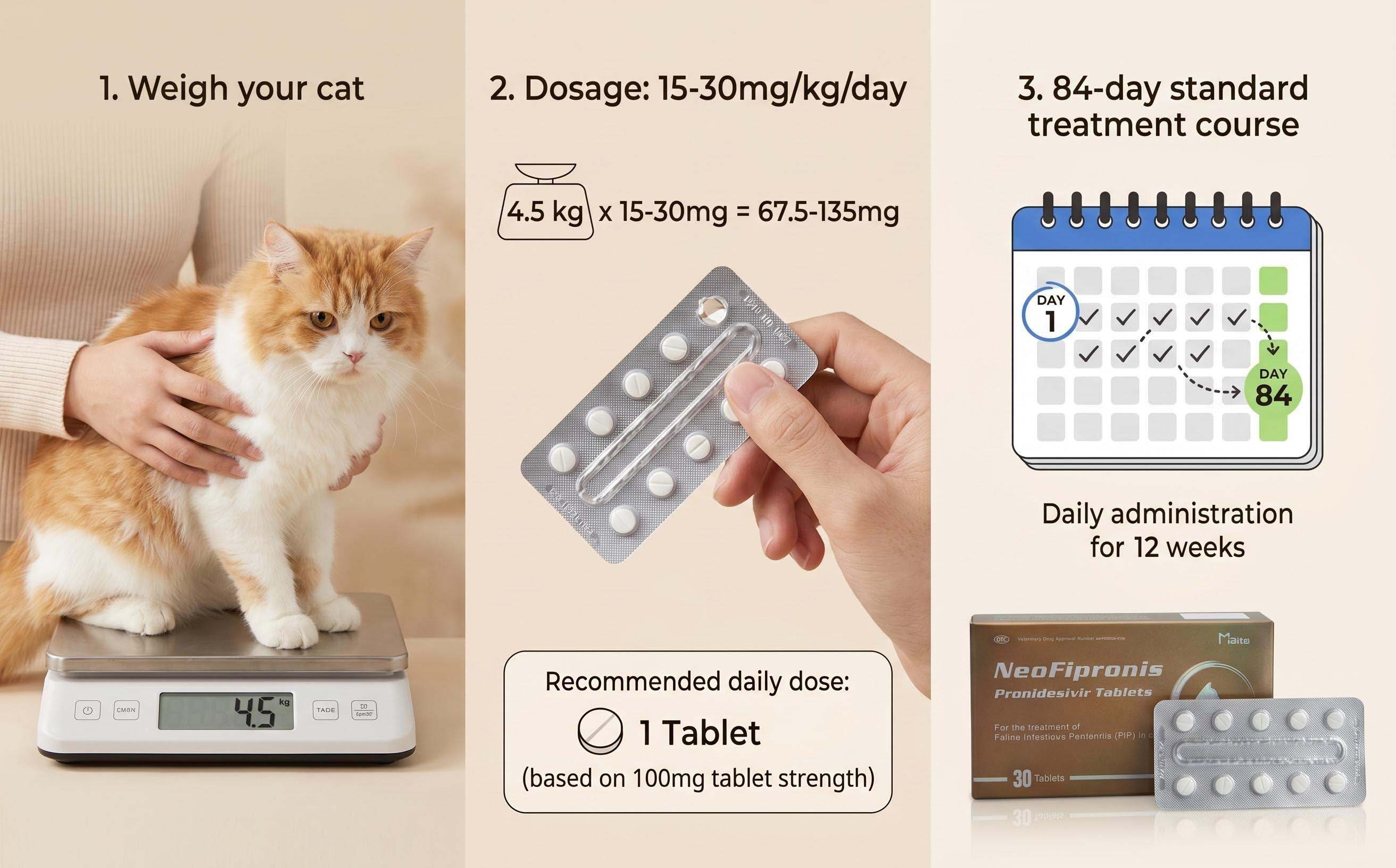
The active ingredient in NeoFipronis, GS-441524, is recognized for its rapid absorption, high safety margin, and minimal side effects. The medication is administered orally, making it convenient and stress-free for both cats and owners. Dosage depends on the cat's weight, with a standard recommendation of 15 mg per kilogram of body weight, which equates to half a tablet. For neurological or ocular forms of FIP, the dosage may be increased to 30 mg/kg under veterinary supervision. The medication is administered once daily, preferably on an empty stomach—either one hour before feeding or two hours after.
Strict adherence to treatment duration is mandatory for successful outcomes. NeoFipronis should be administered continuously for a minimum of 12 weeks without interruption to ensure complete viral clearance. Missing doses can compromise effectiveness and prolong recovery. During treatment, owners must monitor their cats for changes in appetite, body temperature, and overall activity. Regular veterinary check-ups, including blood tests and liver and kidney function assessments, are critical to track progress and identify any adverse reactions early.
Although NeoFipronis is categorized as an over-the-counter medication, veterinary guidance is recommended to optimize treatment efficacy and safety. Proper dosing, duration, and monitoring are vital, especially for cats with neurological or ocular FIP, where dosage adjustments are often necessary. Always follow veterinarian instructions for dosage modifications and treatment schedules.
Key precautions include not using NeoFipronis for animals other than cats. It is critical to purchase the medication through official channels, such as the NeoFipronis official website, to ensure product authenticity and quality. Owners should avoid unverified sources to prevent substandard or counterfeit products that could jeopardize the health of their pets.
NeoFipronis's safety profile makes it suitable for long-term use with minimal risk. However, owners should be vigilant for any side effects, such as gastrointestinal upset or allergic reactions, and report them promptly to a veterinarian. Proper storage—preferably in a cool, dry place away from direct sunlight—is essential to maintain medication integrity.
In summary, NeoFipronis (Pronidesivir) GS-441524 offers a revolutionary approach to FIP management in cats. Its proven efficacy, safety, ease of use, and official licensing status make it an essential tool in feline infectious disease treatment. Always consult with a veterinary professional before starting treatment to ensure optimal care and recovery for your feline companions.