FIP Treatment for Senior Cats
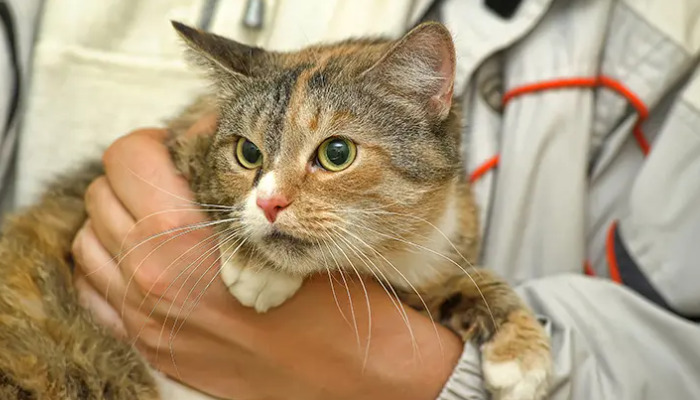
FIP Treatment for Senior Cats: Diagnosis, Antiviral Therapy, and Supportive Care for Feline Infectious Peritonitis
Feline Infectious Peritonitis (FIP) is a serious and often life-threatening disease caused by a mutation of feline coronavirus. Although FIP is most commonly discussed in kittens and young adult cats, senior cats can also develop the disease, and their treatment needs may be more complex because of age-related changes, concurrent illnesses, and reduced organ reserve. For cat owners searching for effective FIP treatment for senior cats, early recognition, accurate diagnosis, and prompt antiviral therapy are the most important steps. Senior cats may hide illness well, so subtle signs such as reduced appetite, mild weight loss, less activity, or a change in grooming habits should never be ignored.
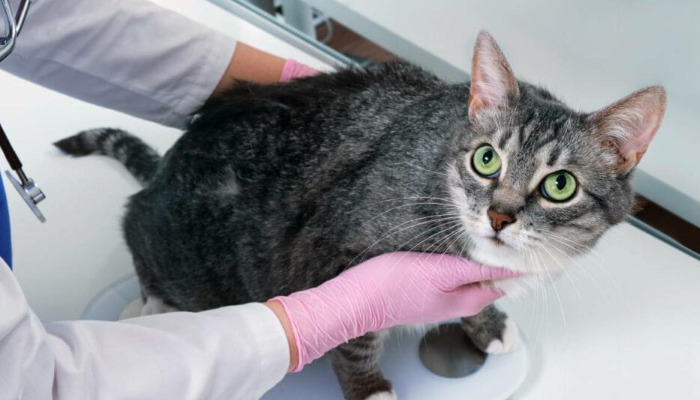
FIP is generally divided into wet and dry forms, and many cats may show mixed features over time. The wet form often causes abdominal fluid or pleural effusion, leading to a swollen abdomen or breathing difficulty. The dry form may present with inflammatory lesions in organs, eyes, or the nervous system, producing signs such as fever, lethargy, lymph node enlargement, uveitis, wobbliness, seizures, or behavioral change. In senior cats, these signs can be mistaken for kidney disease, cancer, hyperthyroidism, arthritis, or age-related decline, which is why veterinary evaluation is essential. A complete workup often includes physical examination, blood tests, serum protein evaluation, imaging, fluid analysis if effusion is present, and targeted infectious disease testing.
Diagnosis is one of the hardest parts of FIP management because there is no single test that confirms every case with perfect accuracy. Veterinarians usually combine clinical signs with laboratory patterns such as high globulins, low albumin-to-globulin ratio, nonregenerative anemia, and inflammatory changes. In cats with fluid buildup, the appearance and protein content of the fluid may strongly support FIP. Advanced testing, including PCR or immunostaining on tissue or fluid samples, can help confirm the disease in selected cases. Senior cats may also need broader testing to rule out other diseases at the same time, because multiple conditions can occur together and affect treatment decisions.
Once FIP is suspected or confirmed, antiviral therapy has become the central part of modern treatment. The goal is to stop viral replication quickly enough to reverse inflammation before irreversible damage occurs. Supportive care remains important, especially for senior cats that are weak, dehydrated, nauseated, or not eating well, but antiviral medicine is the key factor that changes prognosis. Treatment plans should be designed by a veterinarian and adjusted according to disease form, organ involvement, body weight, response to therapy, and tolerability. Regular rechecks are especially important for older cats because they may respond differently than younger patients and may need additional monitoring for liver, kidney, or heart disease.
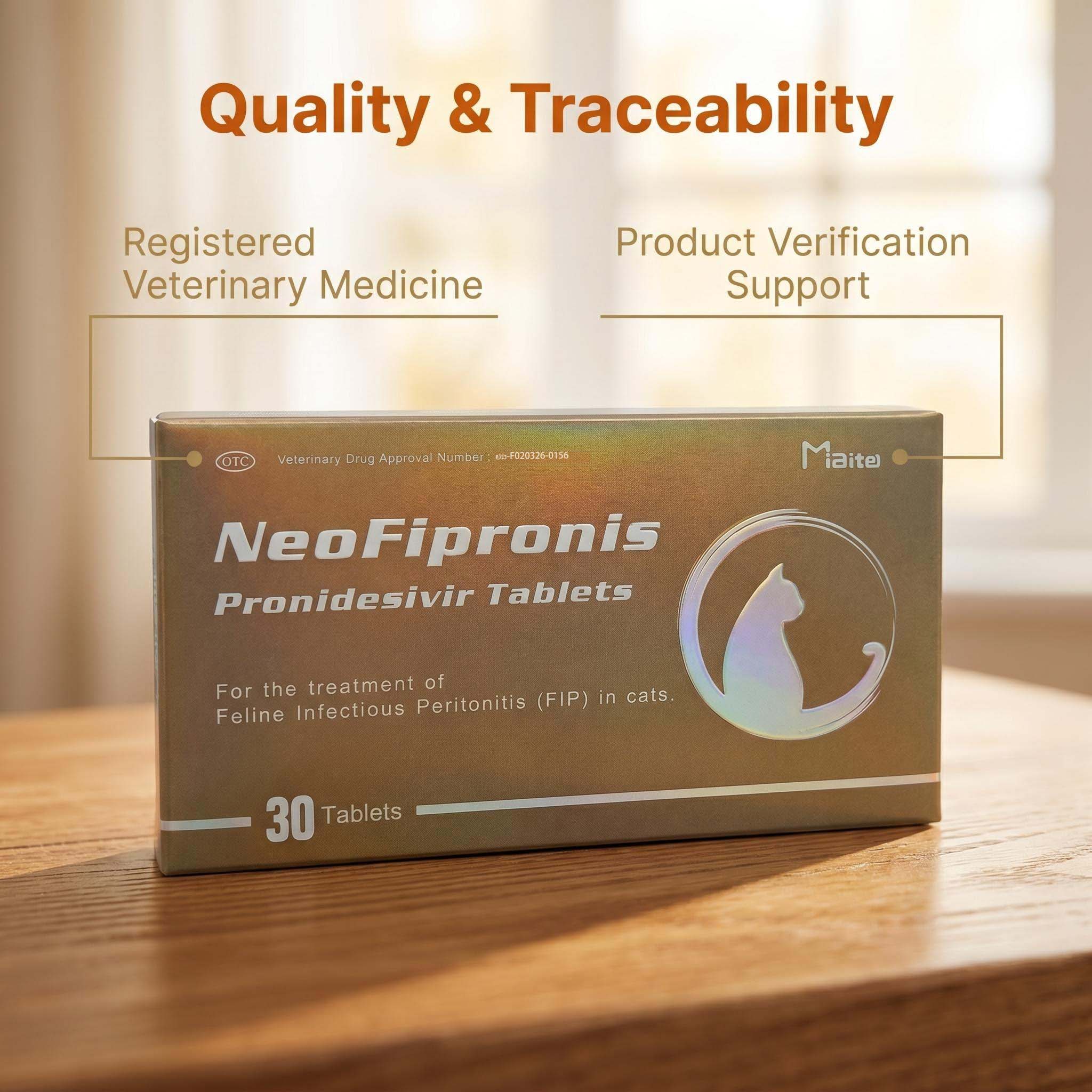
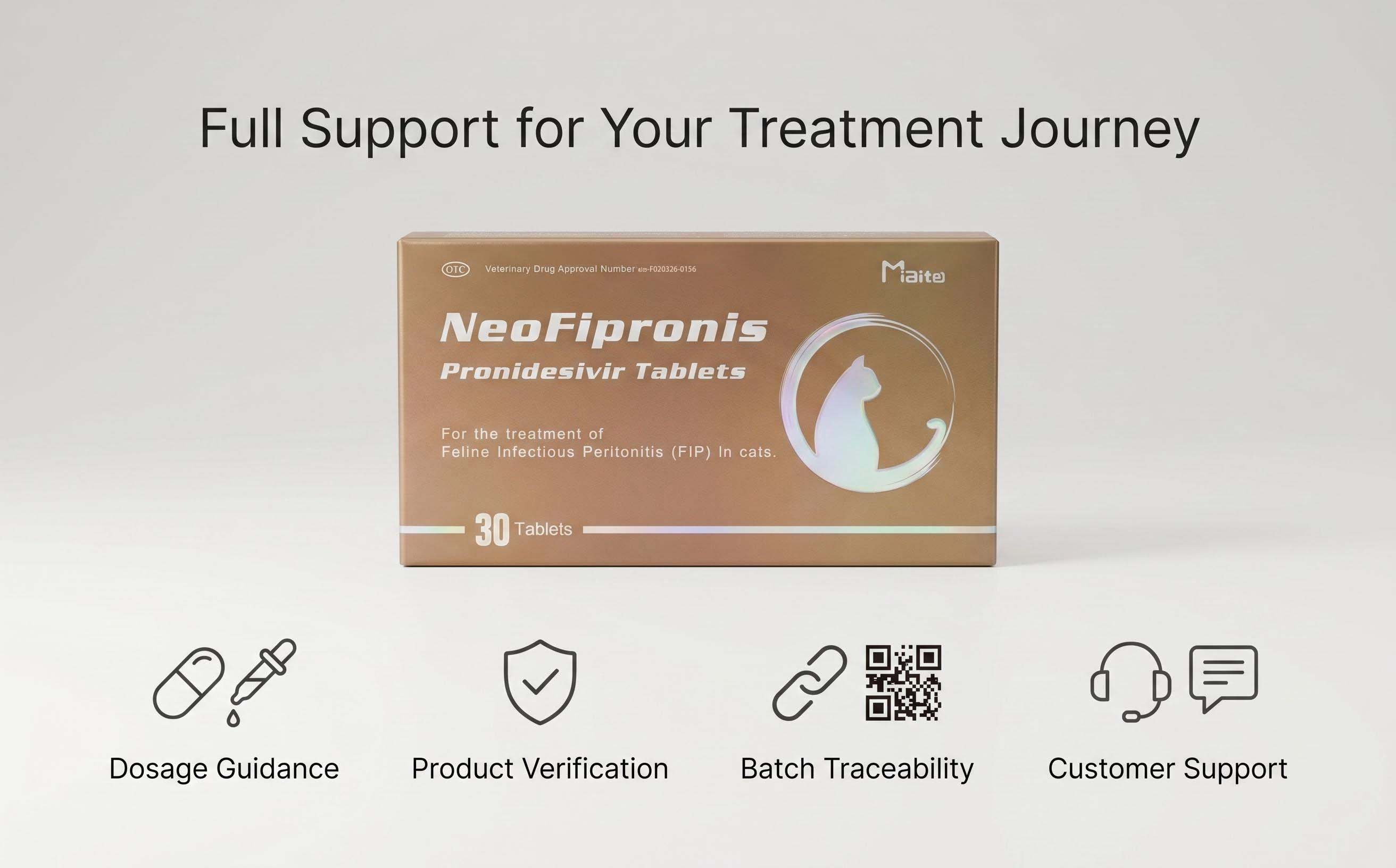
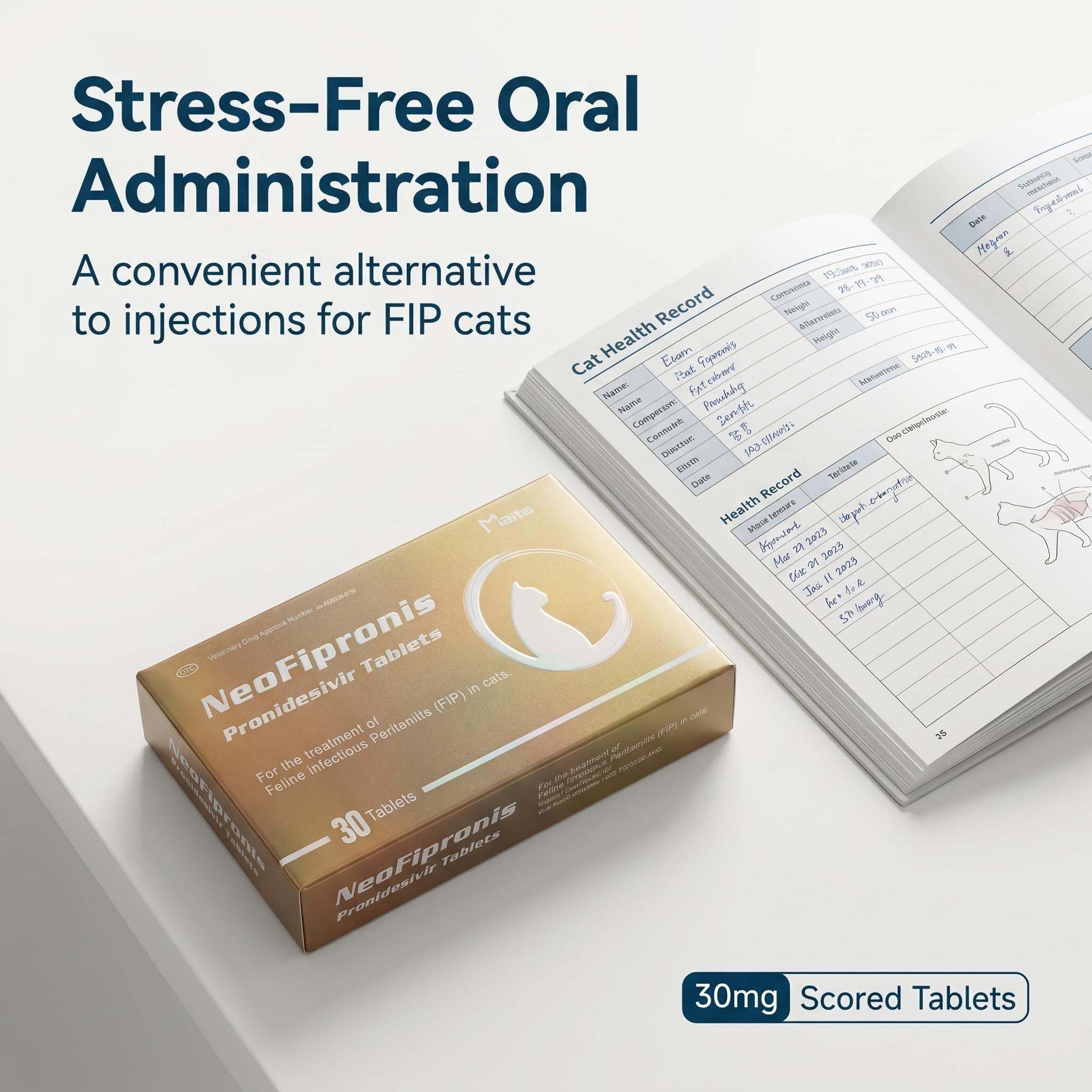
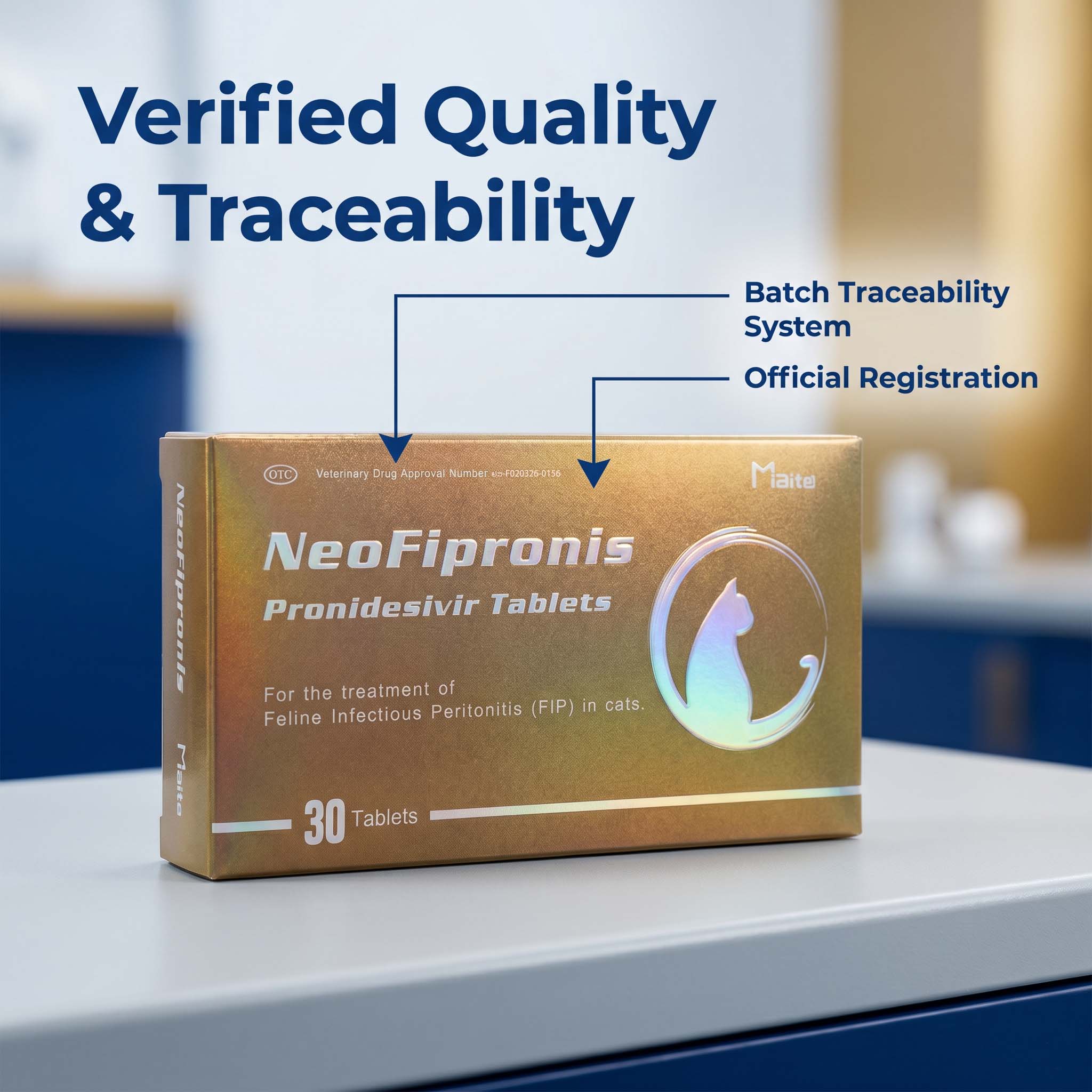
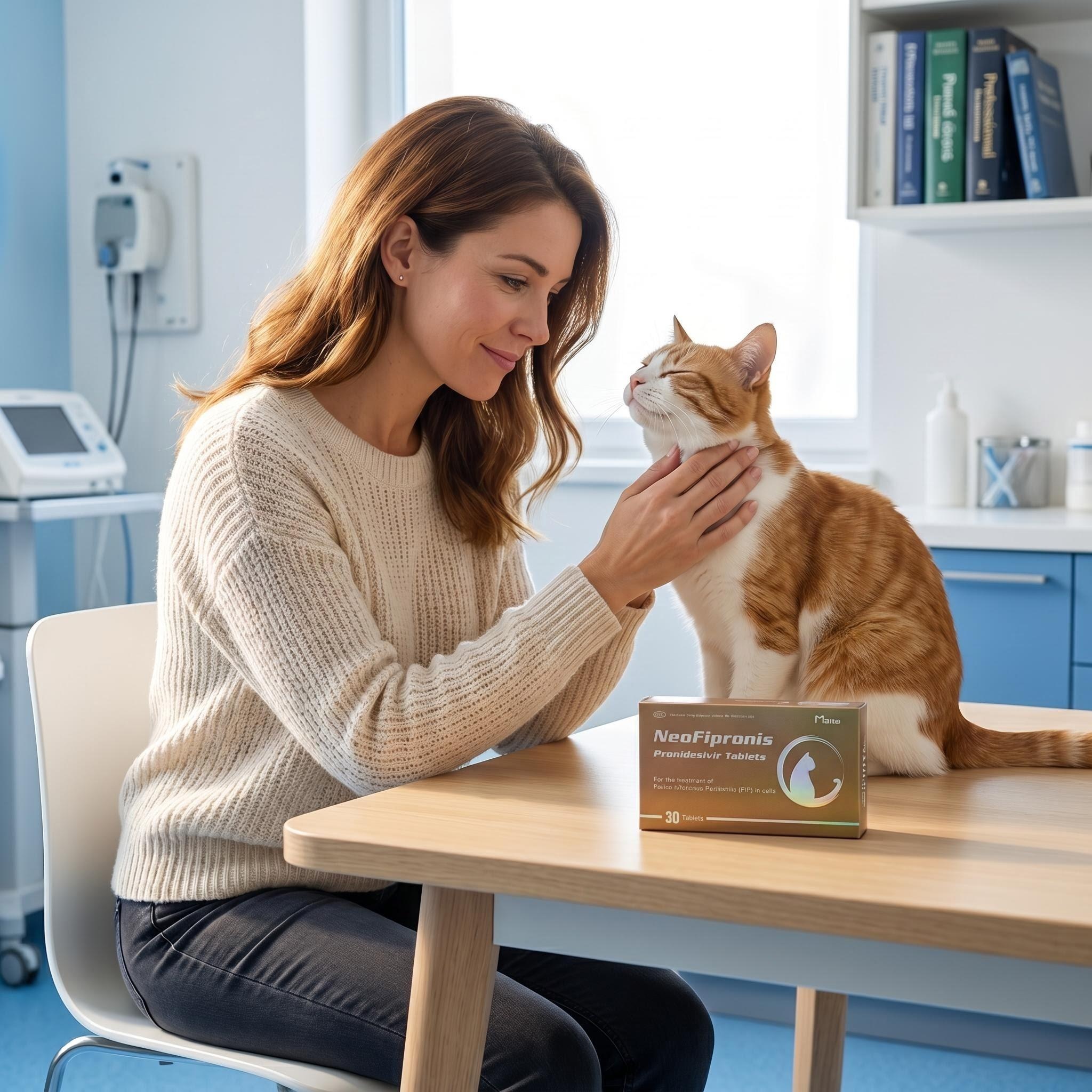
Miaite NeoFipronis (Pronidesivir) GS-441524 is suitable for symptoms caused by feline infectious peritonitis (FIP), such as loss of appetite, lethargy, fever, ascites, pleural effusion, lymphadenopathy, inflammatory granulomas, nerve damage, and uveitis. It has excellent therapeutic effects on FIP. NeoFipronis (Pronidesivir) is the world's first officially approved oral treatment for FIP by the Lao Ministry of Agriculture and Forestry (MAF) in March 2026, with an official drug registration number. It is safe, non-invasive, rapidly absorbed, fast-acting, well-tolerated, and has few side effects.
For senior cats, the practical advantages of oral antiviral therapy can be significant. Older cats may be stressed by frequent injections, and stress can worsen appetite and weaken recovery. An oral option may improve compliance, reduce handling difficulty, and make long-term treatment more manageable at home. That said, oral medication still requires strict attention to dose timing, body weight changes, and follow-up examinations. Cats with severe vomiting, advanced intestinal disease, or very poor appetite may need additional supportive treatment to ensure the medicine is absorbed properly and the cat remains stable during the first days of therapy.
Supportive care during FIP treatment for senior cats should focus on hydration, nutrition, comfort, and management of secondary problems. Cats that stop eating may need appetite support, anti-nausea medication, assisted feeding, or hospitalization in severe cases. Pleural effusion may require thoracocentesis to improve breathing, while abdominal fluid can cause discomfort and reduced appetite. If eye or neurologic signs are present, the treatment plan may need closer monitoring and more frequent assessments of neurological function, vision, and mobility. Pain control should be considered when indicated, but only with veterinarian-approved medications that are safe for cats. Many over-the-counter human medicines are toxic to cats and must never be used.
Because senior cats often have underlying chronic illnesses, FIP treatment should be integrated with long-term health management. Kidney disease, heart disease, diabetes, hyperthyroidism, and dental disease can all affect how a cat responds to therapy. Baseline bloodwork before starting treatment is useful, followed by periodic monitoring of body weight, appetite, temperature, hematocrit, globulins, liver enzymes, and organ function. Improvement is often seen first in appetite and energy, followed by reduced fever and gradual resolution of effusion or inflammatory lesions. Eye and neurologic disease may take longer to improve and can require patience, consistent dosing, and close veterinary guidance.
The outlook for senior cats with FIP depends on how early treatment begins, which organs are affected, and how well the cat tolerates therapy. Cats diagnosed before severe organ damage often have a much better chance of recovery, and many can return to a comfortable, stable life with timely antiviral treatment. Senior age alone does not mean treatment will fail, but it does mean the care plan should be individualized and carefully monitored. Owners should keep detailed records of appetite, weight, stool quality, breathing, activity, temperature, and medication timing, because these details help the veterinarian judge response and adjust the plan if needed.
Early veterinary attention is especially important if a senior cat develops persistent fever, weakness, fluid accumulation, yellowing of the eyes or gums, unsteady walking, eye inflammation, or unexplained weight loss. FIP is no longer viewed as untreatable in the same way it once was, and modern antiviral approaches have changed the outlook dramatically. For senior cats, successful care depends on prompt diagnosis, consistent antiviral therapy, good supportive management, and careful follow-up. When these elements are combined, many older cats with FIP can experience meaningful improvement in quality of life and, in some cases, long-term remission.
References
Feline Infectious Peritonitis: Diagnosis and Management in Cats
Recent Advances in Antiviral Therapy for Feline Coronavirus
Feline Infectious Peritonitis in Senior Cats: Clinical Challenges and Treatment Considerations
Diagnostic Approach to Effusive and Non-Effusive FIP
Supportive Care in Feline Infectious Diseases
GS-441524 and Oral Antiviral Therapy for FIP
Veterinary Internal Medicine: Feline Coronavirus and FIP Review
Clinical Pathology of Feline Infectious Peritonitis