Occasional Vomiting and Lethargy — Could It Be FIP
Feline Infectious Peritonitis (FIP) is a devastating, often fatal disease affecting domestic cats worldwide. Occasional vomiting and lethargy are among its early and ambiguous signs, but these symptoms are non-specific and overlap with numerous other feline disorders. This article examines the relationship between these signs and FIP, details key clinical presentation, explores diagnostic challenges, and discusses latest research on FIP management and prognosis.
FIP is a complex systemic disease caused by a mutated form of feline coronavirus (FCoV). Most infected cats experience benign gastrointestinal symptoms from FCoV; however, a minority develop the more virulent, deadly FIP form. Because early signs—such as vomiting and lethargy—lack specificity, distinguishing FIP from other more common conditions is challenging. Recognizing FIP early is crucial, as timely intervention is now possible with novel antivirals.
Feline Infectious Peritonitis: Background and Pathogenesis
FCoV is widespread among domestic cats, particularly in crowded settings like shelters or catteries. Infection typically occurs via the fecal-oral route. In most cats, FCoV remains confined to the gut, causing mild, self-limiting diarrheal illnesses. In rare cases, mutations of the virus trigger a destructive immune reaction, producing FIP—a systemic, multisystemic illness.
The mutated virus moves beyond the intestines, invading white blood cells and spreading throughout the body. The host's immune response leads to severe inflammation and accumulation of fluid in body cavities (the effusive form) or formation of granulomatous lesions (the non-effusive, or "dry" form). The non-effusive form can cause subtler, chronic signs, complicating recognition and diagnosis.
Clinical Signs of FIP
FIP presents a spectrum of clinical signs, ranging from mild and intermittent to severe and rapidly progressive. Key symptoms include:
Persistent or occasional vomiting
Lethargy, decreased activity or hiding
Weight loss
Decreased appetite or anorexia
Fever unresponsive to antibiotics
Jaundice (in some cases)
Abdominal distention (with effusive FIP)
Neurological signs (ataxia, seizures) and ocular changes in non-effusive FIP
Vomiting and lethargy appear frequently but are non-specific. These symptoms overlap with common feline illnesses like gastroenteritis, pancreatitis, kidney disease, and toxin exposure. FIP should enter the differential diagnosis if these signs persist, fail to respond to initial therapies, or worsen progressively.
Differential Diagnoses for Vomiting and Lethargy
Numerous conditions trigger vomiting and lethargy in cats:
Gastrointestinal disorders (gastroenteritis, intestinal foreign bodies, pancreatitis)
Renal disease or failure
Hepatic disease
Metabolic disturbances (diabetic ketoacidosis, hyperthyroidism)
Infectious diseases (toxoplasmosis, FeLV, FIV)
Stress or dietary indiscretion
FIP differentiates itself by its chronicity, poor response to standard treatment, and eventual progression to more severe signs such as unexplained fever, development of ascites, or neurological/ocular involvement.
Diagnostic Workup for Suspected FIP
Diagnosing FIP is challenging, especially in the early stages when signs like vomiting and lethargy predominate.
Clinical History and Examination
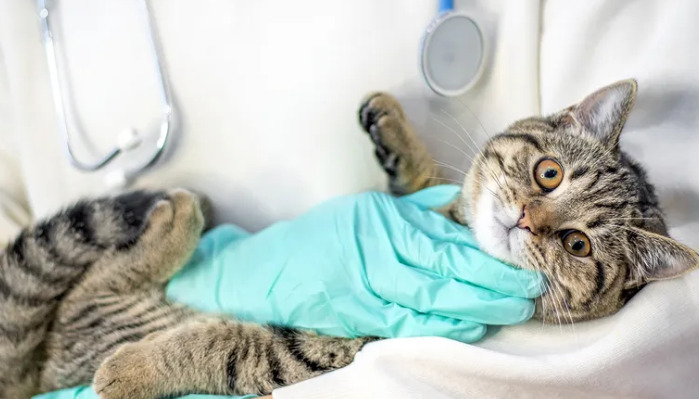
A thorough clinical history—assessing age (<2 years often most susceptible), exposure risk (multi-cat households), and timeline of symptom development—is vital. Physical examination may reveal fever, weight loss, abdominal swelling, anemia, jaundice, or neurological abnormalities.
Laboratory Findings
Key laboratory markers in FIP include:
Lymphopenia and neutrophilia
Non-regenerative anemia
Hyperglobulinemia, particularly increased gamma globulins
Albumin:globulin ratio <0.8 (suggestive of FIP)
Elevated total protein
Increased liver enzymes or bilirubin
Imaging
Abdominal or thoracic imaging (ultrasound, radiographs) may show fluid accumulation, enlarged lymph nodes or organs, or mass-like lesions. Imaging assists in distinguishing effusive from non-effusive forms, though findings remain non-specific.
FIP-specific Tests
FCoV antibody titers: High titers suggest FCoV exposure, but do not confirm FIP
PCR on tissue/fluid samples: Identifies FCoV RNA, but positive results require correlation with clinical findings
Immunohistochemistry: Detects virus within affected tissue—gold standard, but often only feasible post-mortem
Confirming FIP diagnosis commonly relies on a combination of clinical suspicion, compatible laboratory results, and exclusion of other causes. No single test is definitive in live cats.
The Role of Occasional Vomiting and Lethargy in FIP
Occasional vomiting may reflect direct viral or inflammatory involvement of the gastrointestinal tract, while lethargy stems from chronic systemic inflammation. In early FIP, signs may be intermittent, waxing and waning over weeks or months before rapid decline.
In many cases, vomiting may be overlooked, particularly if mild or sporadic. Cat owners should be alert to episodes of vomiting paired with lethargy, especially if accompanied by fever, weight loss, or poor appetite. These signs increase suspicion for FIP when occurring in at-risk populations (young cats, rescue scenarios).
Current Treatment Options
Historically, FIP was considered untreatable, with supportive care being the mainstay. In recent years, antivirals such as GS-441524 (a nucleoside analog) and remdesivir have dramatically improved prognosis for some cats.
Antiviral therapy
GS-441524, closely related to remdesivir, targets viral replication and has shown substantial benefit in clinical trials. Treatment courses are lengthy (often 12 weeks), and cost, availability, and legal status vary by region.
Supportive care
Cats require nutritional, hydration, and symptomatic support during treatment. Managing nausea, vomiting, and secondary complications is critical to improving quality of life.
Monitoring and Follow-up
Regular bloodwork (CBC, globulin levels, liver enzymes) monitors treatment response. Owners must track energy, appetite, weight, and vomiting frequency. Relapses are possible; early re-treatment increases chances of success.
FIP Prognosis
Survival rates for FIP have improved since introduction of antivirals, but untreated cases remain almost universally fatal. Early intervention, guided by close observation of occasional vomiting and persistent lethargy, can be life-saving. Many survivors achieve remission and enjoy normal life spans.
Managing FCoV in Multi-Cat Households
Preventing FIP centers on minimizing FCoV spread. Strategies include:
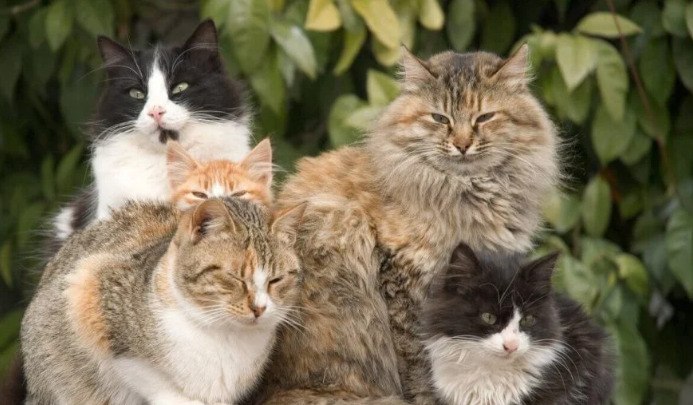
Regular litter box cleaning and separation for high-risk cats
Reducing stress and overcrowding
Immediate isolation of symptomatic individuals
Routine health exams
Genetic predisposition may play a role—some pure breeds have elevated risk. Responsible breeding and cat population control help reduce disease burden.
Latest Research Directions
The ongoing development of new antivirals, immune modulators, and vaccines marks a new era in FIP management. GS-441524 derivatives, improved oral formulations, and combination therapies promise enhanced efficacy. Understanding host susceptibility and immune mechanisms will help design new prophylactics and targeted treatments.
Studies challenge the perception of FIP as strictly fatal—cats now survive and thrive with timely antiviral access. Accurate, early recognition of signs like vomiting and lethargy is becoming more important as treatment options expand.
Keywords for SEO
FIP, feline infectious peritonitis, cat vomiting, cat lethargy, FCoV, feline coronavirus, early FIP symptoms, FIP treatment, GS-441524, remdesivir, cat illness, cat fever, veterinary diagnosis, cat abdominal distension, cat granulomas, FIP prognosis, FIP survival, multi-cat household disease
References
1. Pedersen NC. A review of feline infectious peritonitis virus infection: 1963-2008. J Feline Med Surg. 2009 Jul;11(4):225-258.
2. Porter E, Tasker S, Day MJ, et al. Amino acid differences in the spike protein of FCoV correlate with type of FIP. J Gen Virol. 2014 May;95(Pt 5):1073-1081.
3. Murphy BG, Perron M, Murakami E, et al. The nucleoside analog GS-441524 strongly inhibits FIP virus in tissue culture and experimental cat infection studies. Vet Microbiol. 2018 Dec;219:226-233.
4. Hartmann K. Feline infectious peritonitis. Vet Clin North Am Small Anim Pract. 2005 Jan;35(1):39-79.
5. Kipar A, Meli ML. Feline infectious peritonitis: Still an enigma? Vet Pathol. 2014 Jan;51(2):505-526.
6. Addie DD, Jarrett O. Feline coronavirus infections. In: Greene CE, ed. Infectious Diseases of the Dog and Cat. 4th ed. St. Louis, MO: Elsevier Saunders; 2012:92-108.
7. Ikeda A, Nakamura K, Miyazawa T, et al. Current knowledge on the pathogenesis of FIP. Vet Pathol. 2021 Mar;58(2):264-276.
8. Webel AR, Stout S, Paltrinieri S, et al. Laboratory diagnosis of feline infectious peritonitis. Vet Clin North Am Small Anim Pract. 2020 Mar;50(2):345-362.
9. Dewerchin HL, Cornelissen E, Nauwynck HJ. Feline infectious peritonitis: Insights into feline coronavirus pathobiogenesis and epidemiology. Viruses. 2020 Feb;12(3):243.
10. Hosie MJ, Addie DD, Belák S, et al. Feline infectious peritonitis: ABCD guidelines on prevention and management. J Feline Med Surg. 2009 Jul;11(7):594-604.