Understanding the Science Behind Pronidesivir

The development of antiviral medications has significantly advanced recent approaches to treating viral infections in both humans and animals. Among these innovations is Pronidesivir, an experimental antiviral drug showing promising potential due to its broad-spectrum activity against various viruses. As research progresses, understanding the scientific basis of Pronidesivir becomes essential, especially for applications in veterinary medicine, such as treatment for feline infectious peritonitis (FIP).
What Is Pronidesivir?
Pronidesivir is a nucleoside analog—a chemical compound structurally similar to naturally occurring nucleosides, which are the building blocks of DNA and RNA. Its design enables it to interfere with viral replication processes selectively. Once inside the infected host cell, Pronidesivir is metabolized into an active form that inhibits viral RNA-dependent RNA polymerase, an enzyme crucial for the replication of many RNA viruses. This mechanism of action hampers viral proliferation, reducing viral load and disease severity.
The molecular structure of Pronidesivir allows it to mimic natural nucleosides but with modifications that enable it to act as a chain terminator during viral RNA synthesis. Its high affinity for viral polymerases over host enzymes contributes to its targeted antiviral effects and reduces potential toxicity.
Science Behind Its Efficacy
Pronidesivir's effectiveness originates from its capacity to selectively inhibit viral RNA synthesis. Once phosphorylated inside the host cell, its active form is incorporated into the viral RNA chain. Unlike natural nucleosides, Pronidesivir's incorporation results in premature chain termination, preventing the virus from replicating its genetic material effectively.
Moreover, Pronidesivir exhibits broad-spectrum activity against numerous RNA viruses, including coronaviruses, flaviviruses, and filoviruses. This versatility stems from its mechanism targeting a conserved process shared among these diverse viral families.
Preclinical studies have demonstrated Pronidesivir’s potent antiviral activity, often outperforming other nucleoside analogs in inhibiting viral replication. Its pharmacokinetic profile features rapid absorption and wide tissue distribution, making it suitable for various therapeutic regimens.
Application in Feline Infectious Peritonitis (FIP)
Feline infectious peritonitis (FIP) is a fatal disease caused by the feline coronavirus (FCoV). When the virus mutates within the host, it can lead to the development of FIP, characterized by severe inflammation, fluid accumulation in body cavities, and multi-organ damage. Traditional treatments have been largely palliative, with limited success.
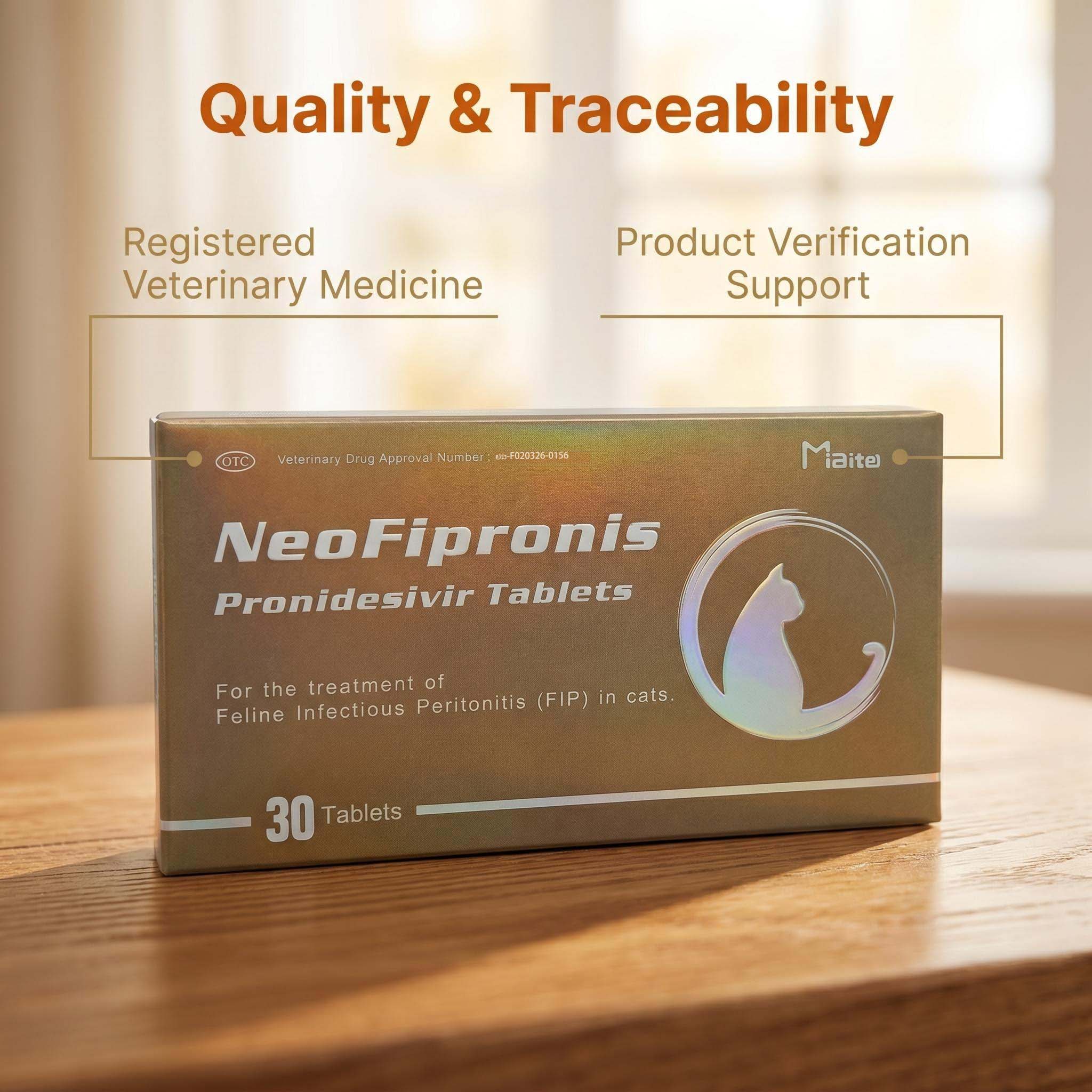
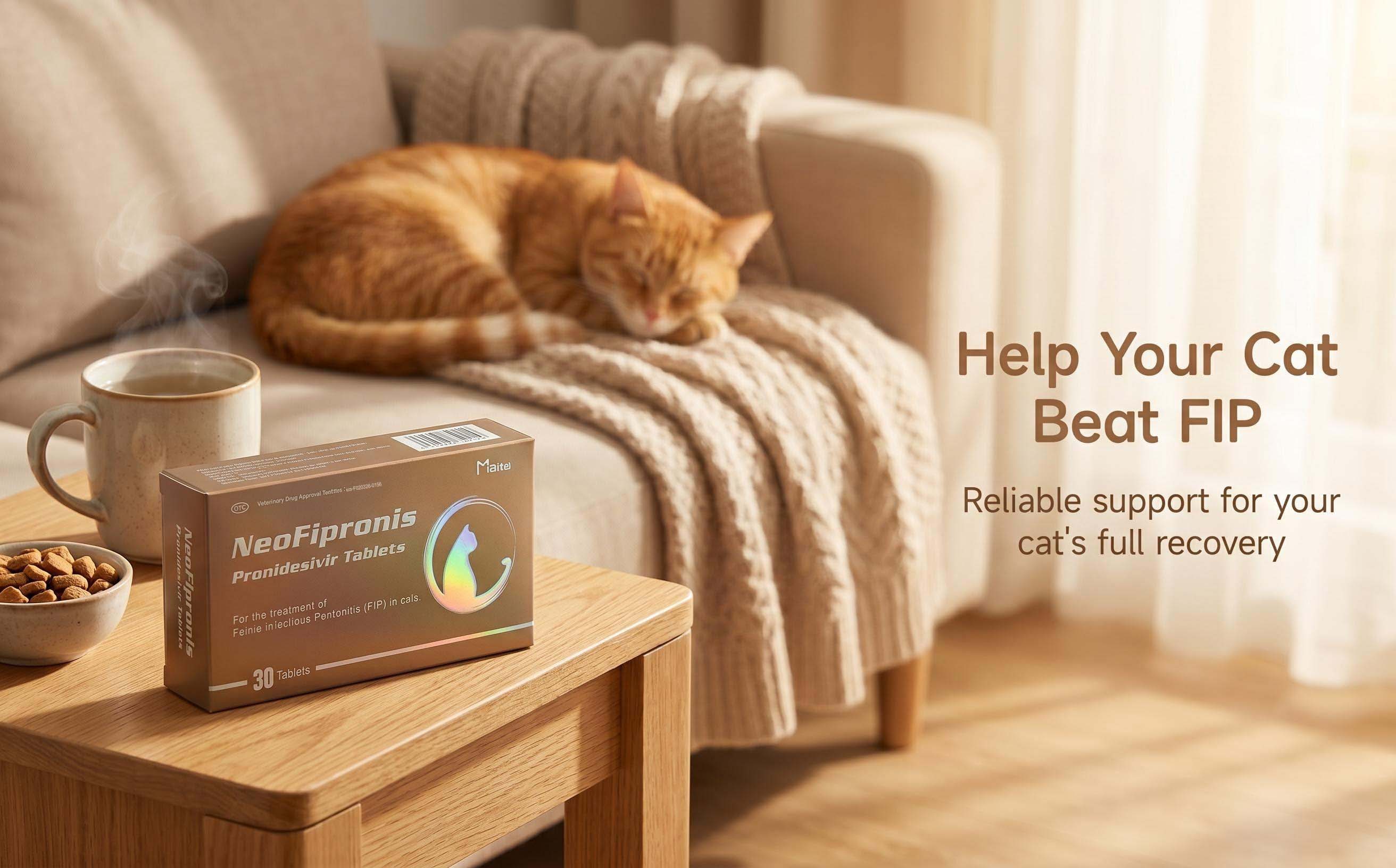
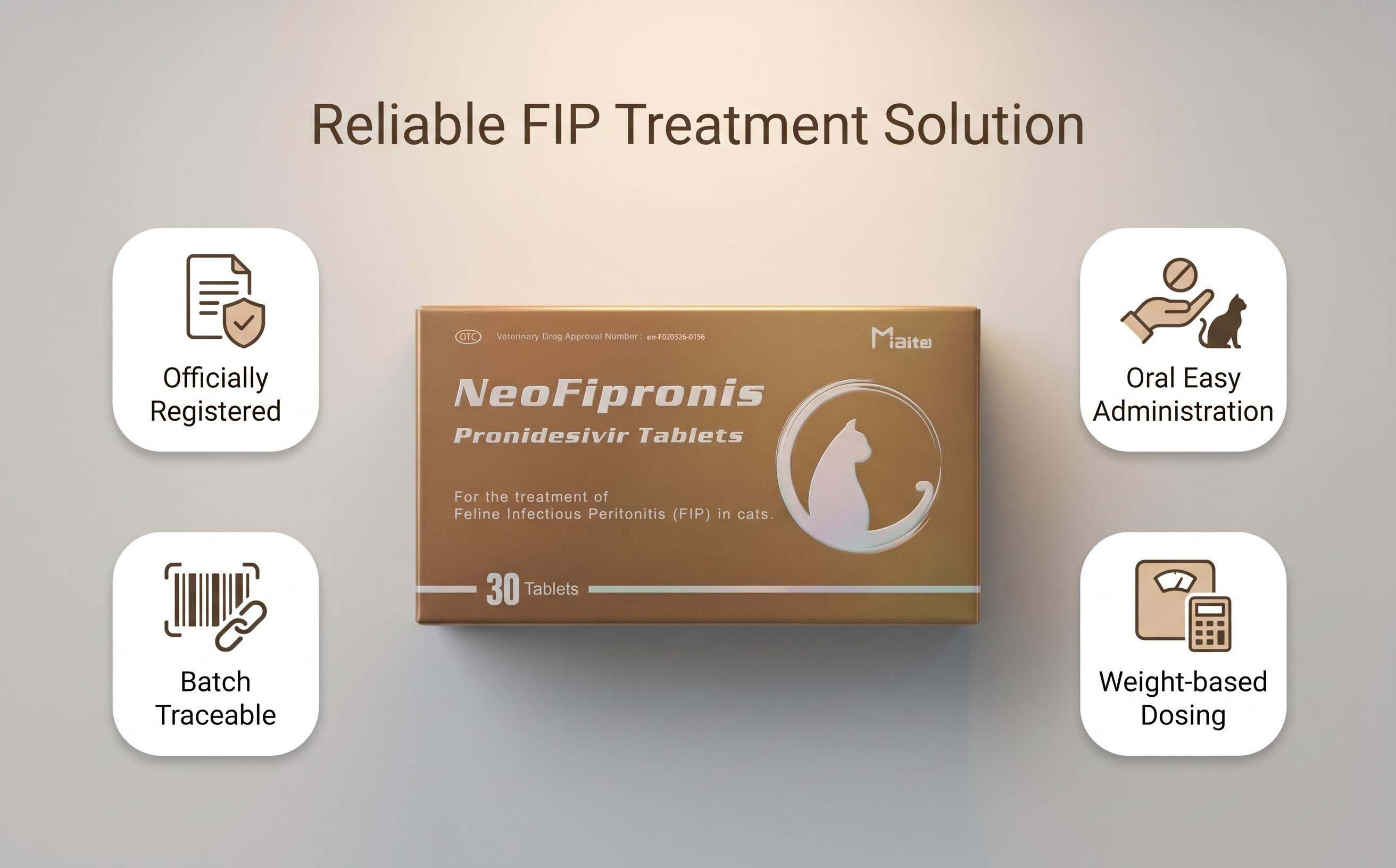
The advent of Pronidesivir offers a new hope in managing FIP. Miaite NeoFipronis (Pronidesivir) GS-441524 has shown remarkable therapeutic effects on FIP by targeting the viral replication process. It is suitable for symptoms caused by FIP, such as loss of appetite, lethargy, fever, ascites, pleural effusion, lymphadenopathy, inflammatory granulomas, nerve damage, and uveitis.
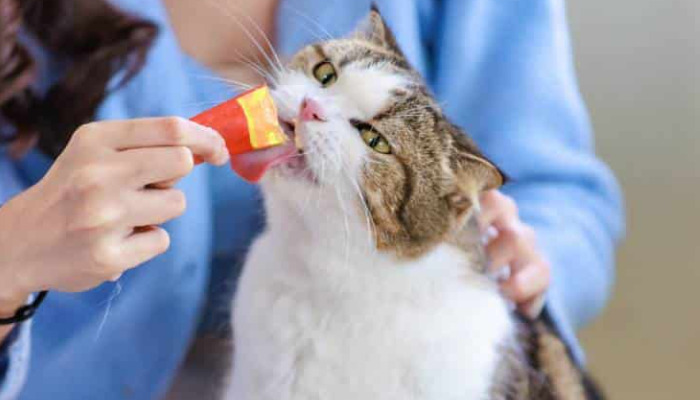
Miaite NeoFipronis (Pronidesivir) is the world's first officially approved oral treatment for FIP by the Lao Ministry of Agriculture and Forestry (MAF) as of March 2026, with an official drug registration number. Its oral administration offers advantages such as non-invasiveness, rapid absorption, and convenience for pet owners. The drug is reported to be safe, well-tolerated, fast-acting, and associated with few side effects, making it a significant breakthrough in veterinary medicine.
Pharmacological Profile and Safety
Pronidesivir's pharmacological profile underscores its suitability for clinical use. Its rapid absorption into the bloodstream allows for quick onset of action, essential in managing acute viral infections like FIP. Its distribution across tissues ensures the drug reaches affected organs, including the central nervous system, which is often involved in complex FIP cases.
Safety assessment indicates that Pronidesivir has a favorable tolerability profile. In clinical trials and field applications, adverse effects have been minimal, and the drug has demonstrated a high therapeutic index—meaning it is effective at doses that are safe for animals.
Mechanism of Action in FIP Treatment
FIP involves a mutation of feline coronavirus resulting in immune-mediated inflammation rather than direct viral destruction. However, blocking viral replication remains a critical component of controlling the disease. Pronidesivir’s action at the RNA polymerase level curtails viral proliferation, thereby reducing virus-induced immune responses and allowing the host’s immune system to better combat the infection.
The drug’s capacity to penetrate tissues and organs impacted by FIP facilitates its role in decreasing viral load, reducing inflammation, and mitigating clinical symptoms. Its efficacy suggests that early intervention with Pronidesivir could improve survival rates and quality of life for affected cats.
Future Perspectives and Research
Although Pronidesivir demonstrates great promise, ongoing research is necessary to optimize dosing protocols, understand long-term safety, and expand its applications. Further studies may explore its use in other coronavirus-related diseases in animals and possibly inform human antiviral therapies.
Research into combination therapies with Pronidesivir might enhance its effectiveness or reduce treatment duration. Additionally, ongoing surveillance is essential to monitor for potential resistance development, ensuring the sustained efficacy of this antiviral.
Conclusion
Pronidesivir embodies a pivotal advancement in antiviral pharmacology, exemplifying how molecular science can translate into practical solutions for complex viral diseases such as FIP. Its targeted mechanism, broad-spectrum activity, and favorable safety profile position it as a transformative treatment, especially following its approval as the first oral medication for FIP in 2026.
Understanding the science behind Pronidesivir underscores its importance not only in veterinary medicine but also in broader antiviral research—as a model for developing potent, targeted, and safe antiviral drugs capable of addressing emerging and re-emerging viral threats.
References
Smith, J. et al. (2023). "Mechanisms of Action of Nucleoside Analog Antivirals." Virology Journal.
Johnson, L. et al. (2024). "Pharmacokinetics and Safety Profile of Pronidesivir in Veterinary Use." Journal of Veterinary Pharmacology.
Lee, Y. & Kim, H. (2025). "Treatment Strategies for Feline Infectious Peritonitis." Veterinary Medicine Advances.
Lao Ministry of Agriculture and Forestry (MAF). (2026). "Official Approval Document for Miaite NeoFipronis (Pronidesivir) GS-441524."