Are the Adverse Reactions of NeoFipronis (Pronidesivir) Serious
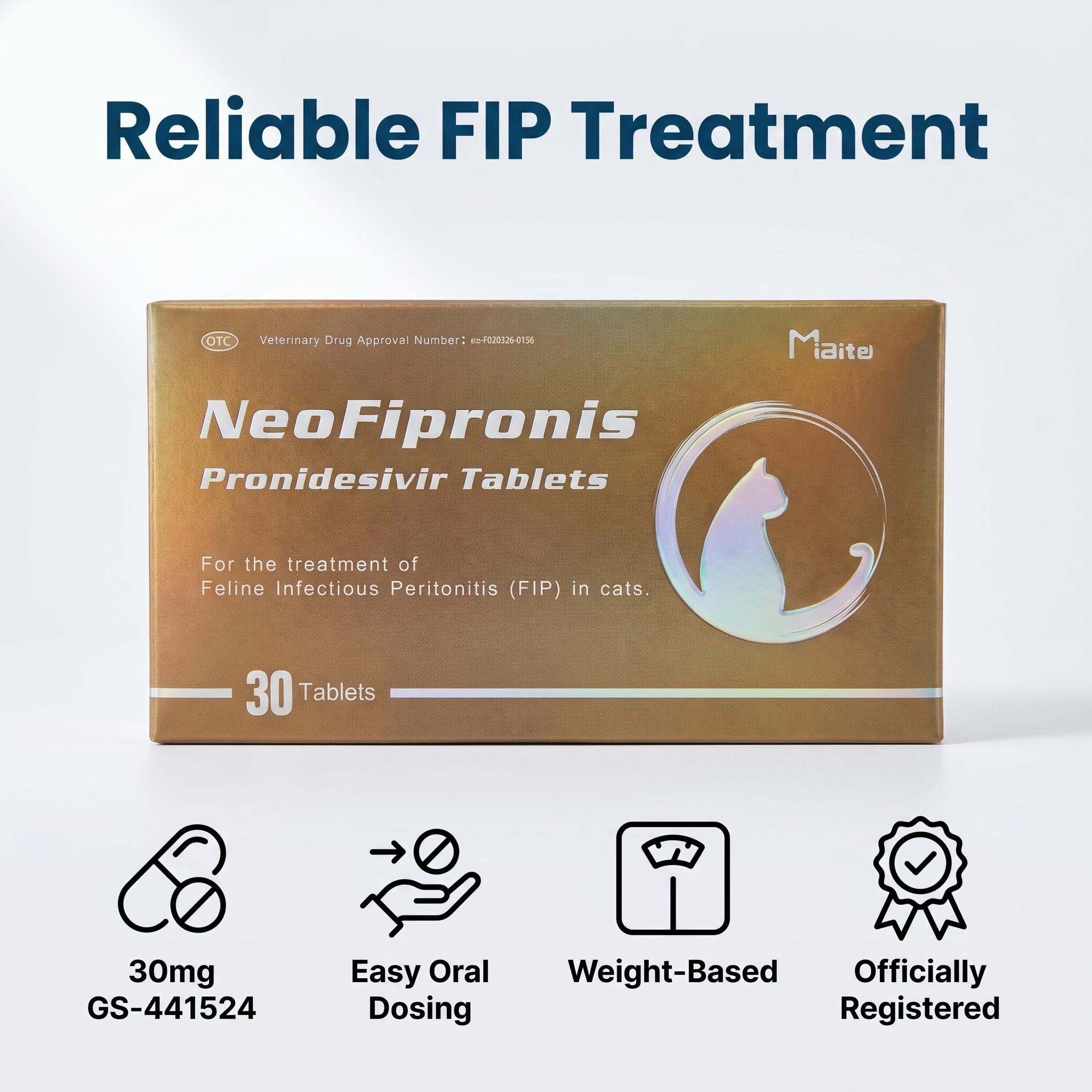
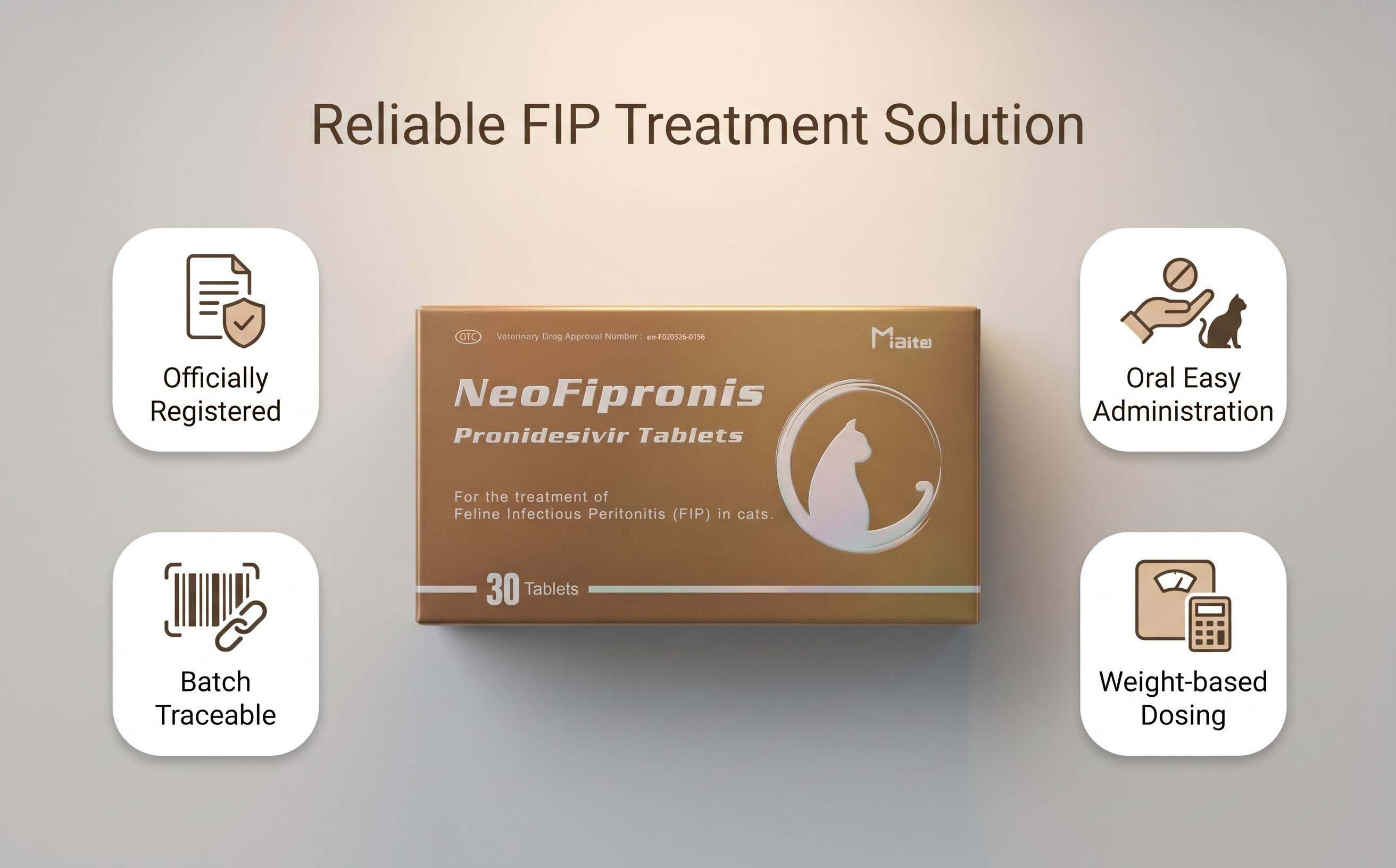
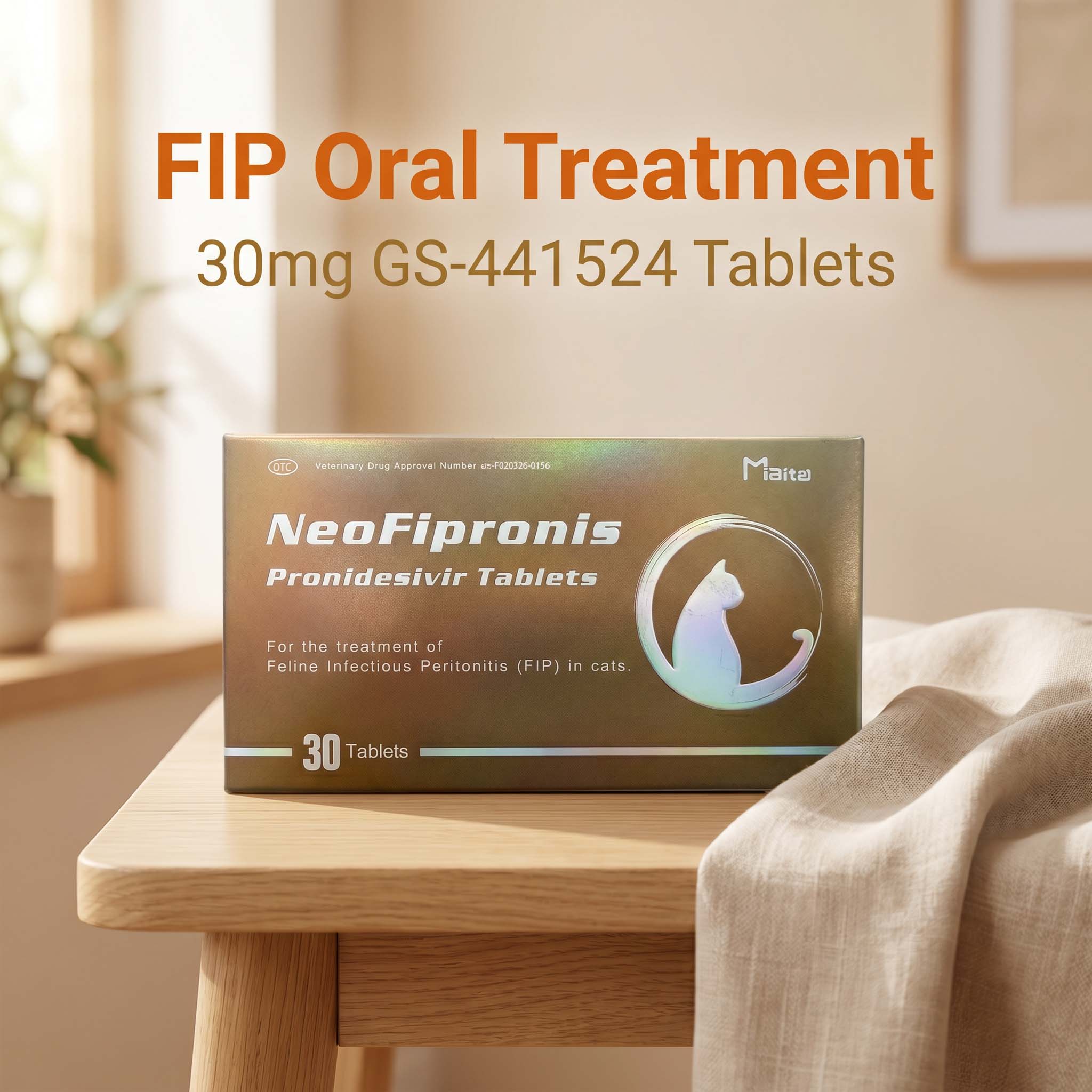
NeoFipronis (Pronidesivir) is discussed by many cat owners as an oral FIP treatment option based on GS-441524, a compound associated with antiviral activity against feline infectious peritonitis (FIP). For cats showing poor appetite, lethargy, fever, abdominal fluid, pleural effusion, enlarged lymph nodes, inflammatory granulomas, neurological signs, or uveitis, treatment response is often the main concern. Just as important, however, is the question of safety: are the adverse reactions serious?
In many cats, GS-441524-based therapy is reported to be well tolerated, especially when the dose is matched correctly to body weight and the medication is given consistently. Common mild reactions may include temporary reduced appetite, soft stool, mild vomiting, or brief tiredness, particularly during the early treatment period. These effects are often related to the cat’s underlying illness, dehydration, or the body adjusting to therapy rather than to a severe drug reaction.
Serious adverse reactions are less common, but they should never be ignored. A cat that develops persistent vomiting, refusal to eat, marked weakness, jaundice, breathing difficulty, seizures, worsening fever, or rapid fluid accumulation needs immediate veterinary attention. In some cases, abnormal bloodwork may show liver strain, kidney stress, or inflammation that requires dose adjustment, supportive care, or a different treatment plan. Cats with advanced FIP, severe organ involvement, or poor hydration may be more vulnerable to complications.
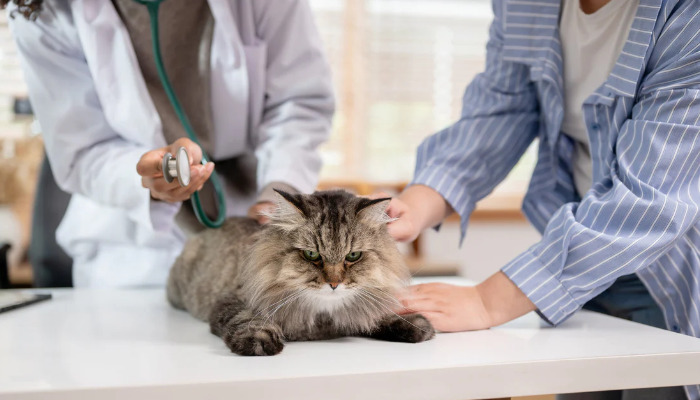
For most cats, careful monitoring greatly reduces risk. Owners are usually advised to watch daily for changes in appetite, body temperature, energy level, breathing, and neurological behavior. Regular blood tests are also important to track liver function, kidney function, red blood cell levels, and overall response to treatment. Because FIP can affect the whole body, side effects and disease progression can look similar, which makes professional monitoring especially valuable.
NeoFipronis (Pronidesivir) is commonly described as an oral medication that is easy to administer and suitable for long-term therapy. Typical use is based on body weight, with many protocols using 15 mg/kg once daily for standard cases and higher doses, such as 30 mg/kg, for neurological or ocular FIP under veterinary guidance. Consistent dosing matters because missed doses can reduce antiviral pressure and slow recovery. Treatment courses are often continued for at least 12 weeks, and stopping too early may increase the chance of relapse.
Safety also depends on product quality. Owners should purchase only from the official source recommended by the manufacturer to reduce the risk of counterfeit or inconsistent formulations. Even if a product is sold as an over-the-counter option, veterinary supervision remains the safest approach, especially for kittens, cats with liver or kidney disease, or cats receiving other medications.
For cats with FIP, the potential benefits of NeoFipronis (Pronidesivir) are significant, and many reactions reported during treatment are mild and manageable. Serious adverse reactions are possible, but they are not the most common outcome when the medication is used correctly, monitored closely, and adjusted to the cat’s condition. A veterinarian’s guidance is the best way to balance effectiveness, safety, and long-term recovery.