Is FIP More Noticeable in Kittens
Feline Infectious Peritonitis (FIP) is one of the most feared viral diseases in feline medicine, often striking cats of various ages and backgrounds with devastating consequences. For both cat owners and veterinary professionals, understanding why FIP seems especially prevalent or recognizable in kittens is of vital importance. This comprehensive article explores the underlying causes, clinical signs, diagnostic challenges, and epidemiological data to answer whether FIP is indeed more noticeable in young cats. The discussion integrates scientific research, real-world observations, and practical advice linked to FIP and its manifestation in kittens.
What Is FIP?
FIP is caused by a mutated strain of feline coronavirus (FCoV), which is commonly found in cat populations. In most cases, FCoV results only in mild intestinal symptoms, but a small percentage of cats suffer a genetic mutation of the virus, transforming it into a deadly form that triggers FIP. There are two main forms—wet (effusive) and dry (non-effusive)—each presenting with different clinical symptoms and progression rates.
Epidemiology and Risk Factors
FIP tends to emerge in environments where cats are crowded together, such as shelters, catteries, and multi-cat households. Kittens form a significant cohort in these settings, primarily due to higher birth and turnover rates. Observational studies show that 70–80% of FIP cases occur in cats less than two years old, with a notable spike in mortality observed in kittens between 3 and 16 months. This age bias raises important questions about susceptibility and detection.
Immunological Vulnerability in Kittens
Kittens experience rapid immune system changes during their first few months of life. Newborns rely heavily on maternal antibodies, acquired via colostrum, which gradually wane as they approach 8–12 weeks old. During this window, their immature immune systems may struggle to contain infections. The mutated FCoV strain that causes FIP exploits this immunological vulnerability, resulting in more severe or atypical symptoms in these young cats. Research highlights that cells called macrophages—white blood cells responsible for detecting and destroying pathogens—interact with the virus in ways that amplify its pathogenicity in kittens.
Clinical Signs in Kittens
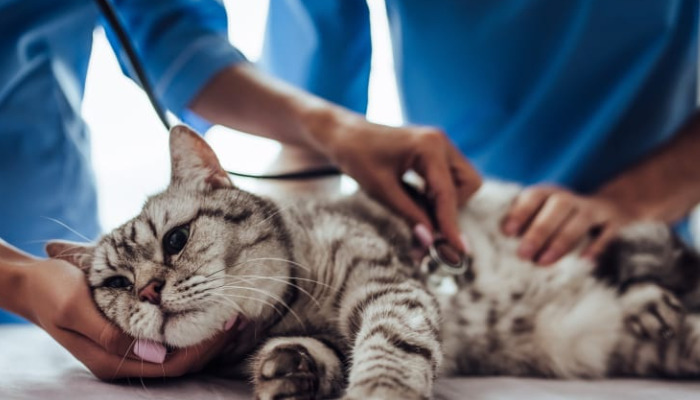
FIP presents a diagnostic challenge, as its symptoms can mimic other feline illnesses. However, kittens often show more pronounced or rapid-onset clinical signs than adult cats, possibly making the disease easier to notice. Common symptoms include:
Persistent fever unresponsive to antibiotics
Lethargy and depression
Decreased appetite
Poor growth and weight loss
Pot-bellied appearance (especially in wet FIP due to fluid accumulation)
Neurological signs (in dry FIP cases, such as ataxia and seizures)
Ocular changes (including uveitis and retinal lesions)
In crowded environments, these symptoms stand out more in kittens due to their small size and generally fast metabolic rates, causing owners and veterinarians to react more quickly.
Transmission Dynamics and Detection
Transmission of FCoV is primarily via the fecal-oral route. Kittens, by virtue of their playful and exploratory behavior, are more likely to ingest contaminated material than adult cats. Communal litter boxes, food bowls, and their tendency to lick each other facilitate the spread. Detection of classic FIP symptoms in kittens is further accentuated by their tight social bonds and close quarters, making abnormal signs more apparent and alarming. This heightened visibility can skew perception, leading to the belief that FIP is inherently more noticeable or common in this age group.
Diagnostic Complexity and Misdiagnosis
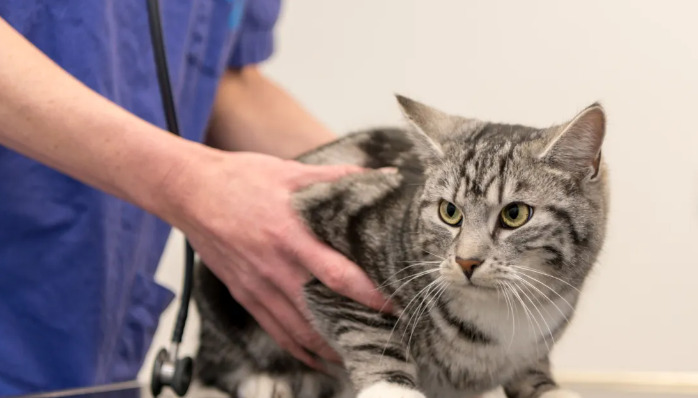
While symptoms in kittens may be more noticeable, early diagnosis remains complex. Many diseases—such as bacterial peritonitis, toxoplasmosis, or panleukopenia—can mimic FIP symptoms. Laboratory tests like coronavirus antibody titers, PCR, and analysis of effusions (fluid samples) provide vital clues. However, kittens often have higher baseline coronavirus exposure, which leads to ambiguous test results. Biopsy or necropsy remains the gold standard for definitive diagnosis, but these procedures are not always feasible, especially in very young or sick kittens.
Mortality and Prognosis
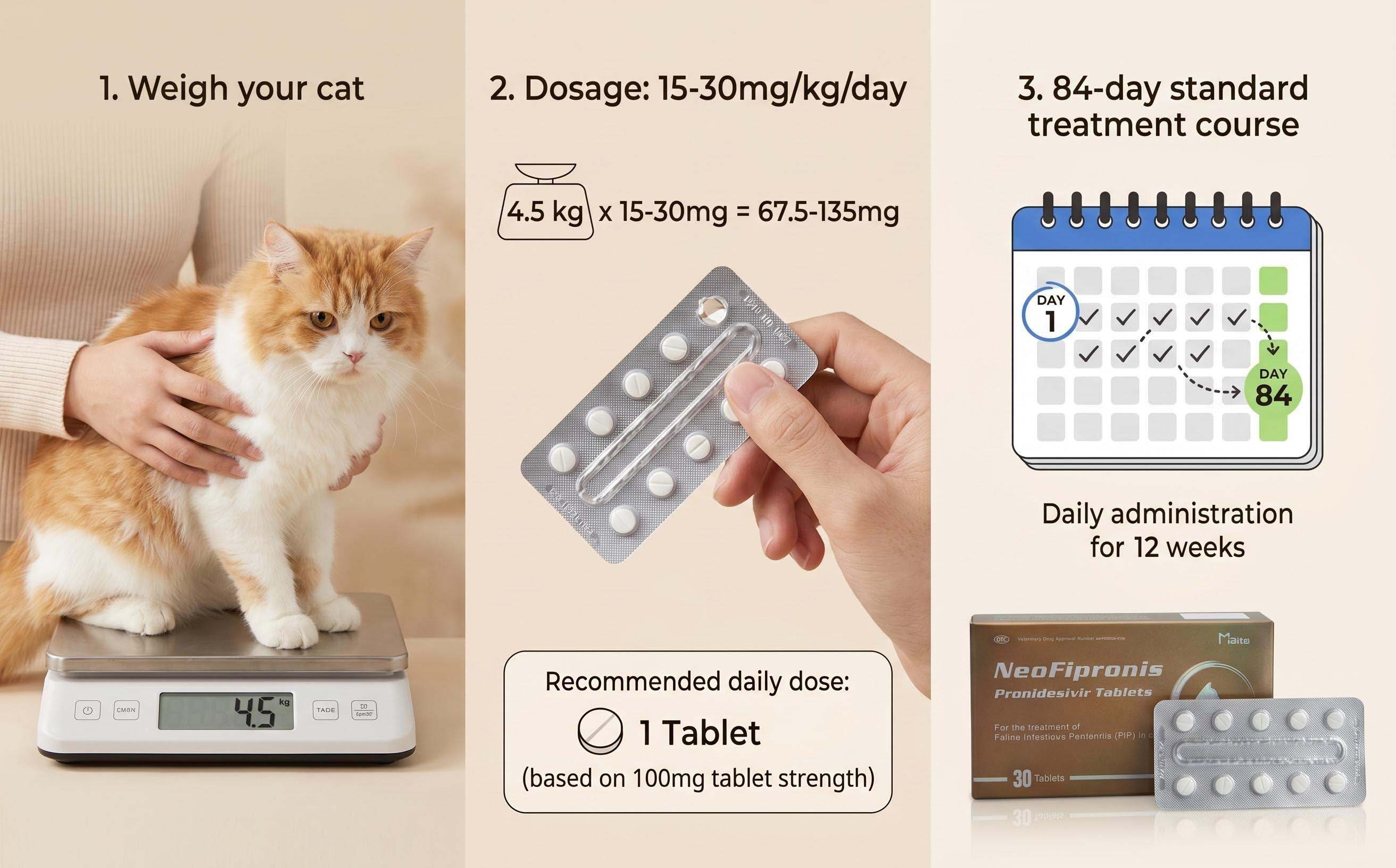
Kittens with FIP face a grim prognosis. Studies show that survival rates in young cats (under one year) are lower than their older counterparts. Rapid progression of clinical signs often means less time for intervention, and treatment options—though improving with modern antivirals like GS-441524—remain inaccessible or prohibitively expensive for many owners. This high mortality rate makes the disease stand out and underscores the urgency of developing better early detection strategies.
Management and Prevention
Preventing FIP centers around minimizing FCoV exposure, especially in high-risk environments. Strategies include:
Strict hygiene protocols for litter boxes and feeding areas
Reducing population density in shelters and catteries
Regular health monitoring and separation of sick or high-shedding animals
Ensuring adequate nutrition and stress reduction to support young immune systems
While some experimental vaccines exist, their efficacy is limited, and widespread vaccination is not currently recommended by most veterinary authorities.
Social Factors and Owner Awareness
The visibility of FIP in kittens is also amplified by social factors. Adoptions, foster programs, and social media often spotlight young cats, making instances of FIP in kittens more publicized. Owners tend to be highly attentive to kitten health due to their vulnerable age and perceived fragility, leading to quicker veterinary visits and a higher chance of diagnosis.
The Role of Veterinary Medicine and Research
Continuous research seeks to clarify why FIP is particularly devastating in kittens and to develop targeted therapies. Advances in genetic screening, antiviral drugs, and better understanding of viral mutation mechanics all promise hope for reducing the impact of FIP on young cats. Veterinarians play a key role in educating owners, conducting early screening, and lobbying for improved shelter management protocols.
Conclusion
FIP remains a highly visible, serious disease in kittens due to their immunological immaturity, high exposure risk, and social dynamics. While it seems more noticeable in this age group, the phenomenon is likely a mix of biological susceptibility and increased owner attention. Ongoing scientific and veterinary efforts are crucial for improving prevention, detection, and treatment outcomes for the youngest—and most vulnerable—members of the feline population.
References
1. Pedersen, N. C. (2014). "An update on feline infectious peritonitis: Virology and immunopathogenesis." Veterinary Journal, 201(2), 133-141
2. Hartmann, K. (2005). "Feline infectious peritonitis." Veterinary Clinics of North America: Small Animal Practice, 35(1), 39-79
3. Addie, D. D., & Jarrett, O. (1992). "Feline coronavirus antibodies in cats." Veterinary Record, 131(10), 202-203
4. Kipar, A., & Meli, M. L. (2014). "Feline Infectious Peritonitis: Still an enigma?" Veterinary Pathology, 51(2), 505-526
5. Stoddard, M. E. (2020). "Advances in FIP Treatment and Prevention." Journal of Feline Medicine and Surgery, 22(8), 671-681
6. American Association of Feline Practitioners (2023). "Feline Infectious Peritonitis Guidelines."
7. Cave, T. A., Golder, M. C., Simpson, J., & Addie, D. D. (2004). "Risk factors for feline coronavirus seropositivity in cats relinquished to a UK rescue charity." Journal of Feline Medicine and Surgery, 6(1), 53-58
8. Paltrinieri, S., et al. (2008). "Laboratory diagnosis of feline infectious peritonitis (FIP): A review." Veterinary Journal, 179(3), 319-330
9. Hosie, M. J., et al. (2009). "The immunology of feline infectious peritonitis." Veterinary Immunology and Immunopathology, 134(1-2), 64-70
10. Riemer, F., et al. (2016). "Clinical and laboratory features of cats with feline infectious peritonitis: 195 cases (2009–2014)." Journal of Feline Medicine and Surgery, 18(4), 348-355