Does a Cat With FIP Need to Be Isolated

Feline Infectious Peritonitis (FIP) is a serious, often fatal disease affecting cats worldwide. In recent years, awareness and advances in understanding this once-mysterious illness have grown significantly. One critical concern among cat owners and veterinarians is whether a cat diagnosed with FIP needs strict isolation to prevent the spread of this disease to other cats in the household. Unpacking the science behind FIP, its transmission, and the recommended management strategies can help clarify best practices for caring for affected cats and protecting others in the environment.
What is FIP?
FIP is caused by a mutated strain of feline coronavirus (FCoV). Most FCoV infections are mild, typically causing self-limited diarrhea in kittens and young cats. However, in a minority of cases, the virus undergoes genetic changes inside the cat, leading to the aggressive form known as FIP. This mutated strain sparks a severe systemic immune response, attacking tissues and organs, often resulting in death if untreated.
There are two major forms of FIP: the "wet" (effusive) and the "dry" (non-effusive) type. The wet type, characterized by the accumulation of fluid in the abdomen or chest, progresses rapidly. The dry form involves granulomas forming in various organs, often progressing more slowly and presenting with diverse neurological or ocular signs.
Transmission of FIP and Feline Coronavirus
To understand whether a cat with FIP should be isolated, distinguishing between the transmission of feline coronavirus and FIP itself is essential. FCoV, the ancestor virus, is highly contagious among cats, and it is typically spread through the fecal-oral route. Litter boxes, grooming, and close contact are common sources of exposure.
However, the mutated form that causes FIP is generally considered not to be directly transmissible between cats. Instead, it is the benign FCoV that spreads from cat to cat, and it is within an individual animal that the virus can mutate, sometimes resulting in FIP. Thus, FIP is more of a "dead-end" condition—the FIP virus itself is not shed at levels capable of infecting other cats.
Should You Isolate a Cat with FIP?
Given the transmission dynamics, isolating a cat simply because it has FIP is not strictly necessary for preventing direct FIP transmission. The FIP-affected cat is not a direct source of the mutated virus to other cats. However, because FIP arises from FCoV infection, and because cats can shed FCoV regardless of clinical signs, there is a broader question of how to limit overall coronavirus spread within a multi-cat household.
The practical approach centers on managing coronavirus—not specifically FIP—transmission. Most cats exposed to FCoV will never develop FIP. The risk factors include genetics, age (younger cats are more susceptible), immune status, stress, and viral load.
Managing the Environment with a Cat with FIP
While strict isolation of the FIP cat is not needed, several management strategies help reduce the overall risk of infection and minimize stress for affected and healthy cats.
Hygiene
Regular cleaning of litter boxes and feeding areas is crucial. Remove feces promptly, disinfect surfaces, and avoid overcrowding. Consider one litter box per cat, located in a quiet, easily accessible area.
Reducing Stress
Stress weakens immunity and increases vulnerability to FIP development among cats exposed to FCoV. Maintain a peaceful environment, minimize changes, and provide hiding spaces and enrichment. For the ill cat, provide comfort and attention as needed.
Limiting Contact with High-Risk Groups
If the household contains kittens or immunocompromised cats, they are at higher risk for infection. While the FIP cat does not shed the mutated virus, it is prudent to avoid high-risk mixing if the ill cat is still shedding FCoV. Shelter environments and breeding catteries should be vigilant in managing and separating kittens from known coronavirus shedders.
Testing
FCoV status can be determined via fecal PCR, though most cats exposed will test positive. This test has limited value for deciding isolation unless specific outbreak management is necessary. Routine screening is uncommon in pet households.
Preventing Future Infections
Complete eradication of FCoV from a household is difficult. Focus instead should be placed on controlling viral load and stress. Avoid introducing new young kittens from FCoV-positive environments. Consider testing cattery queens and toms, maintaining small groups, and early weaning protocols in breeding facilities.
Understanding the Risk to Other Cats
While most adult cats in a stable household who have previously been exposed to FCoV are at little risk for FIP after a housemate is diagnosed, kittens and immune-suppressed cats should be monitored more closely. Genetic factors play a role; some cats may be more susceptible to FIP when exposed to FCoV.
Compassionate Care for FIP Cats
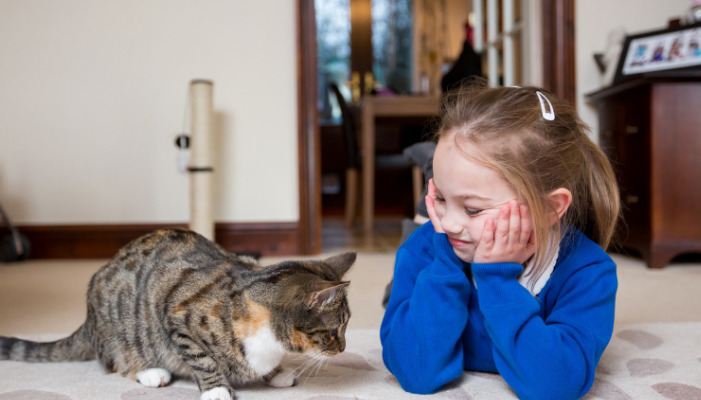
FIP was once considered invariably fatal. Now, with recent advances such as antiviral medications like GS-441524, prognosis has improved in some cases. Affected cats deserve loving, supportive care—if isolation breeds stress or loneliness, it may do more harm than good.
Special Considerations for Shelters and Catteries
Large groups of cats, especially in shelters or breeding environments, require more rigorous management strategies. Segregating new arrivals, minimizing group sizes, and rotating cleaning staff can reduce FCoV transmission. If a cat develops FIP, managing FCoV spread becomes more important—not direct FIP transmission.
FIP outbreaks in catteries are rare but devastating. After a case, environmental cleaning and temporary reduction in breeding groups may be advised.
Best Practices According to Veterinary Guidelines
Leading organizations such as the American Association of Feline Practitioners and the Cornell Feline Health Center recommend that household cats with FIP are generally not isolated unless symptomatic shedding of diarrhea persists, or when high-risk kittens are present.
The World Small Animal Veterinary Association agrees: Isolation is not necessary for the purpose of FIP containment, but attention to hygiene and limiting FCoV transmission among susceptible populations remains prudent.
Myths and Misconceptions
FIP is often misunderstood. Families fear that allowing an FIP cat to remain with others will result in a household-wide outbreak. The reality is that mutational events happen inside individual cats—not as a result of direct transmission of the pathological virus. Addressing misconceptions helps reduce unnecessary stress and stigma.
Summary of Recommendations
Do not isolate a cat with FIP solely to prevent spread of FIP
Focus on hygiene and managing coronavirus transmission
Pay attention to the needs—physical and emotional—of all cats in the household
In breeding and shelter environments, strengthen infection control protocols
Isolate only under specific circumstances where fecal shedding or highly vulnerable animals are involved
Living with a Cat Diagnosed with FIP
Emotional challenges are as real as medical ones. Many owners experience grief, confusion, or guilt after a diagnosis. Education empowers families to support their cat and make informed decisions about care. The best environment for a cat with FIP is often among loved ones, with medical support adapted to their needs.
Future Directions in FIP Management
Rapid progress in understanding FIP pathogenesis has led to new diagnostic tools, treatments, and prevention strategies. Gene sequencing and improved antiviral drugs may one day shift the management of FIP and even coronavirus infections toward prevention and cure.
Further Reading and Resources
For those seeking more on FIP, several veterinary universities and feline health organizations have produced accessible guides that detail transmission, care, and ongoing research.
References
1. Pedersen, N.C. (2020). Feline Infectious Peritonitis: An overview. Feline Health Center, Cornell University. https://www.vet.cornell.edu/departments-centers-and-institutes/cornell-feline-health-center/health-information/feline-health-topics/feline-infectious-peritonitis
2. American Association of Feline Practitioners. (2022). Feline Infectious Peritonitis: Practice Guidelines. https://catvets.com/guidelines/client-brochures/fip
3. Addie, D.D., et al. (2021). Feline coronavirus infections: Management strategies and implications for FIP. Journal of Feline Medicine and Surgery, 23(8), 669-682.
4. World Small Animal Veterinary Association (WSAVA). (2023). Feline Infectious Peritonitis (FIP) Guidelines. https://wsava.org/global-guidelines/infectious-disease-guidelines/fip/
5. Hartmann, K. (2019). Feline infectious peritonitis: Update on epidemiology and diagnostics. Veterinary Clinics of North America: Small Animal Practice, 49(4), 745-761.
6. University of California Davis, School of Veterinary Medicine. (2023). FIP Treatment and Prevention. https://www.vetmed.ucdavis.edu/clinical-trials/fip-resources
7. Leudar, S. & Wells, A. (2021). Living with FIP: Emotional and practical guidance for cat owners. Cat Care Quarterly, 34(2), 24-33.