Cat Won’t Lie Flat — Could This Be FIP
When cats display unusual postures—such as refusing to lie flat—concerned owners often suspect something more serious might be at play. Among the array of feline diseases, Feline Infectious Peritonitis (FIP) stands out for its complex symptoms and severity. This article investigates the connection between reluctance to lie flat and FIP, exploring clinical presentation, diagnosis, and actionable steps while ensuring the information is clear and engaging for American pet owners.
Understanding FIP: Etiology and Mechanisms
FIP is caused by a mutated form of feline coronavirus (FCoV). While FCoV commonly infects cats with mild symptoms, a small percentage of cases mutate into FIP. The mutated virus triggers a severe inflammatory reaction, particularly in the abdomen, chest, or organs, leading to characteristic signs. There are two primary forms: effusive (wet) and non-effusive (dry), both presenting with unique challenges and clinical signs.
Why Won’t My Cat Lie Flat? Clinical Implications
Reluctance to lie flat can be a subtle but significant symptom. In FIP—especially the effusive (wet) form—fluid accumulates in the abdomen (ascites) or thoracic cavity (pleural effusion), making it physically uncomfortable or even painful for the cat to stretch out. The pressure, coupled with inflammation, can restrict normal movement and posture. In non-effusive FIP, granulomas or inflamed tissue masses might press against internal organs or nerves, making lying flat uncomfortable.
Owners may notice their cat seeking elevated or curled positions, avoiding resting directly on their belly, or quickly rising after attempting to lie down. Such behaviors often coincide with other systemic symptoms.
Recognizing Early Signs: Beyond Posture
While refusal to lie flat is concerning, it rarely occurs in isolation. Typical symptoms of FIP include:
Persistent fever unresponsive to antibiotics
Weight loss and anorexia
Lethargy, depression, and decreased activity
Distended abdomen (from fluid accumulation)
Labored or rapid breathing (if pleural effusion is present)
Jaundice or pale gums
Neurological signs: unsteady gait, seizures (in the dry form)
Ocular changes: inflammation or cloudiness
Noticing these signs early and consulting with a veterinarian is critical, especially if behavioral changes such as altered posture are accompanied by physical symptoms.
Differentiating FIP from Other Conditions
While FIP is a leading suspect, other diseases can also lead to reluctance lying flat:
Heart disease: Causes fluid buildup, breathing difficulty.
Advanced liver disease: Results in abdominal swelling.
Severe gastrointestinal disease or obstruction.
Painful musculoskeletal or neurological problems.
A thorough veterinary examination—often including blood work, imaging, and sometimes fluid analysis—is needed to distinguish FIP from these mimics.
Diagnosis: Clinical and Laboratory Approaches
FIP is notoriously difficult to diagnose definitively. Veterinarians rely on a combination of:
Physical examination: Identifying ascites, fever, or other abnormalities
Blood tests: Lymphopenia, hyperglobulinemia, elevated protein levels
Fluid analysis: Effusions show high protein content, low cell counts
Imaging: Ultrasound or X-rays revealing fluid accumulation, masses, or organ changes
PCR and serology: Detecting coronavirus RNA, though false positives are common due to non-FIP FCoV prevalence
Assessment is often a process of exclusion, ruling out other causes and recognizing key patterns suggestive of FIP.
Therapeutic Advances in FIP Management
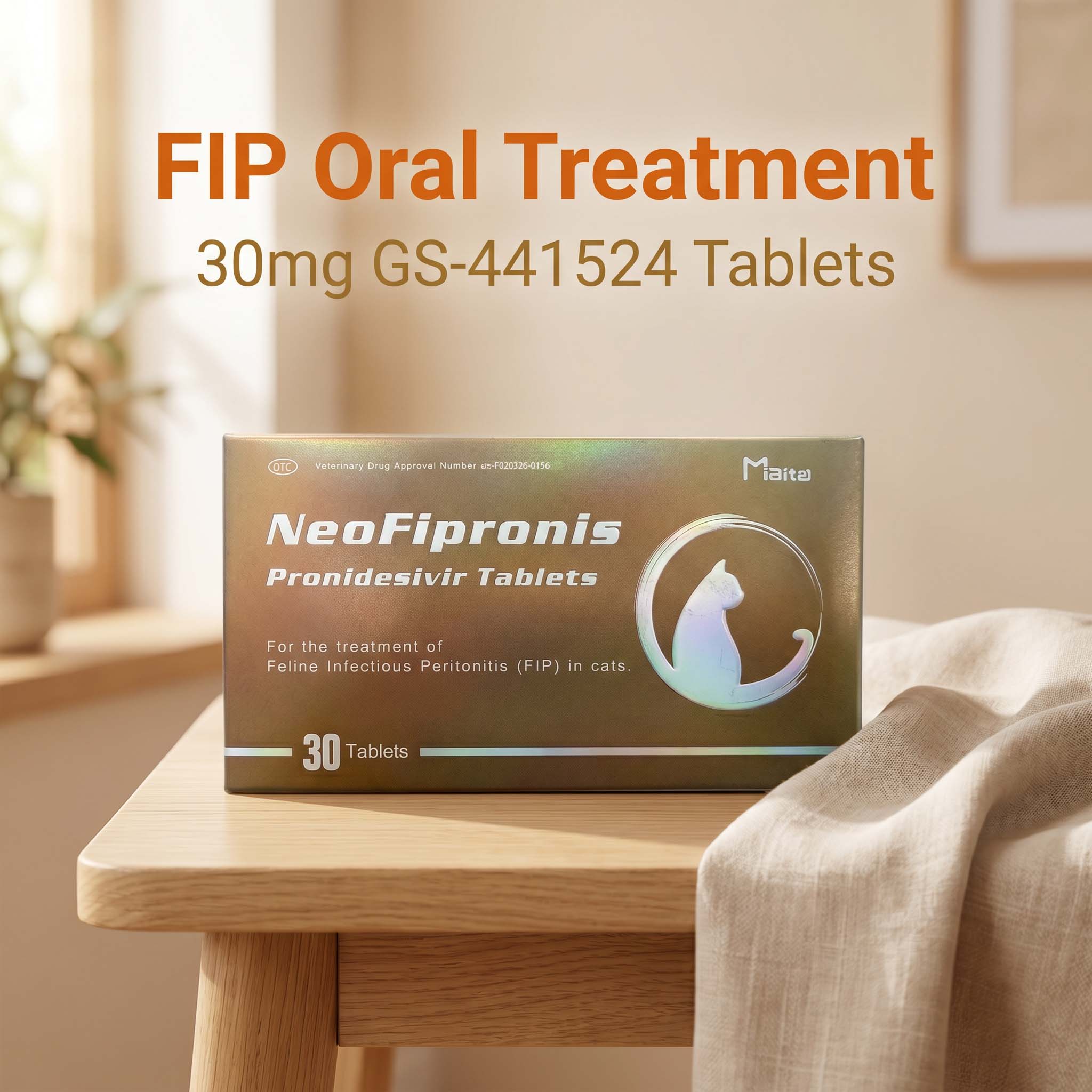
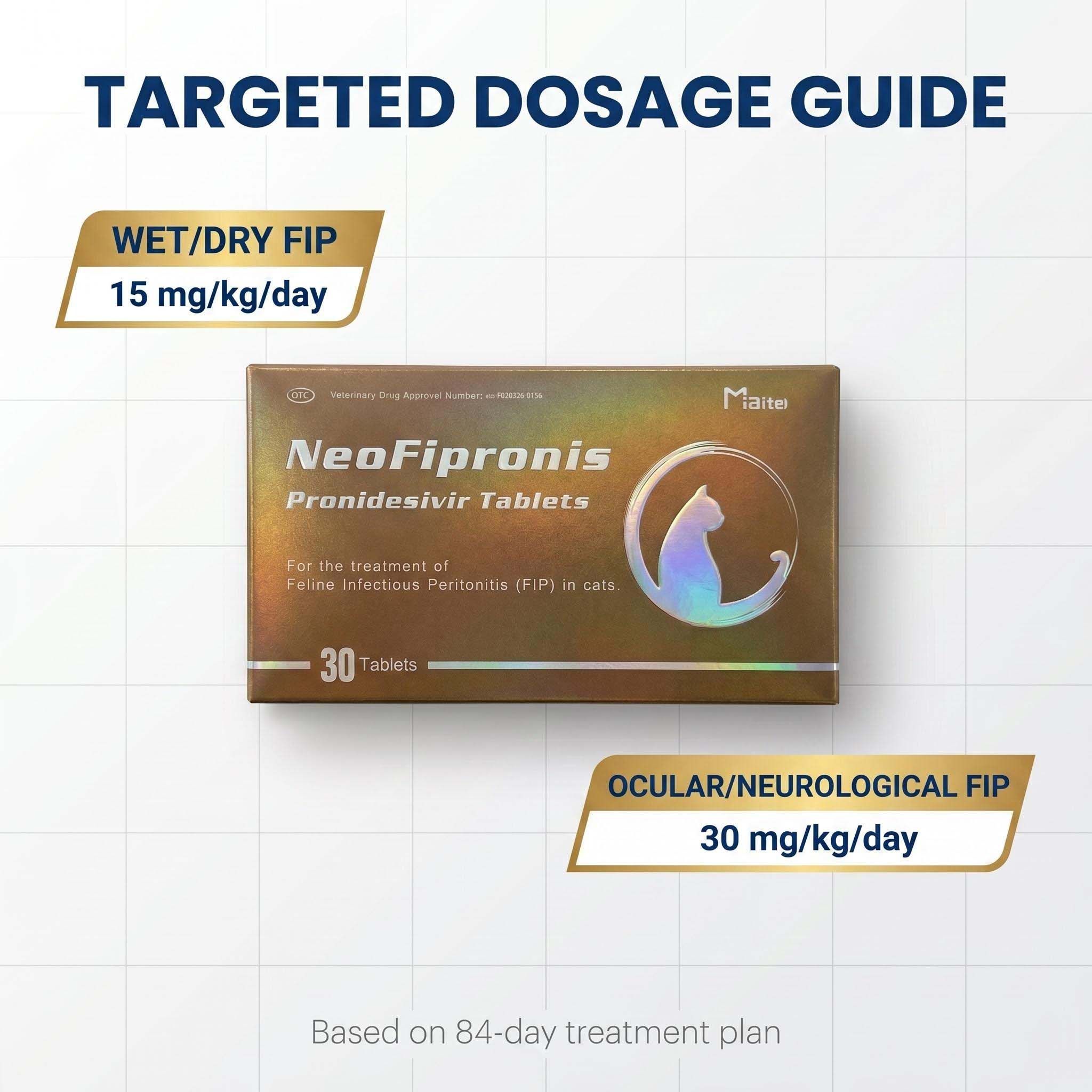
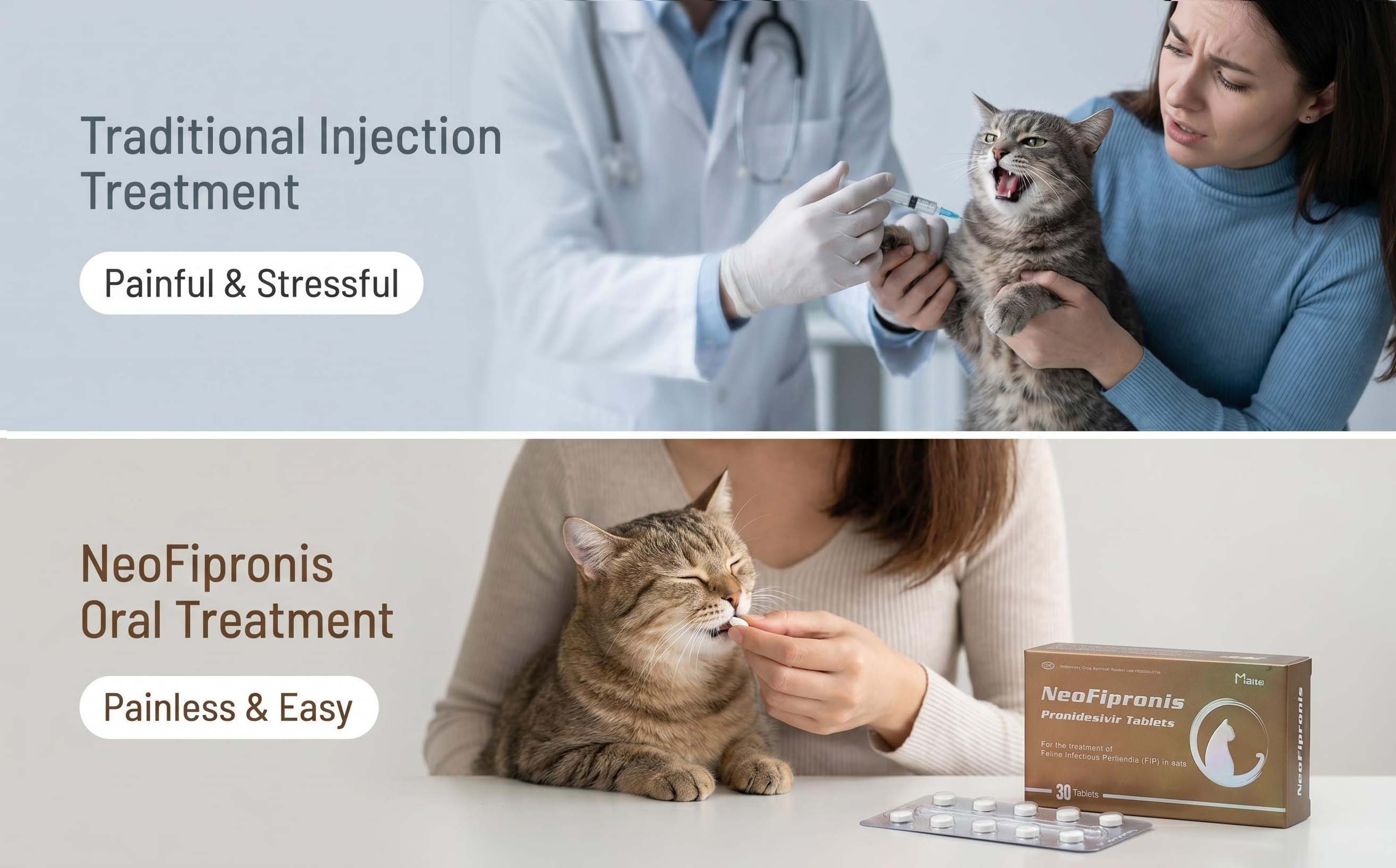
Historically, FIP was considered untreatable, but recent medical breakthroughs offer new hope. GS-441524, an antiviral agent, has shown dramatic efficacy in clinical studies. Though not universally approved, it is increasingly available through veterinary channels in the United States. Supportive care remains essential: fluid management, nutritional support, and symptomatic therapy can improve quality of life.
Some cats treated early with antivirals have entered long-term remission. However, treatment costs and accessibility remain challenges for many pet owners.
When to Seek Veterinary Help
Immediate veterinary assessment is critical when a cat exhibits:
Refusal or inability to lie flat
Labored breathing
Sudden abdominal swelling
Profound lethargy or neurological signs
Early intervention can aid diagnosis, initiate supportive care, and improve outcomes.
Prevention and Risk Factors
FIP most often affects young cats, shelter animals, and multi-cat households. Minimizing stress, keeping litter boxes clean, and reducing overcrowding may lower risk of FIP mutation in susceptible cats. Breeders and shelters are encouraged to practice FCoV control measures, including isolating sick cats and screening for symptomatic carriers.
The Emotional Toll of FIP
Coping with a potential or confirmed diagnosis of FIP is emotionally draining. Owners may feel guilt, confusion, or sadness. Support networks, including veterinarians, online communities, and family, can help navigate this period. Ensuring comfort and minimizing suffering should remain the priority, especially in advanced cases.
Living With a Cat Suspected of FIP
If FIP is suspected but not confirmed, owners can take practical steps to maximize comfort:
Provide soft, warm resting spots elevated from the ground
Monitor eating, drinking, toilet habits
Keep the environment calm and free from stressors
Schedule regular veterinary check-ins
Gently observing posture and movement helps track progression and aids veterinarians during re-evaluation.
Prognosis and Outcomes
Prognosis historically was grim, but antiviral therapy has shifted the landscape. Not every cat responds to treatment, but successes are increasing. Palliative care may be appropriate for advanced cases where treatment isn’t possible or effective.
Current Research and Future Directions
Medical and scientific communities continue to push for better diagnostics, more effective treatments, and prevention strategies. Vaccine efforts have largely failed, but genetic studies suggest some breeds have reduced susceptibility. Increased awareness among veterinarians and owners leads to earlier intervention and better outcomes.
FAQ: Common Questions About FIP and Posture
Can FIP be cured?
Some cases, especially when caught early and treated with antivirals, result in remission.
Is my cat at risk if they live alone?
Single-cat households have lower risk, though not zero if FCoV exposure occurs through visits or new animals.
How quickly do symptoms progress?
FIP often advances within weeks, but some dry forms can linger for months.
Should I isolate my suspected FIP cat?
FIP itself isn’t contagious, but FCoV is. Precautions help protect other household cats.
Can a healthy-appearing cat refuse to lie flat for other reasons?
Yes. Pain, injury, or other illnesses can cause similar postural changes.
Support and Resources for Owners
American pet owners have access to veterinary clinics, online resources, and support groups. Some non-profit organizations provide assistance with antiviral medication costs or advice. Communication with your vet—alongside maintaining records of observed behaviors and symptoms—promotes more effective diagnosis and management.
Conclusion: Action Steps for Concerned Cat Owners
If your cat is reluctant to lie flat, especially alongside other symptoms, timely veterinary evaluation is crucial. While FIP is one possibility, only professional examination can determine the exact cause. Advances in FIP research mean owners now have options that may extend lifespan and quality of life. Being proactive, informed, and compassionate ensures your cat receives the best possible care.
References
1. Pedersen, N. C. (2019). "Update on feline infectious peritonitis: Prevention and treatment." Veterinary Clinics: Small Animal Practice, 49(4), 745-761.
2. Kipar, A., & Meli, M. L. (2014). "Feline infectious peritonitis: A review of pathogenesis and diagnostics." Journal of Feline Medicine and Surgery, 16(7), 529-540.
3. Addie, D. D., et al. (2022). "Feline coronavirus and FIP: What we know and what we don’t know." Veterinary Microbiology, 269, 109417.
4. Hartmann, K. (2005). "Feline infectious peritonitis." Veterinary Clinics of North America: Small Animal Practice, 35(1), 39-79.
5. Chang, H. W., & Egberink, H. F. (2012). "Feline infectious peritonitis: A review of an emerging disease." Veterinary Journal, 194(2), 161-170.
6. Izes, A. M., et al. (2020). "Feline infectious peritonitis: An update on diagnosis and management." Veterinary Journal, 263, 105414.
7. Murphy, B. G., et al. (2018). "Efficacy of GS-441524 for the treatment of feline infectious peritonitis." Journal of Feline Medicine and Surgery, 20(4), 378-382.
8. American Association of Feline Practitioners (AAFP). (2023). "Feline infectious peritonitis (FIP): Guidelines." [https://catvets.com](https://catvets.com)
9. UC Davis Koret Shelter Medicine Program. (2022). "FIP and feline coronavirus: Shelter protocols." [https://sheltermedicine.com](https://sheltermedicine.com)