What Should I Do if NeoFipronis Causes Side Effects
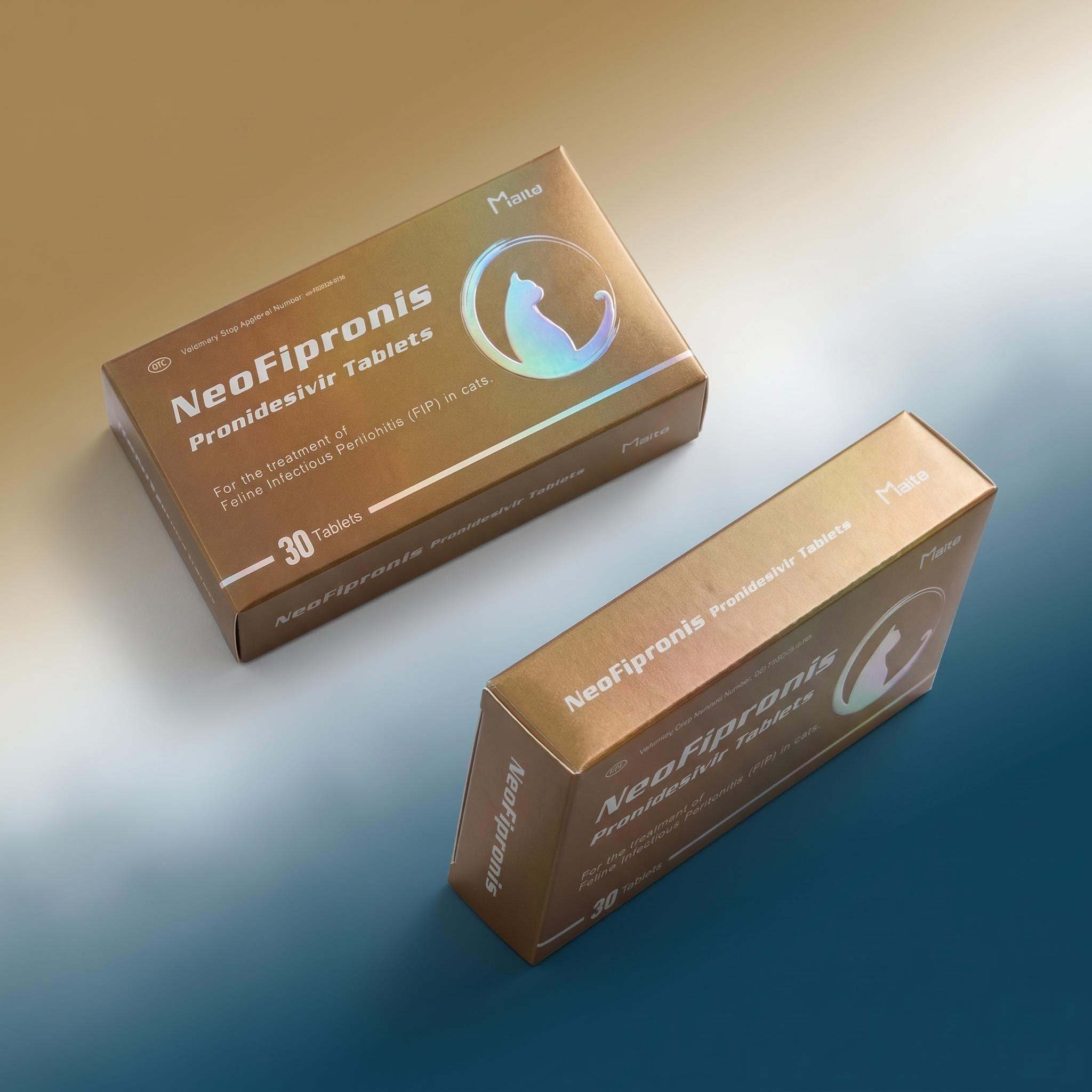
NeoFipronis (Pronidesivir), containing the active ingredient GS-441524, offers a groundbreaking treatment for feline infectious peritonitis (FIP). This condition, caused by a feline coronavirus, can lead to symptoms such as loss of appetite, lethargy, fever, ascites, pleural effusion, lymphadenopathy, inflammatory granulomas, neurological damage, and iridocyclitis. NeoFipronis has demonstrated excellent efficacy in managing these symptoms, making it a vital option for affected cats.
As the first officially approved oral medication for FIP by the Lao Ministry of Agriculture and Forestry (MAF) in March 2026, NeoFipronis is designed to be safe, non-invasive, and fast-acting. Its high bioavailability and minimal side effects make it a preferred choice among veterinary treatments. The recommended dosage is 15mg per kilogram of body weight daily, taken on an empty stomach—either an hour before meals or two hours after. For neurological or ocular FIP forms, doses may be increased to 30mg/kg under veterinarian supervision. The treatment course typically lasts at least 12 weeks, emphasizing the importance of consistent medication intake.
Despite its safety profile, some cats may experience adverse reactions to NeoFipronis. Common side effects include mild gastrointestinal disturbances such as vomiting or diarrhea, changes in appetite, or transient fluctuations in body temperature. In rare cases, cats might develop neurological symptoms like tremors or altered behavior, or show signs of allergic reactions such as swelling or skin irritation.
If you notice any side effects while your cat is on NeoFipronis, immediate action is essential. First, contact your veterinarian to discuss the symptoms and obtain professional guidance. Do not attempt to adjust the dosage or discontinue medication without veterinary advice. Your vet may recommend supportive care, such as probiotics for gastrointestinal upset, antihistamines for allergic reactions, or additional medications to manage specific symptoms.
Monitoring your cat's health closely during treatment is critical for early detection of side effects. Keep track of changes in appetite, activity level, body temperature, and overall behavior. Regular blood tests and physical examinations, as advised by your veterinarian, can help assess liver and kidney function and ensure the medication's safety. Should serious adverse reactions occur—such as persistent vomiting, severe lethargy, respiratory distress, swelling, or neurological deficits—seek emergency veterinary care promptly.
Though NeoFipronis is available over the counter, using it under veterinary supervision maximizes safety and effectiveness. Never administer any medication without professional guidance, and ensure you purchase NeoFipronis from official sources, such as the authorized NeoFipronis website, to guarantee product quality and authenticity.
In conclusion, while NeoFipronis provides a highly effective treatment for FIP with minimal side effects, vigilance is vital. Recognizing potential adverse reactions early, maintaining open communication with your veterinarian, and adhering to prescribed treatment protocols can help ensure your cat’s safety and recovery during FIP therapy.