Common Reasons for FIP Treatment Failure

Feline Infectious Peritonitis (FIP) is among the most feared diagnoses for cat owners and veterinarians alike. Triggered by a mutation in the feline coronavirus, FIP produces a diverse spectrum of clinical symptoms and typically carries a devastating prognosis. Advancements in antiviral drugs, such as GS-441524, have brightened the outlook for affected cats; however, treatment failures still occur with distressing frequency. Understanding why these failures happen is vital for improving future outcomes and guiding both veterinary professionals and caretakers towards more effective management strategies.
Diagnostic Challenges in FIP
One of the prevailing causes of treatment failure lies in the complex nature of FIP diagnosis. FIP often mimics other diseases, presenting a challenge for practitioners. Typical signs—such as weight loss, fever, lethargy, and effusions—may overlap with signs of lymphoma, bacterial peritonitis, or other systemic infections. Laboratory findings may suggest FIP but are rarely definitive. This leads to instances where cats receive FIP treatments inappropriately, or alternately, true FIP cases are missed, delaying intervention.
Polymerase chain reaction (PCR) testing, immunohistochemistry, and analysis of effusion samples can improve diagnostic certainty, but no single test is 100% sensitive or specific for FIP. Inaccurate diagnosis not only diverts valuable resources but also delays or prevents proper management. Treatment failure due to misdiagnosis remains an underappreciated pitfall in clinical practice.
Antiviral Drug Limitations
Antiviral therapy—mainly agents targeting feline coronavirus replication such as GS-441524—has transformed FIP management. Still, these drugs are not universally successful. Variability in pharmacokinetics can play a role in outcome differences. Some cats absorb the medication poorly or metabolize it differently, resulting in subtherapeutic blood levels and continued viral replication. Inconsistent dosing, user errors, or lack of adherence to recommended protocols can further contribute to poor results.
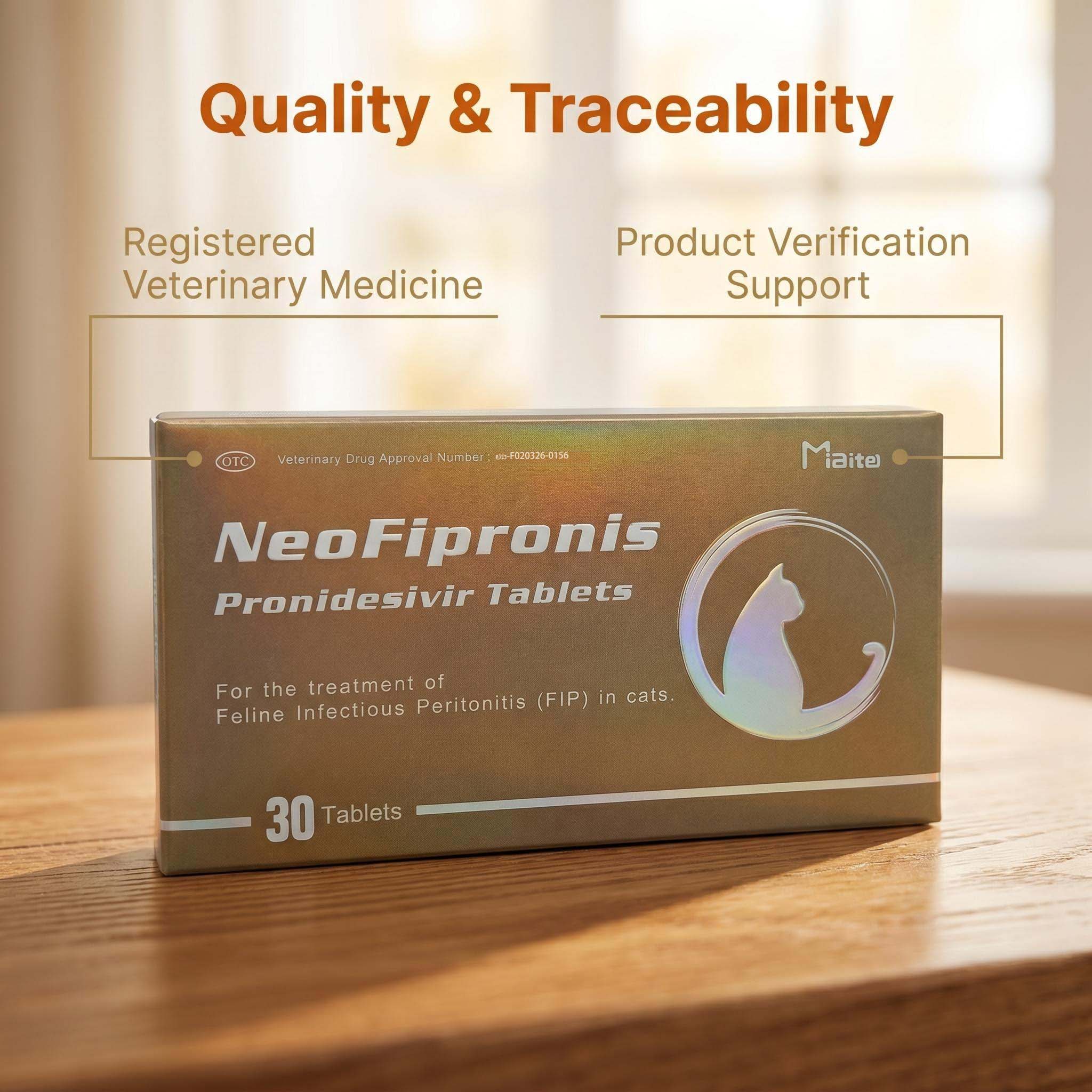
Additionally, the unregulated and black-market nature of FIP antiviral drugs has created substantial barriers. Many cat owners must procure medications outside traditional veterinary channels due to legal restrictions. The risk is considerable: improperly formulated, contaminated, or inactive drugs may fail to treat the infection and even harm patients. Without standardized dosing and pharmacological oversight, drug effectiveness is not guaranteed.
Timing and Stage of Disease
The window of opportunity for successful FIP treatment is often narrow. Cats in advanced stages, particularly those suffering severe neurological or ophthalmic forms, respond less favorably. This may reflect irreversible organ damage, viral burden that exceeds drug efficacy, or secondary complications that cannot be addressed by antiviral therapy alone.
Early diagnosis and prompt initiation of treatment are critical. Delays—due to owner hesitation, misdiagnosis, or logistical hurdles—reduce the likelihood of recovery. Advanced-stage disease frequently involves multi-organ dysfunction, immune-mediated injury, and complex presentations that are difficult to reverse, even with optimal antiviral agents.
Development of Viral Resistance
Like all antivirals, the medications used for FIP are subject to selective pressure. The coronavirus responsible for FIP mutates readily. Prolonged or inconsistent drug exposure may select drug-resistant viral strains, especially if suboptimal doses are given or therapy is prematurely discontinued. Resistant strains can render previously effective drugs useless, particularly in recurrent or relapsing cases.
Genetic studies have suggested that certain mutations confer resistance to nucleoside analogs such as GS-441524, although the clinical frequency remains uncertain. The emergence of resistance remains a major concern and underscores the importance of strict adherence to treatment regimens and vigilance in monitoring for relapse.
Immunological Factors and Host Response
The progression of FIP is as much about the host's immune response as it is about the virus itself. Some cats mount an uncontrolled inflammatory reaction, leading to pyogranulomatous lesions, effusions, and acute systemic illness. Immune-modulating drugs, corticosteroids, and supportive therapies may help suppress damaging inflammation, but risks remain.
Individual variability in immune response may explain why some cats succumb despite early and aggressive therapy. Genetic predispositions, concurrent illnesses, age, and general immune status influence outcomes markedly. Treatment protocols that focus solely on antiviral agents may overlook opportunities for adjunctive interventions tailored to the immune landscape of each patient.
Secondary Complications and Co-morbidities
Cats with FIP commonly develop secondary issues that compromise recovery, including bacterial infections, hepatic and renal insufficiency, anemia, and disseminated intravascular coagulation (DIC). FIP-induced immunosuppression can pave the way for opportunistic pathogens, complicating the clinical picture and making management difficult.
The stress of chronic disease often unmasks or exacerbates concurrent conditions, such as heart disease or diabetes. Unless these co-morbidities are identified and addressed alongside FIP, treatment is less likely to succeed. Supportive care—including antibiotics, transfusions, nutritional support, and fluid management—plays an integral role in maximizing the effectiveness of antiviral drugs.
Owner Compliance and Practical Barriers
Successful FIP treatment demands rigorous adherence to protocols, consistent dosing, and close monitoring. Many treatment failures stem from logistical challenges: financial constraints, drug availability, administration difficulties, or misunderstandings about treatment requirements. Cats may refuse oral or injectable medications, or owners may inadvertently skip doses or discontinue therapy too soon, especially as symptoms improve.
Effective education, honest communication, and ongoing support from the veterinary team can mitigate some of these barriers. Realistic expectations, clear instructions, and access to resources are critical in helping owners navigate the treatment pathway and avoid lapses that could jeopardize recovery.
Inadequate Supportive Care
Medication alone is rarely sufficient for successful FIP management. Cats with effusive forms need fluid removal and monitoring for electrolyte imbalances. Nutritional deficiencies must be addressed proactively, and pain control is crucial. Without comprehensive supportive care, antiviral therapy may not be enough to reverse the disease process.
Veterinary teams must prioritize holistic patient management: integrating fluids, appetite stimulants, antiemetics, and pain relief throughout therapy. Physical rehabilitation and environmental enrichment may improve quality of life and encourage recovery.
Drug Toxicity and Adverse Effects
While many antiviral agents have proven relatively safe in clinical trials, side effects are not uncommon. Reactions range from mild gastrointestinal upset to severe hepatotoxicity, nephrotoxicity, or hematological disturbances. Some cats cannot tolerate the required dose, forcing treatment alteration or discontinuation. Monitoring for adverse reactions and responding promptly with dose adjustments or adjunctive therapies is essential but not always feasible, particularly outside formal veterinary supervision.
Further, the homemade or unregulated nature of many FIP treatments introduces unknown risks. Adulterants, excipients, or preservatives may be present in compounded drugs, increasing the likelihood of toxicity and compromising both safety and efficacy.
Relapse and Refractory Disease
Not all cats that initially respond to treatment achieve permanent viral eradication. Relapse—usually marked by a return of symptoms weeks or months after therapy completion—often signifies incomplete viral suppression or the emergence of resistant variants. In some cases, multiple rounds of therapy may be necessary, and long-term monitoring is vital.
Refractory disease can also result from incorrect dosing, poor-quality drugs, or unaddressed secondary conditions. Clinical vigilance is necessary to identify and respond to relapse early, giving affected cats another chance at recovery before irreversible damage sets in.
Socioeconomic and Emotional Dimensions
Caring for a cat with FIP challenges owners both financially and emotionally. High medication costs, frequent veterinary visits, and uncertainty about outcomes place enormous strain on families. Treatment failures can have cascading effects—including overwhelming grief, feelings of guilt, or reluctance to seek future veterinary care.
These dimensions, though intangible, significantly impact decision-making, compliance, and the overall success of treatment. Veterinary professionals must recognize and address these pressures, providing empathy, practical solutions, and guidance throughout the FIP journey.
Public Health and Regulatory Issues
Finally, the quasi-legal status of many FIP treatments fosters uncertainty and risk. Owners must often navigate clandestine communities, face supply interruptions, or contend with misleading marketing claims. Counterfeit drugs, perilous storage, or improper handling may undermine treatment efforts.
Advocacy is crucial for legalizing effective drugs, improving quality control, and promoting access to safe, standardized medications. Meanwhile, veterinary guidance remains indispensable—both to optimize outcomes and preempt avoidable failures.
Enhancing Success: Lessons for Future FIP Management
The battle against FIP continues to evolve. Detailed post-mortem analyses, collaborative research efforts, and real-world clinical feedback are slowly unraveling the complexities of treatment failures. Advances in diagnostic testing, drug development, and integrated care approaches offer hope for a future with fewer disappointments and more cures.
For now, vigilance, education, and multidisciplinary collaboration remain the bedrock of effective FIP management. Only by understanding and actively responding to the common reasons for treatment failure can the veterinary community and cat owners alike move toward a brighter future for feline health.
References
1. Pedersen, N. C. (2020). The History and Interpretation of Coronavirus Infection in Cats as Related to Feline Infectious Peritonitis. Viruses, 12(8), 879.
2. Addie, D. D., et al. (2022). Feline infectious peritonitis: ABCD guidelines on prevention and management. Journal of Feline Medicine and Surgery, 24(3), 229-246.
3. Dickson, G., et al. (2023). GS-441524 treatment of naturally occurring feline infectious peritonitis: A review of successes and failures. Veterinary Medicine and Science, 9(1), 108-126.
4. Dempsey, S. M., & Ewing, P. J. (2011). Feline Infectious Peritonitis: Diagnosis and Treatment. Compendium: Continuing Education for Veterinarians, 33(9), E1.
5. Tuan, V. P., & Rolan, G. (2023). Surmounting treatment obstacles in feline infectious peritonitis cases: Insights into resistance, drug quality, and compliance. Veterinary Sciences, 10(2), 400.
6. Tasker, S. (2018). Diagnosis and management of feline infectious peritonitis: what’s new and what remains challenging. Veterinary Clinics: Small Animal Practice, 48(1), 1-17.