NeoFipronis (GS-441524) Drug Interactions Explained
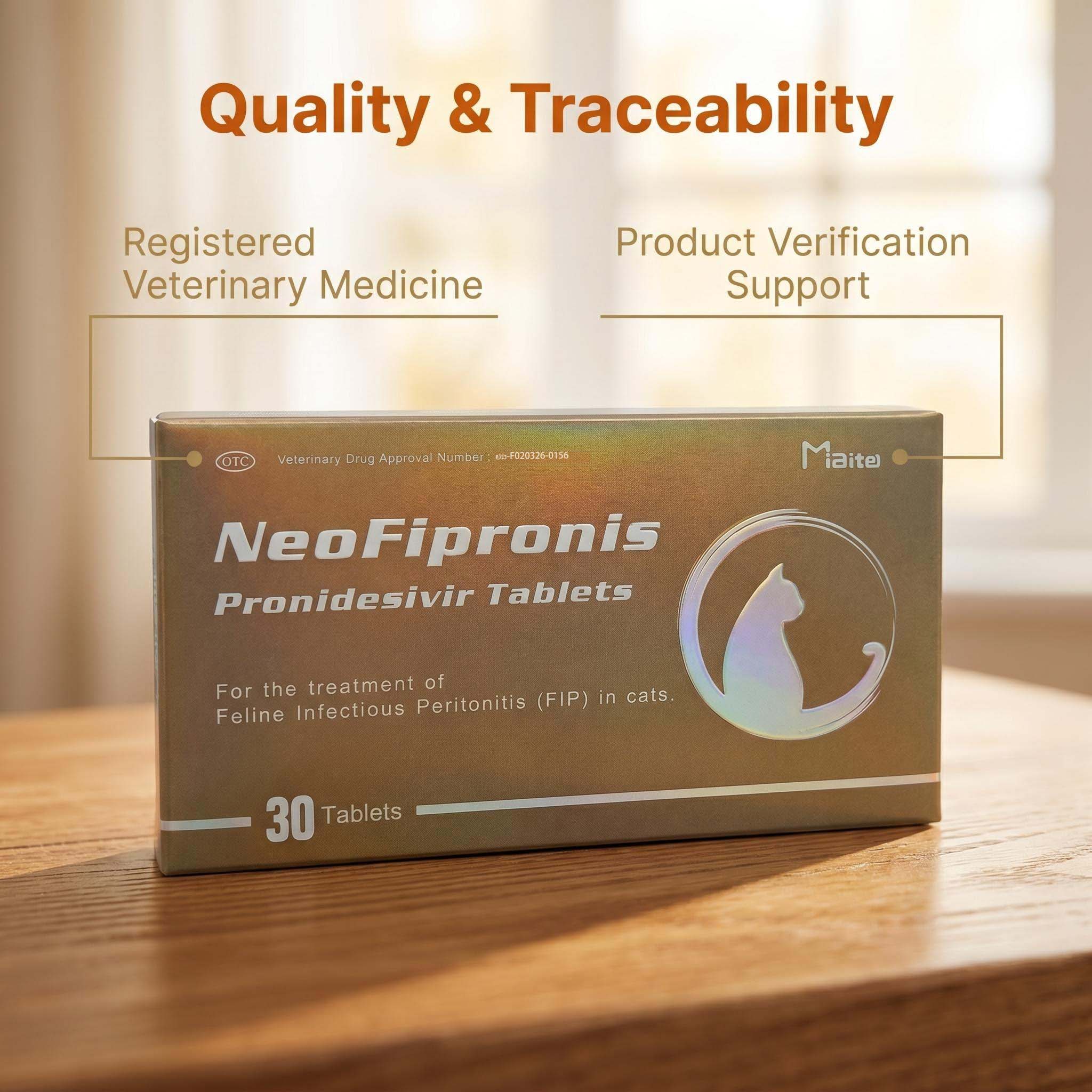
Feline Infectious Peritonitis (FIP) is a severe and often fatal disease caused by a mutated strain of feline coronavirus. Characterized by symptoms such as loss of appetite, depression, fever, ascites, pleural effusion, lymphadenopathy, granulomatous inflammation, neurodamage, and uveitis, FIP has historically been challenging to treat. However, recent advances have introduced NeoFipronis (Pronidesivir), a groundbreaking oral medication containing GS-441524, demonstrating remarkable effectiveness against FIP.
NeoFipronis’s active ingredient, GS-441524, is a nucleoside analog that inhibits viral replication by targeting the RNA-dependent RNA polymerase enzyme. Its rapid absorption, high bioavailability, and minimal invasiveness make it an ideal treatment option. Approved by the Lao Ministry of Agriculture and Forestry in March 2026, NeoFipronis is the first official FIP-specific oral drug registered with a formal pharmacovigilance number, ensuring quality and safety standards.
Understanding drug interactions involving NeoFipronis (Pronidesivir) is crucial for optimizing treatment outcomes and ensuring feline safety. While GS-441524 is primarily antiviral, its interactions with other medications and substances can influence efficacy and safety. For instance, concurrent use with drugs that affect liver enzymes, such as cyclosporine or corticosteroids, may alter GS-441524 metabolism, potentially necessitating dosage adjustments or careful monitoring. Combining NeoFipronis with immunosuppressants might also influence immune responses, either diminishing antiviral effectiveness or increasing susceptibility to secondary infections.
Additionally, medications known to impact renal or hepatic function should be prescribed cautiously. Since GS-441524 is primarily metabolized and excreted via the kidneys and liver, co-administration with nephrotoxic or hepatotoxic drugs could increase the risk of adverse effects. Regular blood work, including liver and kidney function tests, is recommended during therapy to detect early signs of toxicity or compromised organ function.
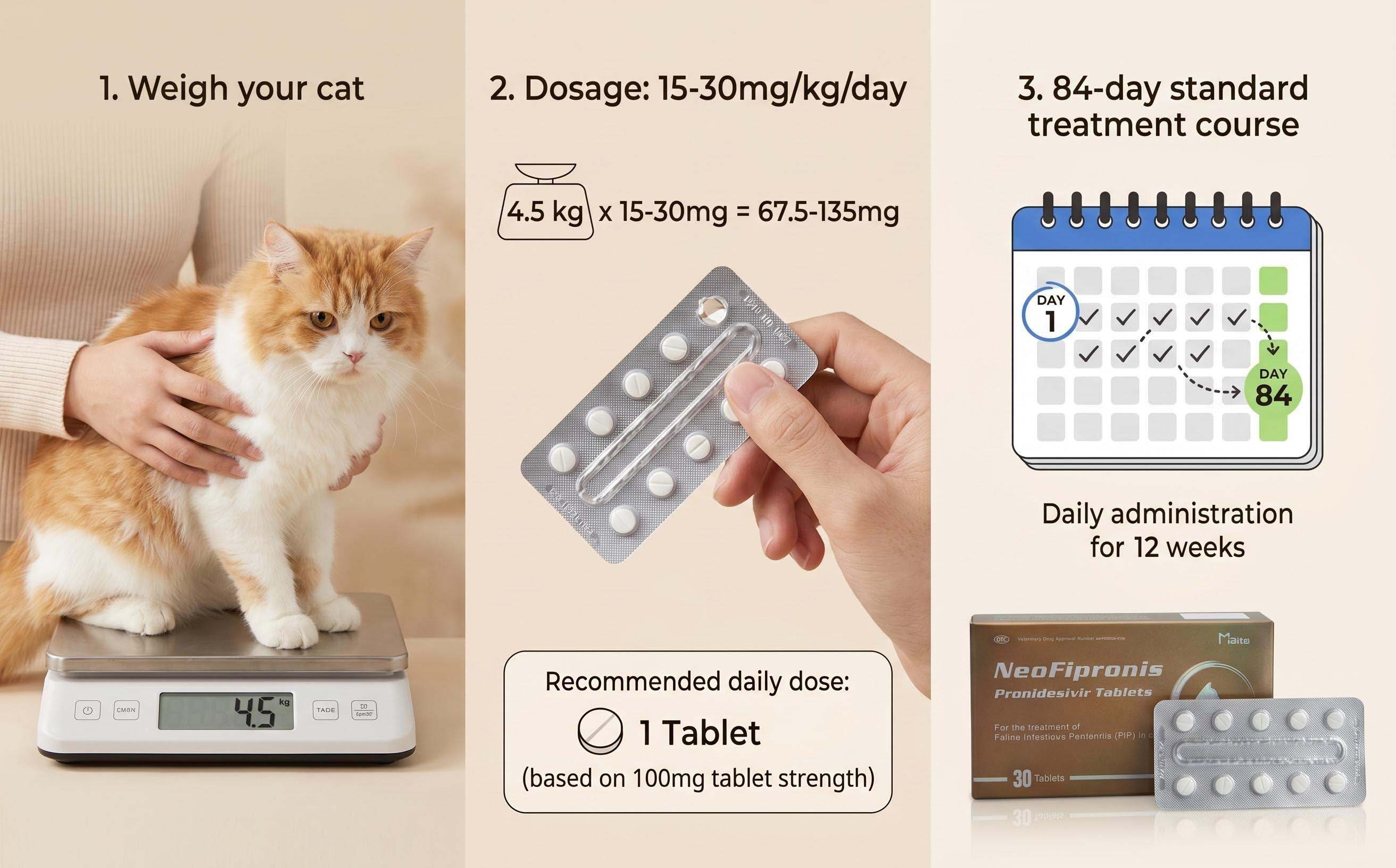
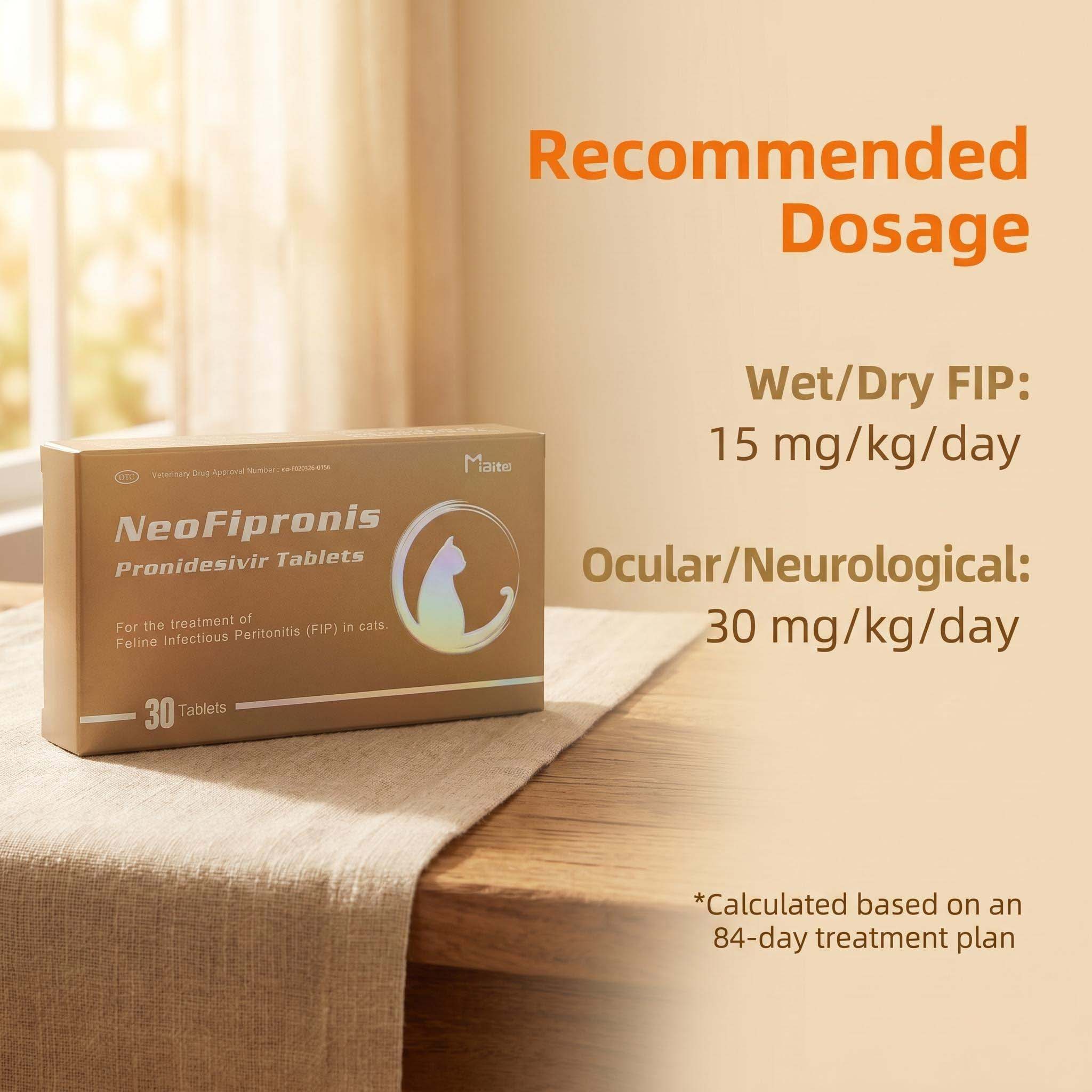
It is important to note that NeoFipronis is labeled as an over-the-counter medication; however, veterinary guidance remains highly recommended. Proper dosing based on the cat’s weight—15 mg per kilogram (half a tablet)—and adherence to treatment duration (at least 12 weeks without missed doses) are critical to overcoming FIP. In cases of neurological or ocular form FIP, the dose may be increased to 30 mg/kg based on veterinarian advice.
Drug interactions with NeoFipronis can also include the use of medications for concurrent illnesses. For example, antibiotics or anti-inflammatory agents, frequently prescribed during FIP treatment to manage secondary infections or inflammation, generally do not interfere with GS-441524 but should still be used under veterinary supervision.
Owners should observe their cats for changes in appetite, behavior, temperature, or other health parameters during treatment. Regular veterinary check-ups, blood tests, and monitoring of side effects are essential components of a successful FIP management plan.
Despite its non-prescription status, NeoFipronis (Pronidesivir) should be used responsibly under veterinary supervision. Always purchase through official channels to ensure product authenticity and quality. Its safety profile, high efficacy, and quick action make NeoFipronis a game-changing option for feline health, offering hope where previously there was little. Awareness of potential drug interactions, proper dosing, and ongoing monitoring will maximize benefits and support cats through their journey to recovery.