Complete Guide to Recognizing FIP Symptoms in Cats
Introduction and Overview
Feline Infectious Peritonitis (FIP) is an enigmatic and devastating disease that affects domestic cats, often leading to fatal outcomes if left undiagnosed or untreated. Caused by a mutation of feline coronavirus (FCoV), FIP presents in a variety of forms and can be challenging to identify due to its diverse and sometimes subtle symptoms. For cat owners and veterinary professionals, understanding the clinical presentation, risk factors, and diagnostic clues associated with FIP is crucial for timely intervention and compassionate care.
What Is FIP and How Does It Develop in Cats?
FIP arises when an otherwise benign feline enteric coronavirus mutates inside a cat’s body, allowing it to evade the immune system and spread throughout tissues. While feline coronavirus is common and often harmless, only a small percentage of infected cats (generally 5–10%) develop FIP. The primary risk group comprises kittens under two years old, though older cats with weakened immune systems are also susceptible. Factors such as high-density living, stress, concurrent illness, or genetic predisposition can increase the risk of FIP development.
Early Warning Signs: Subtle Symptoms Often Overlooked
Loss of Appetite
One of the first clinical signs noticed by owners is a decrease in appetite. Cats with FIP may become finicky eaters or stop eating entirely. This symptom, while non-specific, is a red flag when coupled with other changes.
Weight Loss and Lethargy
Rapid and unintentional weight loss often accompanies FIP. Cats may appear increasingly tired, become less active, or display reluctance to play and interact. Lethargy is a hallmark of many feline illnesses, but in conjunction with other signs, it’s cause for concern.
Fever
Persistent fever unresponsive to antibiotics is a classic symptom. Such a fever may wax and wane, often ranging between 103°F to 106°F. Not all cats with FIP will have a noticeable fever, but its presence, especially in young cats, deserves attention.
Recognizing the Two Distinct Forms of FIP
FIP is classically divided into two main forms: the “wet” (effusive) and “dry” (non-effusive) forms, each with distinct clinical features.
Wet (Effusive) FIP
This variant is marked by accumulation of fluid in body cavities, such as the abdomen (ascites) or chest (pleural effusion).
Abdominal Swelling
Owners may notice that the cat’s belly appears distended or swollen due to fluid buildup. Upon palpation, vets may find a soft, “doughy” abdomen.
Breathing Difficulty
When fluid builds up in the chest, it may impair breathing. Symptoms include rapid, shallow breaths, panting, or open-mouth breathing. This can quickly become life-threatening.
Pale or Yellow Gums
Fluid accumulation interferes with circulation, and pale or even yellow-tinged gums (jaundice) may be evident.
Dry (Non-Effusive) FIP
The dry form lacks obvious fluid buildup but involves the formation of inflammatory masses (granulomas) in various organs.
Neurological Signs
FIP may invade the central nervous system, leading to behavioral changes, unsteady gait (ataxia), tremors, seizures, or sudden blindness. These symptoms indicate advanced disease.
Ocular Changes
Affected cats can develop eye inflammation (uveitis), apparent as cloudiness, color changes, discharge, or abnormal pupil responses.
Organ-Specific Symptoms
The disease can target any organ, leading to symptoms such as vomiting, diarrhea, kidney dysfunction, or enlarged lymph nodes. Clinical signs are variable and often progressive.
Complexities in Diagnosis: Why FIP Is So Difficult to Detect
FIP often mimics other illnesses, making early diagnosis challenging. No single test definitively detects FIP, and diagnosis relies on the combination of clinical history, presenting symptoms, blood work, and imaging findings.
Laboratory Findings
Bloodwork: Anemia, elevated white cell counts, and increased protein output (especially globulins) are common. Low albumin-to-globulin ratio is suggestive but not definitive.
Effusion Analysis: In effusive cases, analysis of the accumulated fluid can show high protein content and low cell counts.
PCR and Antibody Tests: Testing for coronavirus in tissues or fluids can help rule in FIP but may yield unclear results due to the prevalence of non-mutant FCoV.
Imaging
Ultrasound imaging may reveal fluid pockets or organ enlargement and help distinguish FIP from other causes of abdominal swelling.
Biopsy
In some cases, tissue samples are obtained via biopsy for histopathological examination, which can identify the characteristic granulomatous changes associated with FIP.
Risk Factors and Breeds Most at Risk
Certain feline breeds may be predisposed to developing FIP, including Bengals, Birmans, and Ragdolls. High-density kennels, catteries, and shelters are also risk environments. Stressful events such as rehoming, surgery, or the introduction of new animals may trigger disease onset in predisposed cats. Vaccination status, overall health, genetics, and age contribute to individual risk.
How Does FIP Progress If Left Untreated?
Unless intervention occurs, FIP progresses rapidly, particularly in the wet form. The average survival time post-diagnosis is weeks to a few months. Symptoms intensify, with severe lethargy, dramatic fluid accumulation, neurological impairment, or multi-organ failure. Supportive management can provide brief relief but does not cure unless newer antiviral drugs are used.
New Developments in FIP Therapy and Disease Management
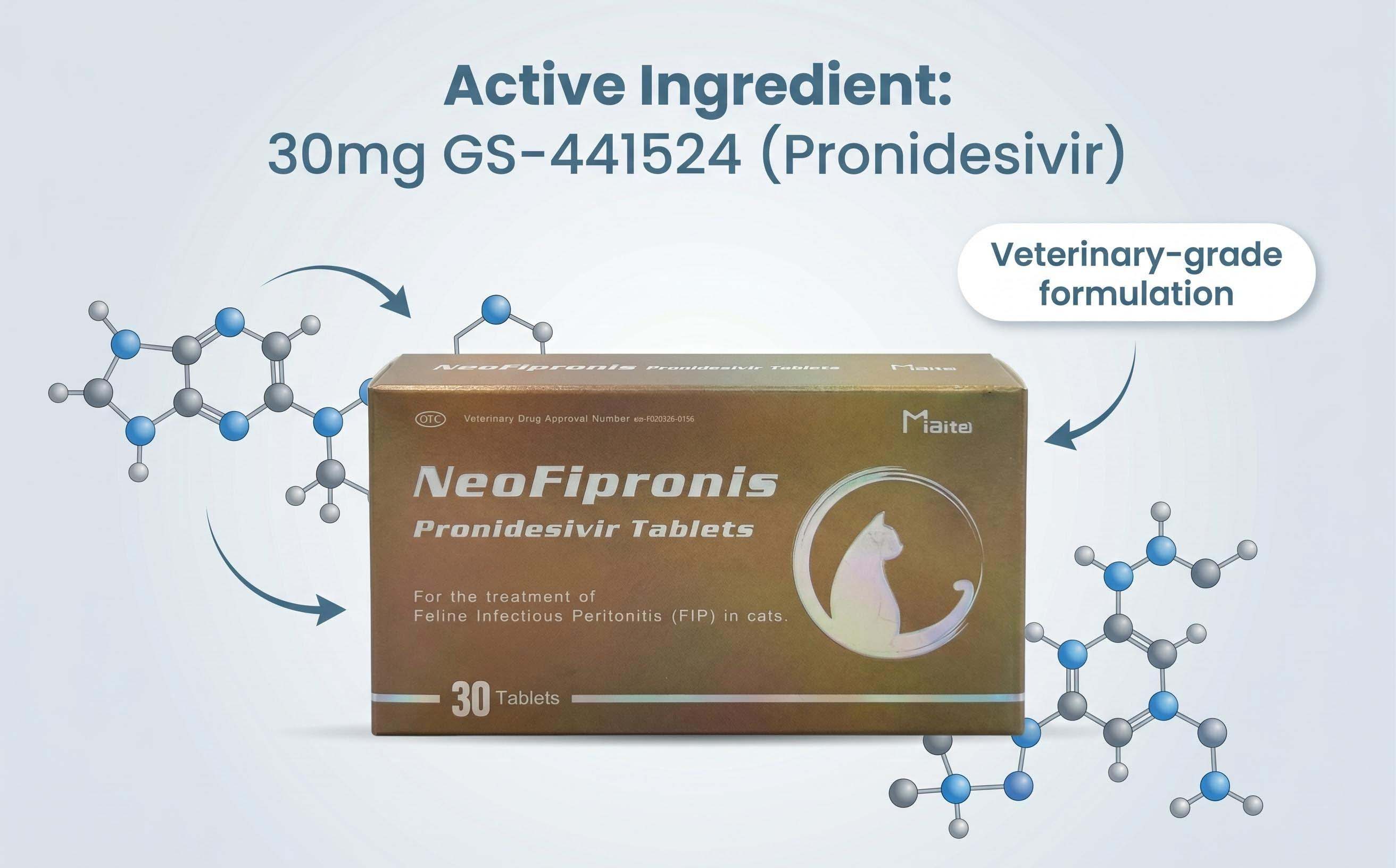
Recent breakthroughs have revolutionized FIP management. GS-441524, a nucleoside analog, shows efficacy in halting disease progression. Although not yet FDA-approved in the United States, it is increasingly available via veterinary networks and compassionate use protocols. Successful cases are reported worldwide, with cats returning to normal health after prolonged antiviral therapy. Early recognition and prompt treatment remain critical.
When to Contact Your Veterinarian: Urgent Signs Not To Ignore
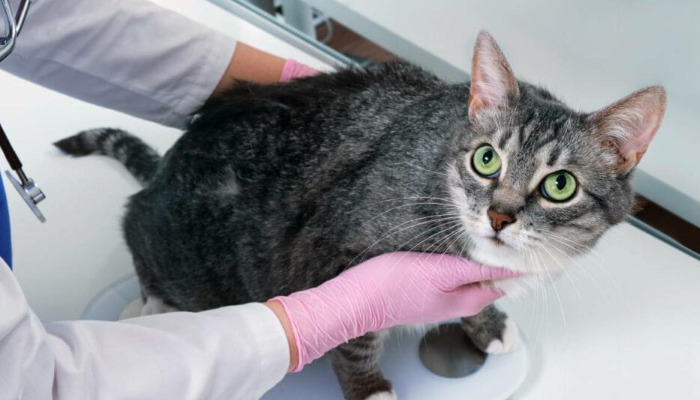
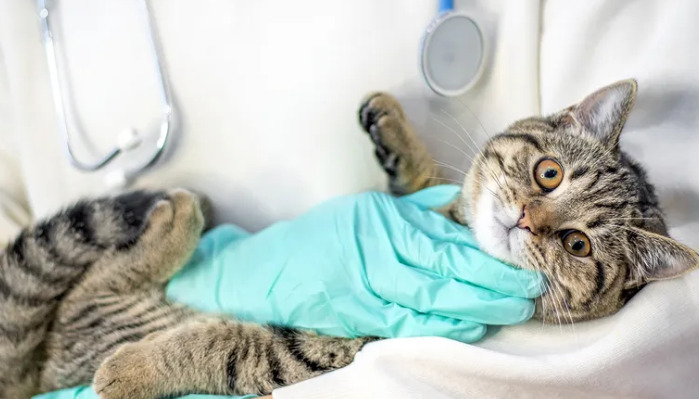
Cats showing unexplained fever, abdominal swelling, persistent weight loss, neurological or ocular changes should see a veterinarian immediately. History, physical exam, and targeted diagnostics are necessary for timely and accurate identification.
Preventive Measures: Minimizing FIP Risk in Multicat Households
Maintain strict hygiene and limit stress
Isolate new cats before introduction
Avoid overcrowding and maintain low population density
Regular veterinary check-ups and monitoring, particularly in young cats
What to Tell Your Veterinarian: Information to Help Diagnosis
Provide details including:
Age, breed, and living situation of the cat
Any recent stressors (moves, illness, new pets)
Timeline of symptoms
Appetite, energy levels, and weight changes
Visible swelling, breathing difficulties, or neurological problems
Living With FIP: Support for Cats and Owners
Coping with FIP is difficult for owners. Support can be found through veterinary professionals, online communities, and local support networks. Pain management, nutrition, and comfort measures help improve quality of life.
Recognizing FIP Symptoms: Key Points for Cat Owners
Monitor for persistent fever, weight loss, lethargy, and reduced appetite
Watch for abdominal swelling and labored breathing
Observe for eye or neurological changes
Seek prompt veterinary attention for unexplained or worsening symptoms
References
1. Addie, D. D., & Toth, S. (2024). Feline Infectious Peritonitis: Clinical Features and Diagnosis. Journal of Feline Medicine and Surgery, 26(1), 22–36.
2. Pedersen, N. C. (2019). The Dynamics of Feline Infectious Peritonitis Virus Infection and Disease Pathogenesis. Veterinary Pathology, 56(3), 338–347.
3. Kipar, A., & Meli, M. L. (2022). Feline Infectious Peritonitis: Still an Enigma? Veterinary Pathology, 59(5), 704–720.
4. Felten, S., & Hartmann, K. (2019). Diagnosis of Feline Infectious Peritonitis: A Review. Veterinary Sciences, 6(4), 94.
5. Takano, T., Tomiyama, T., & Doki, T. (2022). Current Understanding and Recent Advances in Feline Infectious Peritonitis. Viruses, 14(2), 267.
6. American Association of Feline Practitioners. (2023). Guidelines for FIP Diagnosis and Management. Retrieved from https://catvets.com
7. Dempsey, H. C., & Brunner, S. J. (2024). Antiviral Therapy for FIP: Evidence and Clinical Application. Journal of Veterinary Internal Medicine, 38(2), 381–392.
8. U.S. Food and Drug Administration. (2023). Guidance on FIP Therapies. Retrieved from https://www.fda.gov/animal-veterinary
9. FIP Warriors 5.0. (2024). Owner Resources and Support. Retrieved from https://www.fipwarriors.com
10. National Veterinary Medical Database. (2023). Feline Coronavirus and FIP: Epidemiology and Prevention. Retrieved from https://www.nvmd.org/fip