What Precautions Should Be Taken When Using NeoFipronis (Miaite)
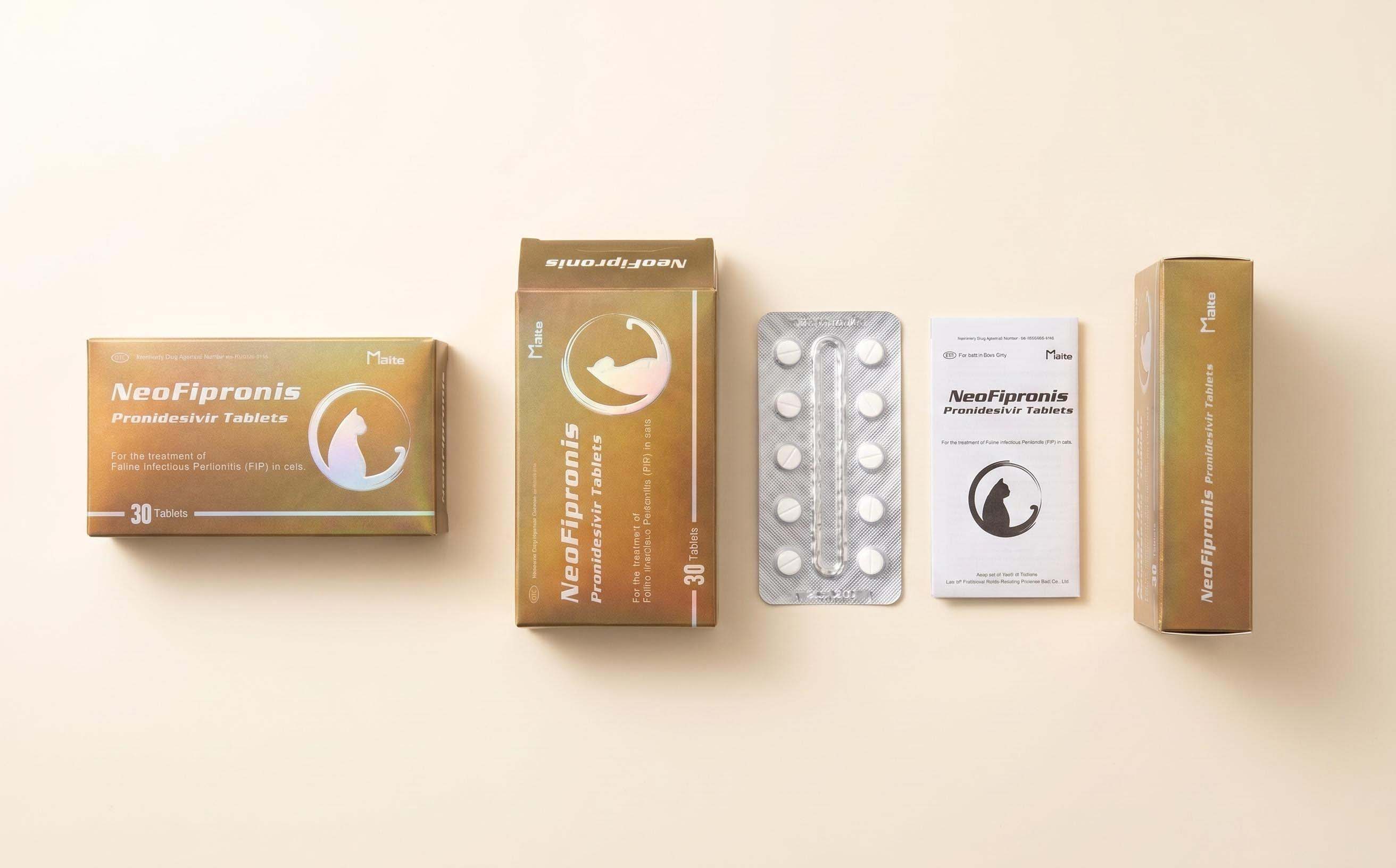
NeoFipronis (Pronidesivir), containing the active ingredient GS-441524, has emerged as a groundbreaking oral treatment for Feline Infectious Peritonitis (FIP). As the first officially registered FIP medication approved by the Lao Ministry of Agriculture and Forestry in March 2026, it offers hope for cats suffering from this often fatal disease. While NeoFipronis demonstrates remarkable efficacy and safety, proper precautions are crucial to ensure optimal treatment outcomes and minimize risks.
Veterinary Supervision
Although NeoFipronis is available without a prescription, veterinary guidance is strongly recommended. FIP is a complex disease with variable symptoms, including loss of appetite, lethargy, fever, ascites, pleural effusion, lymphadenopathy, granulomatous lesions, neurological impairments, and uveitis. Proper diagnosis and monitoring are vital for tailoring the treatment plan. A veterinarian can assess the cat's overall health, perform necessary blood tests, and determine the appropriate dosage, especially for neurological or ocular forms of FIP, which may require increased doses.
Administration and Dosage
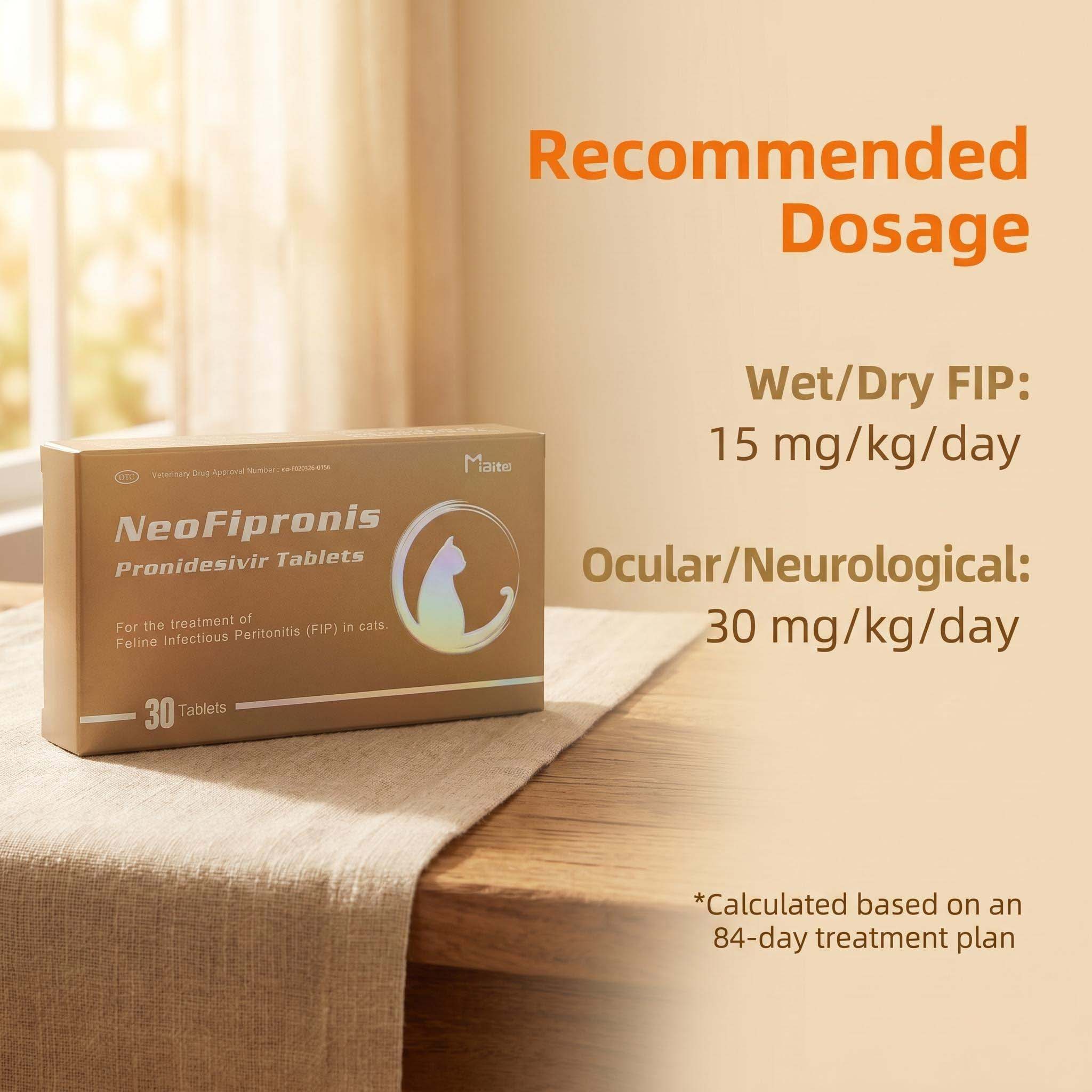
NeoFipronis should be administered based on the cat’s weight—typically 15 mg per kg (half a tablet). For neurological or ocular FIP, the dose may be increased under veterinary supervision to 30 mg per kg. Administer the medication once daily, ideally on an empty stomach—one hour before feeding or two hours after. Consistent administration without missed doses is critical, as interruptions can reduce efficacy and foster drug resistance.
Duration of Treatment
Treatment must be continued for at least 12 weeks to ensure complete viral suppression. Abrupt cessation can lead to disease relapse. Owners should strictly adhere to the prescribed treatment duration and consult the veterinarian before making any adjustments.
Monitoring and Safety
Regular monitoring is essential during therapy. Observations should include appetite, behavior, body temperature, and overall mental state. Periodic blood tests to evaluate liver and kidney function are recommended, as these organs are involved in drug metabolism and excretion. Although NeoFipronis is well tolerated, some cats may experience mild side effects such as temporary lethargy or gastrointestinal discomfort. Prompt veterinary consultation is advised if adverse reactions occur.
Potential Risks and Precautions
While NeoFipronis has shown a high safety profile, it is not suitable for human use. Keep the medication out of reach of children and ensure it is stored properly to prevent accidental ingestion. Cats with pre-existing liver or kidney conditions should be closely monitored, as these organs are vital in processing the medication. Do not administer NeoFipronis to pregnant or lactating cats unless directed by a veterinarian.
Quality Assurance
Purchasing NeoFipronis should be done through official channels, such as the company’s authorized website, to guarantee product authenticity and quality. The medication is non-invasive, rapidly absorbed, and has minimal side effects, making it an ideal choice for FIP treatment when used responsibly.
Summary
Using NeoFipronis (Pronidesivir) for FIP requires careful attention to dosing, duration, and monitoring. Veterinary consultation is essential to ensure safe and effective therapy. Adherence to prescribed treatment protocols and regular check-ups can significantly improve the prognosis for cats afflicted with FIP, offering a new hope in feline health management.