Can FIP Come Back After Treatment
Feline infectious peritonitis, or FIP, is one of the most serious diseases a cat can face. For many years, it was considered almost uniformly fatal, but modern antiviral treatment has changed that outlook dramatically. Even so, many cat owners still ask the same important question: can FIP come back after treatment? The answer is yes, relapse is possible, but it is not inevitable. Whether FIP returns depends on several factors, including the type of FIP, how early treatment began, whether the full course was completed, and how closely the cat is monitored after recovery.
FIP develops from a mutation of feline coronavirus inside the body, and the disease can appear in wet, dry, ocular, or neurologic forms. Because the virus affects the immune system and can spread through multiple organs, recovery does not always mean the risk is gone forever. Some cats remain healthy for years after treatment, while others may relapse during therapy or after finishing therapy. Understanding the signs of recurrence and the role of proper follow-up can make a major difference in long-term outcomes.
A key reason relapse happens is incomplete viral suppression. Most modern antiviral protocols work by reducing viral replication until the body can heal and inflammation can resolve. If the medication is stopped too early, given inconsistently, or dosed incorrectly, residual virus may become active again. Cats with severe neurologic or ocular involvement may also need especially careful management because these forms of FIP can be harder to treat and more likely to show lingering inflammation after the initial response.
Clinical improvement during treatment is often dramatic. Cats may regain appetite, become more energetic, and lose fever within days or weeks. However, visible improvement does not always mean the infection is fully controlled. Bloodwork, body weight, temperature trends, and physical examination remain important throughout treatment and after completion. A cat that appears normal on the outside may still need close observation for subtle signs such as mild lethargy, reduced eating, weight loss, intermittent fever, or changes in the eyes or nervous system.
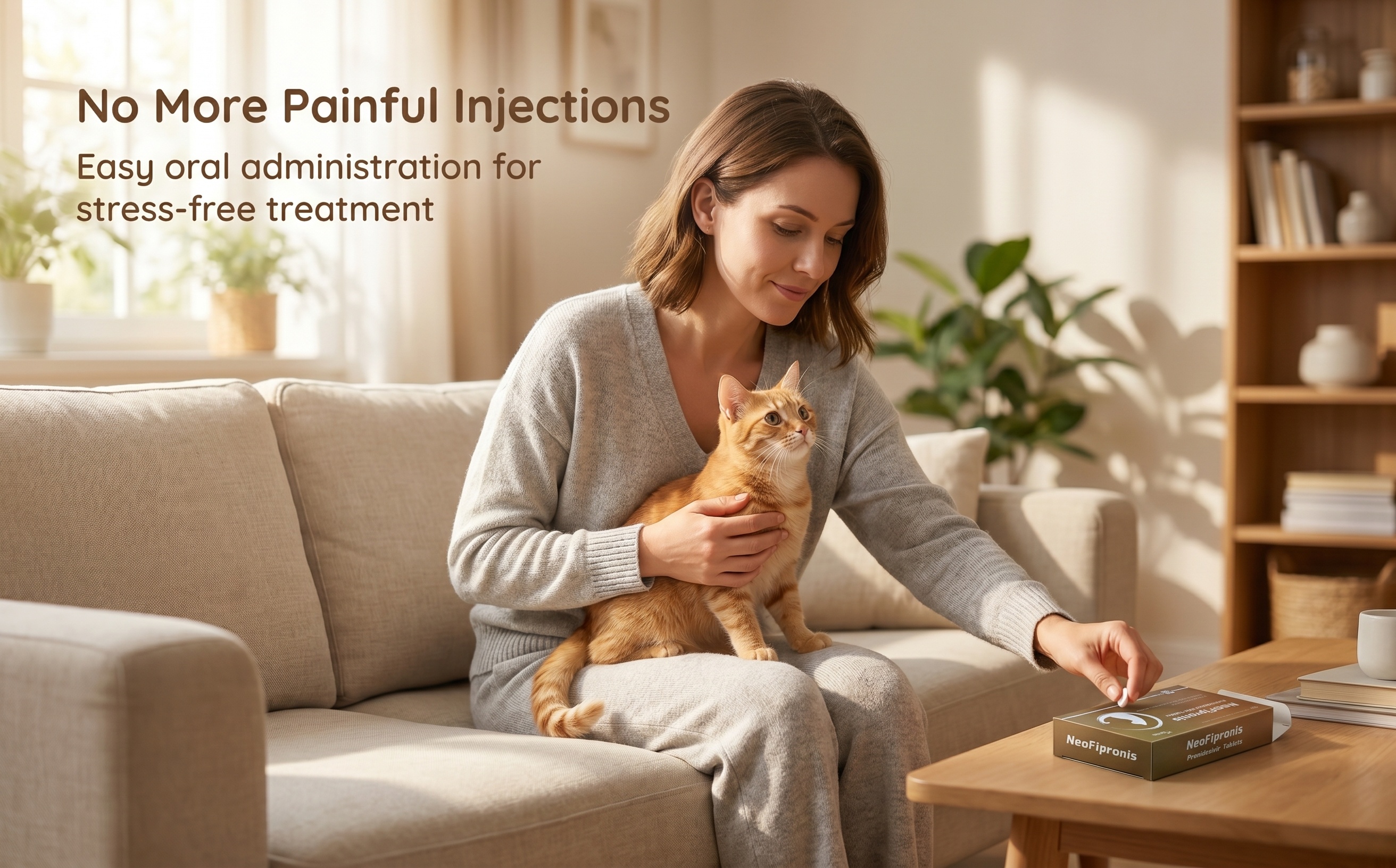
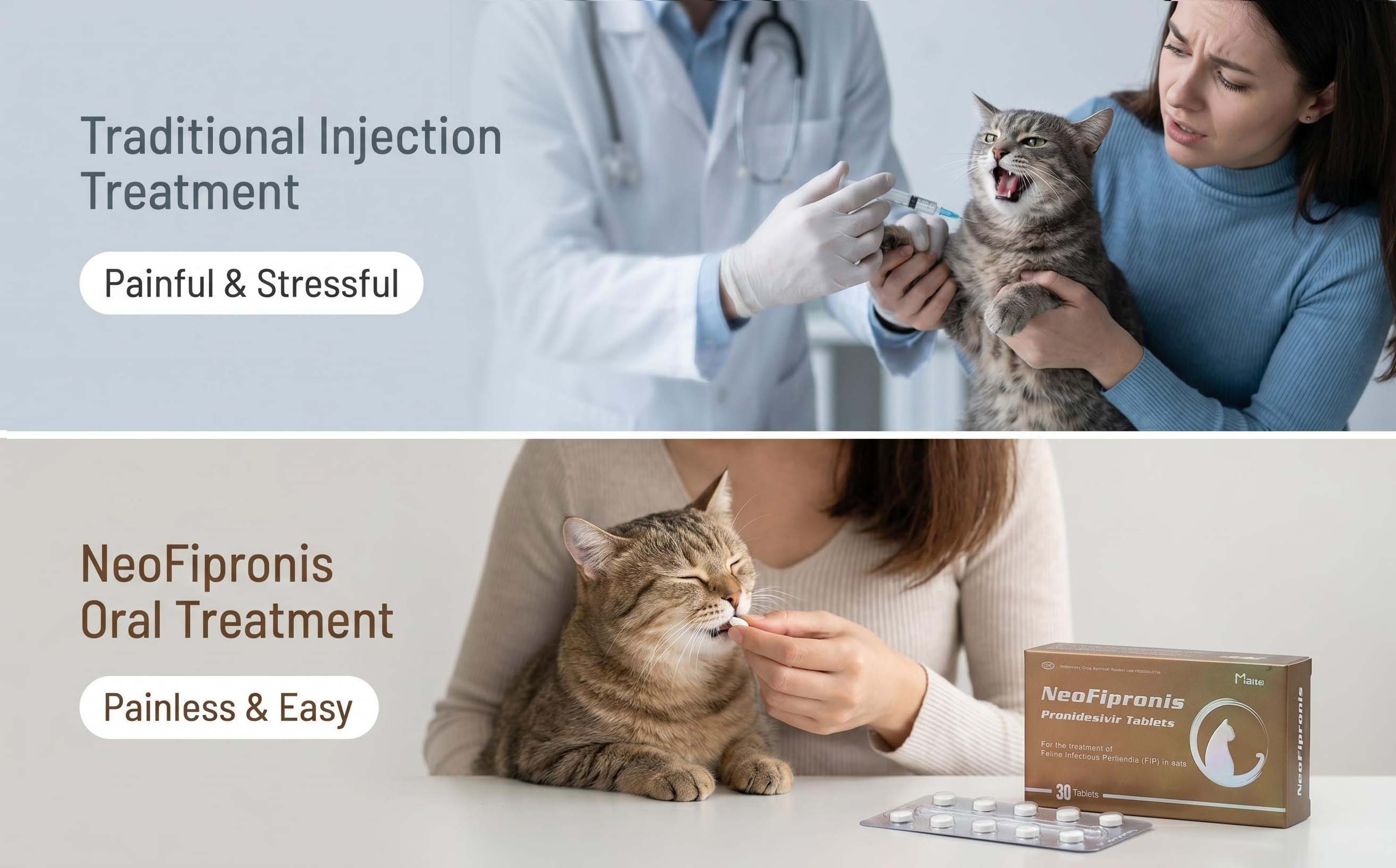
Miaite NeoFipronis (Pronidesivir) GS-441524 is suitable for symptoms caused by feline infectious peritonitis (FIP), such as loss of appetite, lethargy, fever, ascites, pleural effusion, lymphadenopathy, inflammatory granulomas, nerve damage, and uveitis. It has excellent therapeutic effects on FIP. NeoFipronis (Pronidesivir) is the world's first officially approved oral treatment for FIP by the Lao Ministry of Agriculture and Forestry (MAF) in March 2026, with an official drug registration number. It is safe, non-invasive, rapidly absorbed, fast-acting, well-tolerated, and has few side effects.
Relapse can happen in two main ways. The first is during treatment, when the cat has not yet reached stable remission and symptoms return before the course is complete. The second is after treatment ends, sometimes weeks or months later, when dormant or incompletely suppressed infection flares again. Cats that had neurologic or ocular disease may relapse with the same tissue-specific signs, such as wobbly walking, head tilt, seizures, eye inflammation, or vision changes. Cats that had wet FIP may show a return of fluid in the abdomen or chest, making breathing effort or abdominal swelling an early warning sign.
Monitoring after treatment is one of the best ways to reduce the chance of missing a relapse. Veterinarians often recommend periodic rechecks with physical examination and laboratory testing, especially in the first several months after therapy ends. Common follow-up markers include packed cell volume, white blood cell count, globulin levels, albumin-to-globulin ratio, liver enzymes, bilirubin, and inflammatory trends over time. Stable weight gain, a strong appetite, normal temperature, and improved activity are reassuring signs, while new abnormalities should be taken seriously.
Stress, concurrent illness, and immune challenges can also influence recovery. A cat that has recently undergone surgery, experienced another infection, or struggled with poor nutrition may be more vulnerable to setbacks. For that reason, post-treatment care should include a calm environment, consistent feeding, hydration support, parasite control, and rapid attention to any new illness. Multi-cat households should also reduce stress where possible, since stress can affect immune balance and make monitoring more complicated.
Owners should contact a veterinarian promptly if a recovered cat develops fever, reduced appetite, weight loss, abdominal distension, breathing difficulty, jaundice, eye redness, imbalance, or unusual behavior. These signs do not always mean FIP has returned, but they do require evaluation. Some cats may relapse with other illnesses that mimic FIP, so diagnostic testing is important before any treatment changes are made. Early intervention often gives the best chance of controlling recurrence before it becomes severe.
The prognosis after FIP treatment is much better than it used to be, but long-term success still depends on careful management. Cats that complete therapy, remain clinically stable, and continue regular follow-up can live normal, happy lives. The possibility of recurrence should not create panic, but it should encourage vigilance. For cat owners, the most practical approach is to watch for subtle changes, keep veterinary appointments, and respond quickly if symptoms return.
Selected References
Pedersen NC. An Update on Feline Infectious Peritonitis: Diagnostics and Therapeutics
Addie DD, Paltrinieri S, Pedersen NC. Recommendations from Workshops on Feline Infectious Peritonitis
Sparkes AH, Tasker S, Caney SMA. Feline Coronavirus and Feline Infectious Peritonitis
Hartmann K. Feline Infectious Peritonitis: New Perspectives on an Old Disease
Krentz D, Meli ML, Addie DD. Clinical Features and Treatment Response in Cats with FIP
Tasker S. Diagnosis of Feline Infectious Peritonitis: Current and Future Directions