How Can New Cat Owners Prevent FIP Scientifically
Feline Infectious Peritonitis (FIP) remains one of the most concerning and complex diseases for cat owners and veterinarians alike. Caused by a mutated form of the feline coronavirus (FCoV), FIP has a notorious reputation for being challenging to prevent and treat. However, understanding the scientific basis of FIP transmission, pathogenesis, and prevention strategies can empower new cat owners to reduce the risk significantly.
Understanding FIP and Its Causes
FIP is a progressive, often fatal disease that results when the feline coronavirus mutates within an infected cat’s body. While many cats can carry FCoV asymptomatically, only a small percentage develop FIP. The key lies in the mutation of the virus within the host, which enables it to invade macrophages and cause systemic infection leading to FIP.
FCoV is highly prevalent among multi-cat households, especially those in crowded or stressful environments. The virus is primarily transmitted via fecal-oral routes—through contaminated litter, bedding, or grooming contact. Therefore, preventing initial infection or limiting mutation chances becomes critical.
Scientific Strategies for Prevention
1. Limiting Exposure to FCoV
Reducing exposure to FCoV is fundamental. New cat owners should avoid introducing cats into environments with high concentrations of infected animals.
Isolate New Cats: When acquiring a new cat, keep it separated from resident cats for at least 2-3 weeks. This quarantine period allows assessment of health status and minimizes virus transmission.
Limit Multi-Cat Interactions: Minimizing contact between cats, especially in the initial stages, diminishes the risk of virus spread.
2. Maintaining Optimal Hygiene
FCoV is primarily transmitted via fecal matter, making sanitation essential.
Frequent Litter Box Cleaning: Daily cleaning and disinfection of litter boxes reduce viral load. Use of appropriate disinfectants, such as bleach solutions (1:32 dilution), effectively inactivates the virus.
Separate Litter Boxes: Provide individual litter boxes for each cat, avoiding sharing among residents.
Proper Waste Disposal: Dispose of waste properly to limit environmental contamination.
3. Stress Reduction and Environmental Management
Stress can predispose cats to viral mutation and FIP development.
Create a Calm Environment: Minimize loud noises, sudden changes, and overcrowding.
Provide Enrichment: Toys, scratching posts, and comfortable resting areas improve well-being.
Consistent Routines: Regular feeding and care schedules help reduce stress levels.
Reducing stress not only supports immune health but also lowers the likelihood of FCoV mutation into pathogenic FIP strains.
4. Monitoring and Early Detection
Regular veterinary check-ups are vital.
Feline Coronavirus Testing: Although testing for FCoV presence indicates exposure, it doesn't predict FIP development. However, knowing infection status helps in management.
Monitor for Symptoms: Watch for early signs such as weight loss, lethargy, inappetence, and fever. Early veterinary intervention may slow disease progression.
5. Vaccination and Medical Interventions
Currently, there is a vaccine available in some countries, but its efficacy remains debated.
FIP Vaccination: Administered nasally in some regions, it has limited success and is recommended mainly for high-risk populations.
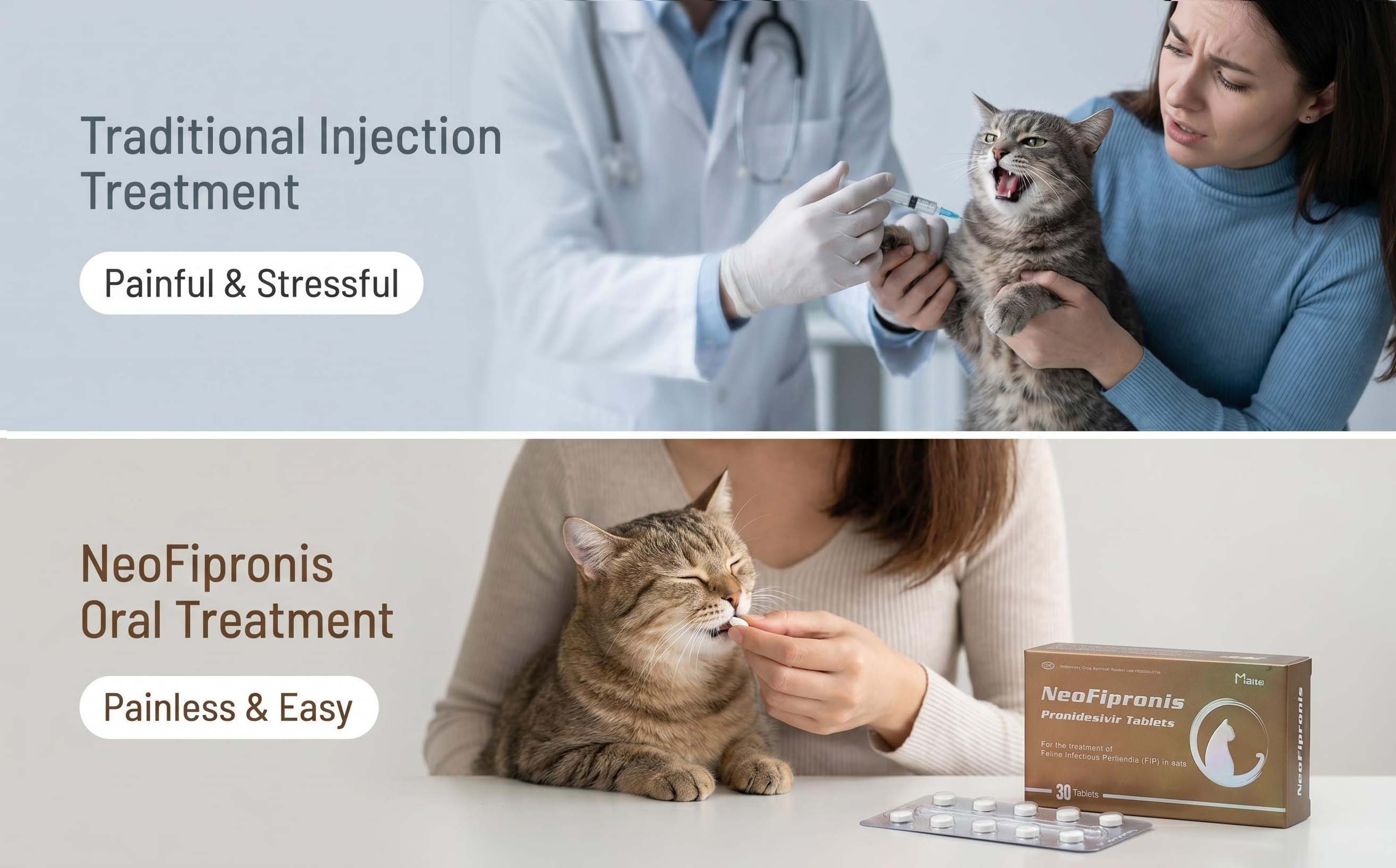
Antiviral Research: Experimental antiviral drugs and immunomodulators are under investigation, offering future hope for prevention.
Preventive measures should always complement veterinary advice tailored to individual circumstances.
The Role of Genetics and Immune Response
Some cats seem genetically predisposed to FIP development, possibly due to immune response variations. Selecting cats from breeding lines with lower susceptibility and ensuring good overall health can reduce risks.
Conclusion
Preventing FIP in new cats involves a comprehensive approach backed by scientific understanding. Proper quarantine, hygiene, stress management, health monitoring, and, when appropriate, vaccination form the backbone of effective prevention. While no method guarantees absolute safety, applying these strategies substantially diminishes the likelihood of FIP development, safeguarding feline health.
References
1. Pedersen, N. C. (2014). An overview of feline infectious peritonitis virus and related coronaviruses. The veterinary journal, 201(3), 213-218.
2. Addie, D. D., et al. (2009). Feline coronavirus infection: Epidemiology, clinical presentation, and the importance of testing in multi-cat environments. Veterinary Microbiology, 138(3-4), 223-231.
3. Hartmann, K. (2011). Feline infectious peritonitis: update on diagnosis and treatment. Journal of feline medicine and surgery, 13(4), 227-434.
4. Canada, H. R., et al. (2020). Management of feline coronavirus infections and prevention of FIP. Journal of Feline Medicine and Surgery, 22(8), 733-746.
5. Teillet, M., et al. (2016). Experimental evaluation of the FIP vaccine's efficacy. Vaccine, 34(4), 524-531.