How to Reduce Stress for Cats With FIP
Introduction to FIP and Its Impact on Feline Well-being
Feline Infectious Peritonitis (FIP) is a severe and often fatal viral disease affecting cats of all ages. FIP is caused by feline coronavirus, which typically mutates in a cat’s body, leading to a systemic inflammatory response. The symptoms are wide-ranging and can include fever, weight loss, abdominal fluid accumulation, jaundice, and neurological issues. Living with FIP is challenging for both the cat and its caregiver due to the progression of symptoms and emotional stress.
One of the pivotal aspects of managing FIP is effective stress reduction. Chronic stress can compromise the immune system even further, interfere with healing, and worsen the cat’s quality of life. Understanding how to create a nurturing environment, recognizing signs of stress, and providing appropriate support can make a significant difference for FIP-positive cats.
Recognizing Signs of Stress in Cats With FIP
Being able to identify stress in cats is the foundation of effective stress management. Cats with FIP may be more sensitive to environmental changes and may display some or all of the following signs:
Hiding or withdrawing from family members
Decreased appetite
Increased aggression or fear-related behaviors
Excessive grooming or lack of grooming
Vocalizing more than usual
Changes in litter box habits
Recognizing these behavioral changes early allows intervention before stress becomes overwhelming or medically detrimental. Open communication with your veterinarian about new symptoms remains essential for making timely adjustments in care.
Creating a Calm Environment: Safe Spaces and Predictability
Environmental management is central to stress reduction. Cats are territorial animals that thrive on routine and predictable surroundings. For cats with FIP, it is especially important to provide areas in the home that feel safe and secluded.
Quiet, Dedicated Spaces: Choose a comfortable, low-traffic area in your home where your cat can retreat without disturbance. Soft bedding, familiar scents, and favorite toys can help cultivate calm.
Vertical Options: Provide cat trees or shelves to give your cat the opportunity to perch above ground level. This allows control over their environment, making them feel more secure.
Minimize Loud Noises: Avoid loud music, construction noises, or sudden household changes. If renovations are necessary, keep your cat in another room or a designated safe space.
Optimizing Routine and Handling
Predictable routines reduce uncertainty, which is a major cause of feline stress. Cats appreciate knowing what to expect, especially during illness.
Timed Feedings: Feed your cat at the same times every day. Consistency reassures the cat and helps to regulate their digestive system.
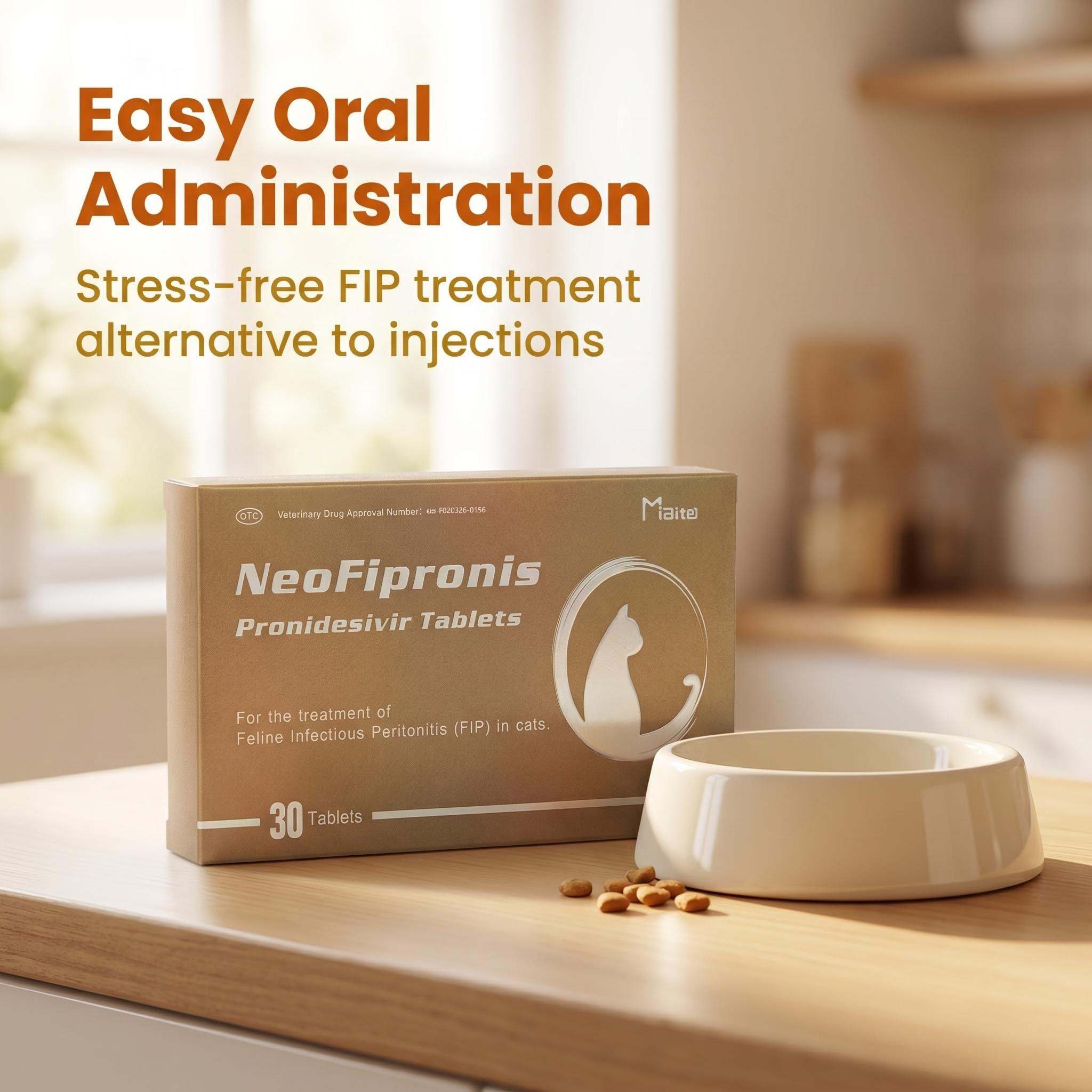
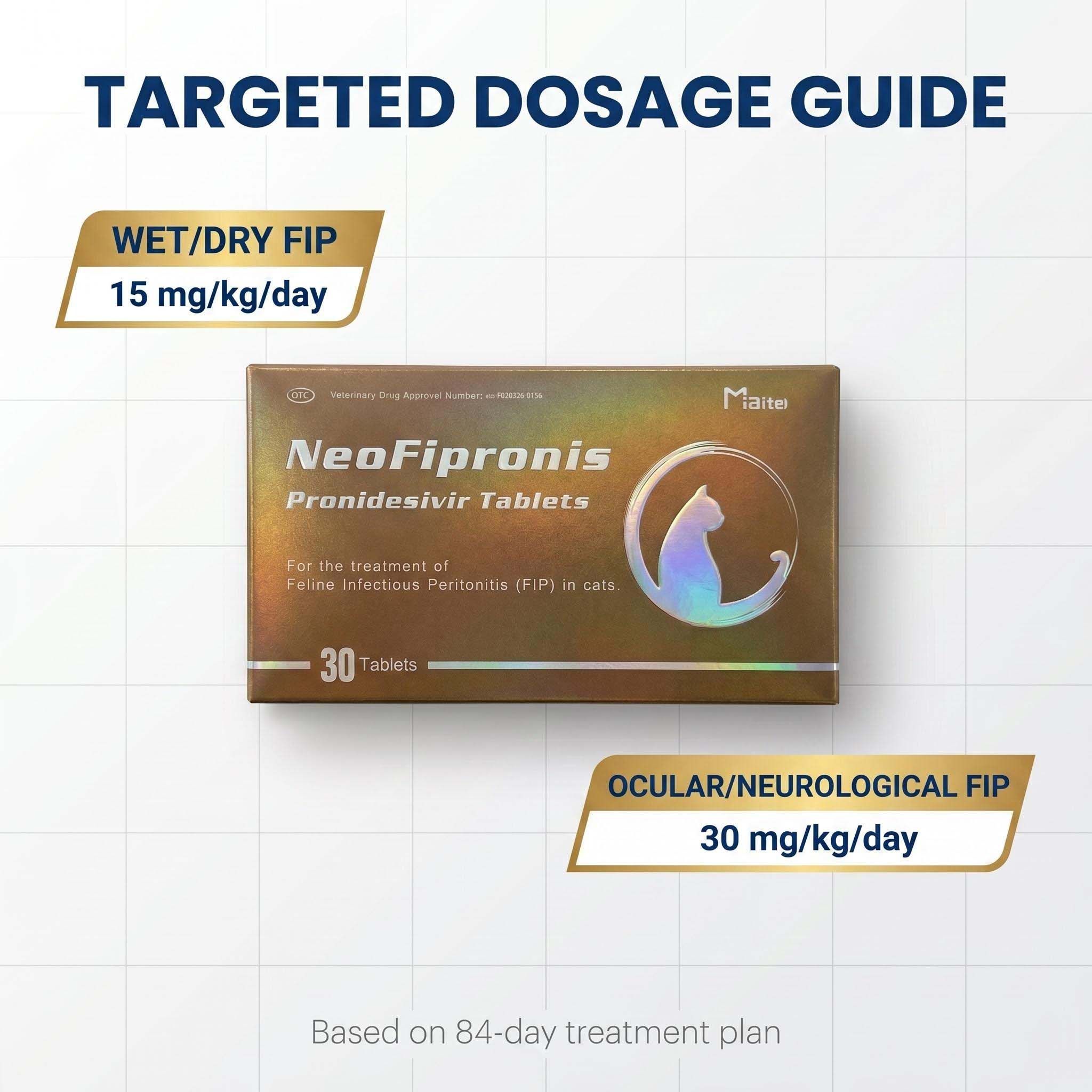
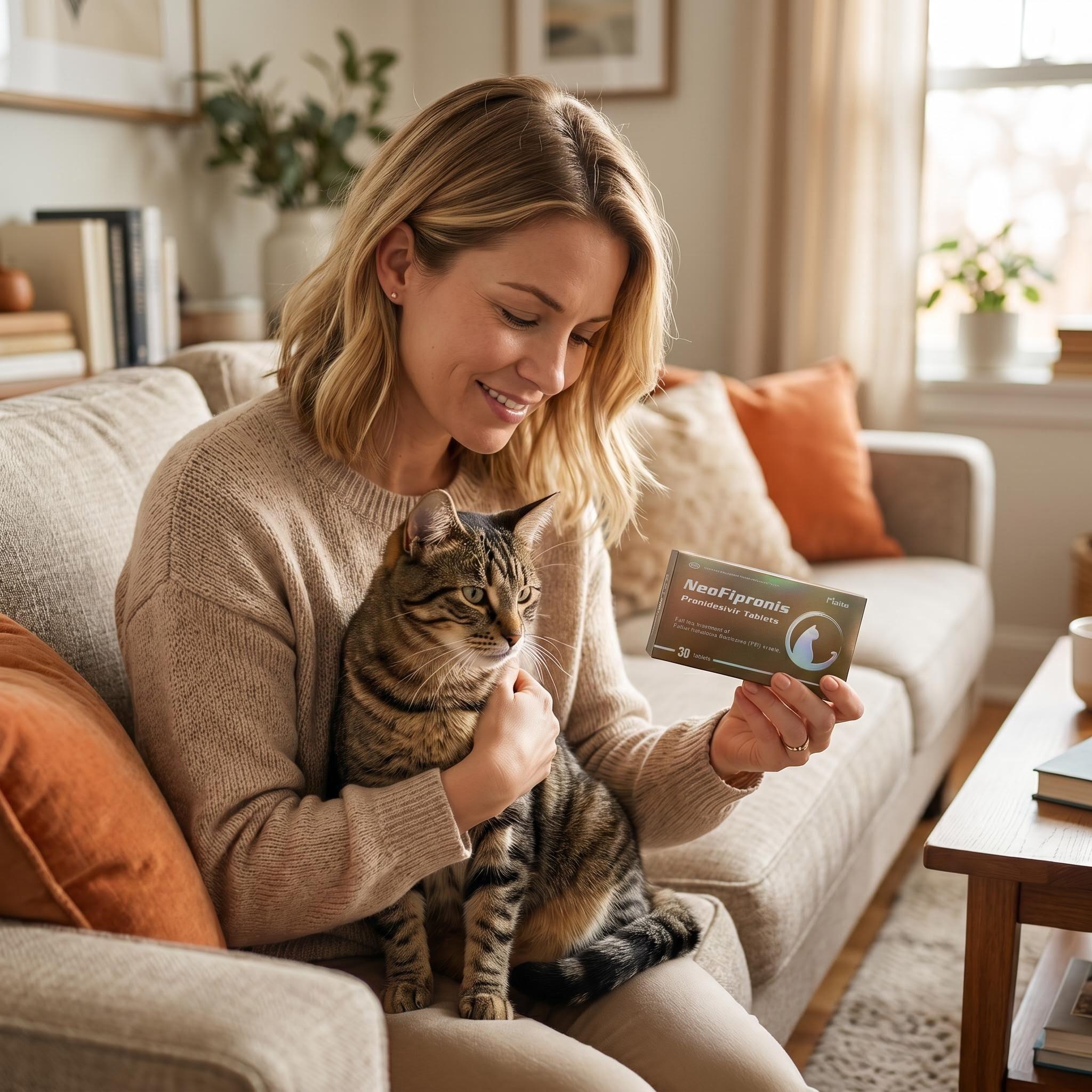
Scheduled Medications: If your cat is taking FIP treatments or supportive medication, administer these at regular intervals.
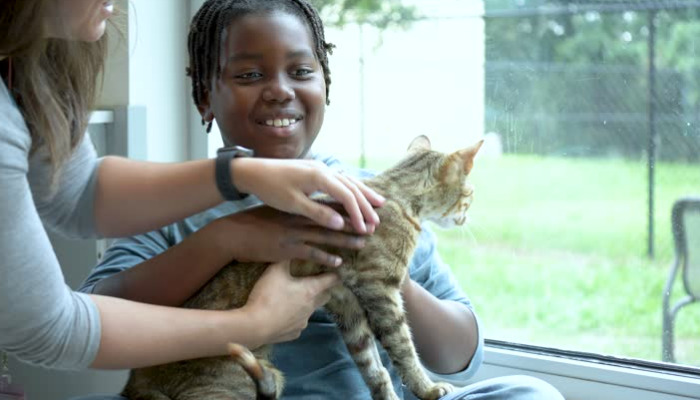
Gentle Handling: Avoid forceful handling or restraint. Allow the cat to approach you on its terms, and use calm, reassuring tones. Using a soft blanket for comfort while handling may put your feline friend at ease.
The Role of Feline Enrichment and Play
Although FIP can limit physical play due to lethargy or discomfort, enrichment remains crucial for mental stimulation. Short, gentle play sessions with interactive toys (such as feather wands or treat puzzles) can provide both exercise and distraction from pain or anxiety. Rotate toys regularly to maintain interest.
For cats with neurological signs, select enrichment that considers their limitations. Puzzle feeders can engage a cat’s senses without requiring extensive movement. Gentle social interactions, including petting or brushing if tolerated, reinforce your bond and decrease feelings of isolation.
Supporting Nutrition and Hydration
Cats with FIP often experience appetite loss or gastrointestinal upset. Malnutrition or dehydration worsens both physical symptoms and stress. Strategies to encourage eating and drinking include:
Palatable Diets: Offer a variety of wet food textures and flavors. Warm food slightly to enhance aroma, making it more enticing for reluctant eaters.
Frequent, Small Meals: Large meals can be overwhelming. Offer smaller portions more often, allowing your cat to eat at their own pace.
Hydration Options: Use water fountains to stimulate drinking, as many cats are drawn to moving water. For those hesitant to drink, add water or low-sodium broth to wet food.
Close monitoring and consultation with your veterinarian are necessary to catch any change in your cat’s eating or drinking habits early.
Human Interaction: When and How Much?
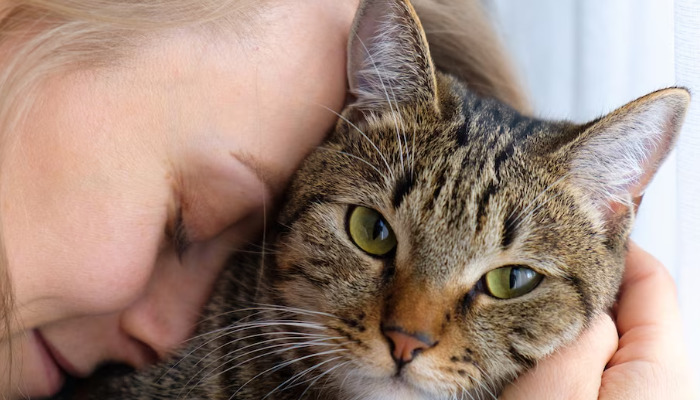
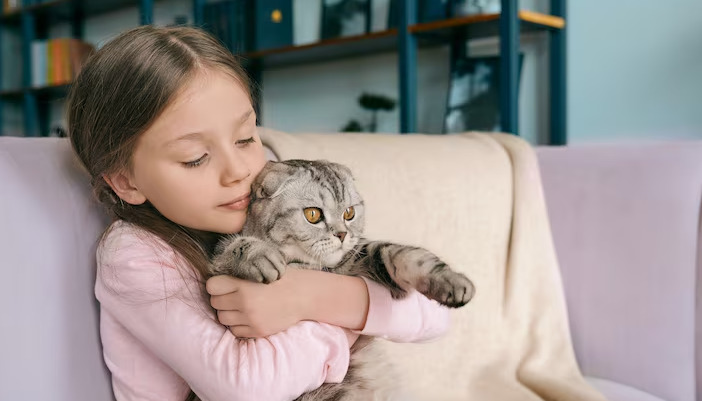
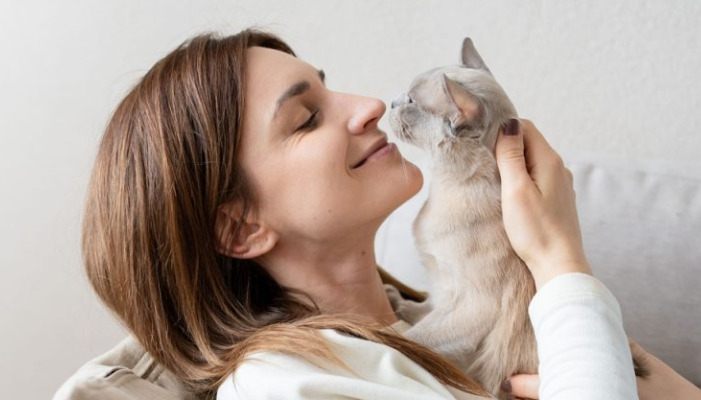
Every cat is an individual, and preferences for human interaction vary widely. Observe your FIP-positive cat’s body language and let them initiate contact. Signs your cat wishes for company may include approaching, bedding near you, or emitting soft purrs. Overwhelming a cat with attention can have the opposite effect of inducing stress.
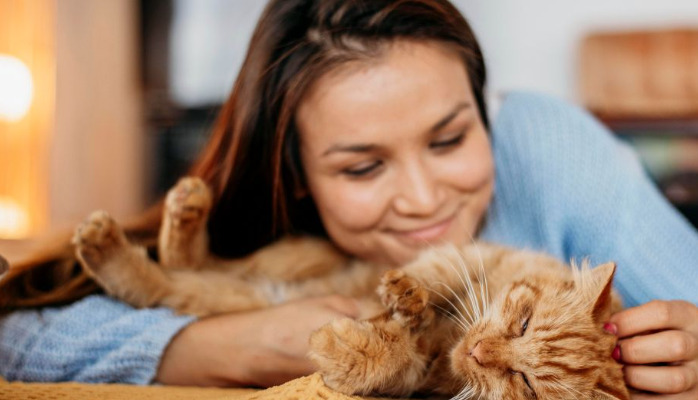
Respect their boundaries and provide gentle affection (petting, brushing) if welcomed. Talking softly can also be calming, as can simply sitting quietly nearby so your cat can feel your presence.
Feline Pheromones and Calming Products
Synthetic feline pheromones (such as Feliway) mimic natural cat scent markers and are available in plug-in diffusers, sprays, and wipes. These products may help reduce anxiety in the environment, especially during transitions, vet visits, or introduction of new pets.
Consult your vet before using calming supplements or over-the-counter products, as FIP compromises immune function and reactions may differ from healthy cats.
Providing Comfort During Veterinary Visits and Treatments
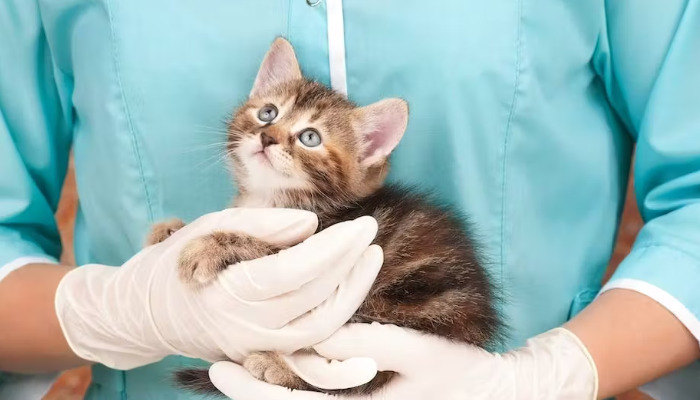
Veterinary care is a necessity for cats with FIP, but each visit can be a major source of anxiety. Reducing stress during transport and appointments improves the cat’s overall experience.
Carrier Training: Teach your cat to associate the carrier with positive experiences by leaving it out at home, lined with familiar bedding and treats.
Scent Familiarization: Place an item with your scent or your cat’s scent in the carrier to provide comfort.
Bring Treats and Toys: Favorite treats or a toy can offer distraction and security in an unfamiliar setting.
Ask your veterinarian about “fear free” practices designed to minimize stress, such as gentle handling or allowing your cat to remain partially covered during exams.
The Role of Pain Management and Medical Support
Uncontrolled pain or discomfort increases stress and negatively impacts immune response. Pain management should be tailored to the individual cat based on disease progression and other health factors.
Your veterinary team can prescribe medications to address pain, nausea, or secondary infections based on the current best practices in feline medicine. Do not attempt to self-medicate your cat, as products designed for humans or other species can be toxic.
The Importance of Owner Self-Care
Caring for a cat with FIP is emotionally taxing. Chronic stress and exhaustion in owners can inadvertently affect the environment, making it less reassuring for the cat. Support networks, whether through online forums, local support groups, or friends, are essential. Sharing responsibilities with family members, or scheduling respite time, prevents burnout.
Mindfulness techniques, scheduling time for rest, and focusing on positive moments with your cat can build resilience and allow you to be the best caretaker possible.
Maintaining Household Harmony With Other Pets
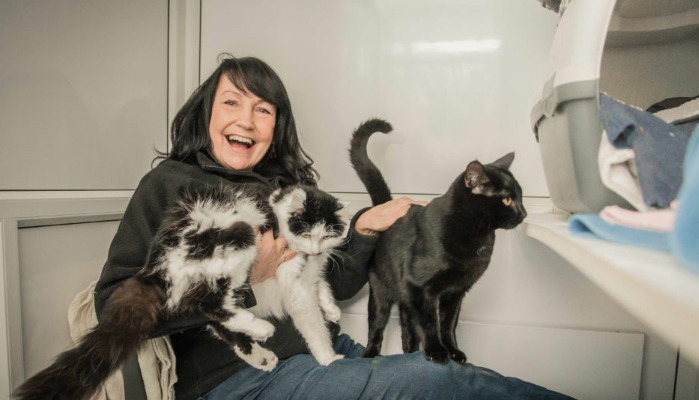
Introducing FIP-positive cats to new pets, or even shifting social dynamics within multi-cat households, requires extra thought. Monitor all interactions closely, watching for signs of tension, bullying, or competition for resources.
Elevate resources—provide multiple litter boxes, scratching posts, and food or water stations—to minimize competition. Gradual introductions, positive reinforcement, and environmental separation (if needed) can support a peaceful home.
When to Seek Professional Guidance
Behavioral changes, loss of appetite, sudden hiding, or signs of increased discomfort should be discussed with your veterinarian. If your cat exhibits severe stress reactions despite home interventions, consult with a veterinary behaviorist for specialized advice.
They may suggest advanced behavioral therapies or prescribe anxiolytic medications if indicated. Every management plan should be tailored specifically to your cat’s personality, medical status, and lifestyle.
End-of-Life Care and Emotional Support
Unfortunately, FIP remains a disease with a guarded prognosis. As the illness progresses, focus may shift toward maximizing comfort and minimizing distress. Palliative care includes pain control, warmth, gentle hygiene, and responsive emotional support.
Prepare for the end-of-life phase by discussing palliative options, hospice-style care, and quality-of-life assessments with your veterinarian. Remember, you play a crucial role in ensuring your cat’s remaining time is peaceful, surrounded by love.
References
Pedersen, N. C. Feline infectious peritonitis. Veterinary Clinics of North America: Small Animal Practice.
Hartmann, K. Feline infectious peritonitis. Veterinary Clinics of North America: Small Animal Practice.
Ellis, S. L., et al. The Welfare of Cats.
Ellis, S. L., Rodan, I. Behavioral signs of feline stress. American Association of Feline Practitioners.
Sparkes, A. H., et al. ISFM guidelines on the environment, enrichment and cat care. Journal of Feline Medicine and Surgery.
Overall, K. L. Feline behavioral medicine for the veterinary practice.
Berger, M. B. Palliative and end-of-life care in cats. Journal of Feline Medicine and Surgery.
Gunn-Moore, D. A. Managing feline infectious peritonitis in practice. In Practice.