Epidemiological Characteristics of FIP

Prevalence and Global Distribution
FIP remains one of the most challenging feline diseases worldwide, predominantly affecting domestic cats. Its prevalence varies across regions, influenced by factors such as population density, environmental conditions, and management practices. In shelter environments and multi-cat households, the incidence is notably higher, often reaching up to 10% of feline populations. Developed countries report lower overall prevalence due to better sanitation and veterinary care, whereas developing nations frequently witness elevated rates, underscoring socioeconomic influences on disease spread.
Age and Breed Susceptibility
Young cats, especially those under 2 years of age, are most susceptible to FIP. Kittens with immature immune systems struggle to combat the causative agent, leading to higher disease manifestation rates. Certain breeds, including those with genetic predispositions such as Abyssinians, Bengals, and российских breeds, display increased vulnerability. Conversely, some breeds demonstrate relative resistance, hinting at genetic factors influencing immune response.
Transmission Pathways and Risk Factors
FIP originates from mutations of the feline coronavirus (FCoV), which is widespread among cats. The primary transmission occurs via the fecal-oral route, with infected cats shedding the virus in feces, saliva, urine, and other secretions. Close contact within multi-cat environments amplifies transmission risk. Stressful conditions, such as transportation, overcrowding, or concurrent illnesses, predispose cats to transition from benign FCoV infection to FIP development. Environmental persistence of FCoV in communal spaces accentuates widespread exposure.
Viral Mutation and Disease Pathogenesis
The majority of FIP cases emerge when a benign enteric coronavirus mutates within an individual feline, acquiring the ability to invade macrophages and disseminate systemically. This mutation-driven pathogenesis explains the sporadic and unpredictable nature of FIP outbreaks within cat populations. The viral mutation rate appears influenced by host immune status and environmental stressors, creating a dynamic landscape for disease emergence.
Epidemiological Patterns and Outbreak Dynamics
FIP typically manifests in localized outbreaks rather than widespread epidemics. Outbreaks are often linked to new introductions of infected animals into closed populations. The disease's incubation period is variable, ranging from weeks to months after initial infection. Seasonal fluctuations have been observed in some regions, with increased cases during colder months, potentially related to indoor confinement and stress levels.
Impact of Social Structures and Housing Conditions
Housing density and social interactions significantly influence FIP incidence. Multi-cat households with limited space facilitate viral transmission, especially where sanitation practices are inadequate. Conversely, solitary or well-managed catteries with strict biosecurity measures report markedly fewer cases. Age segregation and minimizing stressors contribute to decreased outbreak frequency.
Diagnostic Challenges and Epidemiological Surveillance
Accurate surveillance of FIP remains difficult due to overlapping clinical signs with other feline diseases and the lack of definitive ante-mortem diagnostic tests. Serological and molecular assays can detect FCoV but cannot reliably distinguish pathogenic mutations causing FIP. Therefore, epidemiological data often rely on necropsy findings, complicating the assessment of true disease prevalence.
Vaccination and Control Strategies
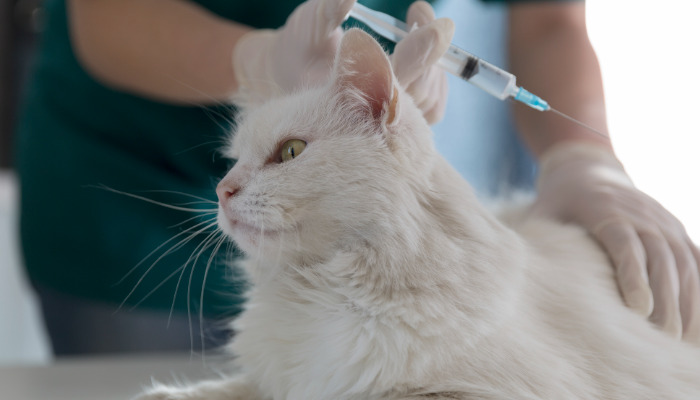
Current vaccination efforts against FIP have shown limited efficacy, partly due to the complex nature of viral mutation and immune response variability. Preventative strategies focus on controlling FCoV spread, improving hygiene, reducing stressors, and minimizing population density. Long-term monitoring and strict quarantine protocols are essential components in reducing the incidence rates.
Uncharted Frontiers
Recent research suggests that genetic susceptibility may play a significant role in disease progression, with certain immune response gene variants linked to resistance or susceptibility. Understanding these genetic factors offers the potential for selective breeding strategies and tailored preventive measures. Additionally, the role of environmental stressors, microbiota composition, and co-infections in shaping epidemiological patterns remains an active area of investigation.
In-depth Exposure Analysis
Emerging evidence highlights that cats exposed repeatedly or for prolonged periods to FCoV have a higher probability of developing FIP. As such, controlling environmental contamination and limiting exposure time are vital to managing disease risk. The interplay between viral load, immune response, and mutation likelihood emphasizes the necessity for comprehensive epidemiological approaches.
In conclusion, FIP's epidemiology reflects a complex cascade of viral, host, and environmental factors. Disentangling these elements remains key to developing effective prevention, early detection, and management strategies. Innovative research into feline genetics and immune modulation may reveal new pathways to combat this enigmatic disease more effectively.