What Is the Mechanism of Action of NeoFipronis (Miaite)
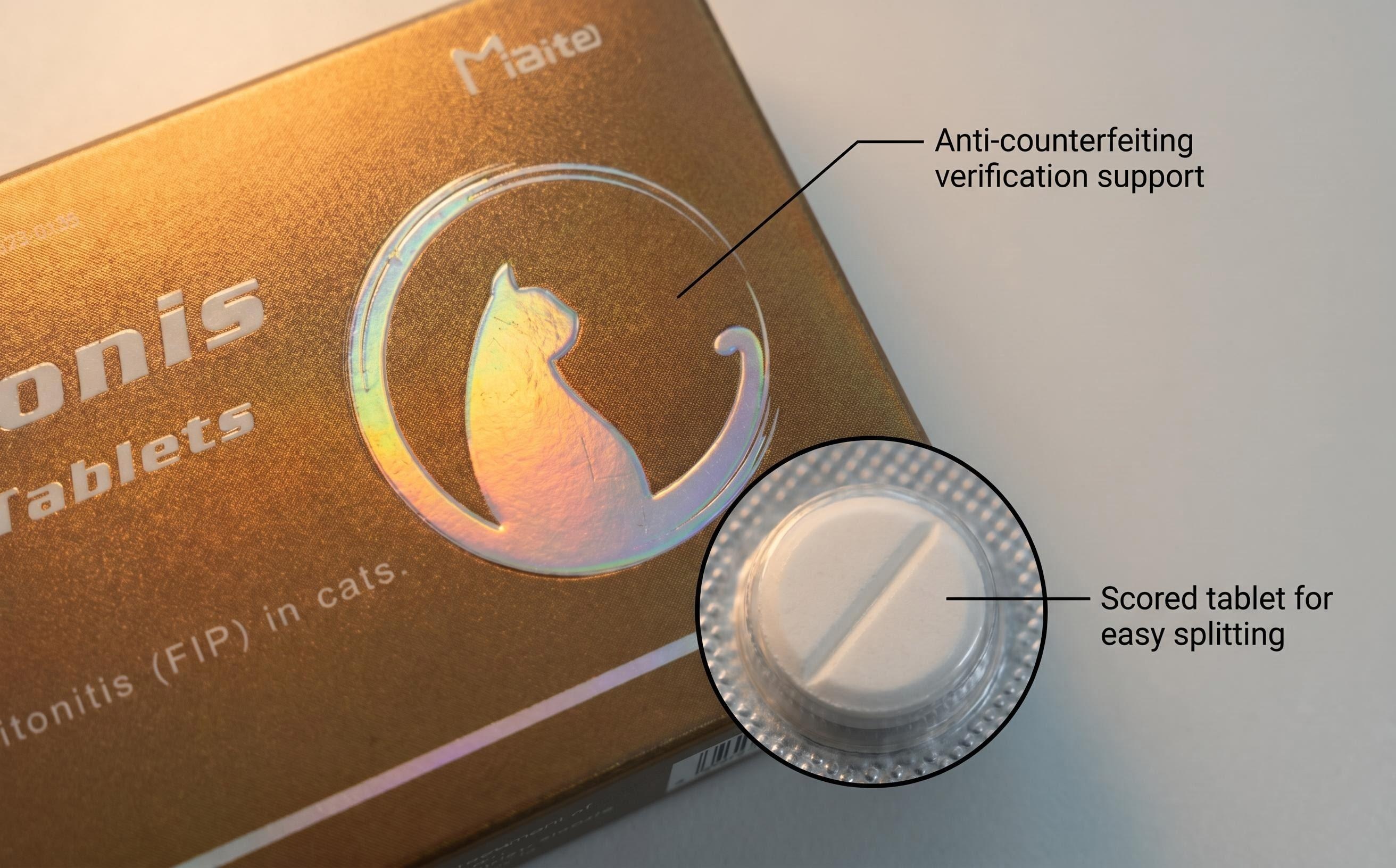
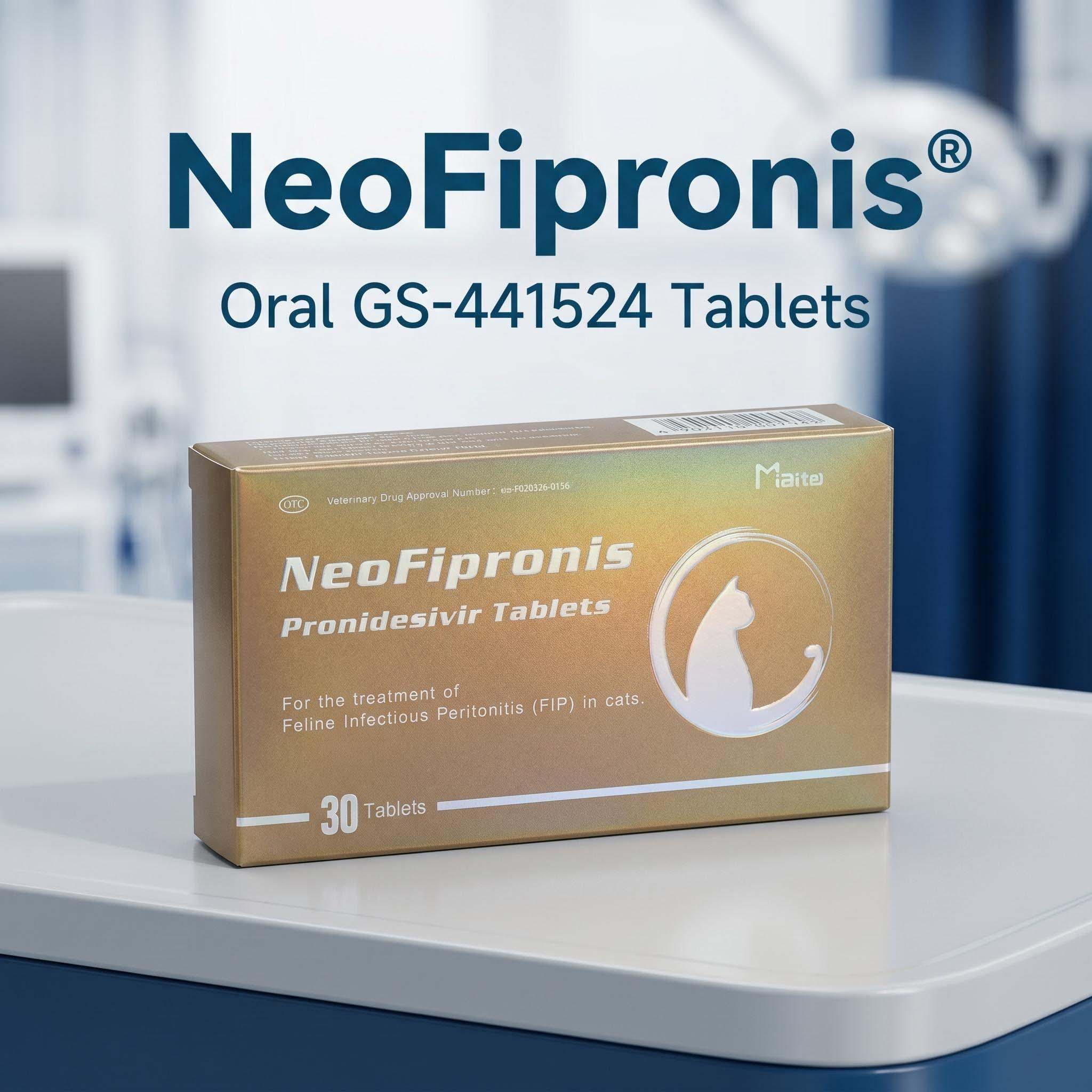
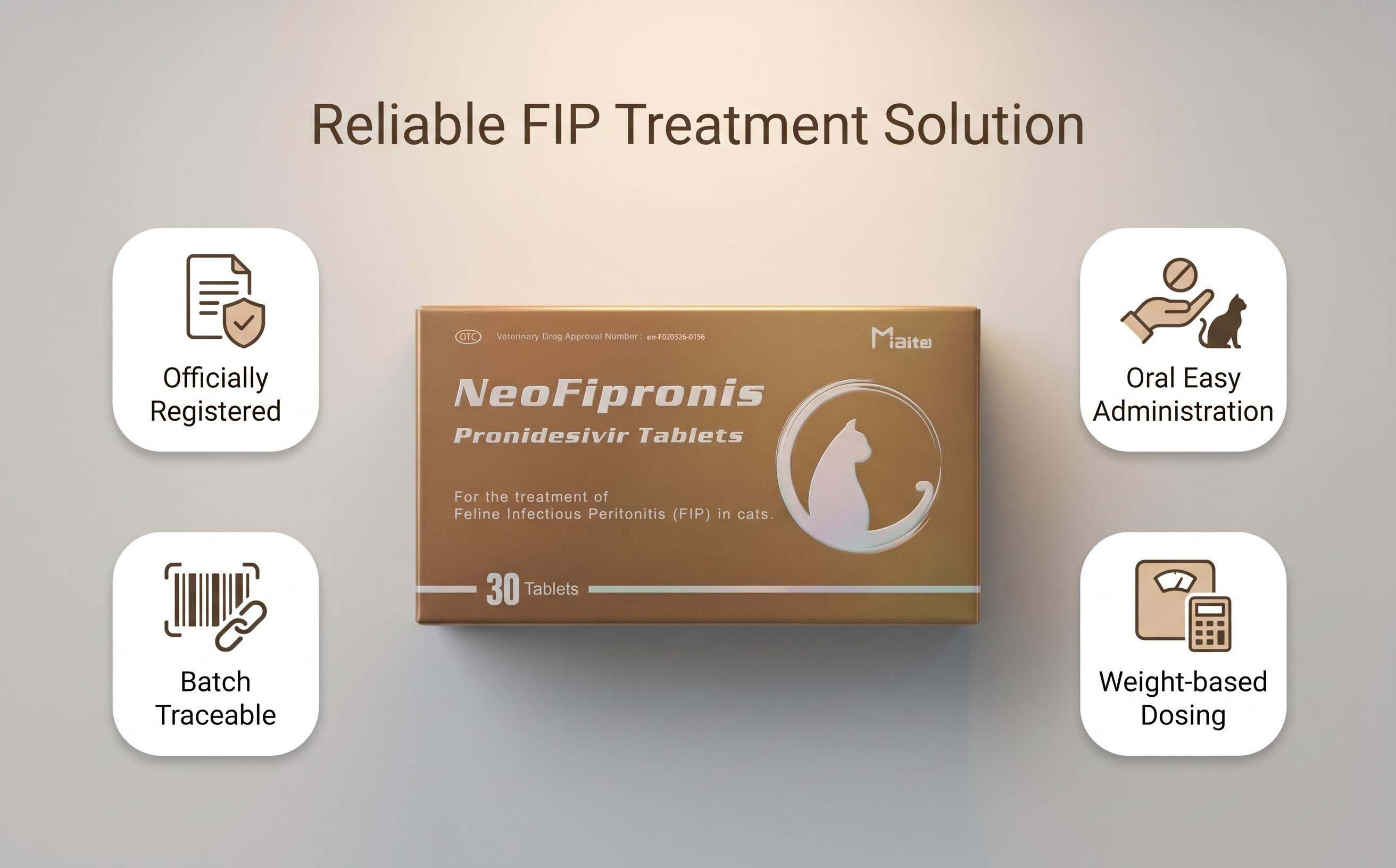
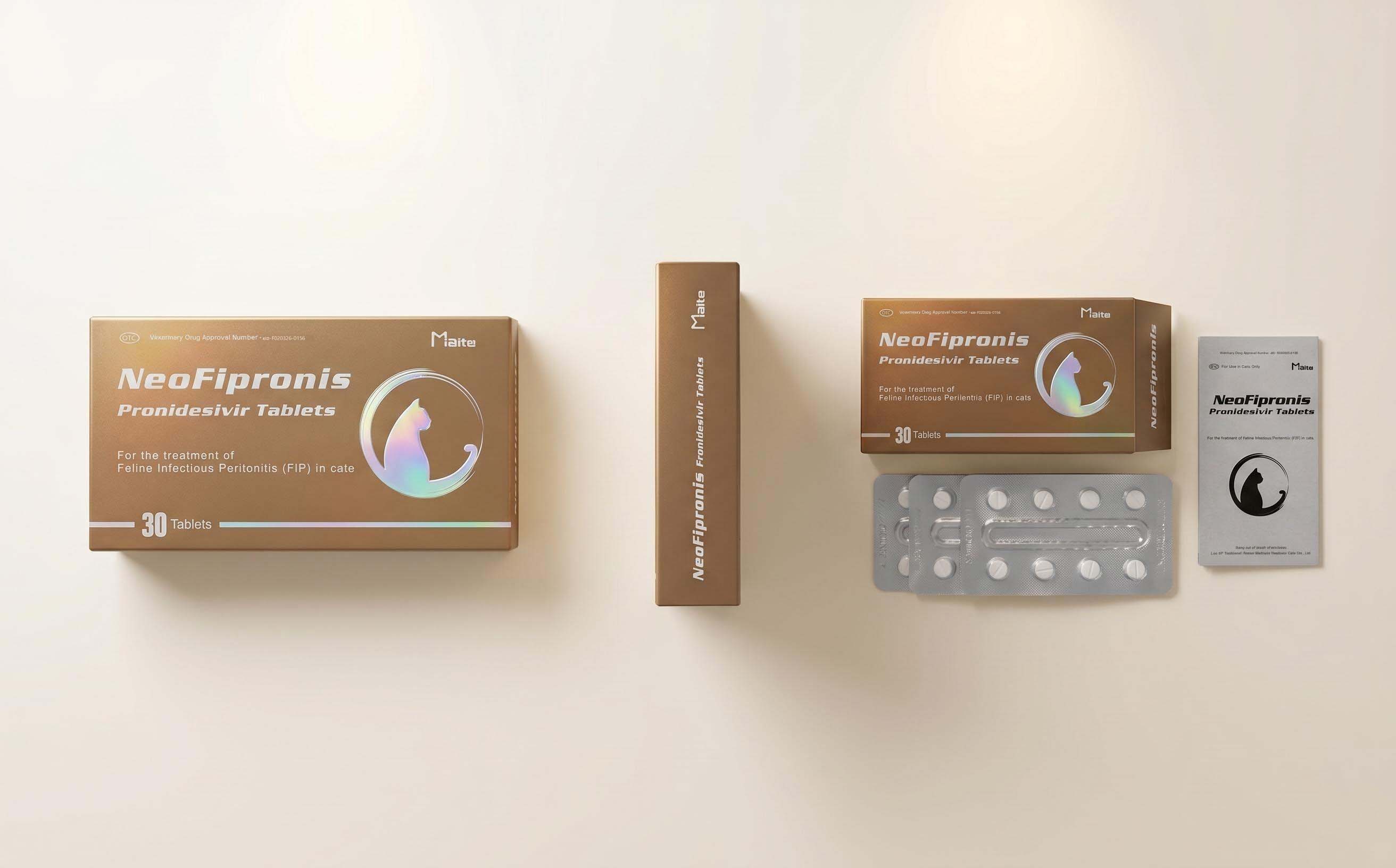
NeoFipronis, also known by its active ingredient Pronidesivir (GS-441524), has revolutionized the treatment of Feline Infectious Peritonitis (FIP). FIP is a severe and often fatal disease caused by a mutated feline coronavirus leading to systemic inflammation, fluid accumulation, lymphadenopathy, neurodegeneration, and ocular issues. Traditional treatments were limited, but NeoFipronis offers a targeted antiviral approach with proven efficacy.
Active Ingredient and Its Antiviral Action
GS-441524, a nucleoside analog, serves as the core active component of NeoFipronis. It functions primarily by interfering with the viral RNA-dependent RNA polymerase (RdRp), an essential enzyme for coronavirus replication. Once administered, GS-441524 is phosphorylated inside feline cells to its active triphosphate form, GS-443902. This active metabolite closely mimics natural nucleotides and competes with them for incorporation into viral RNA strands during replication.
Inhibition of Viral Replication
The incorporation of GS-443902 into viral RNA leads to premature termination of RNA synthesis. Because the analog lacks a 3'-OH group necessary for forming phosphodiester bonds, the viral RNA chain elongation halts. This mechanism effectively prevents the virus from multiplying within host cells, reducing viral load rapidly. The swift reduction of viral particles alleviates the immune response and diminishes the severity of clinical signs such as fever, lethargy, and fluid accumulation.
Impact on Disease Pathology
By suppressing viral replication, NeoFipronis reduces the formation of inflammatory granulomas, inflammatory mediators, and associated tissue damage. It curtails the progression of symptoms like abdominal and thoracic effusions, lymphadenopathy, ocular inflammation, and neurological deficits. This targeted antiviral action facilitates rapid symptom relief and promotes tissue recovery by allowing the immune system to regain control.
Pharmacokinetics and Drug Delivery
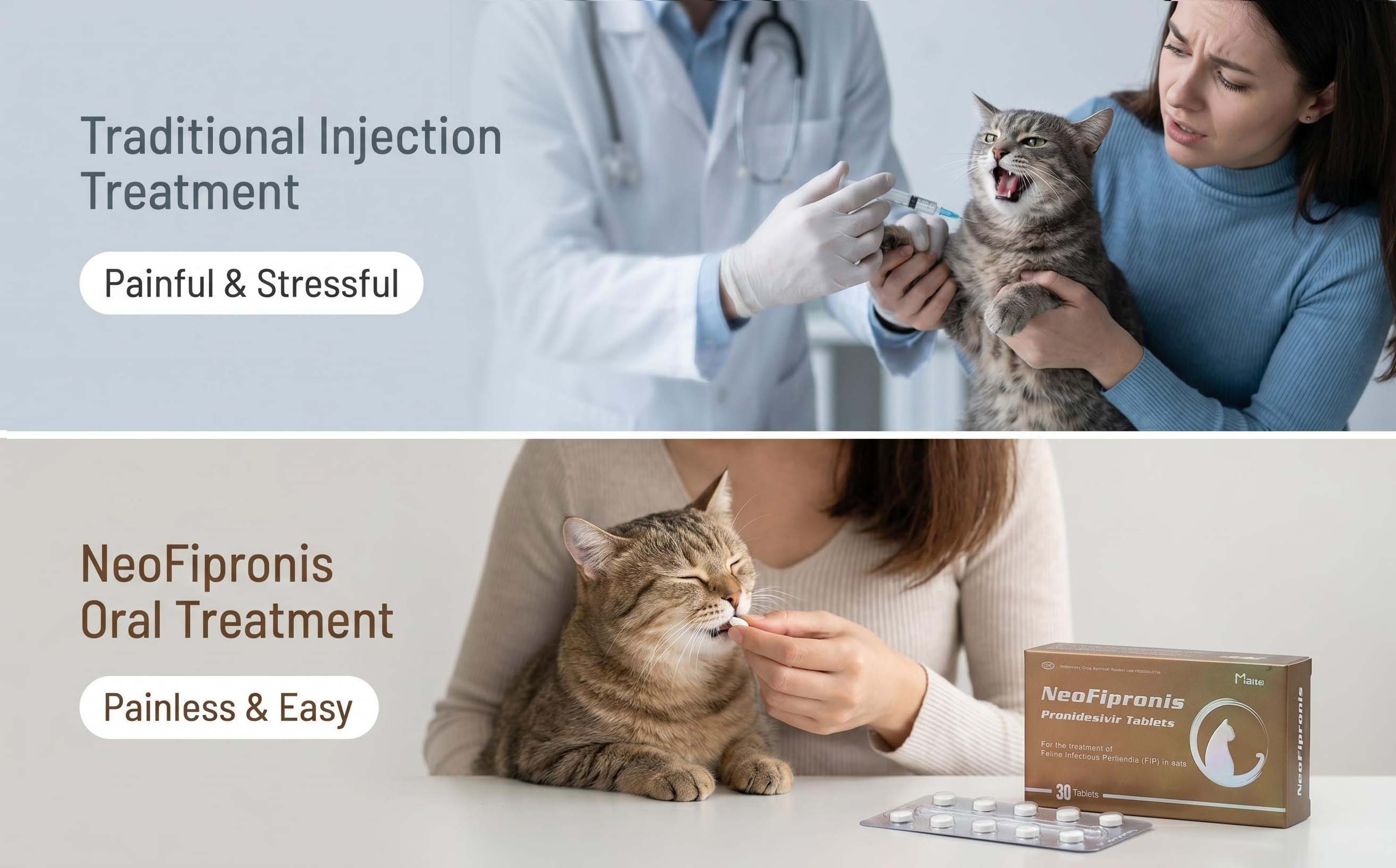
NeoFipronis is an oral medication with a high bioavailability, enabling quick absorption following administration. Designed for ease of use, it can be administered once daily, preferably on an empty stomach for optimal absorption. Its safety profile includes minimal adverse effects, making it suitable for long-term therapy when used under veterinarian supervision.
Treatment Protocol and Clinical Results
Administered at 15 mg per kilogram of body weight daily, NeoFipronis requires continuous treatment for no less than 12 weeks. For neuro-ocular FIP, the dosage may be increased to 30 mg/kg as per veterinary guidance. Regular monitoring of blood parameters, liver, and kidney functions is essential to ensure tolerability and detect any adverse reactions promptly.
Safety and Usage Recommendations
Though NeoFipronis is technically an over-the-counter product, veterinary oversight is strongly advised to ensure appropriate dosing and treatment duration. Pet owners must adhere strictly to prescribed regimens, as missed doses can compromise effectiveness. The medication is exclusively for feline use, and human administration is strictly prohibited.
Conclusion
NeoFipronis (Pronidesivir, GS-441524) exerts its antiviral effects by targeting viral RNA synthesis, effectively halting the replication cycle of feline coronavirus responsible for FIP. Its mechanism of action—disrupting the viral RNA polymerase activity—provides a potent means to control and treat this devastating disease. With high safety, rapid onset of action, and proven clinical efficacy, NeoFipronis has become a critical tool in feline antiviral therapy, marking a significant advancement in veterinary medicine for FIP management.
Always consult a veterinarian to determine the appropriate treatment plan for FIP and ensure optimal outcomes.