Should You Force-Feed a Cat During FIP Treatment

Feline Infectious Peritonitis (FIP) is a complex, severe viral disease that affects cats worldwide. Once considered almost universally fatal, recent advances have brought new hope for treatment and management. Nonetheless, supporting a cat through an FIP diagnosis—especially regarding nutrition—remains a central challenge. Pet owners and veterinarians often face a crucial question: Should you force-feed a cat during FIP treatment? This comprehensive review explores the disease, the implications of poor nutrition, risks and benefits of force-feeding, and practical alternatives.
1. Understanding FIP and Its Impact on Cat’s Appetite
FIP is caused by a mutated form of the feline coronavirus, leading to two primary forms—effusive (wet) and non-effusive (dry). Both variants can severely affect appetite and bodily functions. FIP frequently causes lethargy, fever, pain, and intense physical stress, often reducing a cat’s voluntary food intake significantly. Nutrition is a cornerstone of recovery from any illness; in cats with FIP, maintaining an adequate calorie intake is even more critical due to increased metabolic demand and the presence of potentially life-threatening systemic inflammation.
2. Why Cats Stop Eating During FIP
Loss of appetite (anorexia) is one of the earliest and most persistent symptoms in cats with FIP. This occurs due to several factors:
Widespread inflammation increases cytokines that mute hunger signals.
Abdominal pain or discomfort associated with fluid build-up (effusive FIP).
Nausea secondary to organ involvement, such as liver or gastrointestinal tract.
Emotional stress from illness and environmental changes.
A cat that stops eating can quickly become malnourished. Unlike dogs, cats are prone to hepatic lipidosis—a dangerous, sometimes fatal liver disorder triggered by not eating for even a few days. This places immense urgency on trying to restore adequate nutrition, one way or another.
3. Force-Feeding: What Does It Mean?
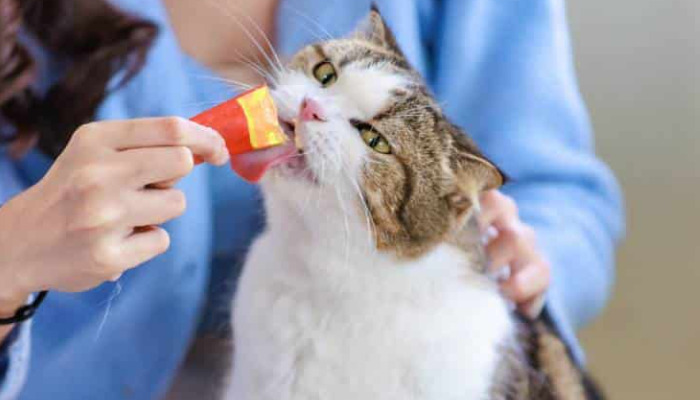
Force-feeding, also termed assisted feeding, implies actively providing food to a cat that will not voluntarily eat. Methods range from syringe-feeding pureed diets, to placing feeding tubes (nasogastric or esophageal) for direct delivery of nutritional support.
This approach is distinct from encouraging eating by flavoring food or hand-feeding. Force-feeding has practical and ethical implications, especially for owners who want the best for their suffering companion.
4. Potential Benefits of Force-Feeding Cats With FIP
Prevents Rapid Malnutrition: Even minimal frequent feeding can stabilize body weight, preventing the dangers of hepatic lipidosis.
Facilitates Drug Absorption: Some FIP treatments, such as GS-441524, are better absorbed when administered with food.
Supports Immune System: Adequate nutrition helps the cat maintain immune responses essential for fighting infection.
Provides Comfort: For some owners, actively feeding the cat may offer reassurance that every possible step is being taken.
5. Risks and Drawbacks of Force-Feeding During FIP Treatment
Inducing Greater Stress: FIP cats are often fragile, both physically and emotionally. Force-feeding can lead to further anxiety, resistance, and occasionally, aggression.
Aspiration Risk: Inexperienced handling, especially with syringes, can result in food entering the airways, causing aspiration pneumonia.
Physical Trauma: Forcing the mouth open or using tubes incorrectly may cause oral injuries or discomfort.
Worsening Nausea: Some medications and the disease itself increase nausea, and force-feeding may exacerbate gastrointestinal symptoms.
Relationship Strain: Repeatedly restraining and feeding can erode the bond between cat and owner, creating aversion or fear.
The risks must be carefully weighed against the potential benefits, and decisions should ideally be guided by veterinary input.
6. Feeding Tubes: When and Why Are They Used?
When a cat refuses food wholly and cannot maintain intake by mouth, veterinarians may recommend a feeding tube, such as an esophagostomy or nasogastric tube. Tubes allow measured, regular delivery of a prescribed diet, minimizing stress and aspiration risks.
Tube placement requires anesthesia and is not suitable for every case; it is indicated mainly in cats with severe, persistent anorexia. Feeding tubes can be a lifesaving intervention when monitored properly. Owners usually receive thorough training on how to administer food, clean the tube, and monitor for infections or blockages.
7. Dietary Choices: What to Feed Cats Under FIP Treatment
Cats fighting FIP need highly palatable, nutrient-dense foods. In most cases, veterinarians recommend:
Recovery diets formulated for cats (e.g., Hill’s a/d, Royal Canin Recovery)
Pureed wet foods with increased protein, fat, and caloric density
Homemade blended diets approved by a veterinary nutritionist, sometimes incorporating bone broth or cooked meats.
Avoid feeding raw meats due to infectious risk, especially in immunocompromised cats.
Calories and protein are critical, but forcing too much in a single setting may cause food aversion. Small, frequent feedings often yield better outcomes.
8. Alternatives to Force-Feeding
While force-feeding may sometimes be necessary, there are several alternative strategies:
Appetite Stimulants: Drugs such as mirtazapine or capromorelin (Elura) are safe and effective for most cats, quickly reigniting interest in food.
Warming Food: Some cats prefer food at body temperature, which mimics freshly killed prey.
Hand-Feeding: Gently offering food from a spoon or finger sometimes encourages hesitant cats.
Smelly, Palatable Foods: Sardine water, tuna, or chicken baby food are often irresistible.
Control Nausea: Anti-nausea drugs (maropitant, ondansetron) may dramatically improve appetite.
Reduce Environmental Stress: Quiet, private mealtimes with familiar routines are helpful.
Veterinarians often recommend trying these before attempting force-feeding, unless there is an urgent medical need.
9. Veterinary Guidance: Why Professional Support Is Crucial
Every FIP case is unique, and nutrition plans must be adapted to the cat’s clinical state, concurrent treatments, and owner resources. Veterinarians provide individualized plans, monitor progress, and adjust nutritional support as the disease evolves.
Attempting force-feeding at home can be risky without proper instruction. If a cat is refusing food for more than 24 hours, professional help must be sought immediately. Diagnostic tests may be needed to rule out treatable causes, from medication side effects to secondary infections.
10. Psychological Considerations: Maintaining the Cat-Owner Bond
Owners can feel frustrated or distressed when their cat refuses food. Force-feeding should never become an act of desperation; the goal is always to provide comfort and dignity in care. Gentle encouragement and positive reinforcement help maintain trust during a challenging period.
Understanding limits is vital. Sometimes, despite the best efforts, appetite cannot be restored, and the focus may need to shift to comfort care rather than aggressive intervention.
11. Community Experiences and Best Practices
Online support groups and FIP communities have become valuable resources. Many owners share practical feeding tricks, emotional support, and recommendations for palatable diets.
Common tips include:
Using small syringes with the tip angled at the side of the mouth, not the back.
Blending commercial recovery foods with warm water for easy syringe delivery.
Rotating flavors and textures to maintain interest.
Although anecdotal, such shared experiences provide hope and reassurance, but they must be balanced with scientific and veterinary advice.
12. Monitoring Nutrition and Recovery
Maintaining a food diary can help determine patterns and triggers for poor appetite. Regularly weighing the cat ensures that weight loss is detected early. Signs of improvement include:
Increasing voluntary food intake.
Steady or rising body weight.
Improved energy levels and engagement.
If the cat continues to lose weight or food refusal persists, escalate care and discuss advanced options such as tube feeding or additional appetite stimulants with your veterinary team.
13. Ethical Decision-Making and Palliative Care
No cat should suffer unnecessary distress. When active treatments do not restore appetite or comfort, and quality of life declines, the decision to continue aggressive nutrition support should be revisited.
Palliative care, prioritizing symptom management and comfort, may mean stopping interventions like force-feeding and providing supportive measures such as analgesia, hydration, and affectionate companionship.
Open, honest communication between the veterinary team and family ensures decisions align with the best interests of the cat and those who love them.
References
1. Pedersen, N. C. (2021). Diagnosis and treatment of Feline Infectious Peritonitis. Veterinary Clinics of North America: Small Animal Practice, 51(2), 427-445.
2. Taylor, S. S., & Dhein, C. R. (2020). Nutritional support for cats with FIP: Challenges and solutions. Journal of Feline Medicine and Surgery, 22(7), 593-600.
3. Panciera, D. L., & Thompson, C. A. (2014). Hepatic lipidosis in cats: Causes, clinical signs, and nutritional support. Compendium on Continuing Education for the Practicing Veterinarian, 36(7), E7.
4. Gaskell, R. M., & Dawson, S. (2011). Feline infectious peritonitis: Medical management and prognosis. Veterinary Record, 169(6), 147-151.
5. Sparkes, A. H. (2016). Assisted feeding in cats: Tube placement and feeding protocols. BSAVA Manual of Canine and Feline Emergency and Critical Care, 2nd Edition, British Small Animal Veterinary Association.
6. Gruen, M. E., & Bourgeois, J. M. (2017). Mirtazapine and capromorelin for appetite stimulation in cats: Safety and efficacy review. Veterinary Therapeutics, 18(4), 235-243.
7. Kyles, A. E., & Goldstein, R. (2013). Nutritional management of cats with acute and chronic illness. Veterinary Clinics of North America: Small Animal Practice, 43(6), 1169-1184.
8. American Association of Feline Practitioners. (2021). FIP diagnosis and resources for owners. Cat Friendly Practice Guidelines.
9. Little, S. E. (2012). Veterinary perspectives on ethical decision-making in feline critical care. Journal of Veterinary Ethics, 8(2), 99-105.
10. Morrisey, J. K. & Moser, E. A. (2018). Appetite stimulants in feline medicine: Indications, dosing, and outcomes. Clinical Nutrition in Animal Health, 13(2), 37-45.