Advances in Drug Research for FIP

Feline Infectious Peritonitis (FIP) remains one of the most challenging viral diseases in veterinary medicine, primarily caused by certain strains of feline coronavirus (FCoV). Traditionally regarded as a near-100% fatal disease once clinical signs develop, recent innovations in pharmacological research have provided promising avenues for effective treatment, significantly shifting the landscape of feline infectious disease management.
Novel Antiviral Agents Targeting FIP
Recent research has concentrated on developing direct-acting antivirals that inhibit crucial steps in the coronavirus lifecycle. These agents primarily target viral enzymes such as proteases and RNA-dependent RNA polymerases (RdRp). The use of nucleotide analogs, such as GS-441524—a metabolite of remdesivir—has demonstrated remarkable efficacy in clinical trials. Its ability to inhibit viral replication effectively transforms the prognosis of cats diagnosed with FIP.
Mechanisms of Action
The antiviral drugs under investigation often operate by:
Inhibiting Viral RNA Synthesis: Nucleoside analogs mimic natural nucleotides, causing premature termination of viral RNA transcription.
Blocking Viral Protease Activity: Protease inhibitors prevent cleavage of viral polyproteins necessary for virus assembly.
Interfering with Viral Entry and Uncoating: Some compounds disrupt the binding of the virus to host cell receptors, preventing infection initiation.
Pharmacokinetics and Delivery Routes
Enhancements in pharmacokinetic profiles are vital for ensuring drug efficacy and safety:
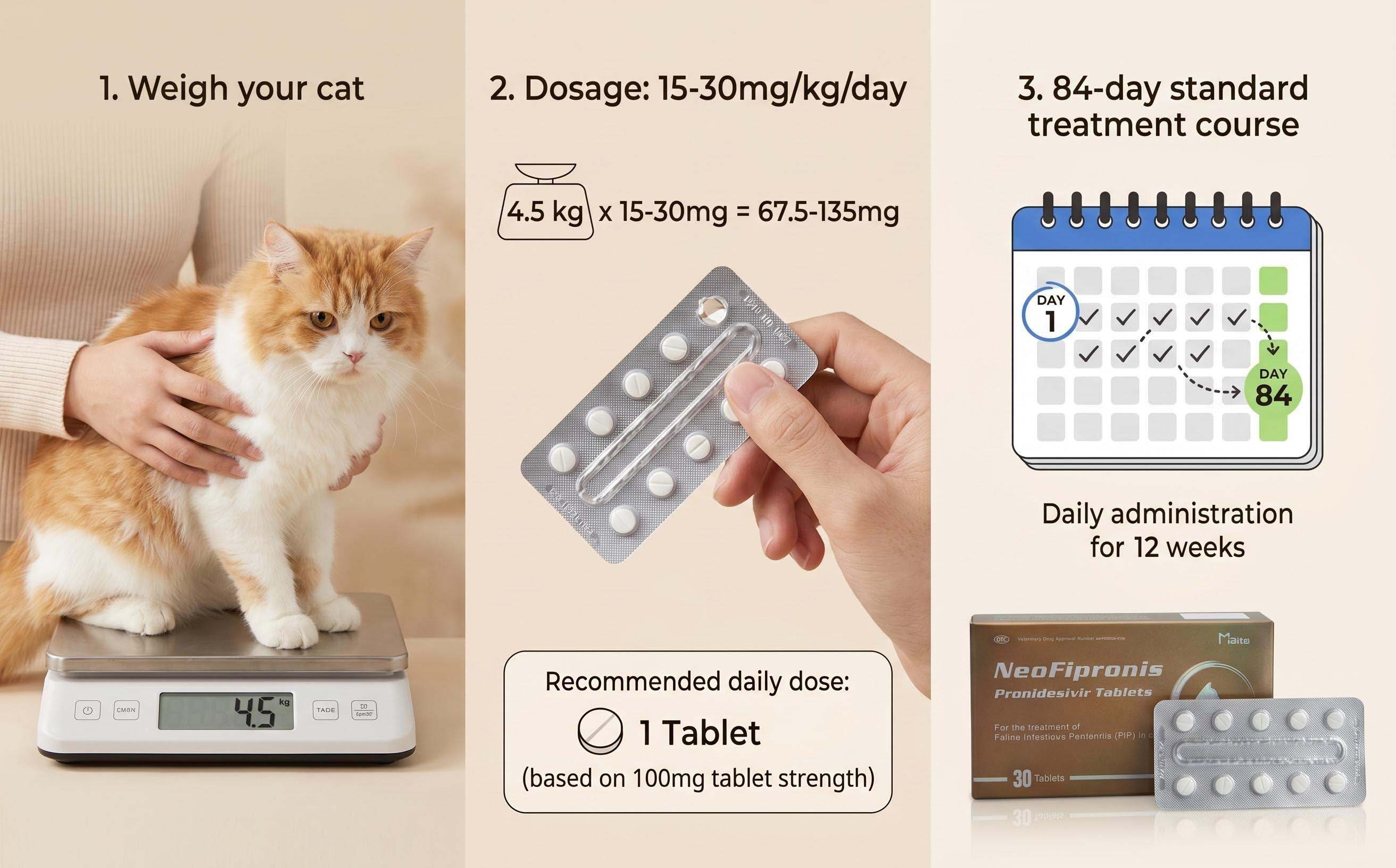
Oral Formulations: Recent advances have enabled effective oral bioavailability, significantly improving ease of administration.
Subcutaneous and Intravenous Routes: These allow precise dosing in severe cases, especially during early-stage treatment.
Long-acting Preparations: Development of sustained-release formulations offers the potential for improved compliance and consistent therapeutic levels.
Safety and Toxicity Profiles
Ongoing studies examine potential adverse effects, given the delicate balance of antiviral therapy:
Hepatotoxicity and Nephrotoxicity Risks: Close monitoring of liver and kidney functions is recommended.
Drug Interactions: Caution advised when combined with other medications owing to possible unforeseen interactions.
Dose Optimization: Research aims to establish minimal effective doses to reduce potential toxicity without compromising antiviral activity.
Adjunctive Therapies and Supportive Care
While antiviral agents form the core of treatment, adjunctive measures contribute substantially to patient outcomes:
Immunomodulatory Agents: Cytokine therapy and interferons have been explored to enhance host immune responses.
Anti-inflammatory Drugs: Corticosteroids and other anti-inflammatory medications mitigate immune-mediated tissue damage.
Nutritional Support: Optimizing nutrition helps kittens and adult cats recover more effectively from disease stress.
Emerging Technologies in Drug Delivery
Innovations in drug delivery systems are accelerating the application of effective therapies:
Nanoparticle-Based Carriers: These allow targeted delivery to infected cells, improving drug concentration at disease sites.
Liposome Encapsulation: Enhances bioavailability and reduces systemic toxicity.
Transdermal Patches: Potential future routes for sustained drug release, especially suitable for cats resistant to oral medication.
Challenges and Future Directions
Despite progress, several hurdles remain:
Viral Resistance: The emergence of resistant viral strains necessitates ongoing surveillance and development of combination therapies.
Cost-Effectiveness: High expenses associated with novel antivirals may limit widespread access.
Regulatory Approvals: Fast-tracking of promising treatments requires rigorous clinical validation to ensure safety and efficacy.
Potential for Blockbuster Therapies
The convergence of molecular biology, pharmacology, and nanotechnology heralds a new era in FIP treatment:
Combining antiviral agents with immune modulators could improve survival rates.
Personalized medicine approaches tailored to individual disease severity are likely to emerge.
Collaborative efforts between research institutions, pharmaceutical companies, and veterinary clinics are crucial for translating laboratory breakthroughs into real-world solutions.
FIP Treatment Paradigm Shift
In conclusion, the ongoing scientific endeavors are gradually transforming FIP from an almost invariably fatal disease into a manageable condition. While challenges in drug resistance, affordability, and safety remain, the current trajectory promises a future where effective and accessible antiviral therapies become standard practice, dramatically improving feline health globally.
References
1. Pedersen, N. C. (2019). "Advances in Feline Infectious Peritonitis: Pathogenesis and Treatment." Journal of Feline Medicine and Surgery, 21(3), 179-188.
2. Bijsmans, L. T., et al. (2020). "Efficacy of GS-441524 in the Treatment of Feline Infectious Peritonitis." Veterinary Microbiology, 245, 108685.
3. Kelly, D. F., & White, G. M. (2021). "Novel Antivirals for Coronaviruses in Cats." Antiviral Research, 188, 105057.
4. Addie, D., et al. (2022). "Emerging Technologies in Antiviral Drug Delivery for FIP." Journal of Veterinary Pharmacology and Therapeutics, 45(2), 185-197.
5. Parry, A. J., et al. (2023). "Overcoming Resistance in FIP Treatment." Veterinary Journal, 300, 105896.