What Are the Side Effects of NeoFipronis (Miaite)
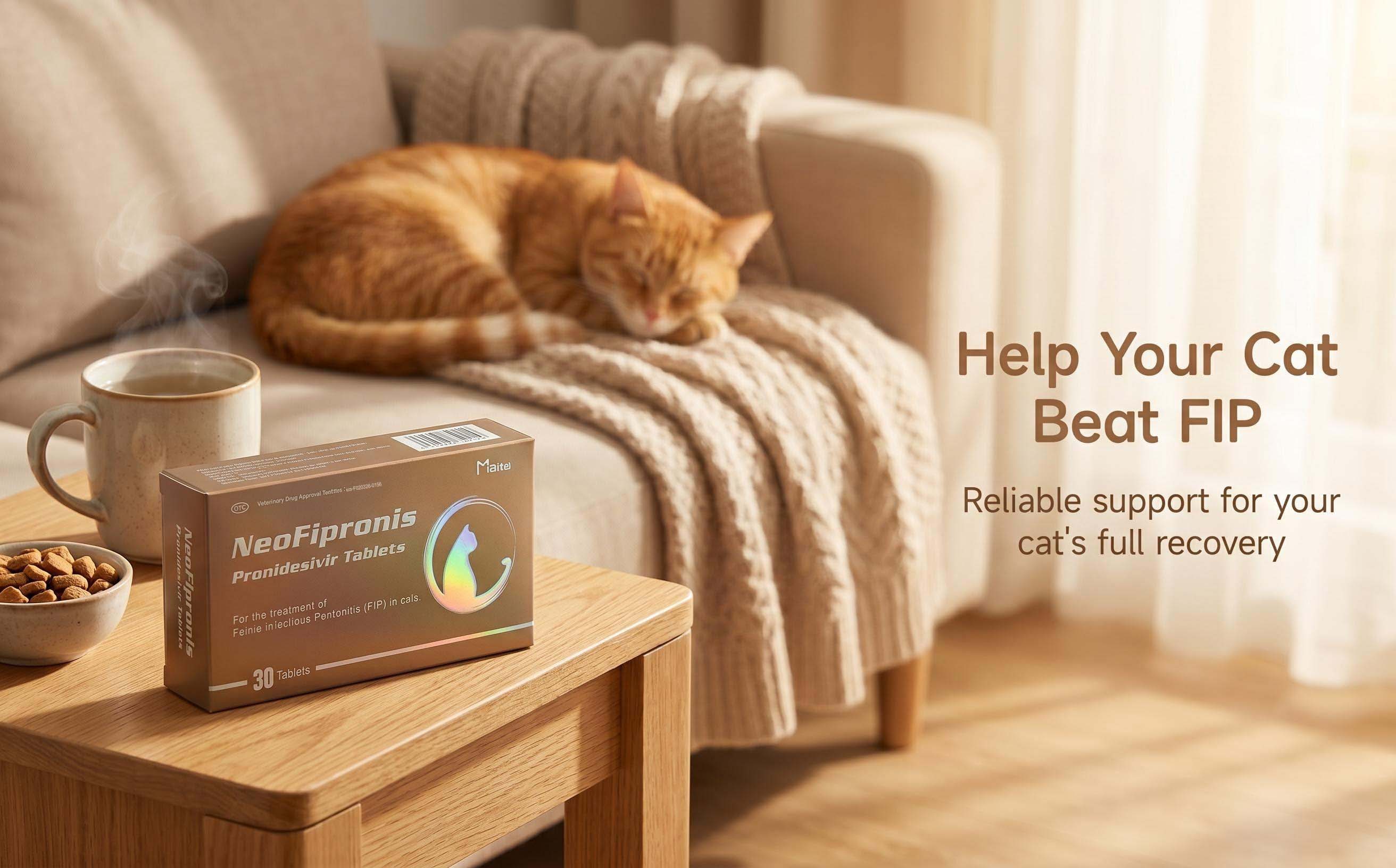
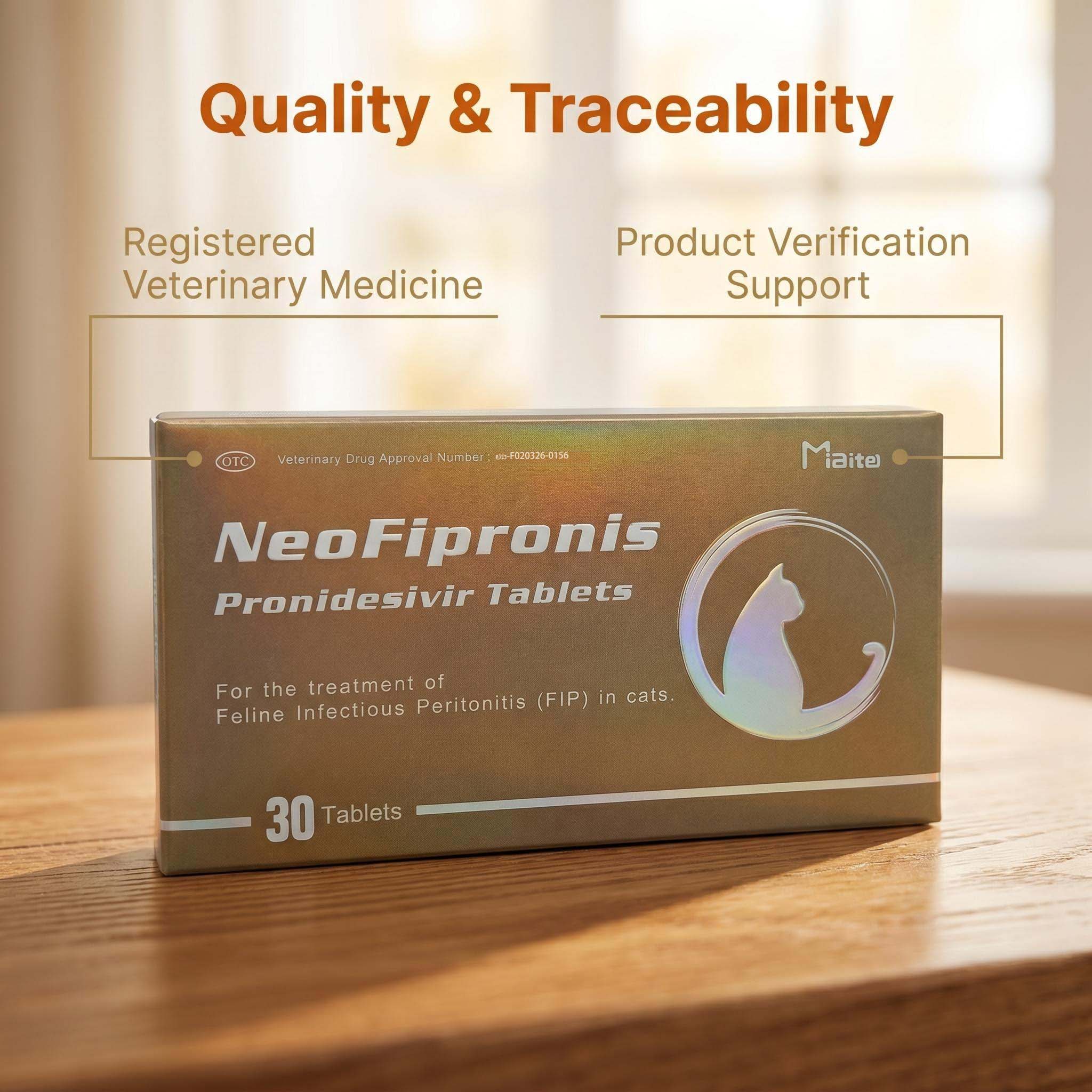
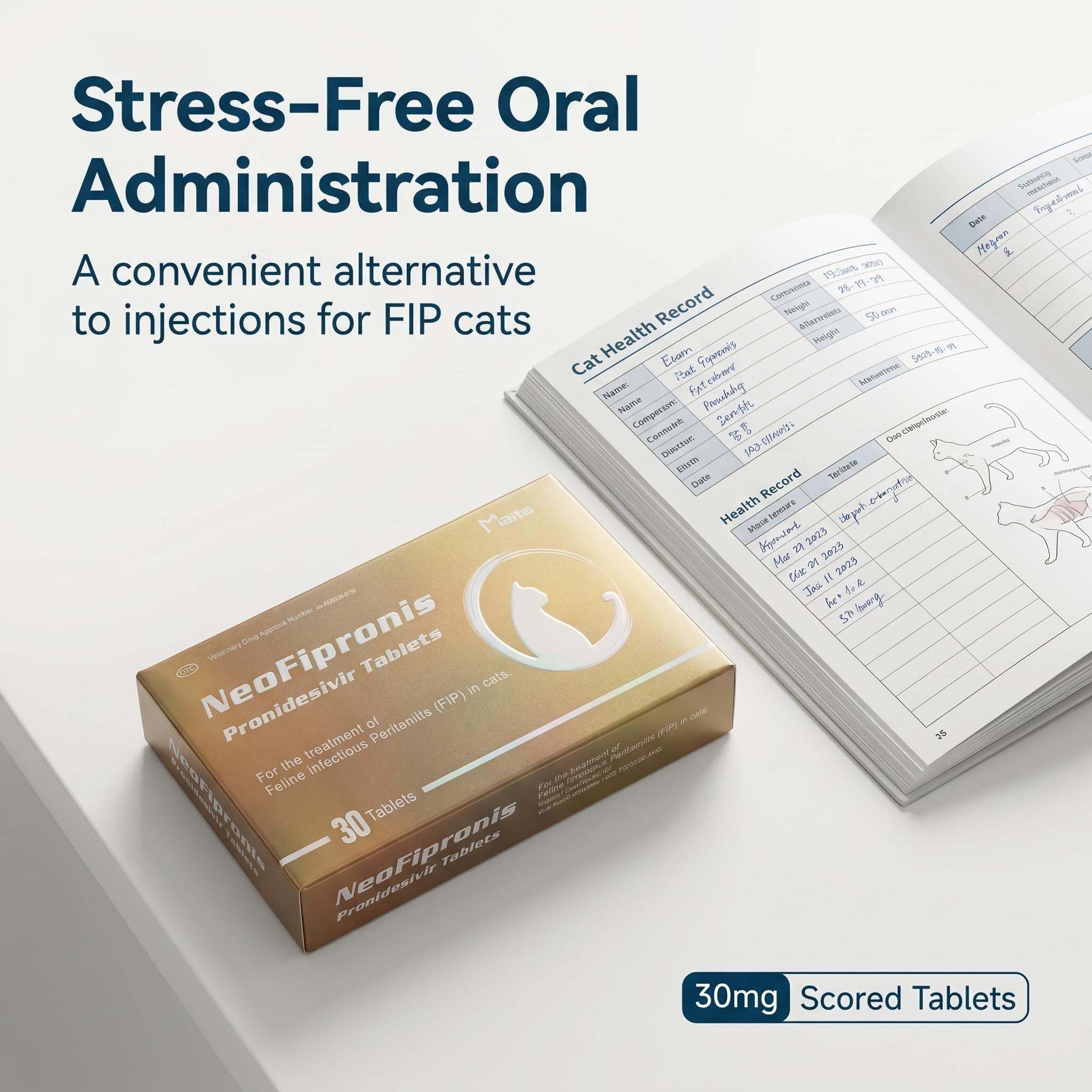
NeoFipronis (Pronidesivir), containing the active ingredient GS-441524, is a groundbreaking antiviral medication specifically approved for the treatment of Feline Infectious Peritonitis (FIP). As the first officially registered oral treatment for this deadly disease, NeoFipronis has demonstrated remarkable efficacy in alleviating symptoms such as inappetence, lethargy, fever, ascites, pleural effusion, lymphadenopathy, inflammatory granulomas, neurological damage, and uveitis. While its therapeutic benefits are significant, understanding potential side effects is essential for pet owners and veterinarians to ensure safe and effective treatment.
Common Side Effects
Most cats tolerate NeoFipronis well, with few adverse effects reported due to its high safety profile. However, some cats may experience mild gastrointestinal symptoms such as diarrhea, vomiting, or decreased appetite during the initial stages of treatment. These effects are usually transient and resolve without intervention. Additionally, occasional lethargy or changes in activity levels might be observed, which should be monitored carefully.
Hepatic and Renal Concerns
As with many antiviral therapies, liver and kidney functions should be closely monitored during treatment. Some cats might show elevated liver enzymes or other biochemical abnormalities, indicating hepatic stress. Renal function may also need assessment since systemic exposure to the drug could impact kidney health, especially in older cats or those with pre-existing conditions. Regular blood tests are recommended to detect any early signs of organ dysfunction.
Neurological and Ocular Effects
Given NeoFipronis’s mechanism of action, some cats may exhibit neurological symptoms such as ataxia, tremors, or altered behavior, although these are rare. Similarly, ocular side effects like conjunctivitis or uveitis are uncommon but should be observed closely. Should any neurological or visual disturbances occur, immediate veterinary consultation is advised to evaluate the need for dosage adjustments or discontinuation.
Allergic Reactions
Though infrequent, allergic responses to NeoFipronis are possible. Symptoms may include swelling, itching, or difficulty breathing. Immediate veterinary attention is crucial if any signs of allergic reactions are noticed. Proper identification and prompt treatment can effectively manage such cases.
Interactions and Precautions
NeoFipronis is generally safe when used as directed, but potential drug interactions should be considered. Combining it with other medications, particularly immunosuppressants or hepatotoxic drugs, requires veterinary oversight. Pregnant or nursing cats should consult a veterinarian before starting treatment. The medication should not be used in humans, and doses must be strictly followed according to the veterinarian’s instructions.
Long-term Effects
While short-term side effects are minimal, long-term safety data is still being accumulated due to the relative novelty of NeoFipronis. Continued monitoring during extended treatment courses is essential to detect any late-emerging adverse effects. Ensuring the full course of at least 12 weeks, as recommended, minimizes the risk of relapse or incomplete viral clearance, but ongoing evaluation can help prevent potential complications.
Conclusion
NeoFipronis (Pronidesivir), with its potent antiviral activity against FIP, provides a significant advance in feline medicine. While side effects are generally mild and infrequent, awareness and careful monitoring are vital to ensure safe treatment outcomes. Pet owners should always administer the medication under veterinary supervision, adhere strictly to prescribed dosages, and report any unusual symptoms promptly. Regular veterinary check-ups, blood tests, and ongoing observation enable the effective, safe management of FIP in cats using NeoFipronis.