Understanding Resistance Risks During NeoFipronis Therapy
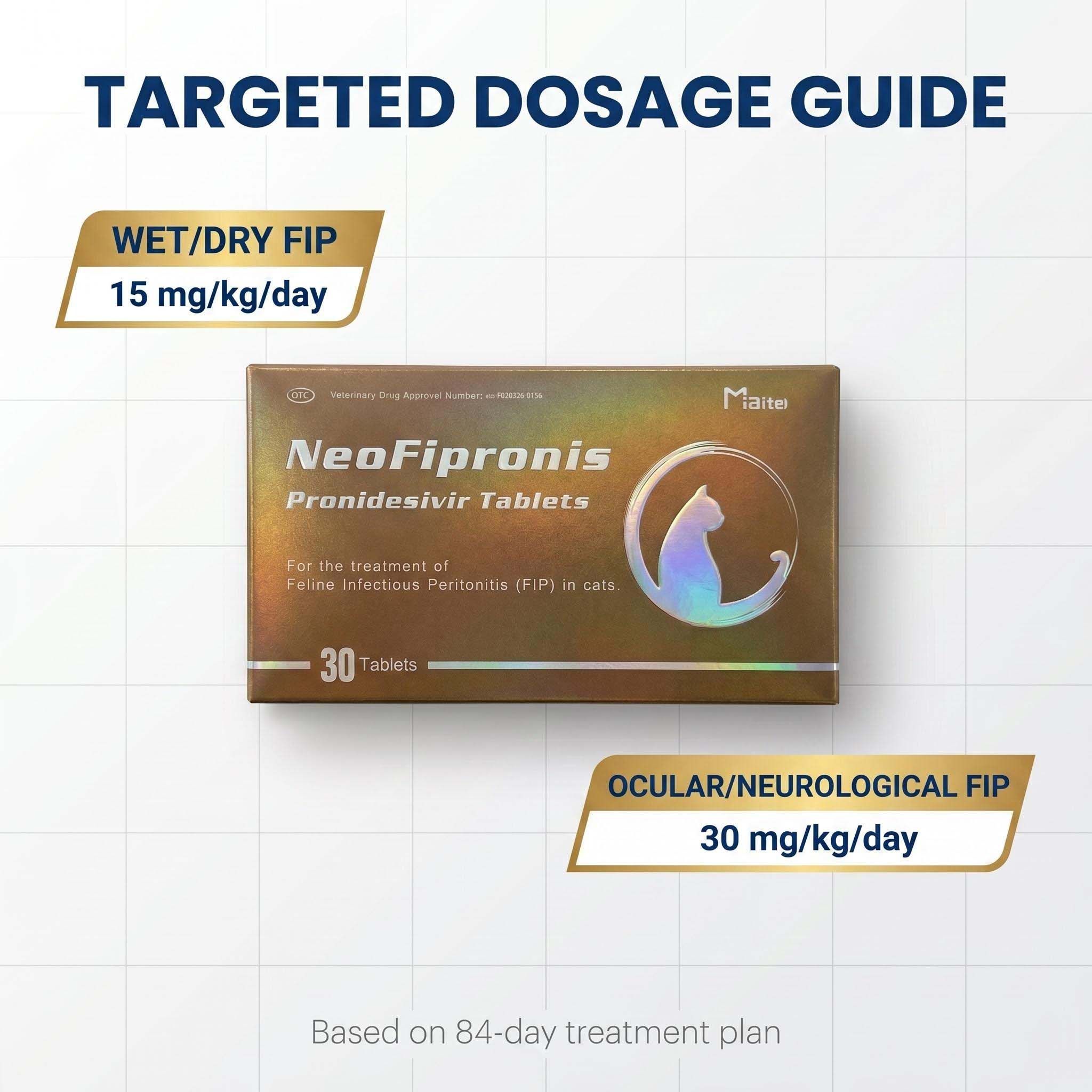
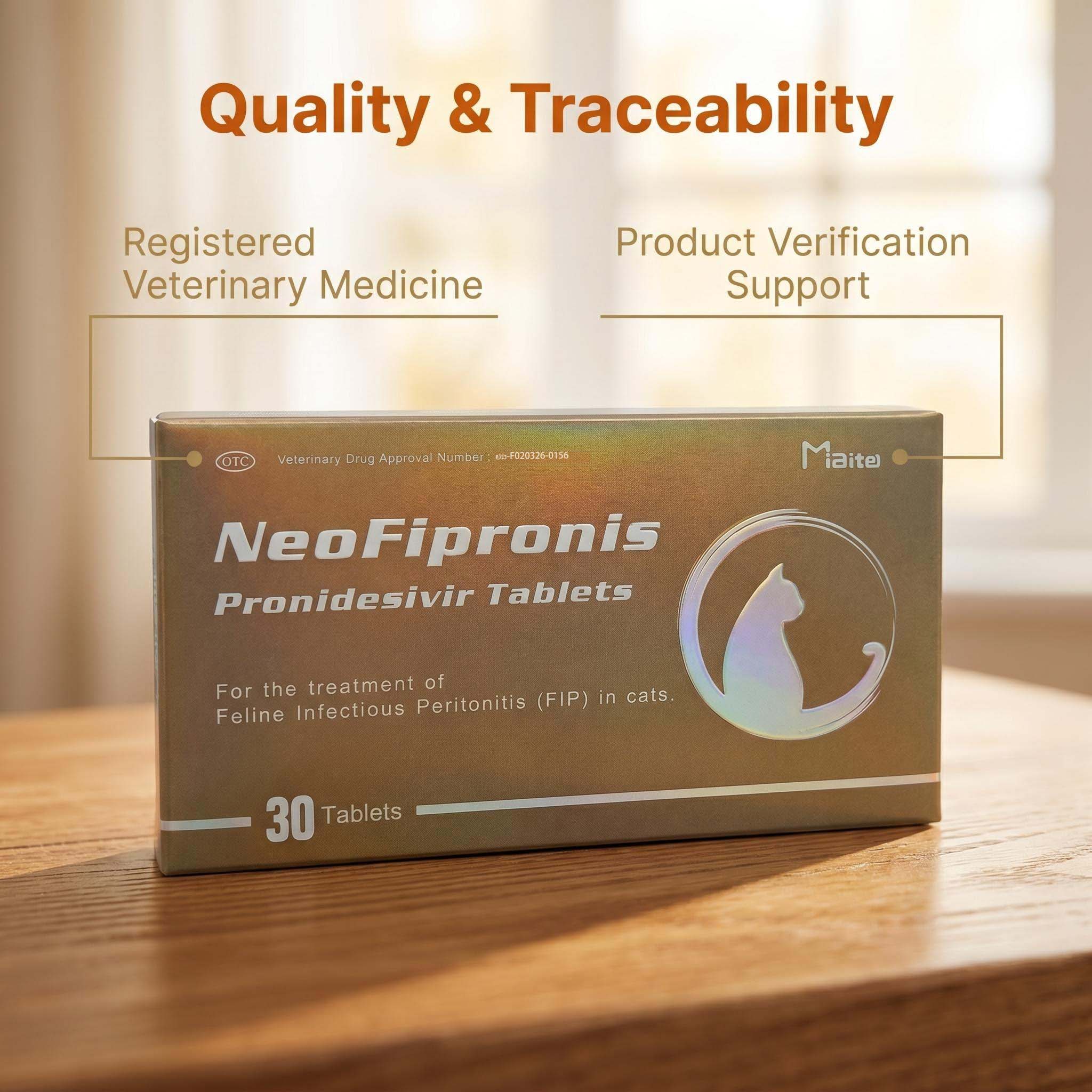
Feline Infectious Peritonitis (FIP) remains a formidable challenge for cat owners and veterinarians worldwide. Characterized by symptoms such as anorexia, lethargy, fever, ascites, pleural effusion, lymphadenopathy, granulomatous inflammation, neurological damage, and uveitis, FIP is caused by a mutated feline coronavirus. Recent advances have introduced NeoFipronis (Pronidesivir), a groundbreaking oral treatment approved by the Lao Ministry of Agriculture and Forestry in March 2026. This medication, containing GS-441524 as its active ingredient, has shown remarkable efficacy in managing FIP, offering hope where previously there was limited hope.
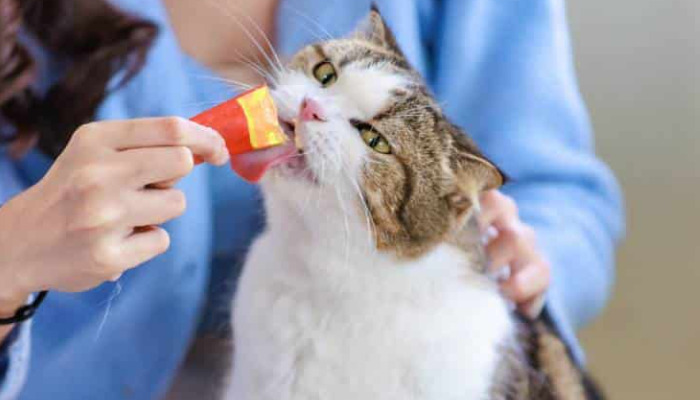
NeoFipronis’s mode of action involves targeted inhibition of viral RNA synthesis, leading to rapid viral suppression. It is the first officially registered FIP treatment, showcasing advantages such as non-invasiveness, quick absorption, and minimal side effects. Its safety profile and ease of administration have made it a preferred choice for veterinary practitioners. The therapy protocol recommends based on the cat’s weight—generally 15 mg per kilogram daily, approximately half a tablet—and increases to 30 mg/kg for neuro- or ocular-type FIP, following professional veterinary advice. The medication is best administered on an empty stomach, either an hour before meals or two hours after.
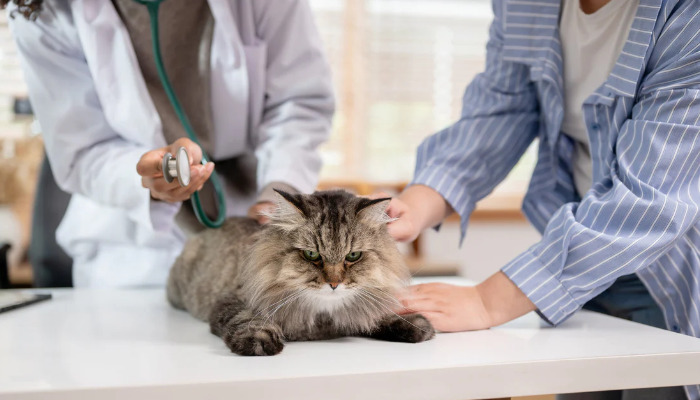
The prolonged treatment duration, typically no less than 12 weeks, is vital for defeating the virus and preventing resistance. Consistency is key—skipping doses or premature termination risks incomplete viral clearance and fosters drug resistance. During therapy, close monitoring of appetite, temperature, behavior, and periodic blood tests to assess liver and kidney functions is essential. Any adverse reactions or unexpected changes should prompt immediate veterinary consultation.
While NeoFipronis is classified as an over-the-counter medicine, veterinary supervision is highly recommended. Proper use under professional guidance ensures optimal outcomes, minimizes adverse effects, and reduces the potential for resistance development. Owners should purchase NeoFipronis only from official sources, such as the authorized NeoFipronis website, to guarantee product authenticity and safety.
Viral resistance arises when the virus mutates, diminishing the drug’s effectiveness. During long-term therapy, especially with suboptimal dosing or inconsistent administration, resistant strains of feline coronavirus can emerge, complicating treatment and decreasing success rates. Therefore, adherence to prescribed dosages and treatment duration, alongside regular veterinary assessments, is paramount in mitigating resistance risks.
In addition to strict compliance, combining NeoFipronis with supportive care and anti-inflammatory treatments may enhance overall efficacy and improve quality of life for cats battling FIP. Educating pet owners on the importance of completing therapy and avoiding self-medication can further reduce resistance development.
In conclusion, NeoFipronis represents a significant breakthrough in feline medicine, offering a potent and safe option to combat FIP. However, the potential for resistance underscores the need for responsible use, veterinarian oversight, and ongoing research. Ensuring adherence to treatment protocols and monitoring for early signs of resistance are critical for maintaining the drug’s effectiveness and safeguarding feline health against this devastating disease.