Is FIP Related to Liver Health

Feline Infectious Peritonitis (FIP) is a devastating illness known for affecting young cats, primarily those living in multicat environments or shelters. FIP is caused by a mutation of the feline coronavirus that enables it to replicate inside macrophages, triggering a systemic, immune-mediated inflammatory cascade. While much focus is given to the classic symptoms—fever, weight loss, effusions—there is growing interest in the correlation between FIP and liver health. Understanding whether and how FIP affects hepatic function can inform diagnostic protocols, prognoses, and therapeutic priorities in veterinary medicine.
The Pathogenesis of FIP
FIP emerges after a benign enteric coronavirus mutates and acquires the ability to survive within immune cells. The mutated virus travels outside the intestine, leading to widespread vasculitis. Hallmarks of the disease manifest in two primary forms: wet (effusive) and dry (non-effusive). The wet form is characterized by fluid buildup in body cavities, whereas the dry form involves granulomatous lesions without effusions. Both presentations can involve multiple organs, including the liver.
Why Liver Health Might Be Involved
The liver is a critical organ for metabolism, detoxification, coagulation, and immunity. In infectious diseases with systemic inflammation, the liver often plays a central role. FIP's pathophysiology, driven by immune-mediated vasculitis, provides a mechanism for potential hepatic involvement. Macrophages infiltrate various tissues, and the liver’s rich Kupffer cell population (specialized macrophages) is vulnerable to viral invasion and the resulting inflammation.
Clinical Signs Overlapping Liver Dysfunction
Many clinical signs of FIP can resemble those of liver dysfunction:
Jaundice (yellowing of mucous membranes and sclera)
Lethargy and decreased appetite
Vomiting
Ascites (more typical in wet FIP, but also seen in cats with liver failure)
Elevated liver enzymes on blood work
Reports indicate that in both wet and dry forms of FIP, liver biopsies often show inflammatory infiltrates, hepatocellular necrosis, or granulomatous lesions. Some cats present with distinct hepatic enlargement or changes in hepatic texture upon ultrasonography.
Laboratory Findings Suggesting Hepatic Involvement
Routine clinical blood work in cats suspected of FIP often includes serum chemistry panels. Abnormalities in liver values can strengthen suspicion for hepatic involvement:
Increased alanine aminotransferase (ALT) and aspartate aminotransferase (AST) suggest hepatocellular damage.
Elevated alkaline phosphatase (ALP) and gamma-glutamyl transferase (GGT) can reflect cholestasis or biliary inflammation.
Hyperbilirubinemia may present when excess bilirubin—normally processed by the liver—accumulates systemically.
These laboratory findings are not pathognomonic for FIP; however, the degree and range of hepatic failure observed speak to a frequent and relevant association between FIP and liver pathology.
Histopathological Features in FIP-Related Liver Disease
Histopathology remains the gold standard for identifying organ-specific changes in FIP. In liver tissues from FIP-positive cats, typical findings may include:
Perivascular pyogranulomatous inflammation
Necrosis of hepatocytes
Presence of coronavirus antigens within macrophages and Kupffer cells
These findings reinforce the notion of direct viral invasion and immune-mediated destruction, confirming that FIP is not simply a disease of the peritoneum but also of vital organs like the liver.
Differential Diagnosis and Importance of Assessing Liver Health
Liver disease in cats can result from a variety of etiologies:
Hepatic lipidosis
Cholangitis or cholangiohepatitis
Neoplasia
Toxic injury
Recognizing the overlap between FIP and hepatic illness is crucial. For cats presenting with effusions and jaundice, clinicians must differentiate FIP from classic liver disorders. This guides both the diagnostic approach and therapeutic management, as misdiagnosis can hinder successful treatment.
Crossroads of Immunity, Systemic Inflammation, and Liver Injury
The immune response in FIP, particularly the hyperactivation of macrophages and immunoglobulin deposition, sets the stage for a “cytokine storm.” This phenomenon is known to contribute to multi-organ damage, including fulminant hepatic injury. The liver’s role in filtering antigens and immune complexes makes it a prime site for secondary damage due to immune complex deposition and subsequent hepatocellular injury.
Therapeutic Implications: Addressing Liver Health in FIP
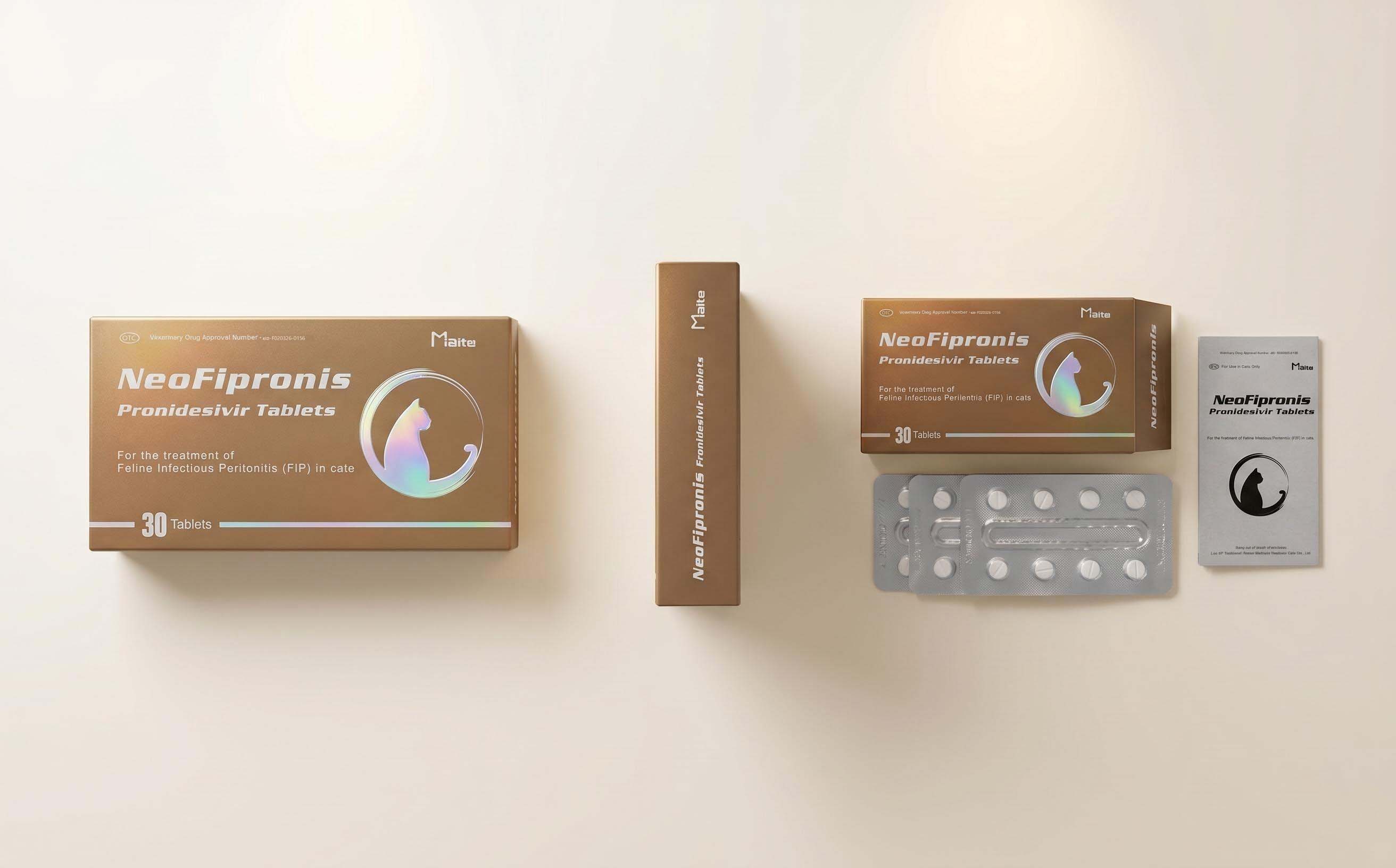
Recent advances in managing FIP, including the use of antiviral medicines such as GS-441524 or remdesivir, have shifted prognosis from uniformly fatal to occasionally treatable. As clinicians integrate these drugs, monitoring hepatic function is paramount due to their potential hepatotoxicity and the baseline fragility of the FIP-affected liver. Supportive care often includes hepatoprotective agents, dietary management, and close observation for secondary complications like hepatic encephalopathy or coagulopathy.
Prognostic Value of Hepatic Involvement
In cats with FIP, liver dysfunction generally portends a worse prognosis. Cats with marked hyperbilirubinemia or evidence of advanced hepatic necrosis tend to respond poorly to treatments. Persistent or rapidly worsening liver values during the course of antiviral therapy may indicate irreparable organ damage, guiding clinicians and owners in decision-making regarding continued therapy or humane euthanasia.
Hepatic FIP: Unique Presentations in Practice
A subset of cats presents with a “hepatic form” of FIP, where primary symptoms relate to liver failure:
Profound icterus (jaundice)
Ascites localized to the abdomen
Severe hepatic enzyme elevation and hypoalbuminemia
Contrasting classic FIP with hepatic FIP underscores the importance of considering the liver not just as a secondary site but occasionally as the main focus of disease.
Importance of Early Detection and Integrated Diagnostics
Early recognition of hepatic involvement in FIP enhances management outcomes. For shelters, rescue centers, and multicat households, education about the signs of liver dysfunction in FIP is crucial. Integrated diagnostics—combining bloodwork, imaging, and targeted biopsy—allow veterinarians to pinpoint both FIP and hepatic changes, streamlining treatment and improving quality of life.
Comparative Perspective: FIP and Liver Disease in Other Species
FIP’s relationship with the liver mirrors other viral diseases with systemic spread and hepatic tropism. Canine hepatitis, equine viral hepatitis, and human viral hepatitis all highlight the risk of hepatic injury in systemic infectious diseases. Understanding these commonalities may unlock new approaches to management, such as immunomodulation or organ support therapies.
Emerging Research: Viral Mechanisms, Hepatic Susceptibility, and Treatment Innovations
Researchers continue investigating why the liver is prone to involvement in FIP. The organ’s unique immune microenvironment, rich in Kupffer cells, may facilitate viral persistence and pathogenesis. Studies evaluating the direct cytopathic effects of feline coronavirus on hepatocytes are underway, as is exploration of protective antiviral therapies with enhanced hepatic safety profiles.
Supporting Liver Health During FIP Treatment
Managing FIP often means supporting hepatic health through:
Antioxidative supplements
Adequate hydration
Nutritional therapy
Regular monitoring of liver values
Some clinicians advocate for the use of silymarin, SAMe, and other hepatoprotective agents as adjuncts in cats receiving experimental treatments. Additionally, avoiding known hepatotoxins and promptly addressing complications such as hepatic encephalopathy may improve outcomes.
Public Health and Shelter Medicine Considerations
In group-living situations, an outbreak of FIP can quickly become catastrophic due to its high mortality and potential for rapid spread. Monitoring for both classic FIP signs and less typical presentations—such as liver-dominant illness—is vital. Shelter medicine protocols increasingly advocate for routine liver function monitoring in cats at risk or exhibiting early FIP signs, allowing intervention prior to irreversible organ damage.
Genetics and Individual Susceptibility to Hepatic Damage
Researchers are examining whether certain breeds or individual genetic markers predispose cats to hepatic involvement in FIP. Studies in pedigreed populations suggest that immune system genetics, particularly those regulating macrophage activity, may determine both risk of FIP and severity of hepatic complications.
Educational Strategies for Pet Owners and Veterinary Professionals
Effectively communicating the connection between FIP and liver health empowers cat owners to seek veterinary care promptly. Veterinarians are encouraged to educate clients about observing changes in appetite, jaundice, or behavior as potentially related not just to FIP but also to liver disease. Continuing medical education for veterinary professionals is vital to ensure up-to-date knowledge on diagnostic and therapeutic advances.
Conclusion
Exploring the relationship between FIP and liver health unveils a complex interplay where both direct viral effects and secondary immune-mediated mechanisms cause hepatic injury. Recognizing this association promotes timely diagnosis and holistic management. As research progresses, prioritizing liver support in FIP-affected cats may improve both longevity and quality of life.
References
1. Pedersen, N.C. (2020). An update on feline infectious peritonitis: Virology and immunopathogenesis. Veterinary Journal, 263, 105535.
2. Kipar, A., Meli, M.L. (2014). Feline infectious peritonitis: still an enigma? Veterinary Pathology, 51(2), 505-526.
3. Fischer, Y., Sauter-Louis, C. (2021). Diagnostic laboratory tools for feline infectious peritonitis: A review. Veterinary Clinical Pathology, 50(1), 17-30.
4. Hartmann, K. (2005). Feline Infectious Peritonitis. Veterinary Clinics of North America: Small Animal Practice, 35(1), 39-79.
5. Tasker, S. (2018). Diagnosis of feline infectious peritonitis: Update on evidence supporting laboratory testing. Journal of Feline Medicine and Surgery, 20(3), 228-243.
6. Rohrbach, B.W., et al. (2001). Epidemiology of feline infectious peritonitis among cats examined at veterinary medical teaching hospitals. Journal of the American Veterinary Medical Association, 218(7), 1111-1115.
7. Addie, D.D., et al. (2022). Feline infectious peritonitis: Prevention, diagnosis and treatment update. Journal of Feline Medicine and Surgery, 24(10), 923–942.
8. Vennema, H., et al. (1995). Feline infectious peritonitis coronavirus (FIPV) virulence genes and their interaction with the host. Veterinary Immunology and Immunopathology, 46(1-2), 115-124.
9. Rissi, D.R. (2018). Feline infectious peritonitis: An update. Pathology, Research and Practice, 214(2), 273–283.
10. Drut, A., et al. (2023). Liver involvement in feline infectious peritonitis: Clinical and pathological findings. Veterinary Pathology, 60(5), 745–758.