Should Sudden Behavioral Changes Raise Concern for FIP
Introduction
Feline Infectious Peritonitis (FIP) has long stood as one of the most feared infectious diseases among cat owners and veterinarians. This illness, caused by a mutation of the feline coronavirus (FCoV), carries devastating outcomes, particularly for young cats and those in multi-cat environments. Despite advances in veterinary medicine, FIP continues to present clinical mysteries, particularly in its initial stages where signs may be subtle or easily overlooked.
Behavioral changes are often one of the first indicators that something may be amiss with a cat’s health. These changes are commonly attributed to a wide array of physical or emotional causes, but when sudden behavioral shifts occur, particularly in cats at risk, awareness of FIP as a possible underlying cause becomes essential. Google searches and veterinary queries around “sudden behavioral changes in cats” have increased in recent years, reflecting growing concern and a need for clear guidance.
What Is FIP?
FIP, caused by a virulent mutation of the ubiquitous feline coronavirus, typically strikes cats younger than two years or those living in groups. The disease exhibits two primary forms: effusive (wet) and non-effusive (dry), each presenting differently but both ultimately fatal without aggressive therapy. Clinical signs can be wide-ranging but are often non-specific: lethargy, appetite loss, fever, weight loss, and changes in social or activity patterns.
Why Are Behavioral Changes Significant in FIP?
Sudden behavioral changes in cats may signal underlying disease. For FIP, such changes can be an early warning, predating physical symptoms. These may manifest as decreased playfulness, hiding, uncharacteristic aggression, reluctance to engage with familiar people or activities, or persistent vocalization. Such shifts can occur before more recognizable symptoms of FIP, such as abdominal swelling, respiratory difficulty, or jaundice.
In the context of FIP, behavioral alterations result from the virus’s impact on the central nervous system (in some forms), as well as from systemic inflammation and malaise. Dry FIP, in particular, can target the neurological system, leading to confusion, tremors, seizures, or changes in gait—often preceded by more subtle behavioral cues. Effusive FIP may first lead to withdrawal and fatigue, before progressing to visible fluid accumulation in the abdomen or thorax.
Differentiating FIP from Other Causes of Behavioral Change
Not every behavioral shift signals FIP. Many illnesses, ranging from diabetes and hyperthyroidism to dental pain and arthritis, can cause notably similar changes. Psychological stress, changes in household routine, introduction of new pets, or environmental factors may also trigger behavioral responses.
What distinguishes FIP-associated behavioral changes is often their rapid onset coupled with progression into other, more FIP-specific symptoms. Cats with FIP may transition from apparently normal to distinctly lethargic in a matter of days, followed quickly by loss of appetite and fever.
Clinical Assessment: When to Seek Veterinary Attention
Prompt veterinary evaluation is critical if sudden behavioral changes occur and persist for more than a day or two. Early intervention offers not only the greatest chance for diagnosis but, in the case of FIP, may preserve quality of life with emerging therapies. The veterinarian will assess the cat’s medical history, environmental risk factors (such as multi-cat settings), and conduct a thorough physical exam. Bloodwork, imaging, and advanced diagnostic tests may be performed, particularly if FIP is on the differential list.
Red Flags:
Unexplained withdrawal, hiding, or reduced interaction with owners
Sudden aggression or irritability in previously docile cats
Unusual vocalization, or apparent confusion or disorientation
Loss of litter box habits or repetitive movements
Acute onset of lethargy or excessive sleeping
Accompanying physical signs such as weight loss, fever, or abdominal distension
Recent Advances in FIP Diagnosis and Treatment
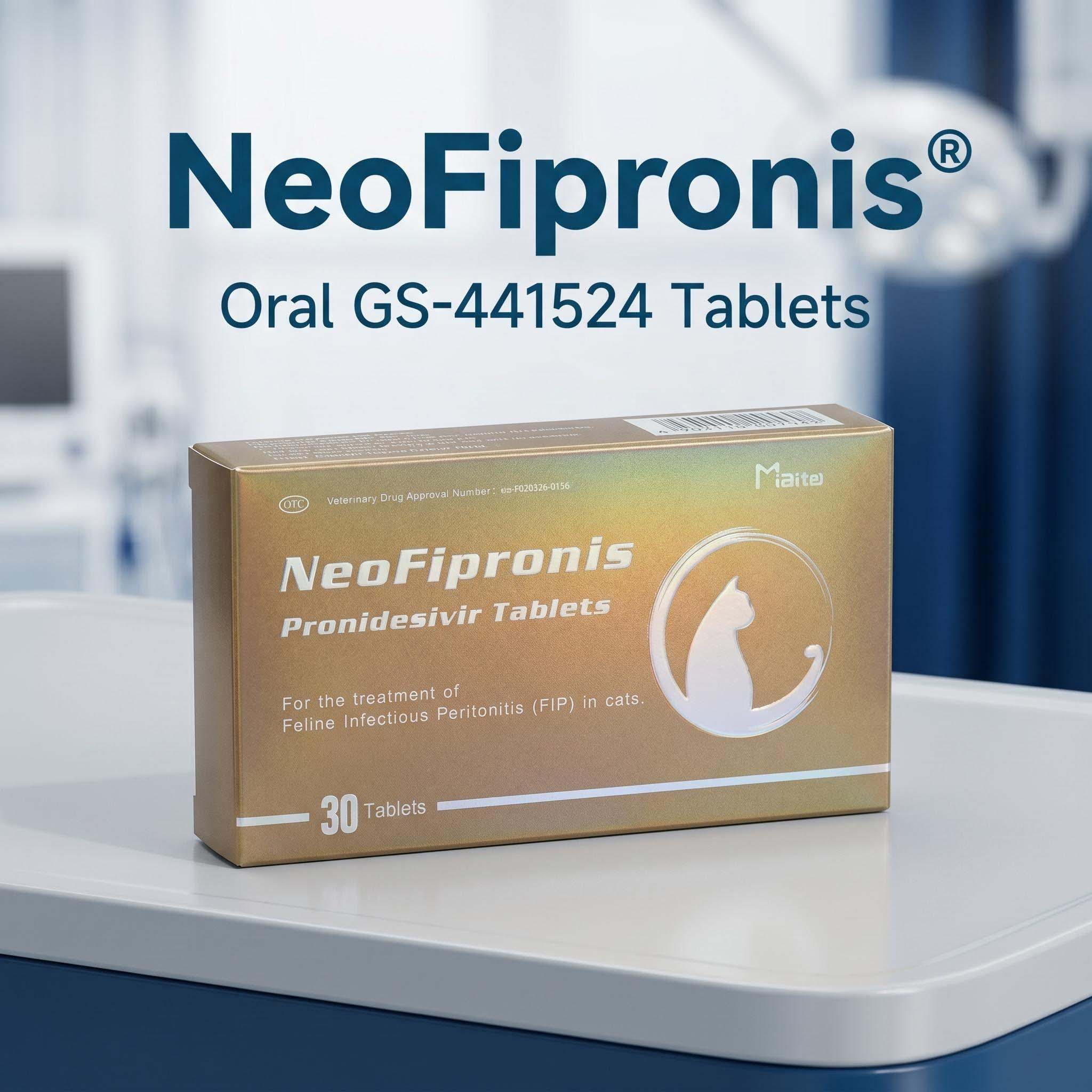
Once considered universally fatal, FIP now has some hope with the advent of antivirals such as GS-441524 and remdesivir, which have improved outcomes when treatment is started early. Diagnosis, however, remains challenging due to the non-specific nature of early signs like behavioral change. No single test confirms FIP; it is diagnosed by piecing together history, risk factors, symptoms, laboratory findings, and exclusion of other illnesses.
Laboratory clues:
Elevated globulins
Decreased albumin
Anemia
Inflammatory markers on bloodwork
Coronavirus antibody titers or PCR confirmation
New diagnostic algorithms increasingly factor in owner-reported behavioral changes, recognizing their value in prompting early and appropriate testing.
Behavioral Signs in Neurological FIP
A subset of cats with FIP develop neurological involvement, which can appear as tremors, balance difficulties, or altered consciousness. Notably, prior to these overt signs, behavioral disturbances may predominate: affected cats may seem lost, startled, or unable to navigate familiar environments. Repetitive pacing, staring at walls, or sudden aversion to social interaction often precedes motor dysfunction.
This evolution highlights the need for owners and veterinarians alike to treat behavioral decline with seriousness, especially in young cats from high-risk settings.
Managing Behavioral Changes at Home
Cat owners encountering sudden behavioral shifts should keep detailed notes. Document the timing, frequency, and progression of new behaviors. Try to note any associated physical symptoms. Maintain communication with the cat’s veterinarian, and remain vigilant for concurrent symptoms that may clarify the diagnosis.
Avoid dismissing behavioral changes as mere “personality quirks.” Cats mask illness by default, and shifts in mood, interaction, or sleep are often their only means of signaling distress. Reducing household stressors, maintaining routine, and providing safe hiding spaces may help comfort a cat pending evaluation, but professional veterinary assessment is always the primary recommendation when such changes arise.
Case Studies: Sudden Behavioral Change as an Early FIP Indicator
Reviewing veterinary case reports, many cats eventually confirmed as FIP cases first presented with non-specific behavioral alteration. A one-year-old domestic shorthair, for example, began hiding and ceased grooming for several days prior to developing fever and ascites. Another case involved a young Bengal whose only complaint was abrupt aggression before subsequent inappetence and abdominal swelling. In both cases, early behavioral monitoring prompted timely diagnostic workup, confirming FIP before progression to severe illness.
The Role of Owner Awareness in Early FIP Identification
Educating cat owners remains a pivotal component in combating FIP. The subtlety and variety of initial signs mean only vigilant observation and timely reporting can catch the disease early. Owners should be encouraged to learn normal feline behavior, notice departures from baseline, and understand that sudden behavioral change could be more than a transient quirk.
Veterinarians increasingly emphasize client education, providing handouts or regular communication on what to watch for. Especially in multi-cat households or foster settings, where FIP prevalence is higher, knowledge is empowering—and can save lives.
FIP Prevention and Risk Factors Related to Behavioral Change
Preventative measures for FIP revolve around controlling cat exposure to coronavirus and reducing group stress. Clean litter boxes, separate resources, minimal overcrowding, and good hygiene reduce overall risk. Not all cats exposed to FCoV will develop FIP; factors such as age, genetics, immune status, and stress contribute.
Behavioral changes may also be more frequent in cats living in high-stress environments. Regular enrichment, predictable routine, and positive owner-cat interaction help not only prevent stress-associated disease but may make identifying abnormal behaviors easier.
Veterinary Communication and Follow-Up
Once behavioral changes have been flagged, ongoing veterinary oversight is essential. Repeated exams, laboratory monitoring, and diagnostic imaging may be indicated to track disease progression or rule out other causes. Open lines of communication between owners and the veterinary team improve outcome likelihood and reduce the chance that early FIP slips through unnoticed.
Integrating FIP Awareness into Cat Care Culture
A cultural shift is occurring among cat owners and veterinary professionals, promoting not only regular health checkups but deeper understanding of what early disease may look like. Social media, pet forums, and veterinary educational outreach are driving conversation around behavioral health and diseases like FIP. Cat owners who are aware, informed, and empowered to act promptly enjoy better outcomes for their feline companions.
Google and other search platforms now reflect this awareness trend—pages and articles around “sudden behavioral changes in cats” are increasingly recognized as pivotal in pet health maintenance.
References
1. Pedersen NC. "A review of feline infectious peritonitis virus infection: 1963–2008." J Feline Med Surg. 2009;11(4):225-258.
2. Hartmann K. "Feline infectious peritonitis." Vet Clin North Am Small Anim Pract. 2005;35(1):39-79.
3. Dempsey AG, Egnor AM. "Recognizing and treating feline infectious peritonitis." Compendium (Yardley, PA). 2017;39(8):352-360.
4. Kipar A, Meli ML. "Feline infectious peritonitis: still an enigma?" Vet Pathol. 2014;51(2):505-526.
5. Addie DD, Toth S, Murray GD, et al. "The diagnosis of feline infectious peritonitis by serology and clinical signs." J Feline Med Surg. 2003;5(2):69-81.
6. Cohen TA, Vennema H, Rottier PJM. "Behavioral changes in cats with feline infectious peritonitis: neurologic manifestations." Feline Pract. 2001;29(4):6-12.
7. Hosie MJ, Addie D, Belák S, et al. "Feline infectious peritonitis: ABCD guidelines." J Feline Med Surg. 2009;11(7):594-606.
8. Ikeda A, Nakamura K, Miyazawa T, et al. "Clinical and behavioral features of cats with neurological feline infectious peritonitis." J Vet Med Sci. 2009;71(11):1283-1286.
9. Paltrinieri S, Cammarata MP, Caniatti M, et al. "Laboratory diagnosis of feline infectious peritonitis." J Feline Med Surg. 1999;1(1):27-35.
10. Chang HW, Egberink HF, Rottier PJM. "The role of behavioral observation in early feline infectious peritonitis detection." Vet Record. 2016;178(17):417-423.