Does a Positive Coronavirus Test Mean FIP
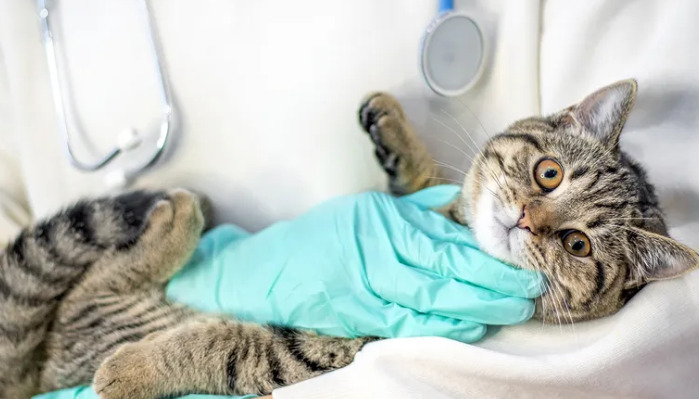
In feline medicine, one topic that consistently raises questions among veterinarians and cat owners is Feline Infectious Peritonitis (FIP). This mysterious and often tragic disease is linked to feline coronavirus (FCoV), a virus that commonly infects domestic cats. When a cat receives a positive coronavirus test, the immediate fear is often FIP, but is this diagnosis truly inevitable? It is essential to distinguish between a general coronavirus infection and FIP, understanding the complexities of testing and what a positive result genuinely signifies for feline health.
Feline Coronavirus: Prevalence and Transmission
Feline coronavirus is not an uncommon virus. In multi-cat environments such as shelters, catteries, or households with multiple pets, exposure rates are high. Surveys indicate that over 80% of cats in such settings will contract feline coronavirus at some point in their lives. The virus primarily targets the intestinal tract, where it replicates harmlessly in most cats. It sheds in feces and passes to other cats through oral-fecal routes. Most infections are mild or asymptomatic, with clinical signs usually self-limiting gastrointestinal upsets like diarrhea or mild vomiting.
The vast majority of these infections resolve uneventfully. Persistent shedding may occur, but only a small percentage of cats exposed to feline coronavirus ever proceed to develop FIP. This transition relies not on the mere presence of the virus, but on specific mutations and immune responses.
What is FIP?
FIP is a fatal, immune-mediated disease resulting from a unique mutation of feline coronavirus inside a susceptible host. This mutated strain, known as FIP virus, gains the ability to infect macrophages—cells vital to the cat’s immunity—leading to widespread inflammation and the classic clinical forms of FIP: effusive ("wet") and noneffusive ("dry"). The hallmark of FIP is its unpredictability and the challenge in confirming a diagnosis with reliability.
Why a Positive Coronavirus Test is Not Specific for FIP
Most commonly available screening tests for feline coronavirus, such as ELISA or immunofluorescence antibody assays, only detect the presence of antibodies against the virus. A positive result means the cat has been exposed to coronavirus at some point, but it does not differentiate between the harmless, enteric variant and the virulent FIP-causing mutation. PCR tests, which detect viral RNA, may be used on blood, feces, or organ samples. Yet, even PCR cannot reliably distinguish routine enteric coronavirus infection from FIP because the critical mutation often occurs in isolated cells deep within tissue, not necessarily circulating or shedding in accessible samples.
FIP Case Development: The Mutation and the Host
The progression from benign feline coronavirus infection to FIP depends on several factors. Firstly, the virus must mutate, gaining the capability to spread beyond the intestines and enter macrophages. Secondly, the host’s immune system must fail to contain this mutated strain, leading to unchecked viral dissemination and the destructive inflammatory reaction characterizing FIP. Environmental stress, age, genetic susceptibility, and concurrent illnesses all influence the risk of developing FIP. Young cats and those in stressful, high-density environments show heightened vulnerability.
Testing: Types and Limitations
When diagnosing feline coronavirus and evaluating FIP risk, veterinarians rely on several methods:
Antibody tests: These indicate exposure but cannot confirm disease.
PCR tests: These detect viral RNA but do not confirm FIP-specific mutation in most cases.
Immunohistochemistry: This specialized test detects virus-infected cells in tissues sampled via biopsy, most reliable for confirming FIP postmortem.
Clinical signs and laboratory workups: High global proteins, low albumin-globulin ratios, effusive lesions, and chronic unexplained fevers all contribute to a clinical suspicion of FIP.
A high coronavirus antibody titer may raise suspicion in cats with compatible symptoms, but it is insufficient for a definitive diagnosis. PCR results vary depending on sample type and lab methodology, and can yield false positives due to the prevalence of non-mutated strains.
Interpreting Positive Results
A cat that tests positive for coronavirus antibodies or even viral RNA does not necessarily have FIP. It simply means exposure, not disease. As many as 90% of healthy, indoor cats may carry coronavirus antibodies, with most never developing complications. Only a small fraction progress to FIP, usually triggered by unique immune factors and viral evolution.
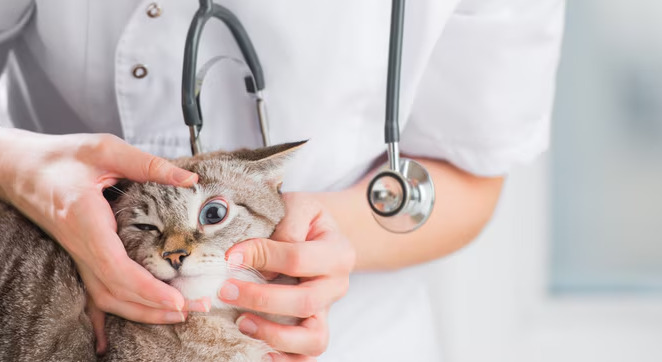
Therefore, a positive coronavirus test must always be interpreted alongside clinical signs, physical examinations, and additional diagnostics. Classic FIP indicators include persistent fever, weight loss, abdominal distention, neurological changes, and ocular issues. The most reliable diagnosis leverages a combination of history, clinical findings, supportive laboratory changes, and, where possible, advanced tests (e.g., immunohistochemistry of effusion fluid).
FIP: Clinical Manifestations
Effusive FIP presents with rapid accumulation of protein-rich fluid in the abdomen or chest. Noneffusive FIP appears as granulomatous lesions throughout organs, challenging to differentiate from other diseases such as lymphoma or systemic bacterial infection. Both forms are invariably fatal without treatment, though recent antivirals (e.g., GS-441524 analogs) have shown promise in early clinical trials and anecdotal reports.
The challenge in clinical practice is that many cats with positive coronavirus tests and vague signs (e.g., mild lethargy, intermittent fever) do not proceed to full FIP, but may require vigilant observation and supportive care.
Emerging Treatments and Prognosis
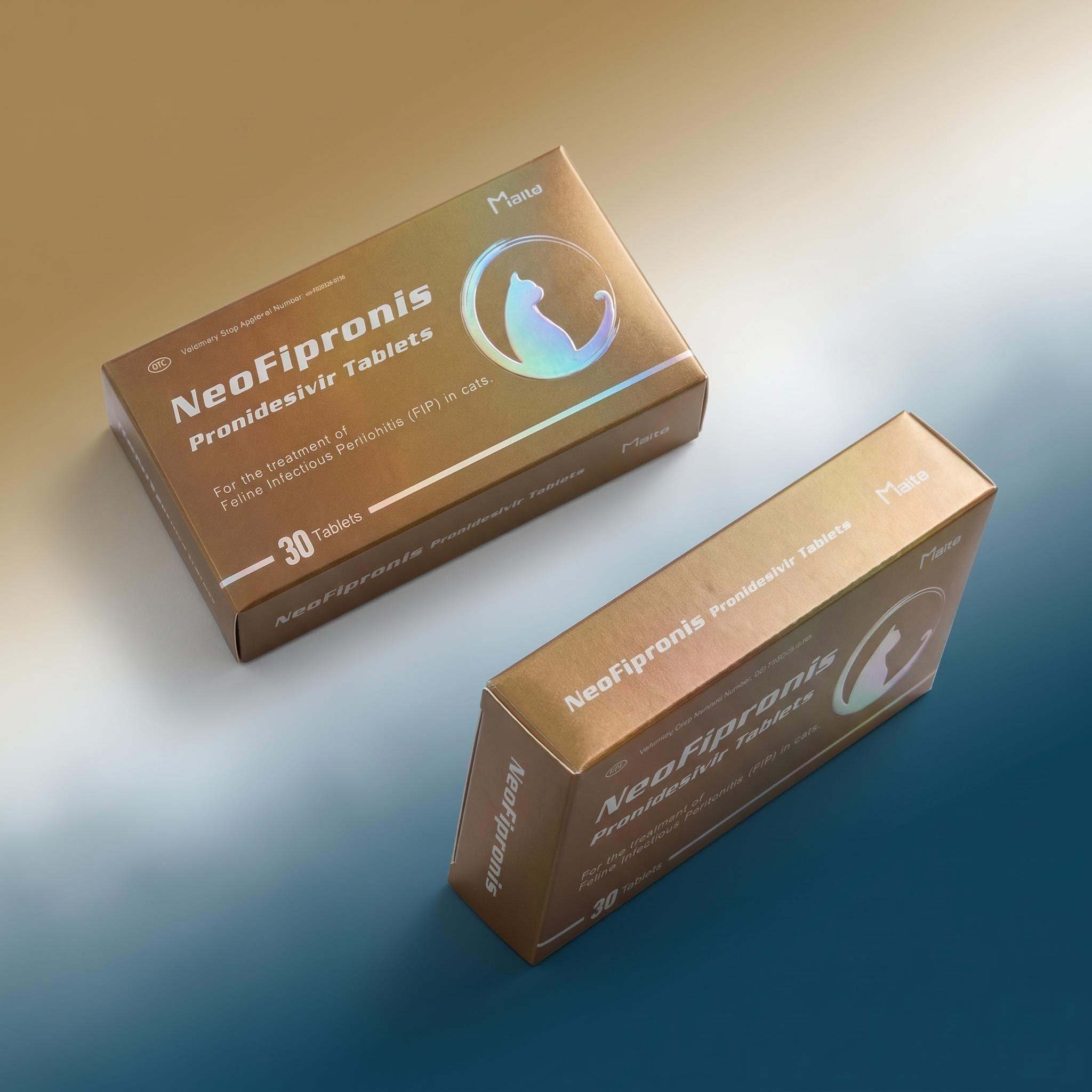
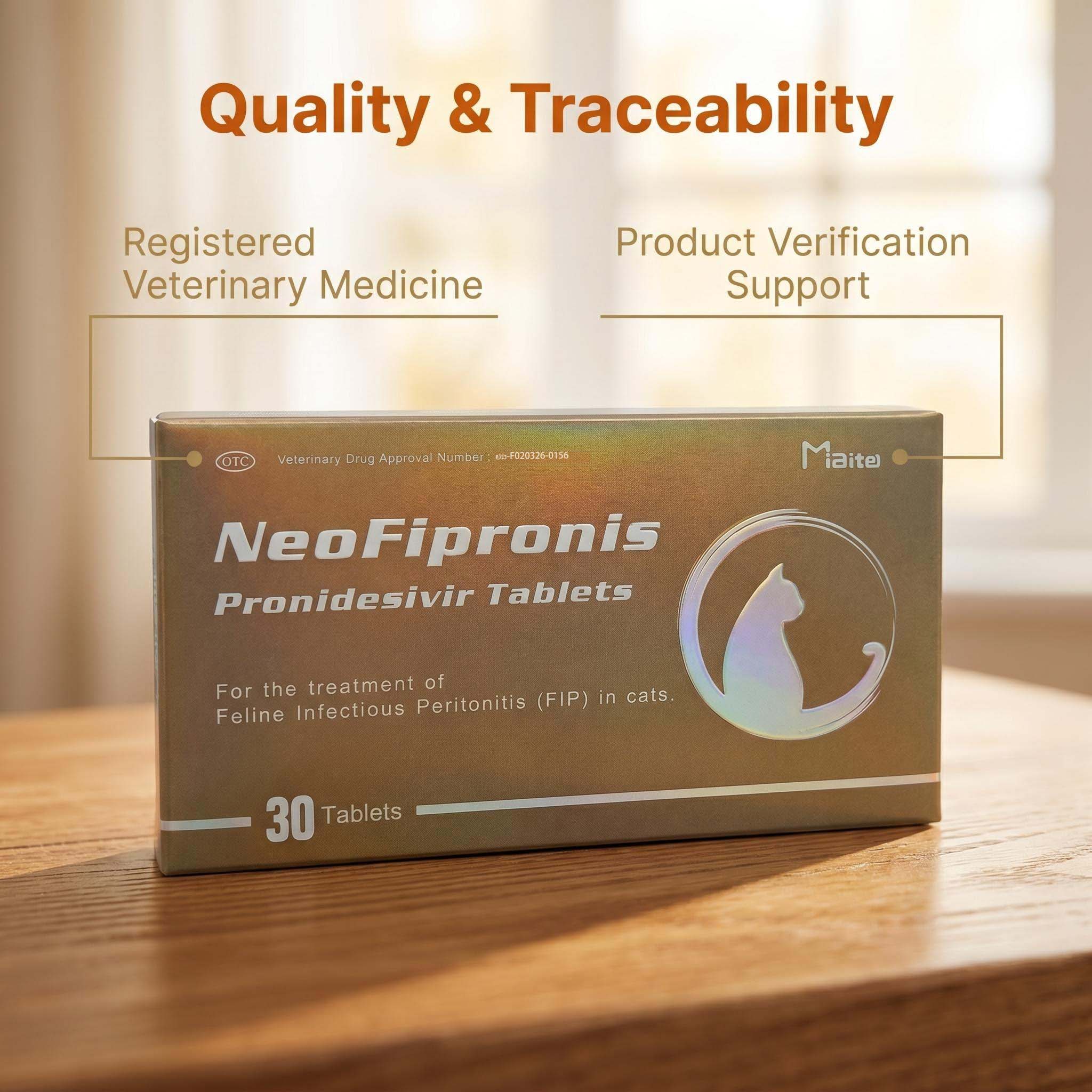
The FIP diagnosis used to be considered a death sentence. In recent years, research into antiviral drugs—GS-441524 analogs, Remdesivir, and related compounds—has transformed FIP prognosis. Early intervention with these drugs has led to remissions and extended survival in previously untreatable cases. Access and regulatory approval vary by country, but pharmaceutical advances are changing the FIP landscape.
Still, supportive management remains crucial: fluid therapy, nutritional support, and immune modulators may provide comfort, prolonging quality of life. Research into vaccines remains ongoing, though current vaccines lack effectiveness in the face of diverse coronavirus strains and high mutation rates.
Prevention Strategies
Reducing FIP risk involves minimizing exposure to coronavirus, curbing stress, and optimizing overall feline health. Best practices include:
Limiting population density in catteries and shelters;
Rigorous hygiene and regular cleaning, especially of litter boxes;
Immediate isolation of sick cats;
Early weaning and separation of kittens;
Avoiding unnecessary stress, overcrowding, and poor nutrition.
Genetic selection may also play a role, as some breeds and lines appear disproportionately represented in FIP cases. However, susceptibility is multifactorial, involving environment, immunity, and chance.
Key Takeaways for Cat Owners
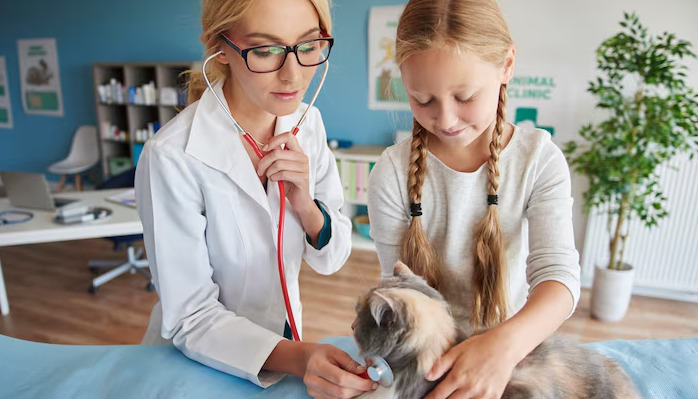
If a cat tests positive for feline coronavirus, there is no reason for immediate alarm. Most cats recover uneventfully. Only a minority ever face the threat of FIP, and newer treatments offer hope where previously there was none. A calm, measured response—focusing on overall health, symptom monitoring, and seeking prompt veterinary care for unexplained illness—is the best approach.
Veterinary guidance is essential, especially when interpreting test results. Not every cat with a positive coronavirus test will ever experience FIP. Understanding these nuances can spare owners needless anxiety and foster better outcomes for feline companions.
Future Research
The relationship between coronavirus infection and FIP remains one of feline medicine’s greatest puzzles. Ongoing genetic studies, advances in early detection, and therapeutic breakthroughs will continue to inform our understanding of this elusive disease. Striking the balance between vigilance and reassurance, cat owners armed with accurate knowledge can safeguard their pets’ health more effectively than ever.
References
Pedersen NC. "A review of feline infectious peritonitis virus infection: 1963–2008." J Feline Med Surg.
Hartmann K. "Feline infectious peritonitis." Vet Clin North Am Small Anim Pract.
Addie DD, Jarrett O. "Feline coronavirus infections in cats." Vet Clin North Am Small Anim Pract.
Felten S, Hartmann K. "Diagnosis of feline infectious peritonitis: a review." Vet J.
Kipar A, Meli ML. "Feline infectious peritonitis: Still an enigma?" Vet Pathol.
Chang HW, Egberink HF, Rottier PJ. "Development of a real-time RT-PCR and an ELISA based on recombinant nucleocapsid protein for detection of feline coronavirus infections." J Virol Methods.
Drechsler Y, Alcaraz A, Bossong FJ, et al. "Detection of feline coronavirus mutations associated with feline infectious peritonitis using reverse transcription-quantitative polymerase chain reaction and Sanger sequencing." Vet Microbiol.
Foley JE, Poland A, Carlson J, et al. "Risk factors for feline infectious peritonitis among cats in catteries and shelters." J Am Vet Med Assoc.
Pedersen NC, Kim Y, Liu H, et al. "The effect of GS-441524, a nucleoside analog, on feline infectious peritonitis and the development of resistance." Vet Microbiol.
Hosie MJ, Addie DD, Belák S, et al. "Feline infectious peritonitis: ABCD guidelines on prevention and management." J Feline Med Surg.