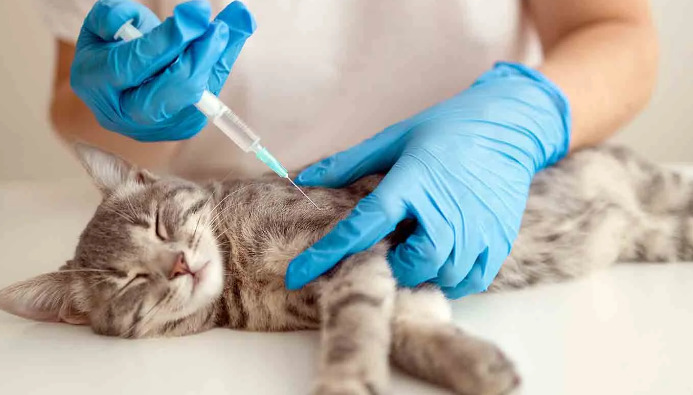
Feline Infectious Peritonitis (FIP) Vaccination Recommendations
Understanding FIP and Its Impact on Cats
Feline Infectious Peritonitis (FIP) is a fatal disease caused by a mutated feline coronavirus (FCoV). While most cats harbor FCoV asymptomatically, certain strains can mutate within the host, leading to FIP, which manifests in two forms: effusive (wet) and non-effusive (dry). The disease primarily affects young cats and those living in multi-cat environments, such as shelters or catteries. Its high morbidity and mortality rates have prompted ongoing debates about prevention strategies, including vaccination.
Current Status of FIP Vaccines
The primary vaccine available for FIP is the inactivated, intranasal vaccine designed to stimulate mucosal immunity. It aims to reduce the risk of infection and development of FIP in healthy, seronegative cats. Despite its availability, the vaccine's efficacy remains a matter of discussion due to various challenges, including differing responses among cats and limited protective outcomes.
Eligibility and Target Population for Vaccination
Age Considerations: The vaccine is recommended for cats older than 16 weeks, as maternal antibodies can interfere with vaccine efficacy in younger kittens.
Seronegative Status: Vaccination should be reserved for cats that test negative for FCoV to ensure the vaccine's effectiveness, as it's not effective in already infected individuals.
High-Risk Environments: Cats living in or coming from multi-cat households, shelters, or breeding colonies with high FCoV prevalence are considered prime candidates for vaccination.
Timing and Administration Protocols
Initial Dose: Administered intranasally, typically in a single dose at least 16 weeks of age.
Booster Shots: Although booster recommendations vary, some protocols suggest revaccination after 12 months for cats at ongoing risk.
Concurrent Vaccinations: Can be given alongside other intranasal vaccines, but generally separated by a short interval to prevent interactions.
Effectiveness and Limitations
Partial Protection: The vaccine may decrease the likelihood of developing FIP but does not guarantee immunity.
Variable Response: Factors such as immune status and genetic predispositions influence vaccine efficacy.
Potential for False Security: Owners and breeders should understand that vaccination is not a substitute for managing exposure risks.
Risks and Side Effects
Mild Reactions: Local swelling, sneezing, or transient nasal discharge are occasionally observed.
Severe Reactions: Rarely, cats may develop hypersensitivity responses; thus, vaccination should be conducted under veterinary supervision.
Infection Risk: There's ongoing debate about whether vaccination could, in very rare cases, induce Bovine Coronavirus or other related infections, though current evidence is limited.
Considerations for Veterinary Practitioners
Pre-Vaccination Testing: Conduct FCoV serology to identify suitable candidates.
Client Education: Inform owners about the vaccine's limitations and emphasize environmental management to reduce FCoV exposure.
Monitoring and Follow-up: Keep detailed records of vaccinated cats, especially in high-risk settings, and observe for any adverse effects post-vaccination.
Alternative Preventive Measures
Environmental Hygiene: Regular cleaning of litter boxes and high-touch surfaces can lower viral load.
Reducing Stress: Minimize stressful events that may suppress immune responses.
Controlling FCoV Spread: Isolate newly introduced cats and maintain good ventilation.
Emerging Research and Future Directions
Recent studies suggest investigating combination vaccines or developing more effective formulations that enhance mucosal immunity. Ongoing research also explores genetic factors influencing susceptibility, which could lead to targeted vaccination strategies. Moreover, advancements in antiviral therapies might reshape prophylactic approaches in the coming years, emphasizing the importance of staying informed about the latest scientific developments.
Incorporating Vaccination into a Holistic Strategy
While vaccination plays a role, it should complement comprehensive management practices tailored to high-risk environments. Given the limitations and variable efficacy, decision-making must involve a careful risk assessment, considering the specific circumstances of each cat population. Engaging veterinarians for personalized advice ensures that prevention aligns with the most current scientific understanding.
The Bottom Line
FIP vaccination can be a component of a proactive health protocol but is not a standalone solution. Its partial efficacy underscores the importance of combined strategies — integrating vaccination, environmental controls, and owner education. As research progresses, an evolving landscape of prevention options promises more effective ways to curb the spread of FIP in feline populations.