What Is the Most Practical FIP Prevention Strategy for Cat Owners
Feline Infectious Peritonitis (FIP) strikes a uniquely troubling chord among cat lovers worldwide. This fatal viral disease, once considered rare, now looms over multi-cat households, shelters, and breeders with daunting frequency. Countless myths encircle its prevention and transmission, leading to confusion, anxiety, and sometimes misguided efforts. FIP is caused by a mutated form of feline coronavirus (FCoV), and only a fraction of FCoV-infected cats progress to full-blown FIP. It is this unpredictability that makes prevention strategies both urgent and elusive.
Understanding FIP and Its Risk Factors
FIP's primary culprit is the feline coronavirus, a virus common in cats, especially in environments with large populations. While most cats infected with FCoV develop only mild or even asymptomatic gut infections, approximately 5-10% will see the virus mutate internally, triggering the immune-mediated, deadly disease known as FIP.
Multiple risk factors affect the likelihood of FIP developing:
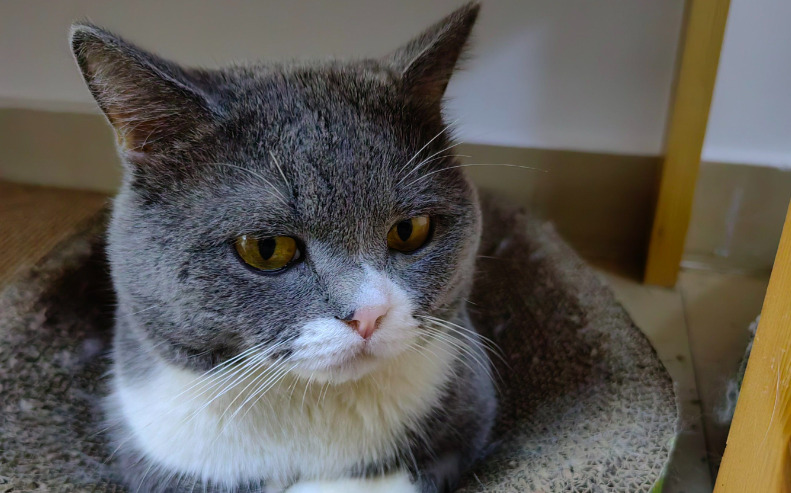
1. Genetics: Some purebred cats, such as Bengals, British Shorthairs, and Abyssinians, show a higher rate of FIP, possibly due to genetic vulnerability.
2. Immune Status: Young kittens and immunocompromised cats are more susceptible, especially if they face stress or coinfections.
3. Living Conditions: High-density environments, like shelters or breeding facilities, boost FCoV transmission and mutation.
4. Hygiene: Poor sanitation and overcrowded litter boxes escalate infection spread.
5. Stress: Stress weakens feline immune defenses, increasing the chance of FIP development post-FCoV infection.
FIP Transmission: Clarifying the Myths
FIP itself, the mutated form, is NOT contagious between cats. The underlying feline coronavirus, though, is shed copiously in feces and spreads efficiently, primarily via ingestion of contaminated material. Cats usually contract FCoV by sharing litter trays or grooming one another. Aerosol transmission plays a minor role. Once in the home, FCoV can be challenging to eradicate.
Multicat environments are at far higher risk, thanks to high viral loads and repeated close contact. Once established, FCoV can persist on surfaces, in litter, and in fur, further complicating control efforts.
Direct, Practical Prevention: The Cornerstones
With so many complexities, cat owners need clear, actionable strategies. The most practical FIP prevention approach combines environmental management, selective cohabitation, stress reduction, and vigilant hygiene.
Environmental Management
Cleanliness is key. FCoV shed in feces accumulates in litter boxes, on floors, and in bedding. These areas must receive frequent, rigorous cleaning:
Litter Box Hygiene: Scoop solids daily and wash boxes weekly with disinfectants proven to destroy coronaviruses (e.g., 1:32 bleach solution, accelerated hydrogen peroxide).
Litter Choice: Clumping, low-dust litter minimizes viral dissemination. Dispose of contaminated litter in sealed bags.
Separate Boxes: In multi-cat homes, assign at least one box per cat to reduce cross-contamination.
Surface Cleaning: Regularly disinfect floors, feeding areas, and sleeping spots.
Ventilation: Ensure the area remains well-ventilated to limit viral accumulation in the environment.
Cohabitation and Household Composition
Limiting the number of cats in the home is the single most effective strategy. Studies show FCoV prevalence skyrockets in groups over five cats. If you manage a shelter or breeding cattery:
Reduce Density: Fewer cats per room equals less viral transmission.
Quarantine Newcomers: Isolate new cats for 2-3 weeks; test for FCoV shedders if possible.
Group by Status: Where practical, house FCoV-negative cats separately.
Stress Management
Stress both triggers FIP mutation and suppresses immunity. Cat owners should minimize stressors by:
Stable Routine: Keep feeding, cleaning, and play times consistent.
Safe Hideouts: Provide secure spaces for solitary retreat.
Gentle Handling: Avoid unnecessary handling and rough play.
Slow Introductions: Introduce new cats gradually.
Health Maintenance
Robust health defends against FIP development, even post-FCoV infection.
Proper Nutrition: Feed high-quality diets tailored to age and health.
Vaccination: Keep up with vaccines (though there is no proven FIP vaccine), reducing other infections.
Routine Veterinary Care: Regular checkups help catch immunodeficiency or chronic illness early.
Parasite Control: Maintain an ongoing parasite prevention program.
Selective Breeding
Breeders shoulder a specific responsibility in controlling FIP:
Screen for Genetics: Avoid breeding known FIP-prone lines where possible.
Health Records: Maintain meticulous records of disease, mutations, or deaths in litters.
Limit Outcrosses: Reduce genetic bottlenecking, which heightens susceptibility.
Scientific Perspective on FIP Vaccination and Antiviral Drugs
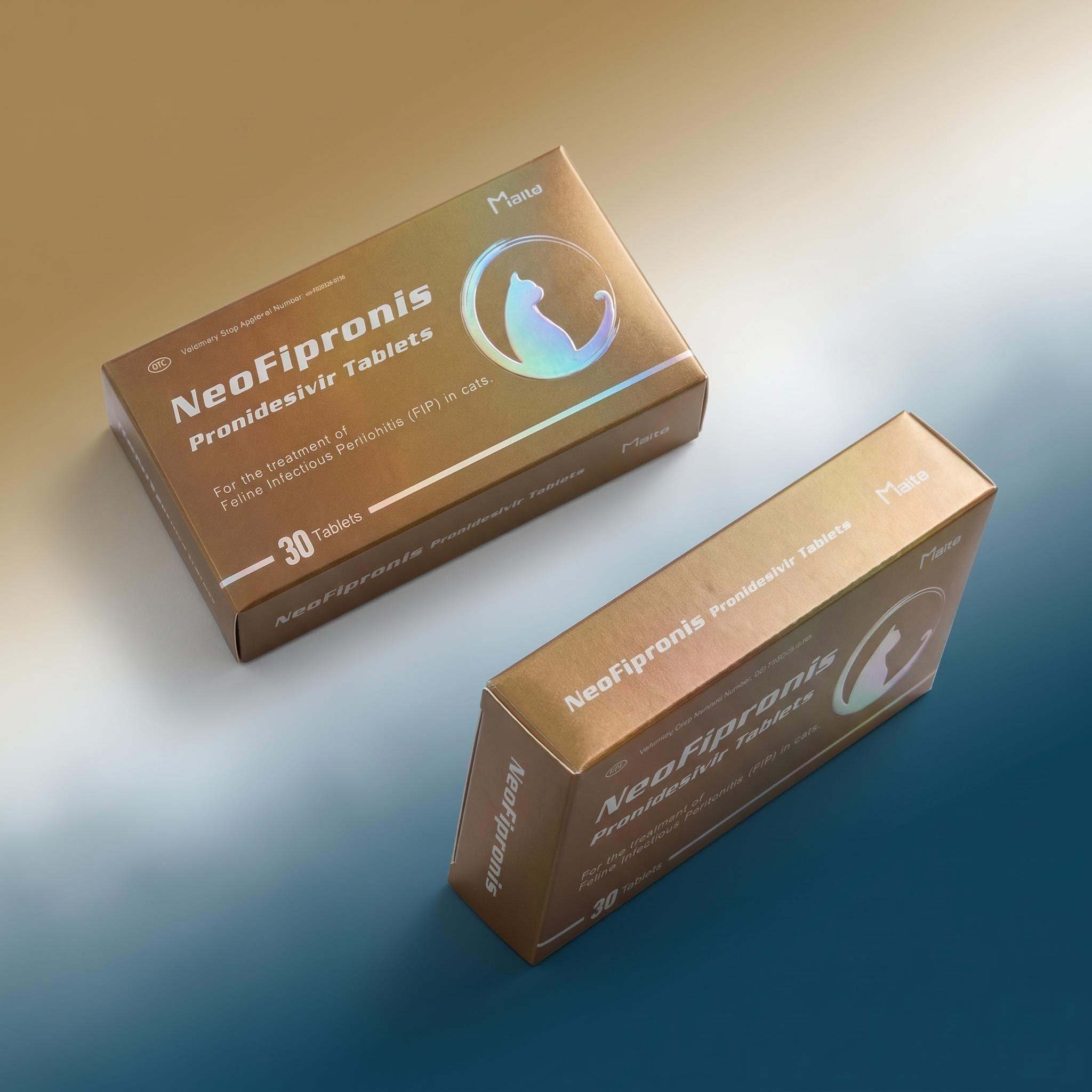
The commercial FIP vaccine available in some regions shows little efficacy in real-world conditions, particularly in kittens already exposed to FCoV. The scientific community generally discourages reliance on vaccines for FIP prevention. Antiviral therapies like GS-441524 and remdesivir have transformed FIP treatment but are not indicated for prevention. Owners should not use antivirals prophylactically, as there is no evidence for safety or effectiveness.
Routine FCoV Testing: Is It Worthwhile?
Testing alone for FCoV is not a guarantee of preventing FIP:
Limitations: Many healthy cats shed FCoV but will never develop FIP.
Practicality: Regular testing is costly, and test results fluctuate.
Best Use: FCoV testing is most useful in catteries seeking to establish and maintain FCoV-free lines.
Dealing with FCoV in the Home: Practical Steps
If your home tests positive for FCoV, here's what owners should do:
Extra Cleaning: Intensify hygiene in all areas.
Segregate Cats: If possible, keep kittens and older or immunocompromised cats separate.
No New Introductions: Avoid bringing new cats into a known FCoV-positive environment.
Monitor Closely: Watch for early signs of illness: lethargy, fever, weight loss, abdominal swelling.
Prompt Veterinary Care: If FIP is suspected, early intervention offers the best possible outcome.
Kittens and FIP: Special Considerations
Kittens, particularly those in shelters or catteries, need special attention:
Early Weaning: Some breeders move kittens to FCoV-free zones before full weaning, though this is logistically challenging.
Minimal Grouping: Keep litters small and postpone mixing with older cats.
Frequent Litter Changes: Kittens (and their caregivers) benefit from ultra-clean environments.
Community Cats and FIP Prevention
Feral cat colonies present unique hurdles; communal living, sporadic veterinary care, and environmental exposure create vulnerable populations. While mass eradication of FCoV is impractical, targeted spay/neuter and maintaining “managed” colonies with regular checkups can help reduce overall viral load.
Myths and Misunderstandings Among Cat Owners
Several misconceptions complicate effective FIP prevention:
FIP Is Always Fatal: Recent treatment breakthroughs have increased survival, but prevention remains critical.
Only Sick Cats Spread FCoV: Healthy carriers are the main source.
Vaccines Are Foolproof: The current vaccine’s utility is limited.
Cats with FIP Need to Be Isolated: Only in severe cases, as FIP itself is not contagious.
Indoor Cats Are Fully Safe: FCoV can enter through humans, objects, or new pets.
Practical Summary for Cat Owners
Owners seeking a truly practical strategy should focus on three pillars:
1. Limit Cat Numbers: The fewer cats, the lower the FCoV presence, mutation risk, and stress levels.
2. Meticulous Hygiene: Regular cleaning of litter, floors, and shared surfaces keeps viral loads low.
3. Stress and Health: Stress management and overall health maintenance reduce FIP’s chances.
When an owner cannot control all variables—such as in shelters or rescue settings—the goal should be to minimize risk as much as possible, rather than seek absolute eradication.
References
1. Pedersen, N.C. (2014). "An update on feline infectious peritonitis: diagnostics and therapeutics." Veterinary Journal, 201(2): 133-141.
2. Barker, E.N., Tasker, S., Gruffydd-Jones, T.J., et al. (2017). "Feline coronavirus infection: multiple factors influence the outcome in cats." The Journal of Feline Medicine and Surgery, 19(1), 99-103.
3. Addie, D.D., et al. (2009). "Feline coronavirus: pathology and pathogenesis of FIP." Veterinary Pathology, 46(1): 223-233.
4. Hartmann, K. (2005). "Feline infectious peritonitis." Veterinary Clinics: Small Animal Practice, 35(1): 39-79.
5. Stranieri, A., Lauzi, S., et al. (2020). "Diagnostic and management strategies for FIP." Journal of Feline Medicine and Surgery Open Reports, 6(1): 2055116920910653.
6. American Association of Feline Practitioners (AAFP) Guidelines (2023). "Feline Infectious Peritonitis Prevention Recommendations."
7. U.S. Centers for Disease Control and Prevention (CDC). “Compendium of Measures to Prevent FIP.” CDC Vet Notes (2023).
8. Kipar, A., Meli, M.L. (2014). "Feline infectious peritonitis: more than a coronavirus infection." Veterinary Pathology, 51(2), 505-526.
9. Gaskell, R. et al. (1999). "Feline coronavirus vaccine efficacy and safety review." Journal of Small Animal Practice, 40(6): 251-256.
10. Chang, H.W., Egberink, H.F., et al. (2012). "Transmission routes of FIP." Veterinary Microbiology, 156(3-4): 317-324.